Ryan Murray | Co-Owner | Chief Editor | Contributor | Photographer
r.m.music84@gmail.com
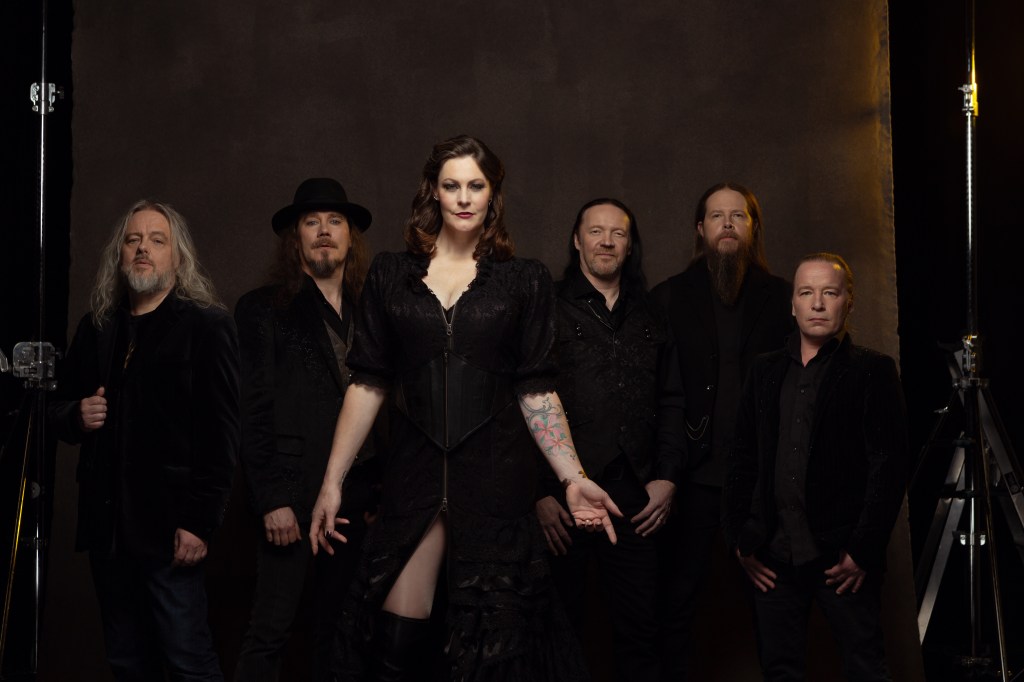
My journey with Nightwish started back in 2000 when I first heard “Gethsemane” from Oceanborn. Initially, I didn’t connect with it and shelved the band for about a month. But something pulled me back, and when I gave the song another listen, it struck a chord that changed everything. From that moment on, I was hooked. However, over time, I found myself becoming more critical of their direction. While I deeply respect artists who stay true to their vision and don’t compromise for the sake of popularity, music resonates differently with everyone. Personally, the direction they took with Endless Forms Most Beautiful and Human :II: Nature didn’t quite land for me. There are absolutely standout tracks on both albums that I still enjoy, but overall, something just felt missing. The messages are still greatly impactful, but the music didn’t quite capture me the way their earlier work had.
That said, after multiple listens to the advance promo for their upcoming album Yesterwynde, I’ve found that the sparks that I had felt were missing have been rekindled! While there are still some aspects I might have liked to see done differently, the overall experience of Yesterwynde is nothing short of magical, taking the listener on an emotional and nostalgic journey like only Nightwish can.
After nearly three decades of trailblazing, Nightwish returns with their 10th studio album, a work that defies expectations and pushes the boundaries of their already ambitious sound. Described as some of their heaviest and maybe even their most progressive work to date, it’s clear from the first listen that this record isn’t just a collection of songs but an intricate tapestry woven with complexity and emotion. Tuomas Holopainen and the band have created something balancing incredible weight, beauty, and a sense of the unknown.
The title track, “Yesterwynde,” opens the album with the sounds of an old movie projector, and unlike previous Nightwish records, it opts for a subtler beginning. Instead of some of the heavier introductions we’ve come to expect, the song embraces a softer, more atmospheric tone. A choir building into acoustic guitars and Troy Donockley’s signature uilleann pipes set the stage before Floor Jansen’s ethereal voice sweeps in, anchoring the track even further. While it might feel understated for an opener, the deliberate choice creates a moment to breathe before plunging into the intensity that follows.
The second track, “An Ocean of Strange Islands,” which, in a last-minute decision, became the third single released on September 10th, is where the album’s promise of heaviness first shines. Nightwish’s trademark elements are all there—massive guitar riffs from Emppu Vuorinen, cinematic orchestrations, and Jansen’s towering vocals. It’s a thrilling journey, seemingly about the many people we meet, that leaves you breathless but eager for more. Despite its length, the track evolves and surprises, pulling the listener deeper into the album’s core themes before offering a breathtaking respite with the sound of calming ocean waves, Donockley’s pipes, and a light choir. Holopainen has mentioned there are several eastereggs throughout the album, some of which can be heard in this track with close listening!
Following this, “The Antikythera Mechanism” introduces a unique sound that beautifully fits into the album’s grand narrative. Musically and vocally, this track is reminiscent of the Middle Eastern-tinged “Sahara.” It’s bombastic, with soaring vocals and sweeping orchestrations, mixed with short-lasting, tender moments featuring Donockley’s vocals. But it’s the second half of the song that truly takes your breath away. The song’s lyrics explore an intriguing and obscure subject matter, much like Nightwish’s best intellectual works. If you’re unfamiliar, a quick Google search reveals that the antikythera mechanism is an ancient Greek device, essentially the first analog computer, used to track the positions of celestial bodies. These moments not only showcase the band’s talent for drawing inspiration from the arcane while keeping it relevant in a modern metal context, but, even more importantly, highlight the incredible feats humanity is capable of.
Now let’s talk about two of the singles, “The Day Of” and “Perfume of the Timeless,” which have sparked divided opinions. “The Day Of” is a bold experiment from the band, taking a hard-hitting stance on fear-mongering with a sound unlike most anything in their discography. The children’s choir that leads the chorus is both eerie and captivating, and when Jansen joins in the final choruses, the tension climaxes in a deeply moving way. It’s a track that grows on you, revealing layers of complexity with each listen.
On the other hand, “Perfume of the Timeless,” released back in May, offers a grand symphonic arrangement, but its vocal mixing has been a point of contention. Jansen’s vocals are blended into the choir in the chorus, which, while intended to create a rich, layered sound, due to its mix, her voice along with the choir feels buried beneath the orchestration. Yet, despite this, the song carries that undeniable spark, a fusion of symphonic metal and storytelling that captures the very essence of Nightwish. It might take a few spins to fully appreciate, but within the full album’s context, it shines brightly.
One of the lighter tracks, “Sway,” offers a momentary reprieve, driven by beautiful acoustic guitars, strings, Donockley’s pipes, and haunting vocals shared by Jansen and Donockley. It’s an atmospheric piece that echoes past Nightwish ballads but introduces a breath of fresh air with its folk-driven undertones and nostalgic lyrics, like in the chorus:
“Sway over the mountaintops
Or over the swaying crops
Adorn your garden with a perfect day
Sway over the discontent
Ghost stories in a tent…”
Similarly, “The Children of ‘Ata’” is a surprise highlight, blending an infectious 80s pop vibe with the heaviness of thundering riffs and massively cinematic orchestrations. This seamless fusion adds a nostalgic yet fresh twist to the album, drawing you in immediately. The track, including five authentic Tongan native singers, tells the real-life story of six Tongan boys who, in 1965, escaped their boarding school by stealing a boat, only to be caught in a violent storm and shipwrecked on the uninhabited island of Ata’. The boys spent 15 months stranded, battling harsh elements and surviving against all odds before being rescued in September 1966 by Australian fisherman Peter Warner. It’s a story of survival, unity, and resilience that fits perfectly into the album’s thematic fabric. Nightwish takes this riveting tale and amplifies it with their signature grandiosity, making the song both emotionally gripping and sonically electrifying.
Throughout the album, Emppu Vuorinen’s guitar work is more prominent than in recent releases, especially on “Something Whispered Follow Me.” This brooding, guitar-led track exudes menace without relying on the typical symphonic bombast. The chorus features a 90s pop/rock melody that’s catchy and memorable, quickly lodging itself in the listener’s mind. Jukka Koskinen’s bass is also brought forward in the mix, adding depth to the sound. The track features progressive elements, including shifting time signatures and instrumental sections in 7/4. For fans of Darkseed, the atmosphere created during these moments might evoke their 2000 track Forever Darkness. Jansen’s vocal range is also put to the test, particularly towards the end of the song.
“Spider Silk” stands out with its eerie keys and a subtle old-western atmosphere created by the guitars, which fades almost as soon as it arrives. The track then leads into Jansen’s breathtaking vocal acrobatics, effortlessly transitioning between delicacy and power, explosive choruses, bombastic orchestrations and jazz-like sections reminiscent of Imaginaerum’s “Slow, Love, Slow.” The orchestrations further intensify the track, leading into heavy riffing and Holopainen’s synth work, which harkens back to the band’s earlier sound from Angels Fall First. Conversely, “Hiraeth” starts as a hauntingly beautiful piece filled with nostalgia. It opens with a light acoustic introduction, featuring Jansen’s ethereal “ooh’s” and Donockley’s spoken word of “Hiraeth,” a Welsh term for deep longing or homesickness. After some subtle vocal performances from both Donockley and Jansen, the song erupts into instrumental bliss, reminiscent of Dark Passion Play’s “Last of the Wilds,” with Donockley’s pipes soaring through a powerful blend of symphonic, choral, and folk elements. It’s a stunning showcase of the band’s ability to evoke profound emotion while delivering their signature energetic grandeur.
The final two tracks, “The Weave” and “Lanternlight,” encapsulate the album’s arc. The former brings together all the signature Nightwish elements, including intricate orchestrations, powerful vocals, and cinematic grandeur. This, for me, is probably the heaviest song on the album, with Kai Hahto’s drums fully unleashed and the orchestrations matching the intensity of Vuorinen’s guitars and Koskinen’s bass. However, it’s Jansen’s final note, combined with the pure symphonic metal bliss, that will leave you breathless and in awe.
Closing with “Lanternlight,” the final single which will be released on the album’s release day, offers a soft and poignant conclusion, distinctly different from the epic closers of past albums. It serves as a perfect farewell to the narrative, featuring breathtaking keys, strings, and Jansen’s stunning, light, and airy vocals. Her voice effortlessly flows and grows with the strings, reaching a poignant climax. The lyrics, “I hear our song now sung by the free. For a thousand more tomorrows…” suggest that some moments in life, like the soothing presence of a stream, are timeless and can be experienced anew even as time moves forward. As the track comes to a close, we hear the old movie projector winding down, drawing this trilogy to a beautiful close.
What makes Yesterwynde stand out is its ability to challenge and reward the listener. This isn’t an album that reveals itself fully on the first listen; rather, its intricacies demand patience and repeated spins. Once you begin to unravel its layers, you’ll find that beneath the heavy riffs and orchestral flourishes lies a deep, emotional, and reflective core. It’s an album about the fleeting nature of existence, gratitude, and the beauty of fleeting moments and themes that resonate long after the last note fades.
Nightwish has always thrived on creating music that transports its listeners to other worlds, both sonically and thematically. With Yesterwynde, they’ve crafted an album that balances epic storytelling, heavy instrumentation, and moments of unexpected tenderness. It’s an emotional rollercoaster that ebbs and flows between nostalgia and a fresh sense of direction. For those who’ve been with the band for years, it feels like a homecoming of sorts – revisiting the magic of their past while forging new paths into the future.
Verdict: 4.0/5.0

 Ethereal Metal
Leave a comment