Ryan Murray | Co-Owner | Chief Editor | Contributor | Photographer
r.m.music84@gmail.com
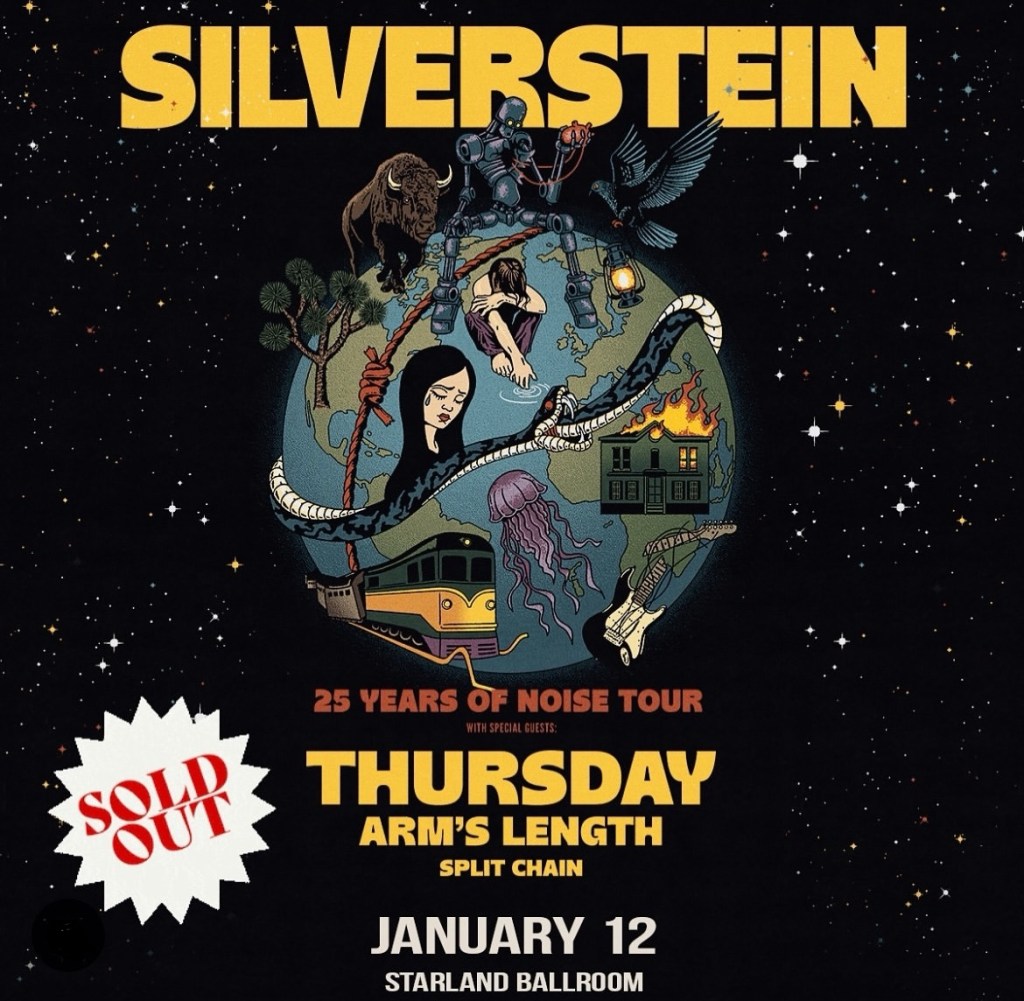
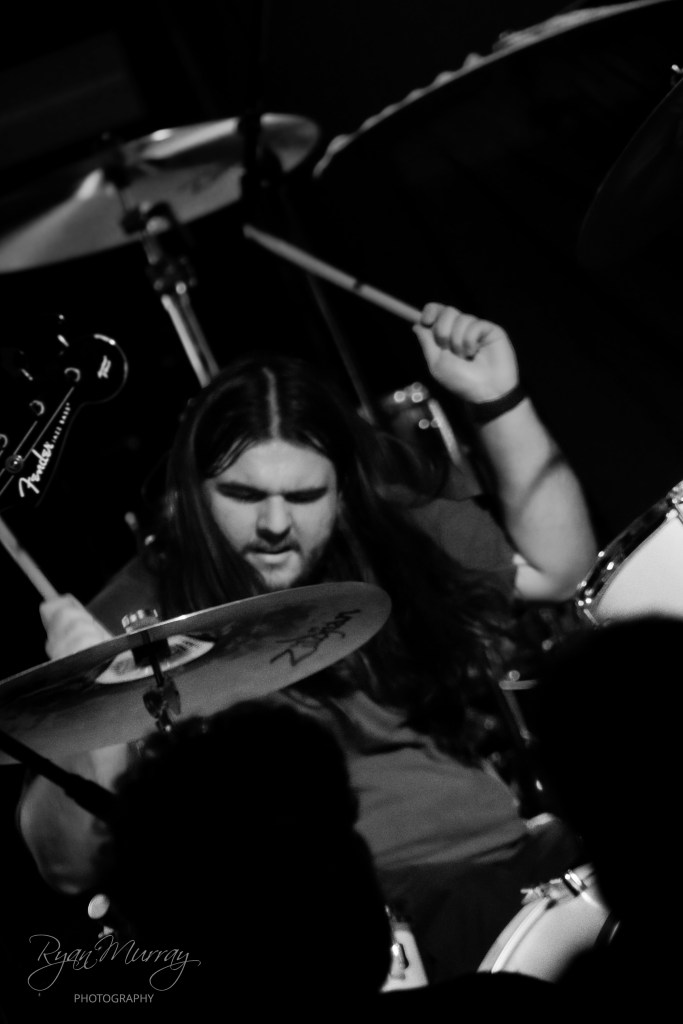
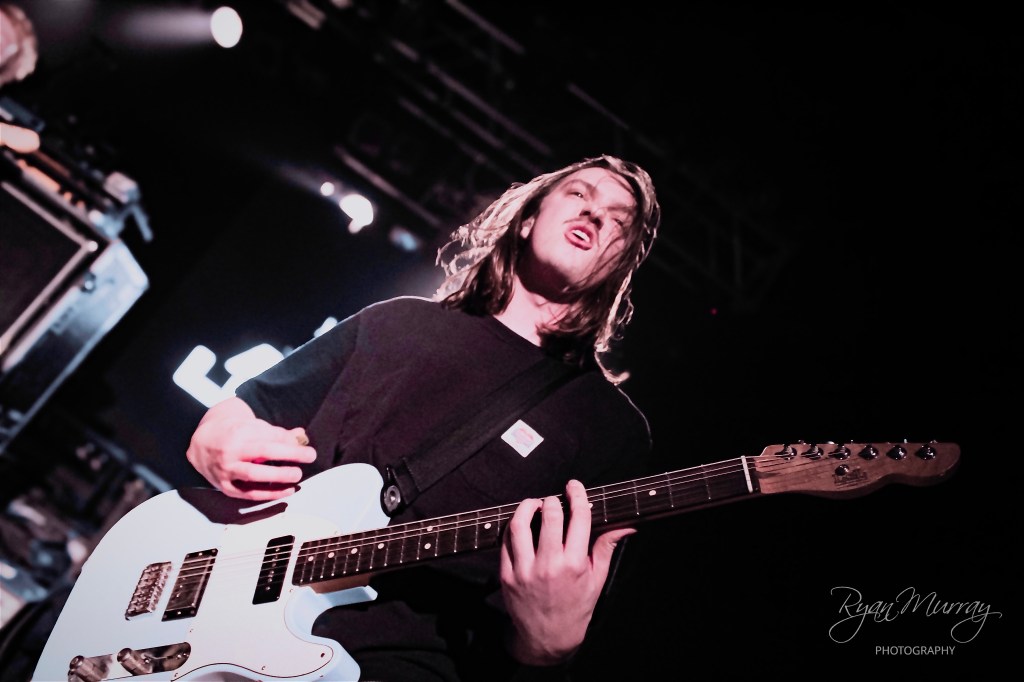
Starland Ballroom was a powder keg on January 12, 2025, packed wall to wall with fans bracing themselves for a night of post-hardcore history in the making. What unfolded was not just a concert—it was a full-throttle odyssey through passion, nostalgia, and the unrelenting energy that has defined this genre for decades. With four incredible bands setting the night ablaze, every moment felt like a surge of electricity, a celebration of sound that sent shockwaves through the crowd from the first note to the last, deafening encore.
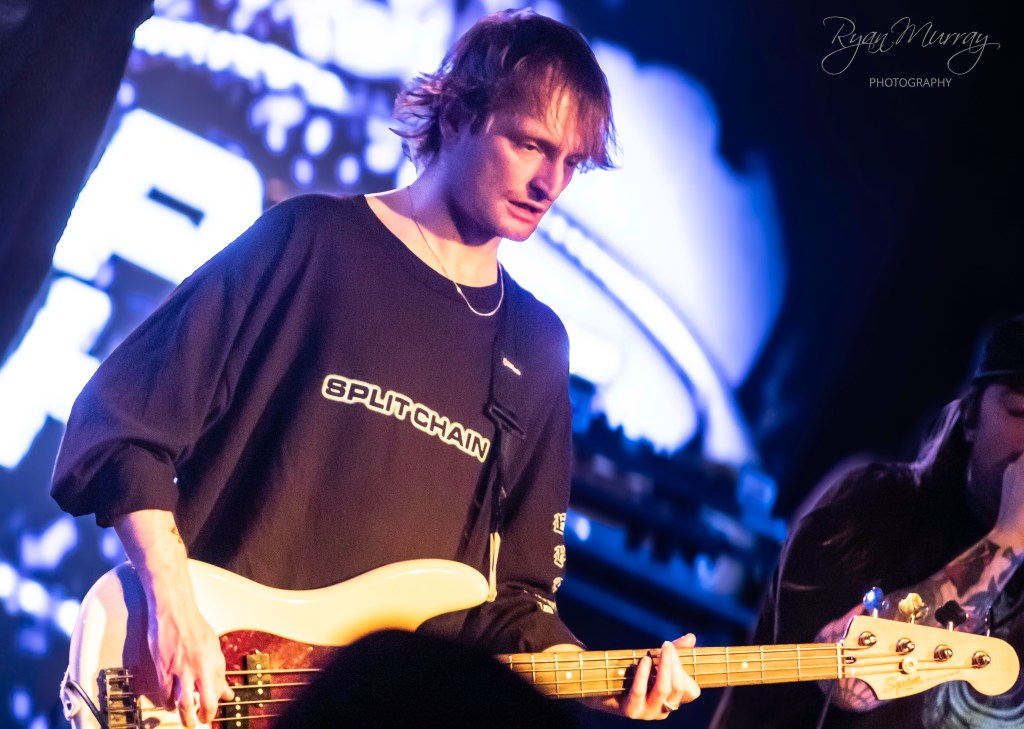
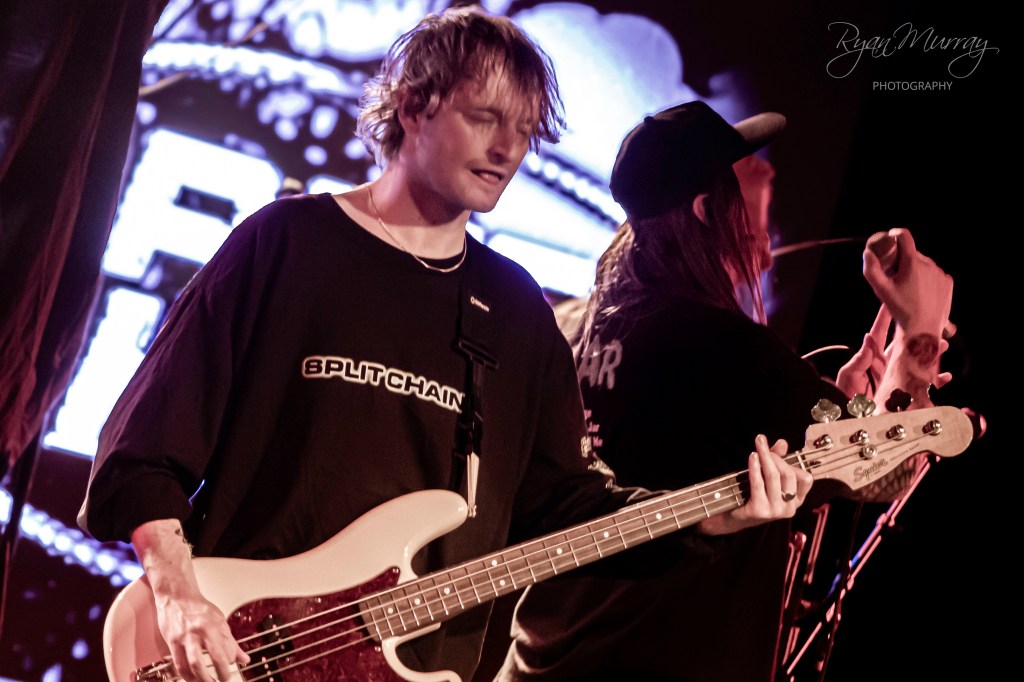
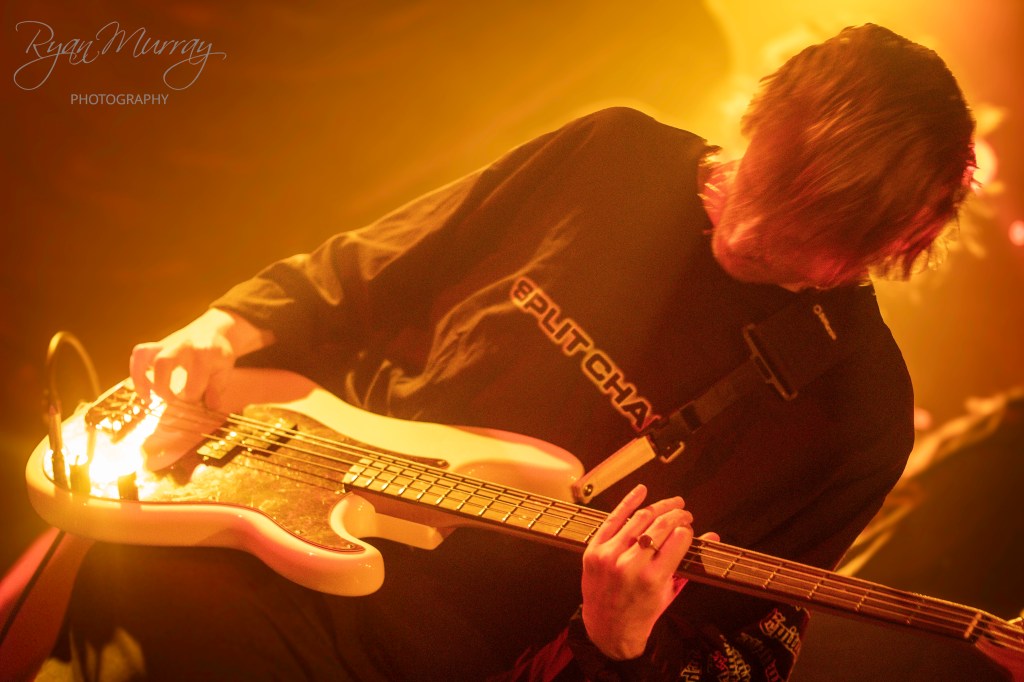
The second the lights dimmed and Split Chain hit the stage, there was no easing into the chaos—just an immediate detonation of sound that took the crowd from zero to sixty in an instant. They played with a reckless urgency, their chemistry palpable as they fed off each other’s kinetic energy. “Haven” wasted no time in setting the room ablaze, its raw intensity mirrored by the sea of bodies thrashing in time with the music. The band’s dynamic interplay made every moment feel alive, like a chain reaction of sonic destruction.
By the time they tore into “Get Inside,” their grip on the audience was undeniable. The pit erupted, hands shot into the air, and fists pounded the at the barricade as the band seamlessly navigated between crushing riffs and haunting melodies. “Chalk” and the debut of “I’m Not Dying To Be Here” proved that Split Chain was far from predictable—each song felt like an evolution, a challenge to outdo the one before it. They closed with a devastating one-two punch: “Fade,” “Future,” and “Extract,” leaving the stage to deafening cheers. The crowd wanted more, and the night had barely begun.
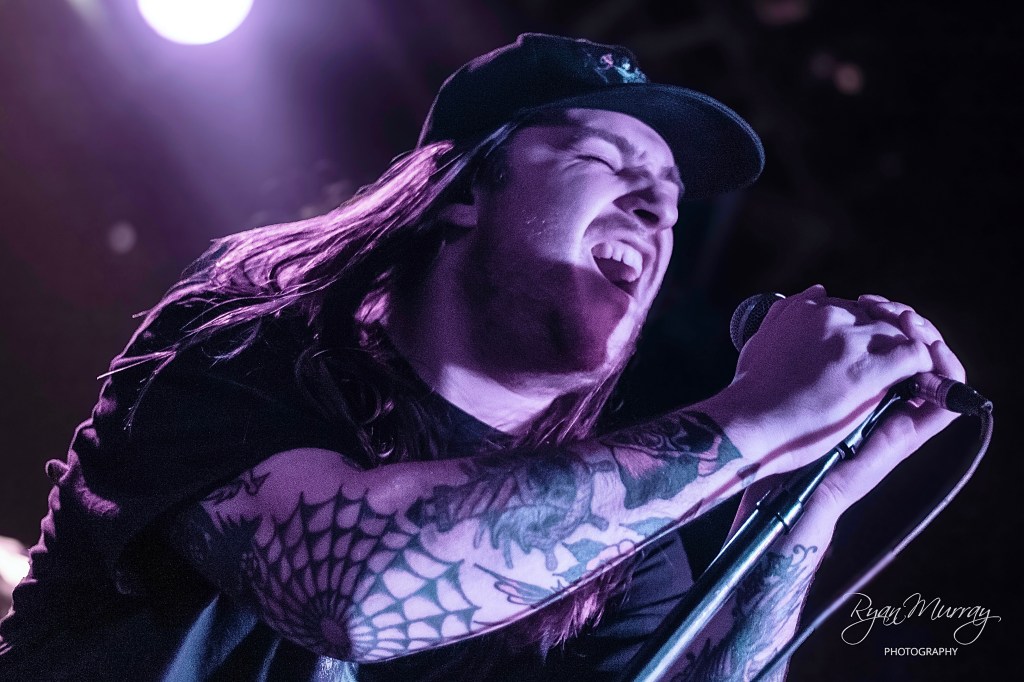


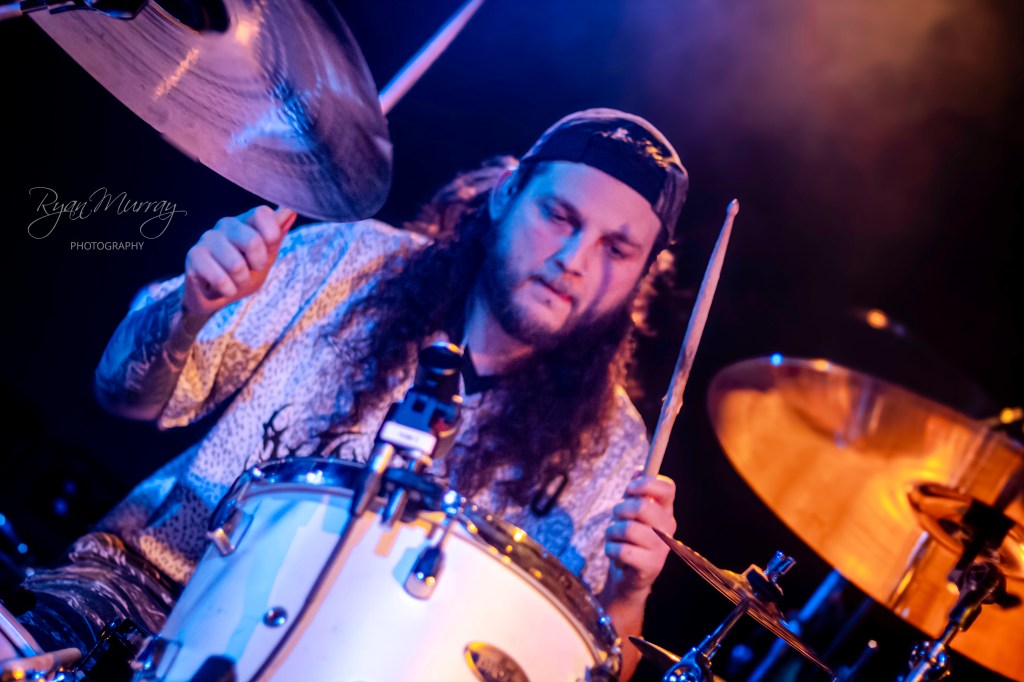

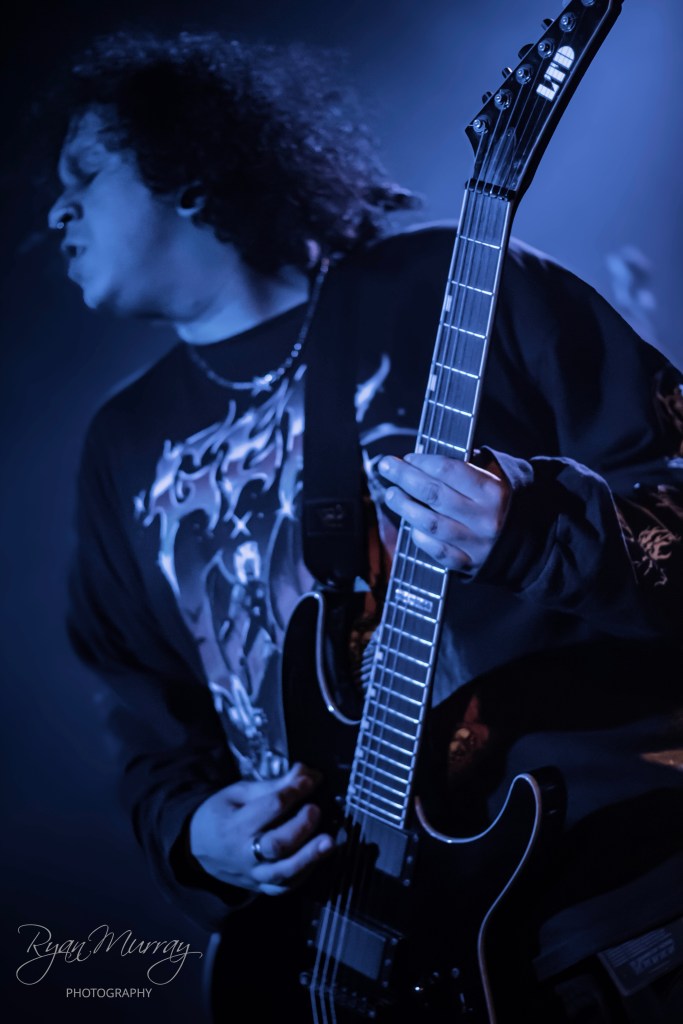

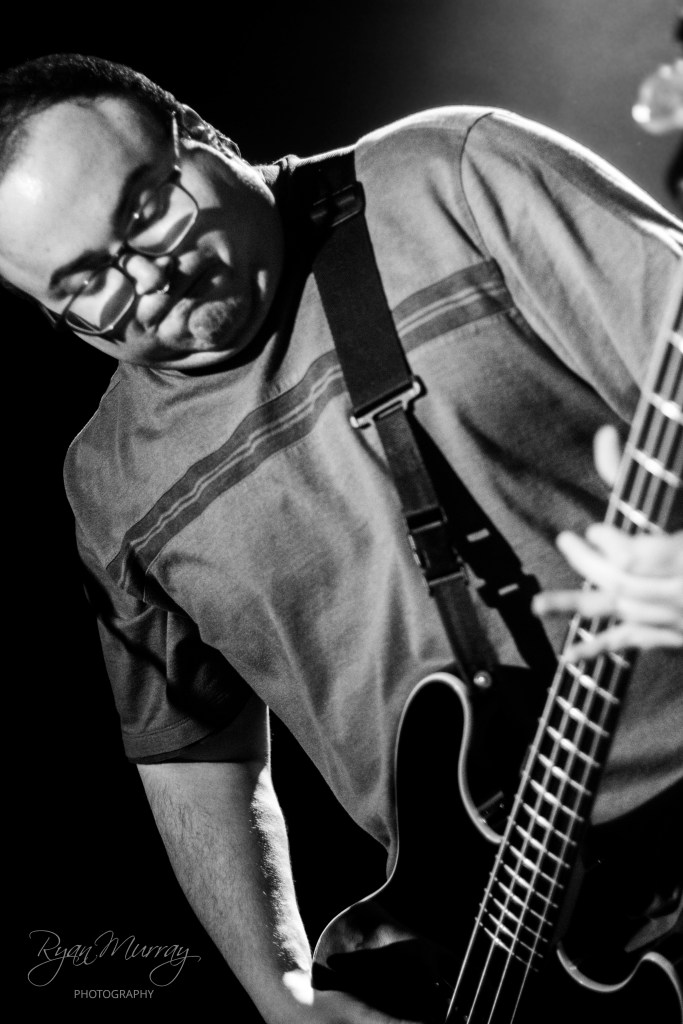
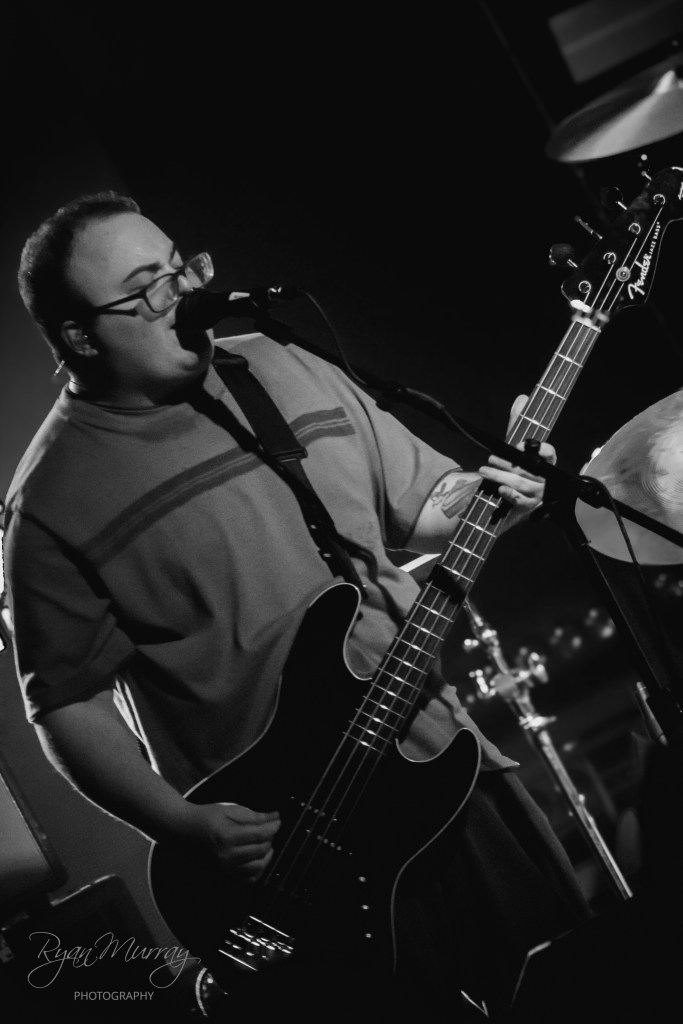
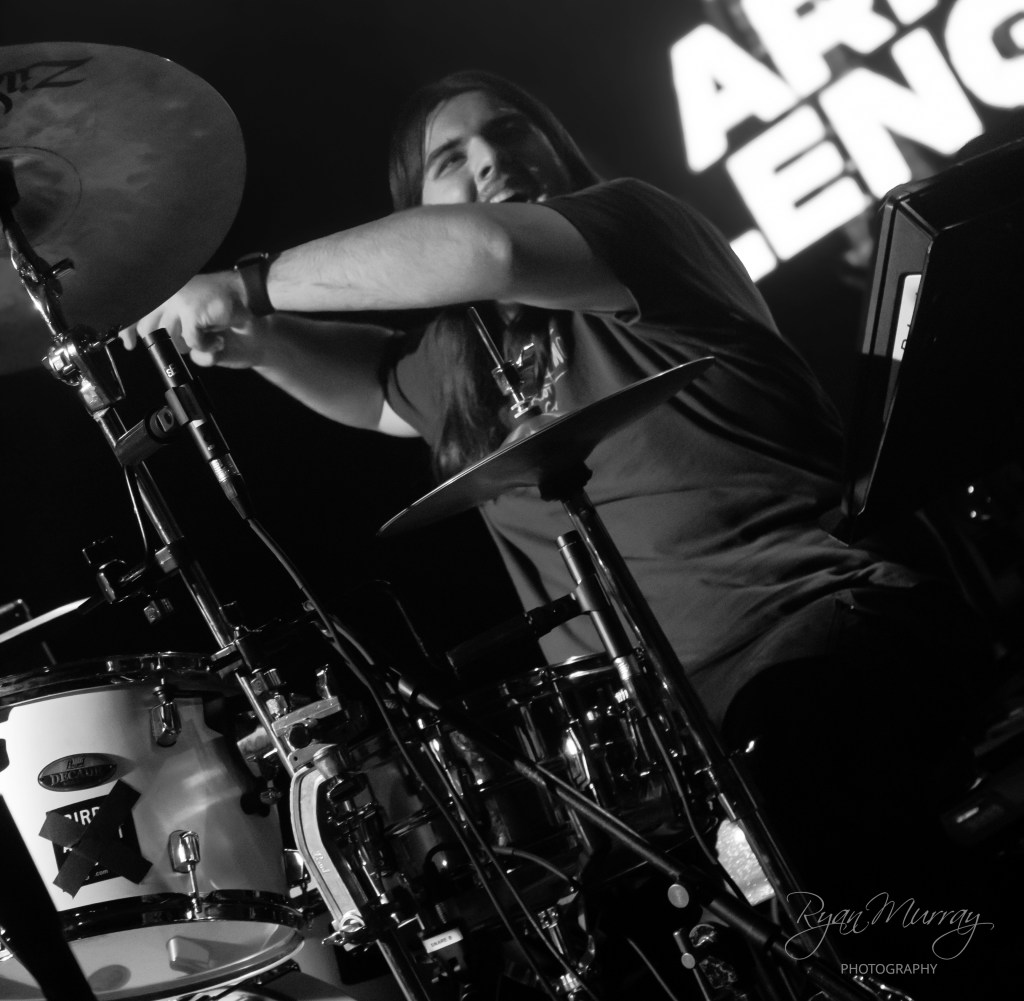
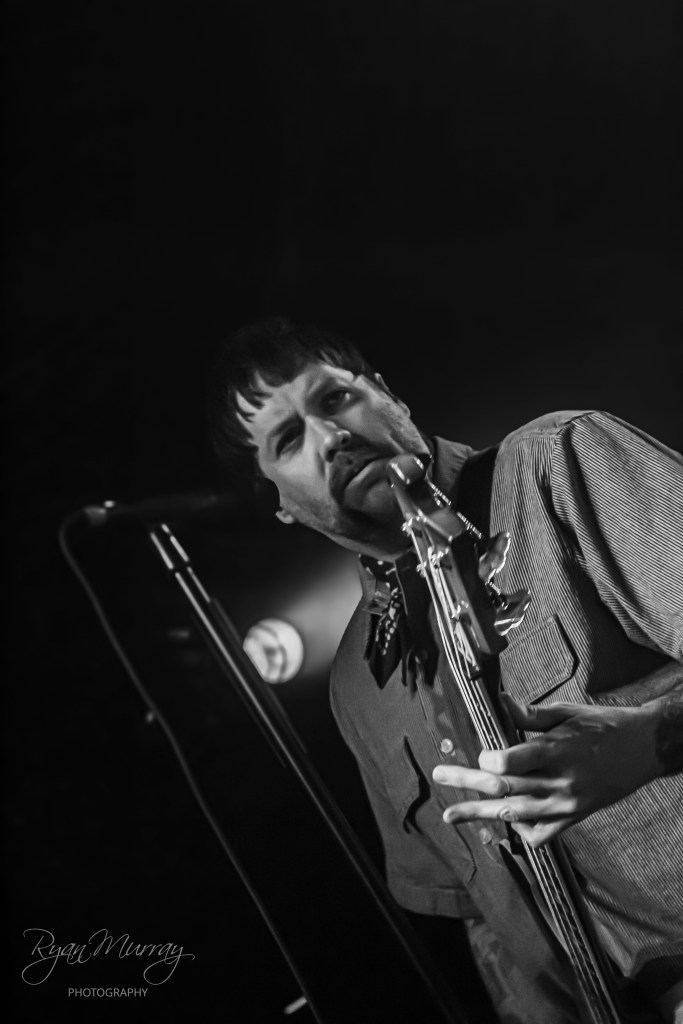
The air barely had time to settle before Arm’s Length took over, bringing with them a storm of emotion, melody, and punk grit. They weren’t just playing songs—they were storytelling through every anguished lyric and every soaring chorus. The chemistry between the band was magnetic, each member perfectly attuned to the others, creating an atmosphere that blurred the line between performer and audience.
The poignant swell of “In Loving Memory” had the room swaying, a collective breath held in unison before the band plunged headfirst into the defiant energy of “Funny Face.” The emotional highs and lows of their set were staggering—one moment, the crowd was swept up in the intensity of “Object Permanence” and “Formative Age,” the next, they were screaming along to “Tough Love” like it was their own personal anthem. When they reached the climax of their set with “Overture” and “Garamond,” it was like a final, cathartic release, leaving the crowd breathless and exhilarated.

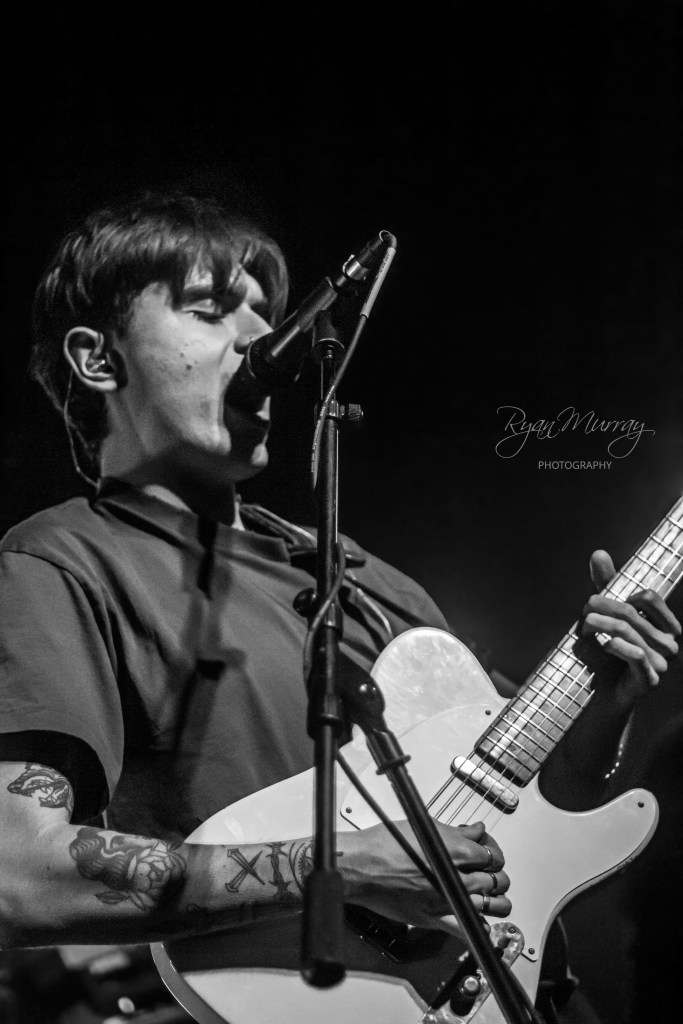
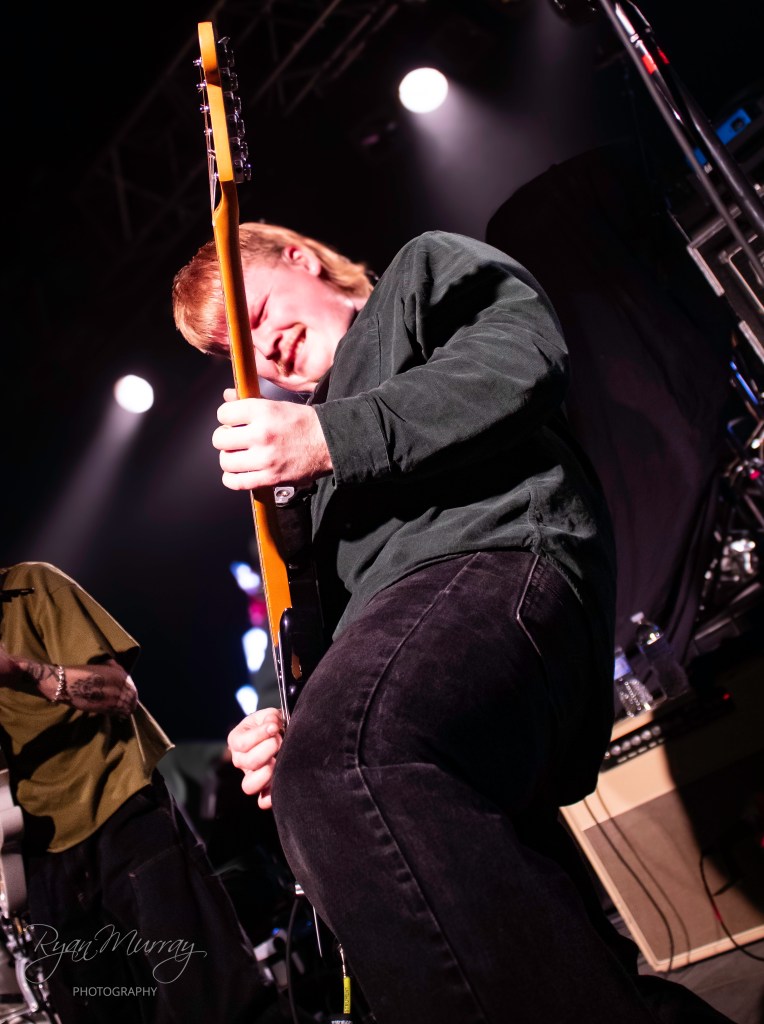
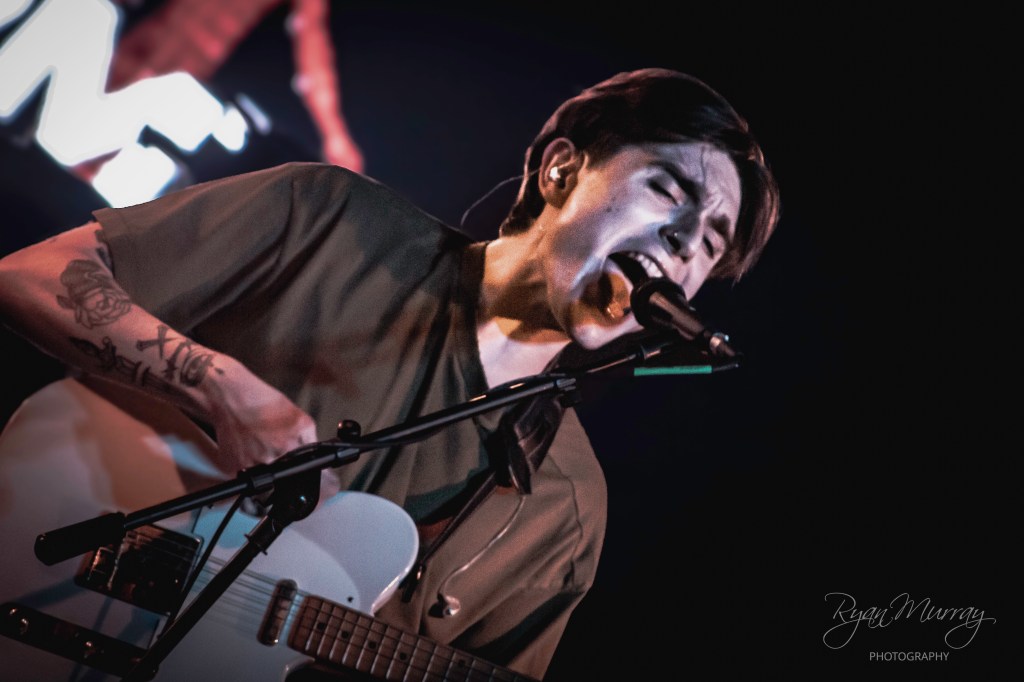

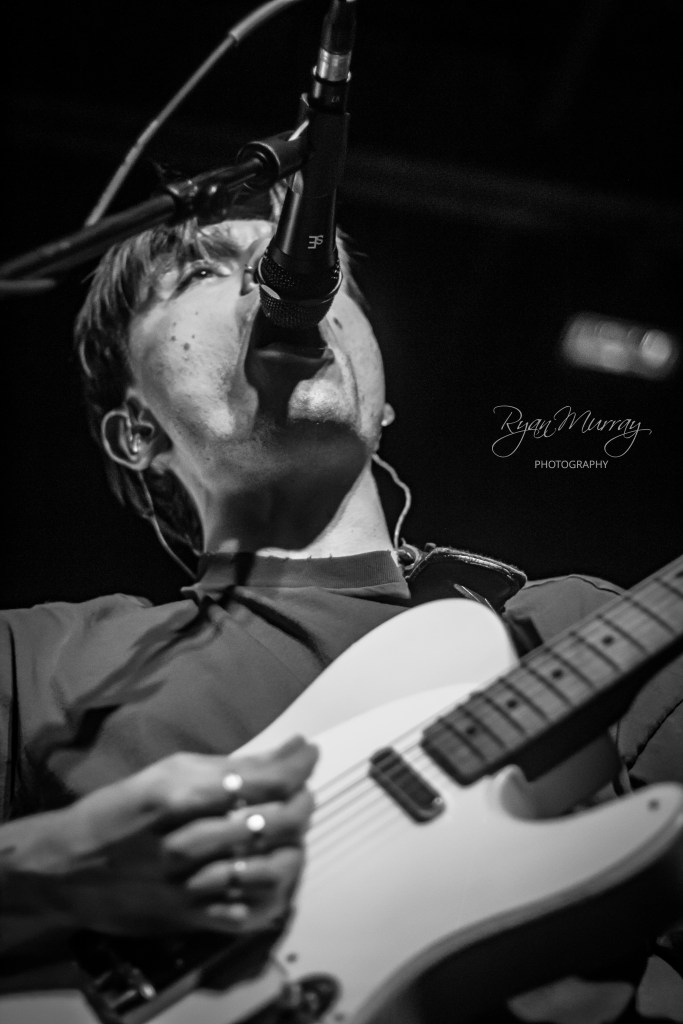

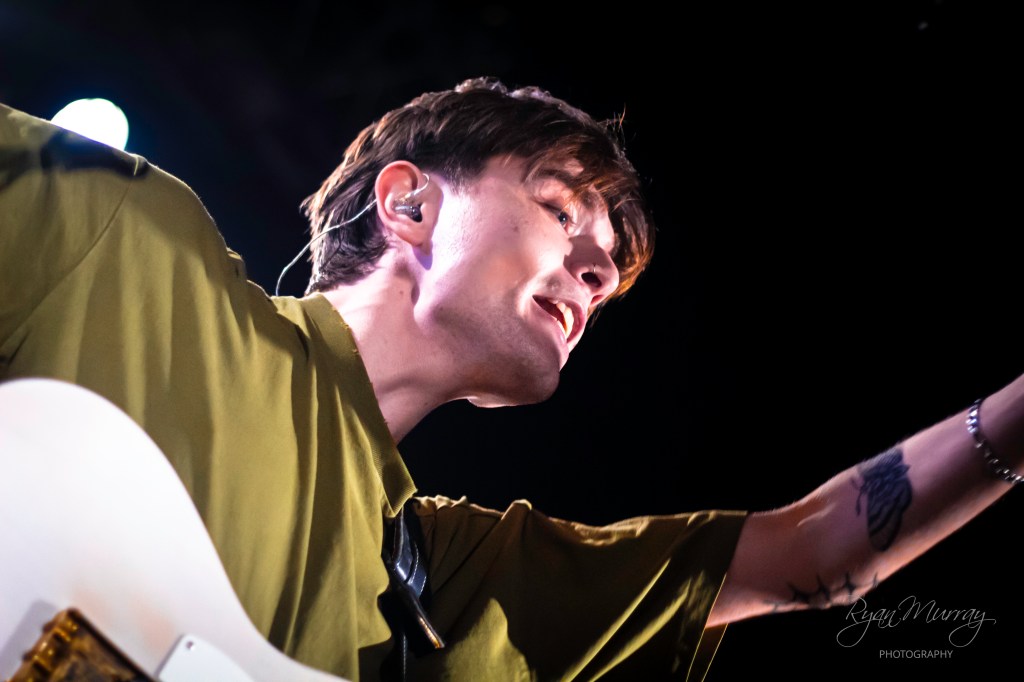
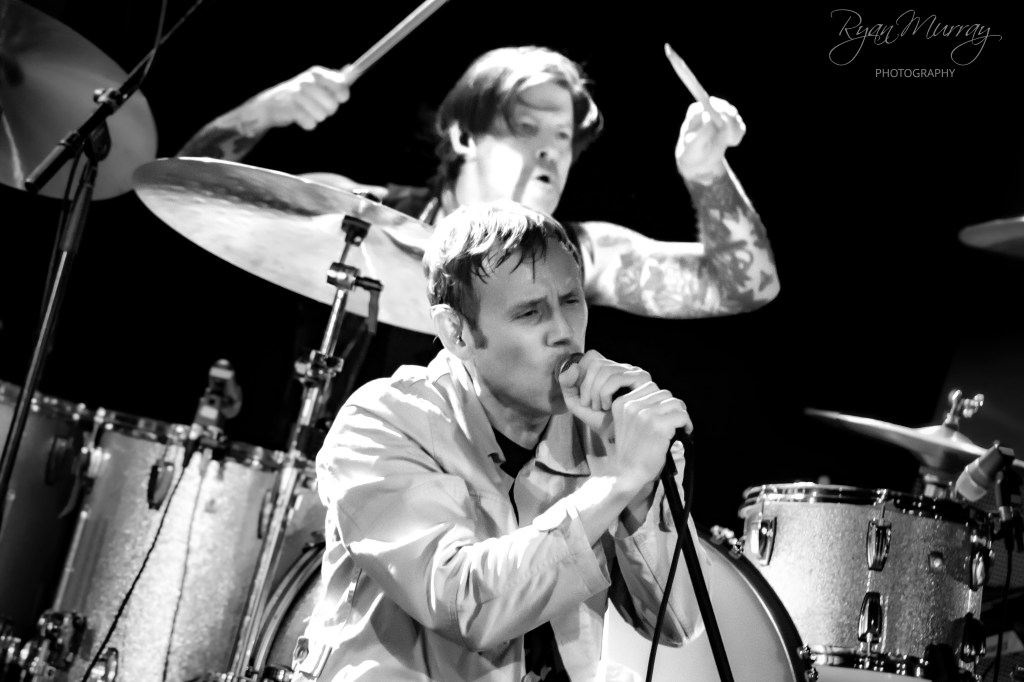
Then, like a bolt of lightning, Thursday took the stage, proving why they are still one of the most electrifying live acts in post-hardcore history. The moment Geoff Rickly grabbed the mic, the room shifted. The tension snapped, and Starland Ballroom exploded into a frenzy of movement and sound.
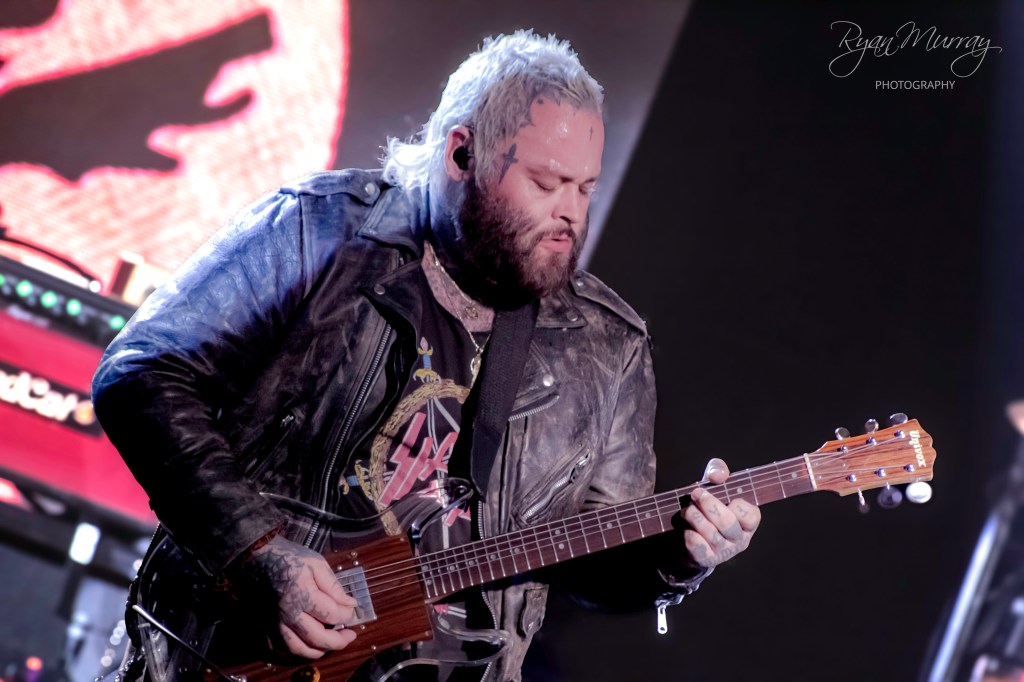
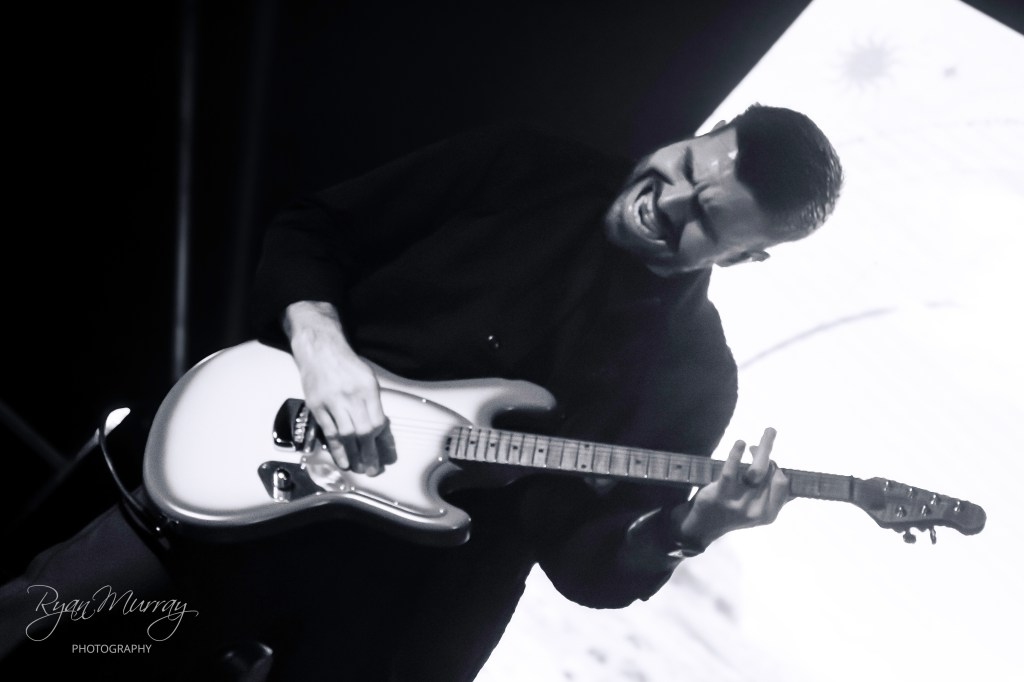
With Wade MacNeil of Alexisonfire stepping in on guitar, their set was an onslaught from the get-go, launching into the volatile energy of “The Other Side of the Crash/Over and Out (of Control).” It wasn’t just music; it was a storm rolling through the venue, picking up speed with every song. “Cross Out the Eyes” sent the pit spiraling into chaos, “Signals Over the Air” had arms locked around shoulders as fans screamed every word, and “Jet Black New Year” felt like a war cry, the entire venue pulsating with raw power.
Thursday’s connection to their audience was visceral. The haunting strains of “This Song Brought to You by a Falling Bomb” hushed the room, a ghostly stillness settling over the crowd as if the air itself had been stolen away. Every note hung like a whispered secret, fragile yet heavy with unspoken weight. In that moment, the entire venue seemed suspended in time, hearts pounding in unison, waiting—aching—for the inevitable crash that would shatter the silence once more. And surely it did with the full-force blast of “Fast to the End.” The crowd’s energy peaked with “Taking Inventory of a Frozen Lake,” a newer anthem that had even longtime fans roaring. But it was the closing trio of “The Lovesong Writer,” “Understanding in a Car Crash,” and the earth-shattering “War All the Time” that sent the night into overdrive. Bodies were moving in every direction, voices were hoarse, and the energy in the room felt like it could shatter the walls.


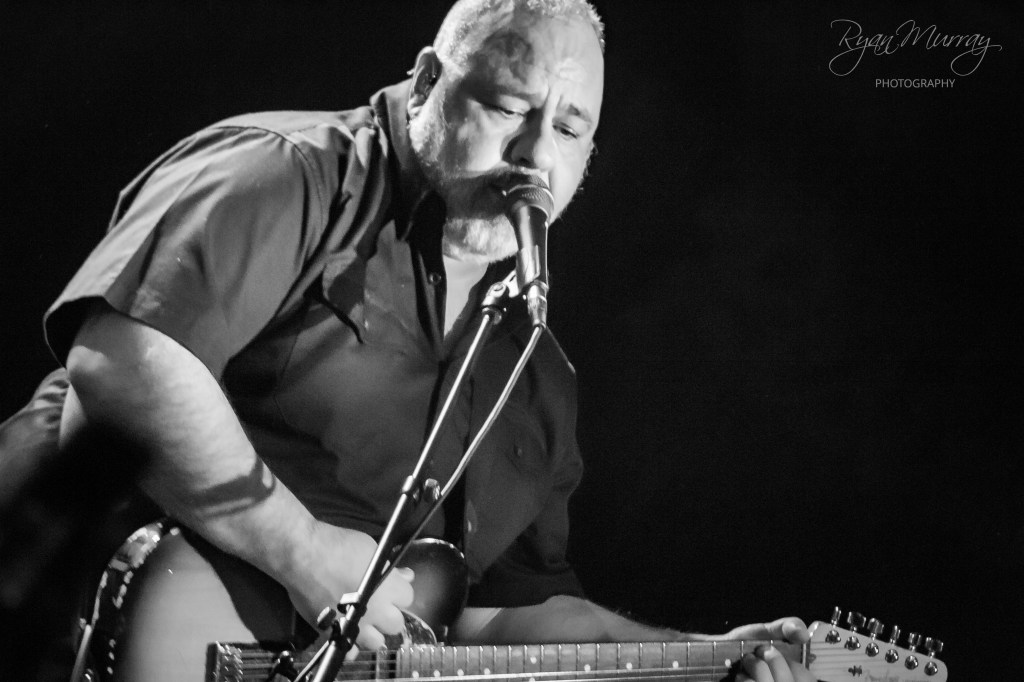
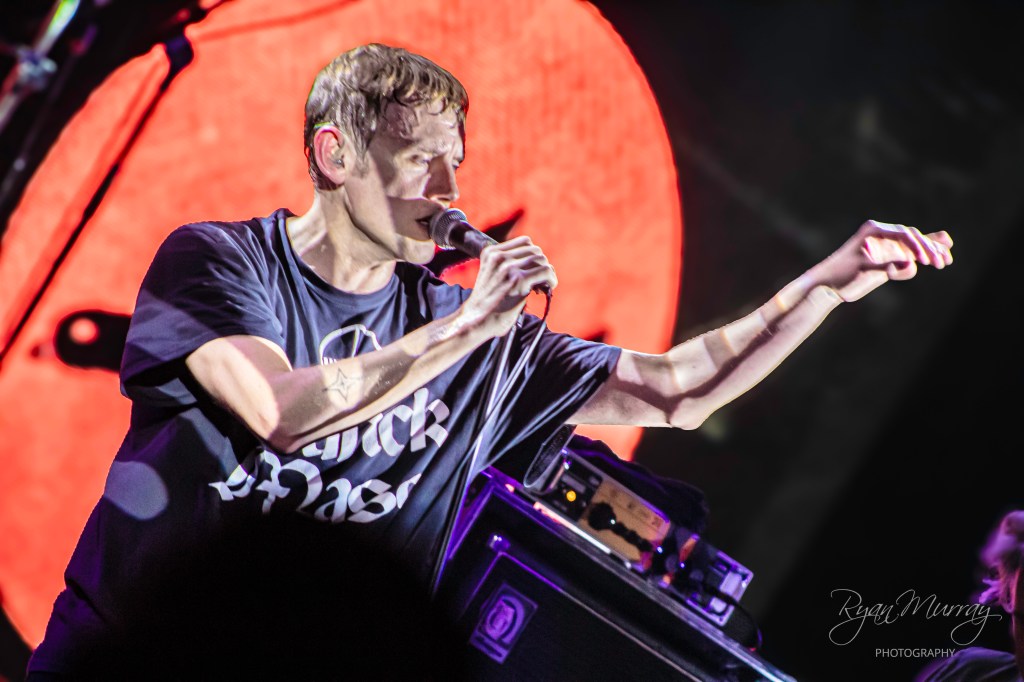
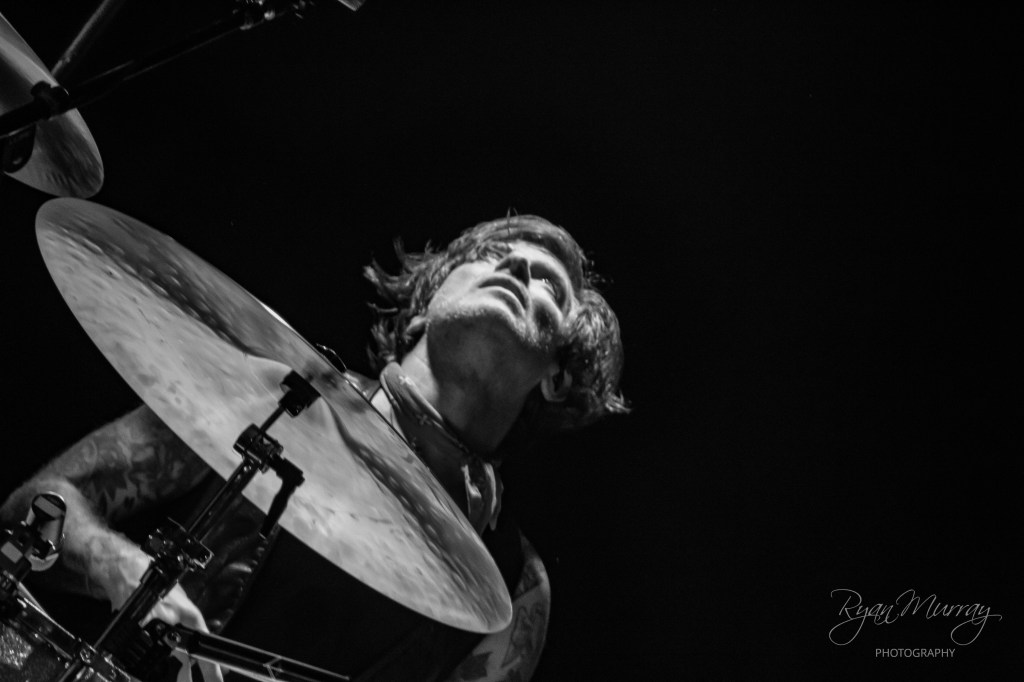
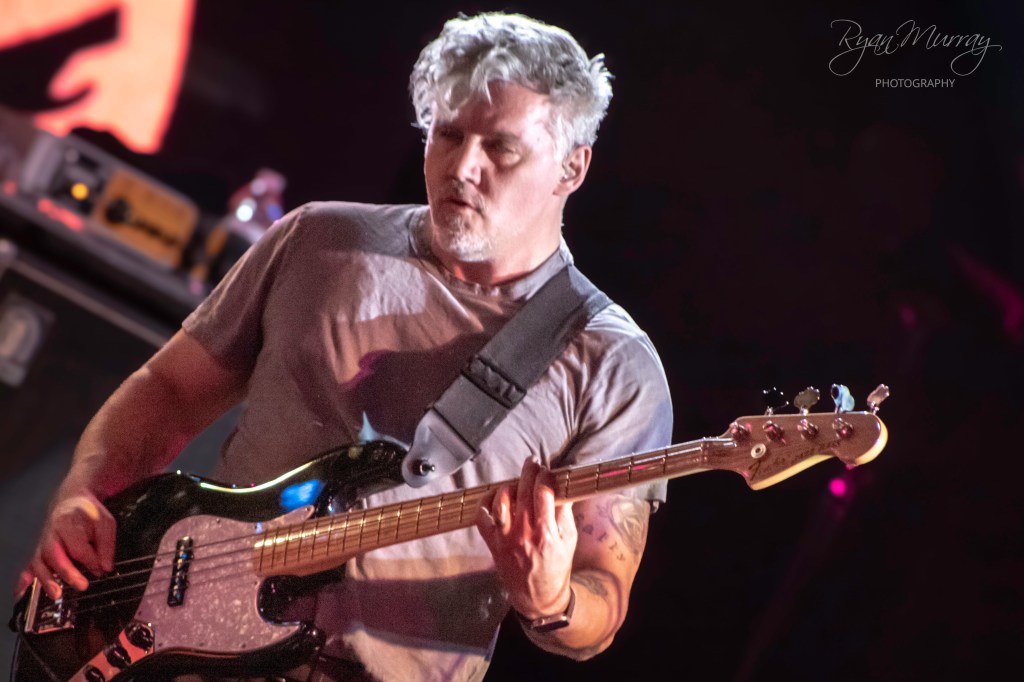


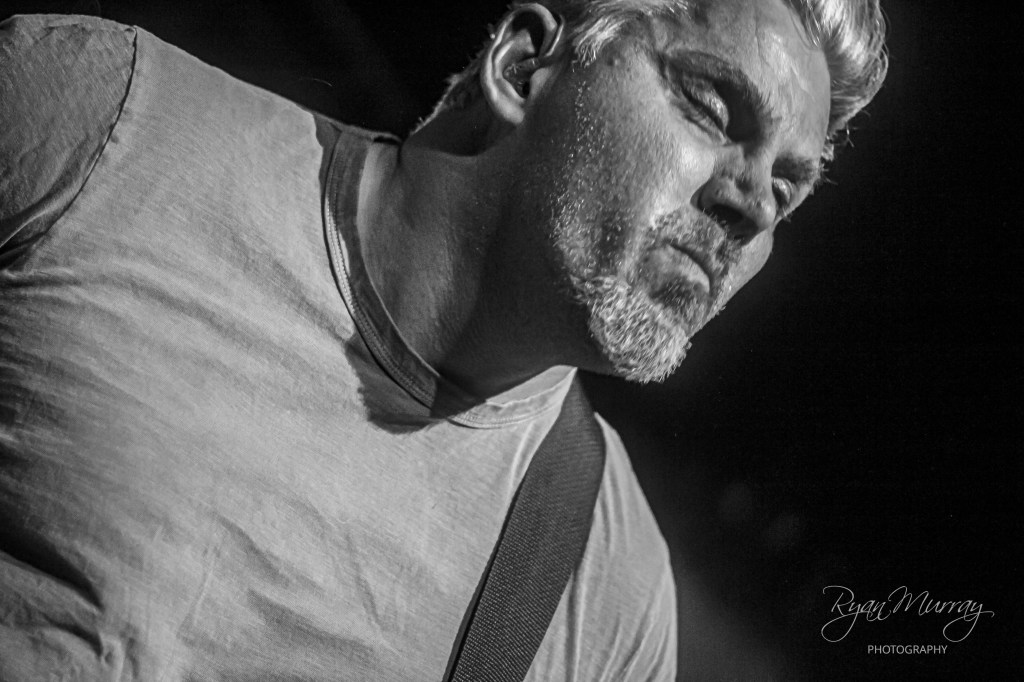
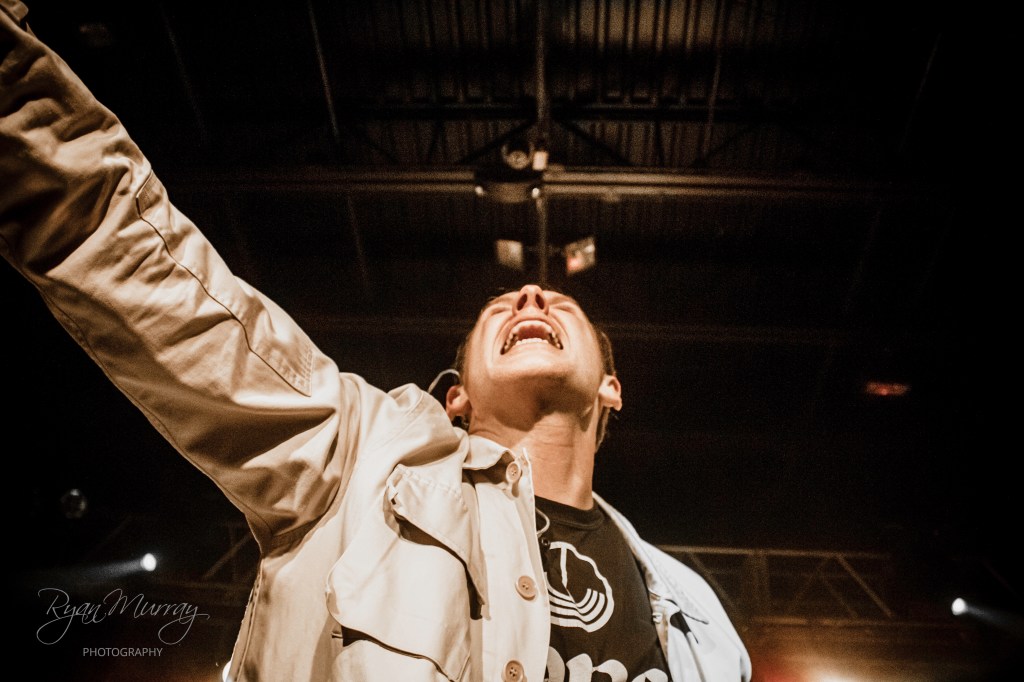
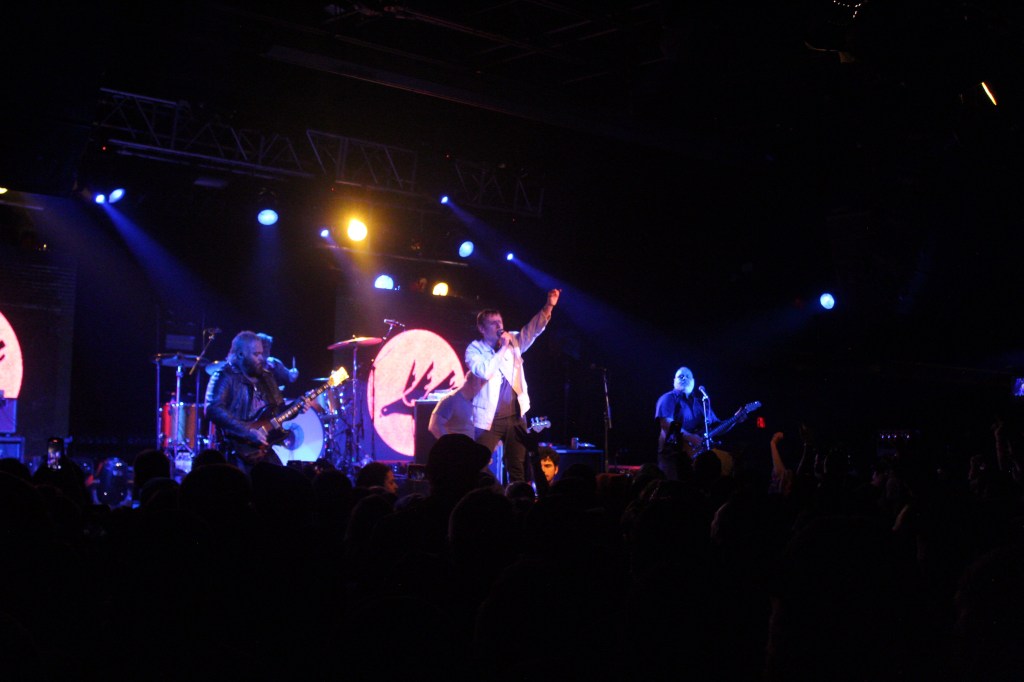
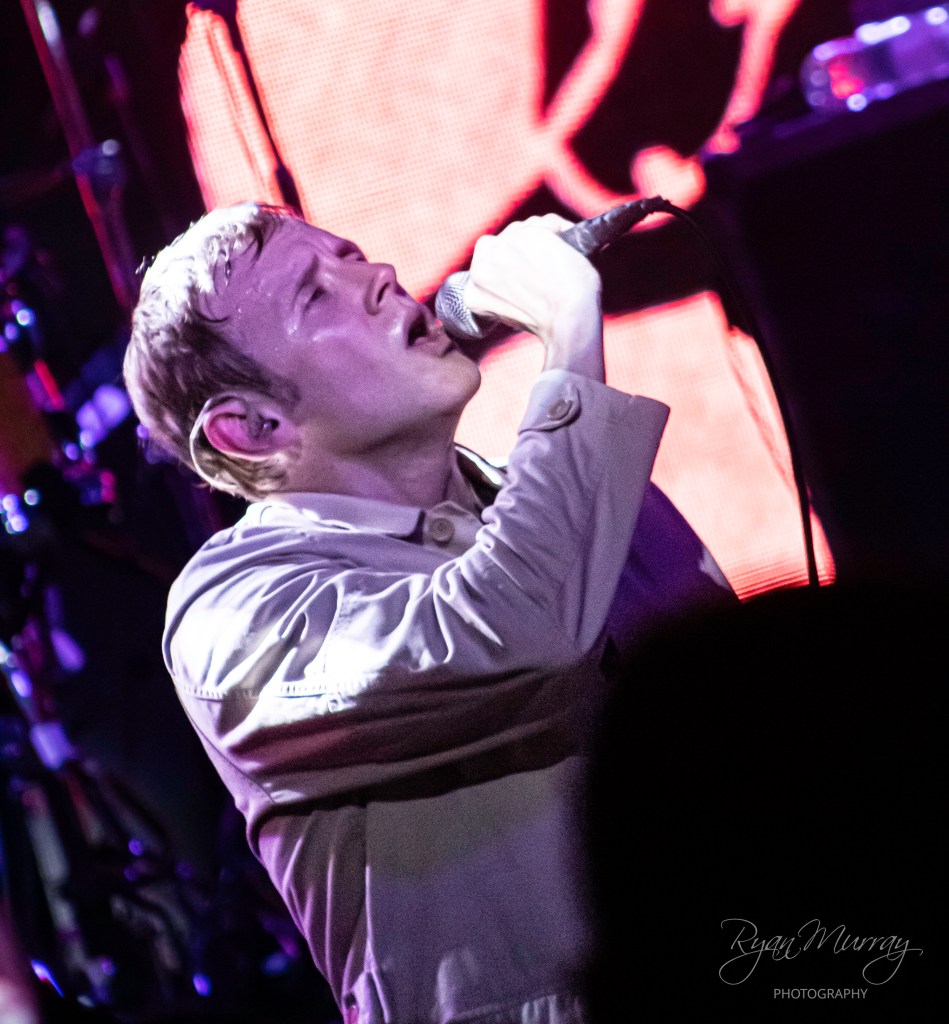
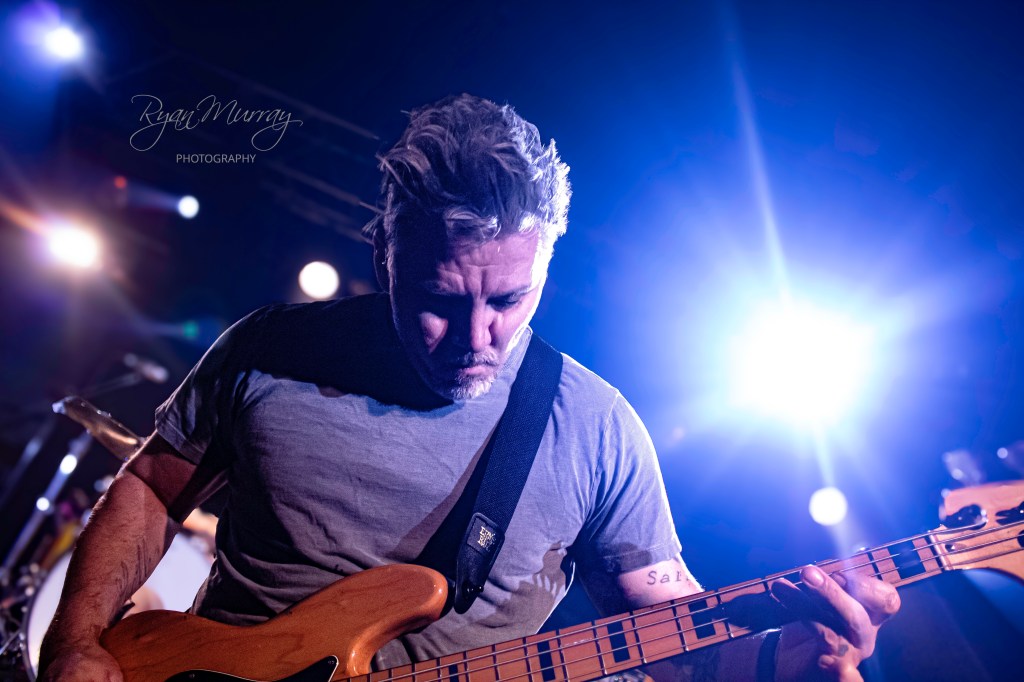
Then, the moment everyone had been waiting for. As the house lights dimmed and a video montage of Silverstein’s 25-year journey played on the massive screens, a hush of reverence fell over the crowd. The weight of the moment was undeniable—this wasn’t just another show. This was a milestone. A celebration of a band that had shaped an entire scene and stood the test of time.
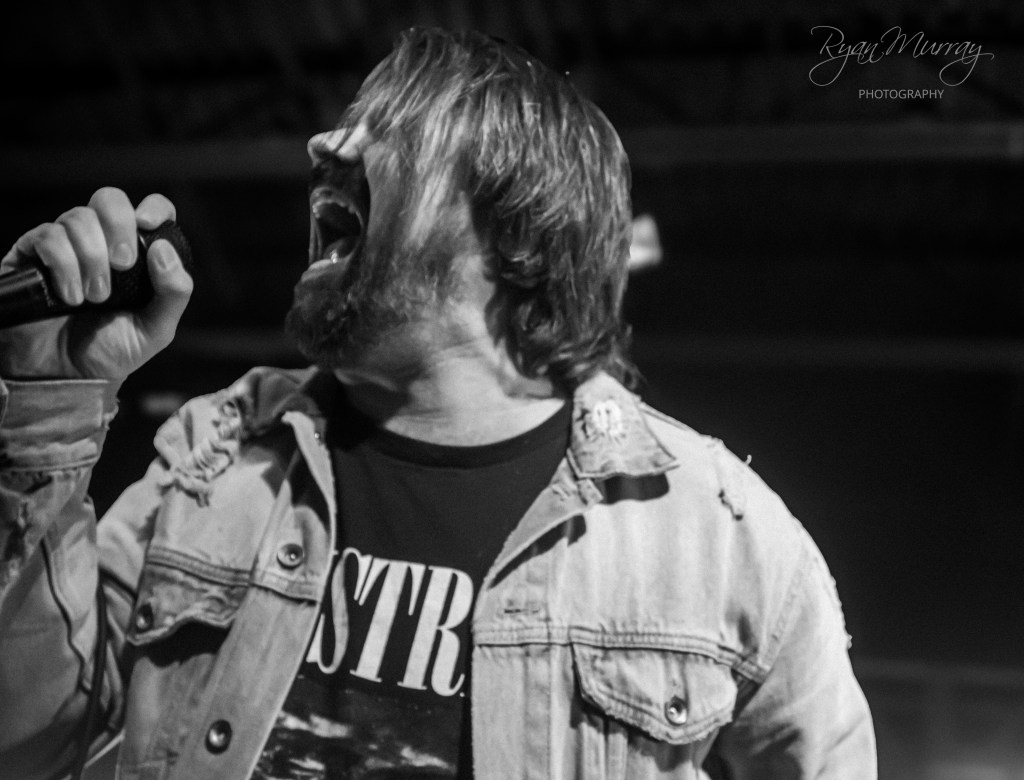
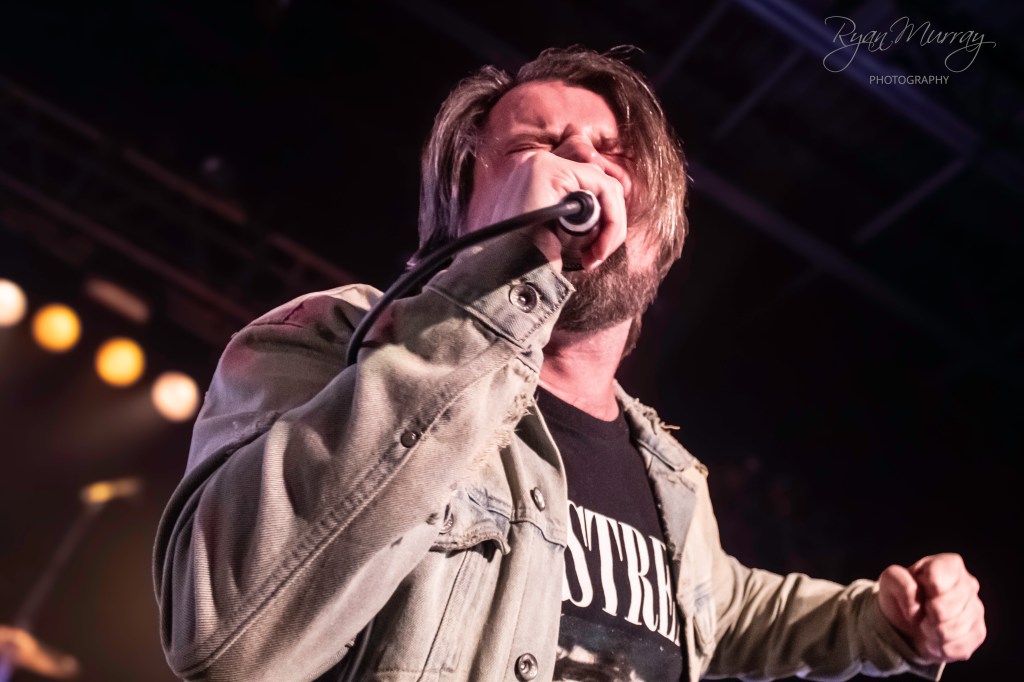
Then the band stormed the stage, and the quiet shattered. They opened with “Skin & Bones,” a fiery declaration that they weren’t here to coast on nostalgia—they were here to burn brighter than ever. The sheer energy radiating off the stage was unstoppable. Shane Told commanded the room with a presence that was both seasoned and untamed, his voice slicing through the chaos with precision.
As the band tore through the setlist, each song hit with an intensity that felt larger than life. “Confession” had the crowd in a nostalgic chokehold, while the blistering “The Altar” took things to a ferocious new level. Fans screamed their lungs out to “Infinite” and “Bad Habits,” while “The Afterglow” bathed the room in a euphoric rush. The pit was a whirlwind during “A Midwestern State of Emergency,” and the singalongs to “Massachusetts” and “Toronto (Abridged)” were deafening.
Silverstein knew how to push the crowd to their limits—tracks like “Sacrifice” and “Vices” were relentless, and by the time “The Tide Raises Every Ship” and “The End” crashed through the speakers, there wasn’t a single person standing still. But the true emotional climax came in the form of “Your Sword Versus My Dagger,” “My Disaster,” and the final gut-punch of “Call It Karma.”
Then, the encore. The lights dimmed once more, and Shane reappeared with just a guitar, launching into an intimate acoustic rendition of “My Heroine.” The room swayed, voices softer but no less passionate. But the momentary calm was obliterated as the full band returned, diving into “Smashed Into Pieces” and “Bleeds No More” with the kind of force that could level a city block.
January 12 wasn’t just a concert—it was an eruption, a testament to the endurance and impact of post-hardcore. Every band left a mark, every fan walked away changed, and Silverstein proved once again why they remain one of the genre’s most unshakable pillars.




 Ethereal Metal
Leave a comment