Ryan Murray | Co-Owner | Chief Editor | Contributor | Photographer
r.m.music84@gmail.com
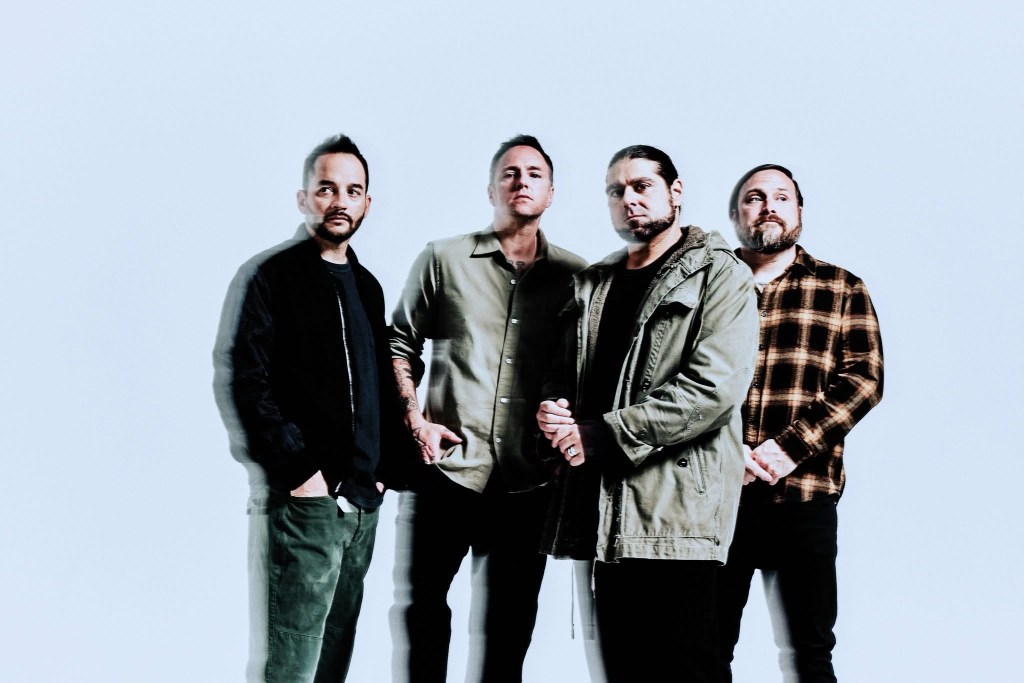
Coheed and Cambria are masters of threading grand narratives through their music, building intricate sonic landscapes where emotion and storytelling collide. With Vaxis: Act III: The Father of Make Believe, they don’t just continue their epic saga—they fracture the fourth wall, letting Claudio Sanchez step into the light as both creator and character. It’s a bold, deeply personal entry into their catalog, laced with nostalgia, existential questioning, and some of the band’s most ambitious songwriting to date. The album doesn’t just revisit the past—it interrogates it, weaves it into the present, and then sets fire to it in pursuit of the unknown.
From the moment Yesterday’s Lost begins, it’s clear this journey will be just as much about feeling as it is about spectacle. The opening piano is delicate, wistful, like watching memories slip through your fingers. Slowly, strings and synths drift in, each layer swelling until the song blooms into something overwhelming—a melody so rich it physically aches. Brass elements weave through, adding warmth and grandeur, but it’s the lyrics that cut the deepest. “But should you go before me, I’ll be right behind you.” A simple phrase, yet devastating in its honesty. It’s an opener that doesn’t just set the stage; it buries itself in your chest and stays there.
Then, like being yanked from a dream, Goodbye, Sunshine slams in—a punk/rock-infused fire starter that demands attention. Chugging guitars propel it forward, but Coheed’s signature twists are all over it, the track shapeshifting between punchy rhythms and soaring melodies. There’s a certain joyous defiance here, a refusal to let go even when the inevitable stares you down. The transition into Searching for Tomorrow keeps that momentum, but shifts into a more atmospheric space. The synth-driven opening hums like electricity before the guitars explode in, sending the track into a full-throttle sprint. It feels like a statement—one that could just as easily be about Sanchez’s own creative evolution as it could be about the heroes he writes.
The title track, The Father of Make Believe, is a beast. A hard-rock juggernaut with razor-sharp riffs and melodies that refuse to leave your head, it’s the embodiment of self-reflection wrapped in a storm of shreds. “I’m not how you remember me, I’m the vision that you chose to see / The one you can hate, or love as you need.” It’s both defiant and vulnerable, a lyric that encapsulates the album’s entire theme—wrestling with identity, legacy, and the perception of others. Coheed have always blurred the line between fiction and reality, but here, the mask is slipping, revealing something raw and deeply human beneath.
That emotional weight carries into Meri of Mercy, a track so elegantly constructed it barely needs embellishment. Sanchez’s vocals drift over delicate keys, the arrangement restrained yet brimming with feeling. When the full band enters, it doesn’t crash in—it rises, swelling into a chorus that feels like a vow. “Meri, I’m not gonna quit until I can see the end of this life with you there beside me.” It’s a love letter wrapped in grief, a way to bring his grandparents back for just a little while longer. It’s proof that Coheed doesn’t need to melt faces to devastate—they can do it with something as simple as a well-placed piano chord and a heart-wrenching lyric.
And then Blind Side Sonny rips everything apart. This track doesn’t just blindside—it obliterates. A thrash-infused cyclone of aggression and unrelenting speed, it’s unlike anything Coheedhave attempted before. The sheer intensity feels almost reckless at first, but as the album unfolds, its placement makes sense. It’s the explosion after the introspection, the moment of pure, unchecked emotion. On first listen, it might seem out of place, but by the end of the album, it’s clear—this chaos has its place in the story.
From there, Play the Poet turns up the intensity even further. The hardest riffs on the album, a relentless, high-octane energy, and a chorus that could shake an arena—it’s a shot of adrenaline that refuses to let up. It’s infectious in a way only Coheed can pull off, equal parts ferocious and melodic. That balance continues into One Last Miracle, a festival-ready anthem built for massive singalongs. It leans into the poppier side of Coheed’s sound, but never sacrifices depth for accessibility.
Then, just as things seem to stabilize, Corner My Confidence strips everything back. A mostly acoustic ballad, it’s a stunning showcase of Sanchez’s voice, proving that even without the massive arrangements, Coheed can be just as powerful. A tribute to his wife, the song radiates warmth and gratitude, a moment of stillness amidst the album’s storm. But the introspection doesn’t end there—Someone Who Can dives straight into the existential, tackling the ever-looming question of whether Sanchez is satisfied with his path. “There’s no time to look back / Straight as arrows / Head to the light at the end of the road.” There’s hesitation, resolution, and a sense of urgency woven through every note.
Then comes The Continuum, a four-part suite that takes everything The Father of Make Believe has been building and sends it hurtling into the stratosphere. Welcome to Forever, Mr. Nobody opens with a robotic voice—an immediate callback to The Afterman—before detonating into towering riffs and hooks that demand to be screamed back by an audience. The Flood follows, its lyrics dripping with both regret and defiance. “Time holds the key that unlocks the beat of my heart.” A reminder that no matter how much we try to control the narrative, time is the only true author.
Tethered Together boasts one of the most infectious melodies Coheed has ever crafted. It’s a song that consumes you, where the music and lyrics become inseparable. “We’ll all sing together. From the first verse, to the last word.” It’s an invitation and a promise, a declaration that no matter where this journey takes us, we’re in it together.
And then, finally, So It Goes. A bright, pop-rock-infused closer that bursts with life, bringing the album full circle. The symphony swells, brass, strings, and winds colliding into a final, triumphant crescendo. It’s the perfect ending—a reminder that even after all the questions, all the struggles, all the searching, the only thing left to do is move forward.
From start to finish, The Father of Make Believe is a masterwork of emotion and storytelling. Coheed and Cambria take their signature sound and push it in new directions, embracing their past while forging ahead. It’s grand, intimate, brutal, and beautiful all at once. A testament to a band that, after 30 years, still refuses to stagnate. If this album is a midlife crisis, then it’s the kind we should all be so lucky to have—one that doesn’t just dwell on the past but reshapes it into something extraordinary.
VERDICT: 4.5/5.0
 Ethereal Metal
Leave a comment