Ryan Murray | Co-Owner | Chief Editor | Contributor | Photographer
r.m.music84@gmail.com

When Epica announced a three-city North American run before heading to South America, regional fans knew this was no ordinary tour. And when one of the shows is in New York City—on a Tuesday, no less—you’d better believe the faithful will show up. From New Jersey to Boston and even Virginia, fans descended upon Irving Plaza on May 6, 2025, leaving only a few tickets between the show and a sellout.
This was no casual pitstop. This was a pilgrimage. A rare opportunity to witness one of symphonic metal’s most iconic and most influential bands in an intimate venue—one where every note reverberated off the walls and straight into the marrow. But before Epica took command, the night belonged to another force of nature.
There are openers—and then there are openers who stride onstage and seize the night like they were born to own it. Seven Spires are, without a doubt, the latter.
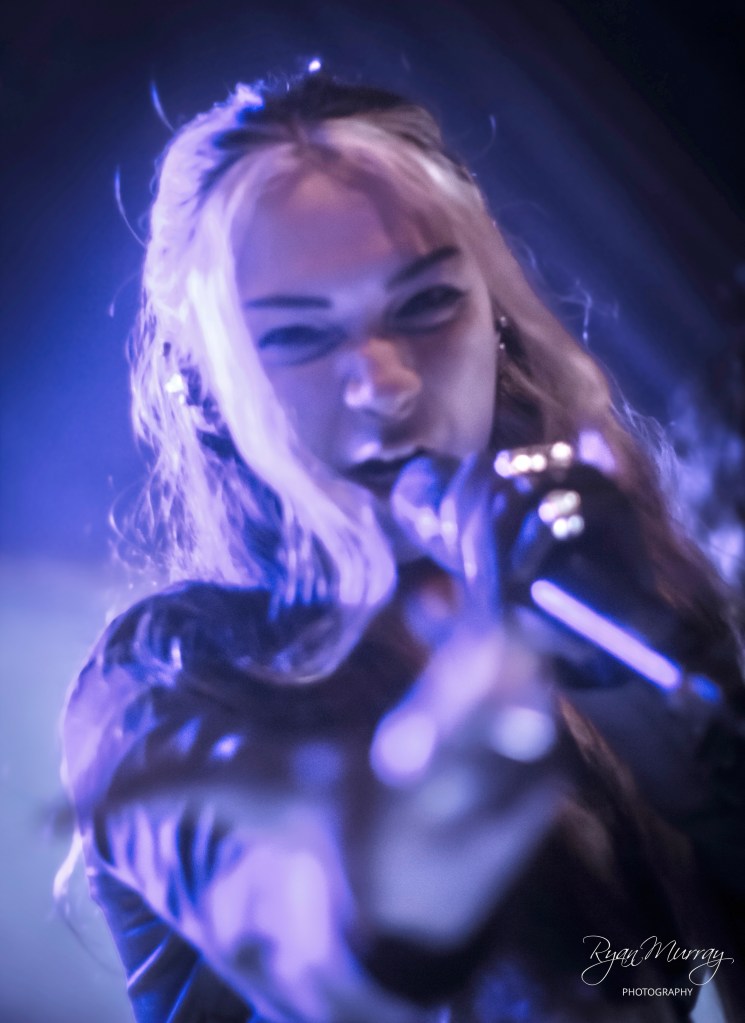
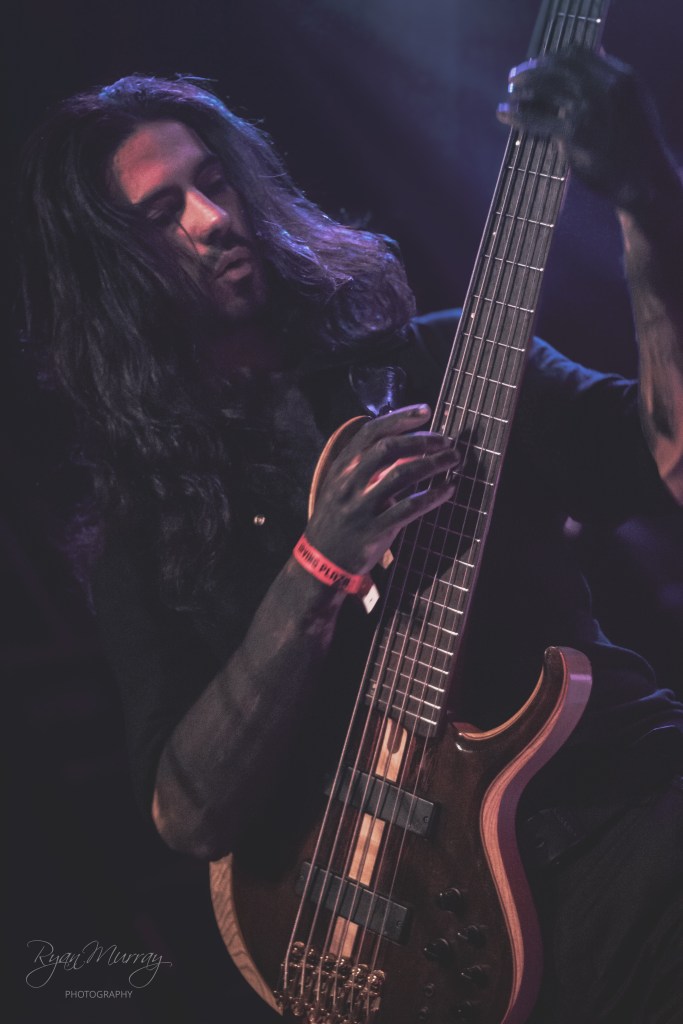
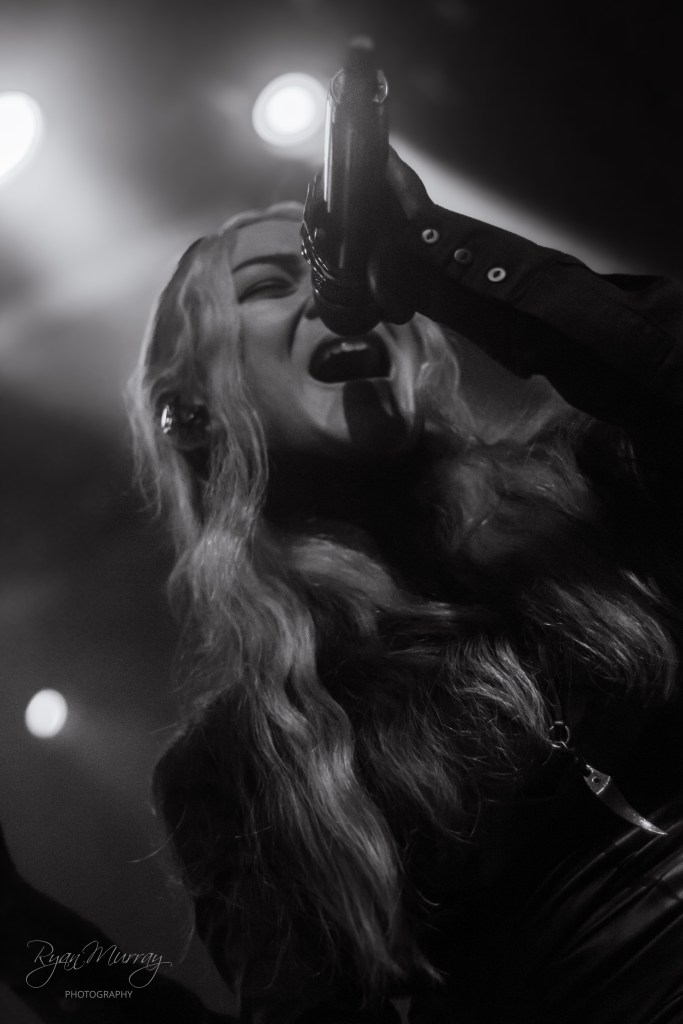
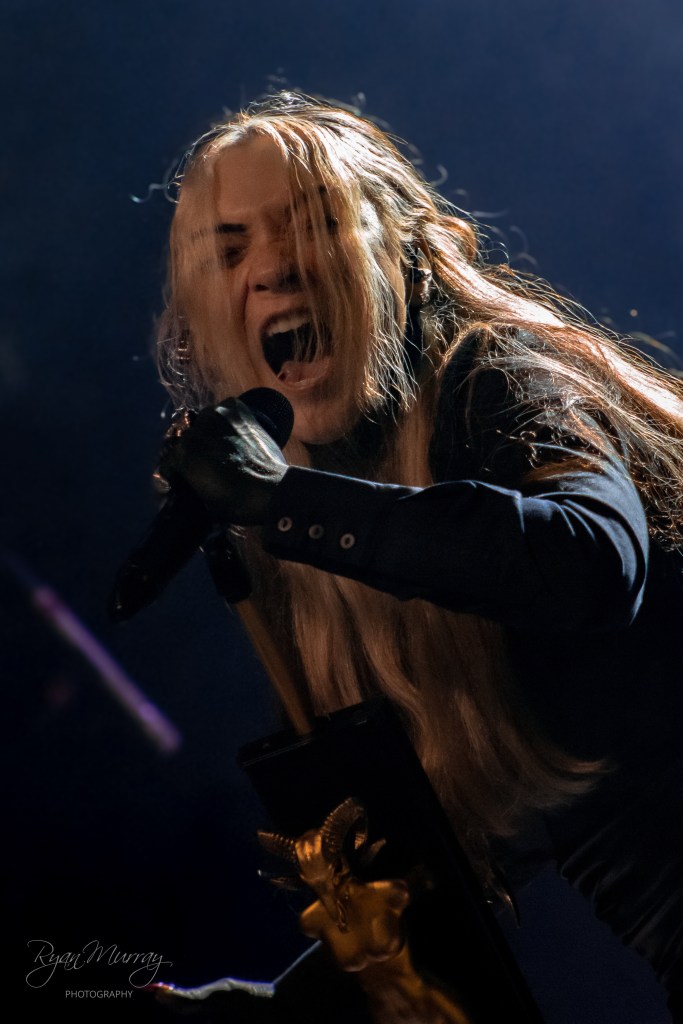
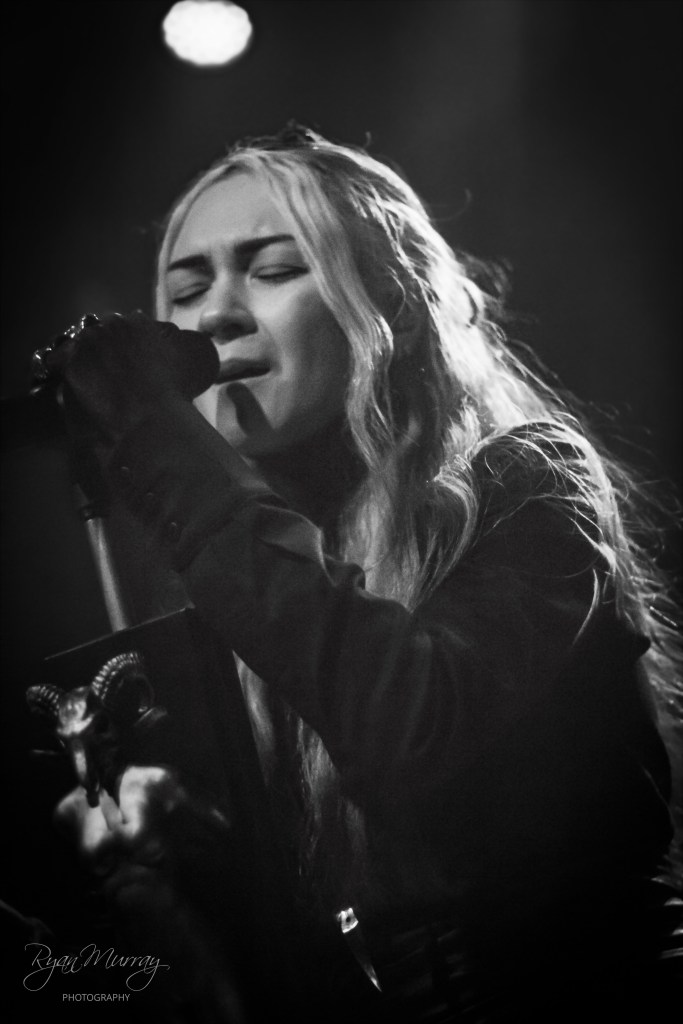
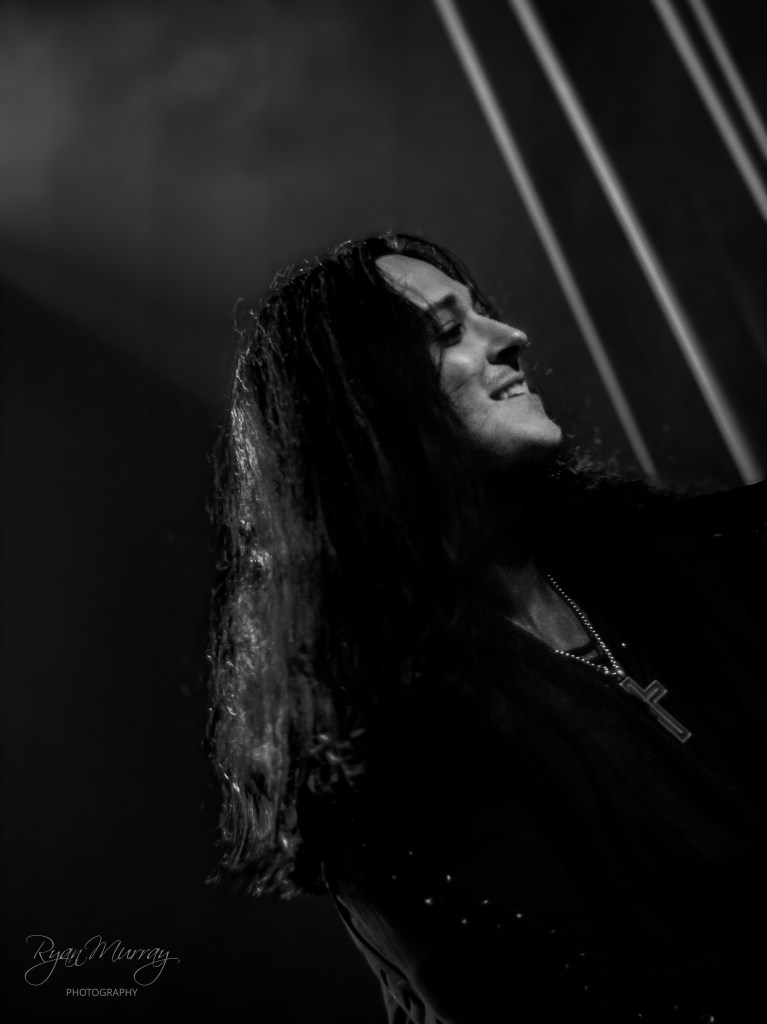
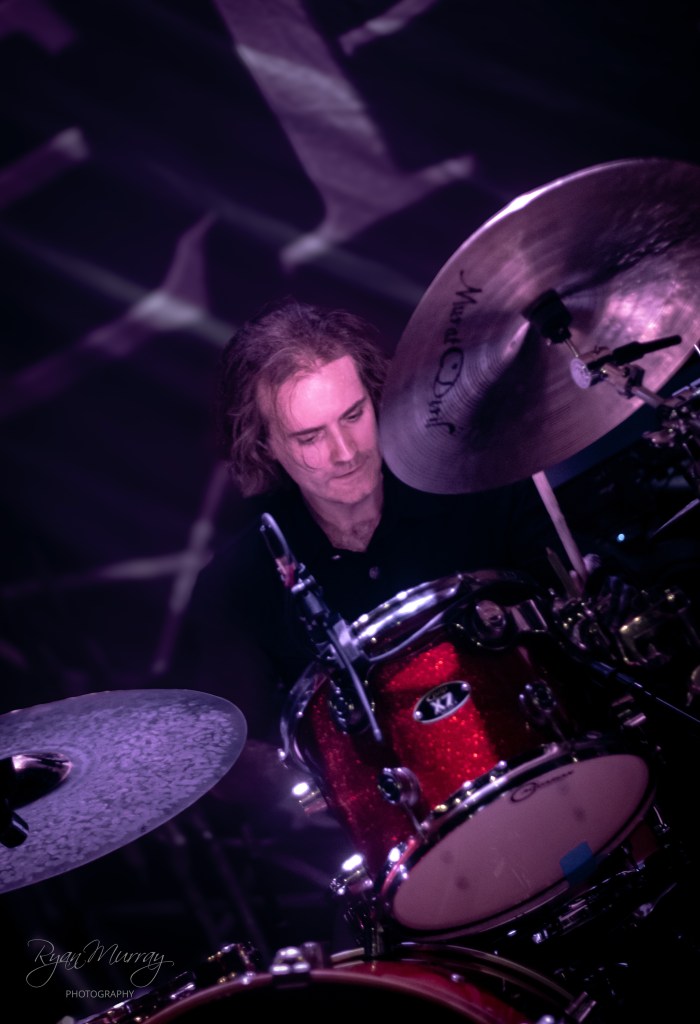
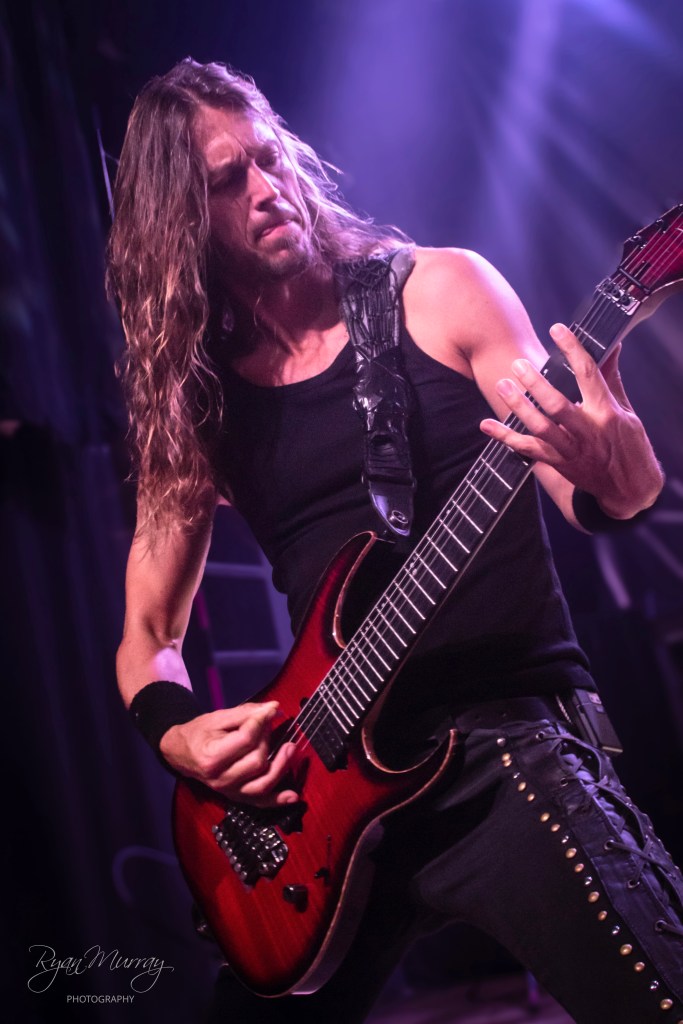
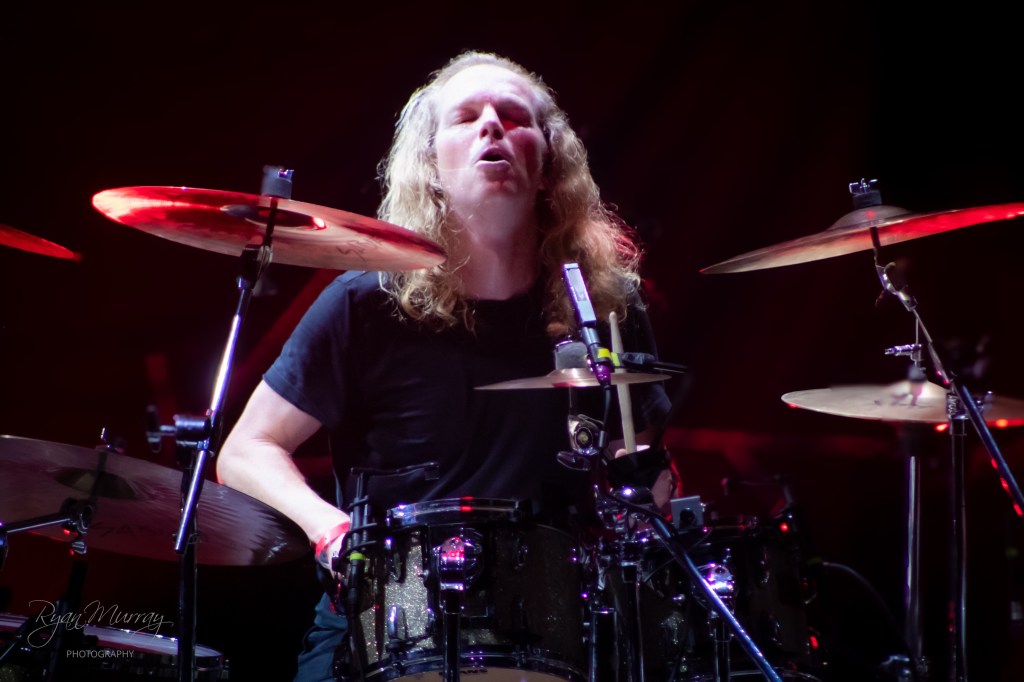
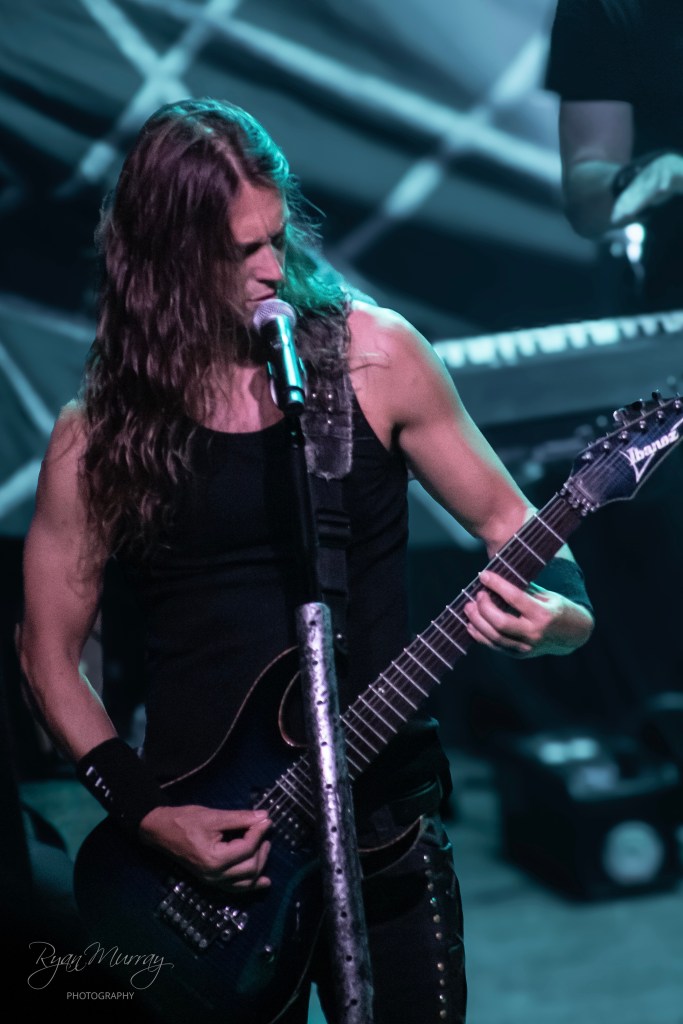
Having covered this band twice before, I knew what kind of storm was coming—but that didn’t soften the impact. From the opening moments of “Songs Upon Wine-Stained Tongues”—a track from their latest studio release, A Fortress Called Home, featuring Alessandro Conti of Twilight Force—it was immediately clear: this was not just an opening act. This was a statement. Jack Kosto’s guitars soared, the rhythm section made up of Peter de Reyna on bass and Dylan Gowan behind the kit shook the floor, and Adrienne Cowan’s voice—whether she was summoning the abyss with guttural ferocity or rising like a phoenix with crystalline cleans—was unstoppable.
There’s something uniquely devastating about Seven Spires’ sound: symphonic melancholy and theatrical grit woven into a canvas of melodic death metal. And it’s real. There’s no artifice in their artistry. Just pain, beauty, and rage—held together in harmony. “Almosttown” didn’t quiet the room—it filled it. Sweeping and symphonic, it carried a cinematic weight that showcased the band’s range and emotional depth, while “Love’s Souvenir” was heartbreak incarnate. That song deserves a tissue warning; Cowan poured every ounce of herself into it—her voice raw with grief, her expression haunted. Kosto stood nearly motionless at times, letting his guitar sing what words couldn’t. Behind them, de Reyna and Gowan held the moment with quiet intensity, crafting a rhythm section that didn’t just support the sorrow—it amplified it. They stood like guardians at the gates of grief, anchoring the emotion so it could move through the crowd without consuming them. The room fell utterly silent, suspended in that ache. What followed wasn’t just a cheer—it was reverence. It was a release that was needed by every person in that room.
With “Shadow on an Endless Sea” and “Emerald Necklace,” the band leaned into their haunting, mythic side. These weren’t just songs—they were stories, cloaked in sorrow and grandeur. That blend of guttural devastation, ghostly melodies, and neoclassical elegance hit like a gothic opera rising from the depths.
By the time “Oceans of Time” rolled in, the crowd had surrendered. Total buy-in. Fists in the air. Eyes wide. And when the closing song “Dare to Live” surged forward, it was less a finale than a declaration—a last scream of catharsis that hit every nerve.
It’s honestly criminal how underrated this band is. With their precision, raw emotion, and genre-defying vision, Seven Spires aren’t just rising stars—they’re vital. If you’re not listening to them, you’re missing something essential in modern metal. Wake. Up.






Then came Epica—and they didn’t just take the stage. They seized it.
As the lights dimmed, anticipation coiled in the room like a tightened spring. Orchestral swells poured from the speakers, each note drawing the crowd closer to the edge of eruption. And then, a flash—Simone Simons appeared like a vision bathed in red and white light, her presence commanding, ethereal. One breath, one note, and she had the entire room in her palm.
The set opened with “Design Your Universe,” the perfect invocation for a night that felt mythic from the outset. It’s a track about personal power, destiny, and the shaping of one’s path—and that’s exactly what Epica did. From the first chorus, the crowd was already singing, arms raised, reverent and wild all at once. There wasn’t a single warm-up moment; Irving Plaza became a cathedral of sound and sweat, with fans packed tightly against the barricade and the pit circling within the first few notes.
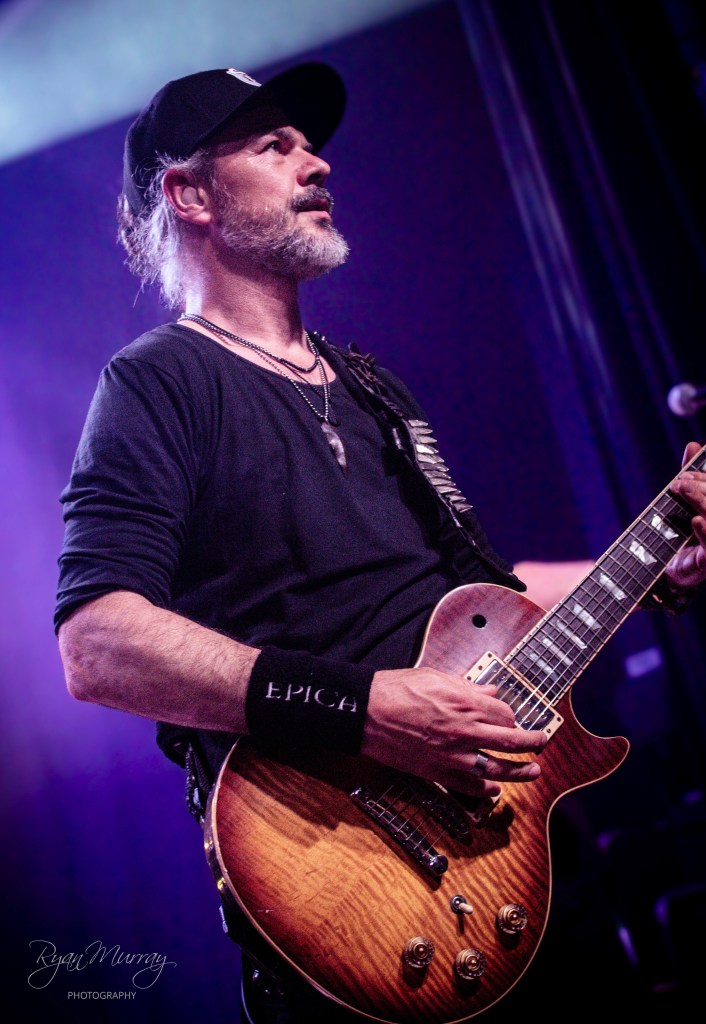
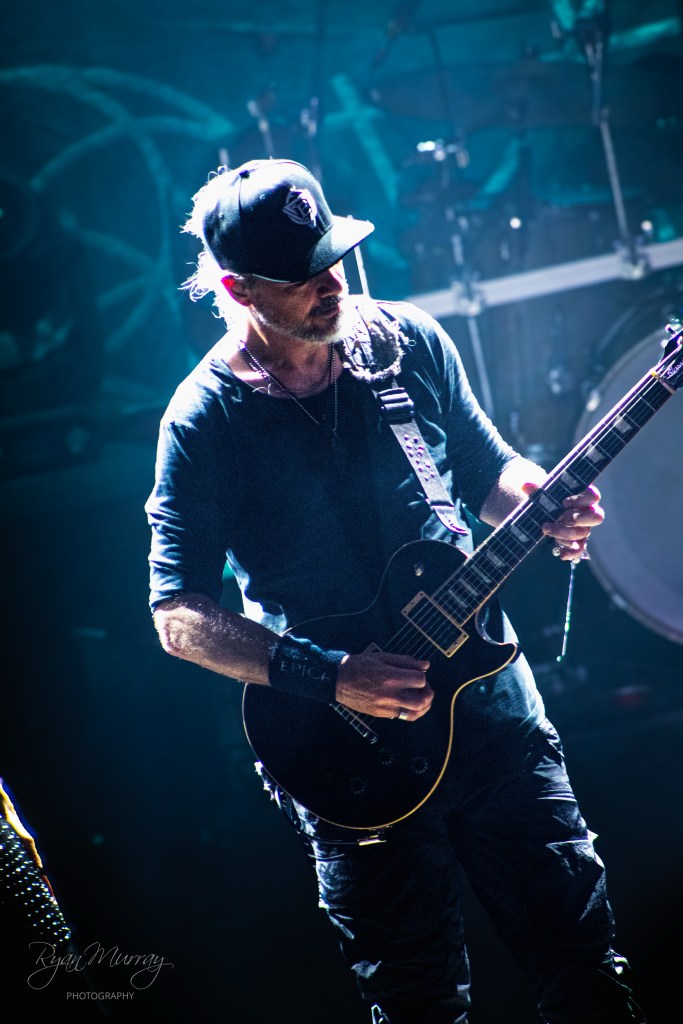
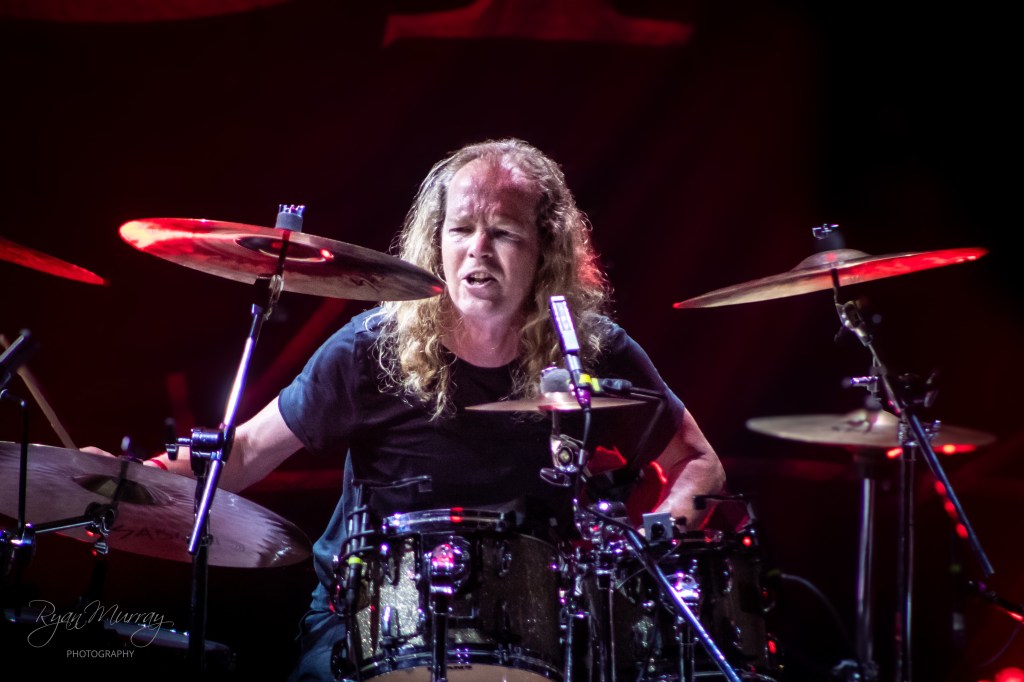
Next came “Menace of Vanity,” which tore through the air like a sharpened blade. Growls from Mark Jansen shook the walls while Coen Janssen’s keyboard theatrics danced between elegance and chaos. Isaac Delahaye’s guitar leads slashed through the melody like a warcry made flesh. Behind the kit, Ariën van Weesenbeek drove the entire experience with brutal precision, every strike of the snare like a canon blast.
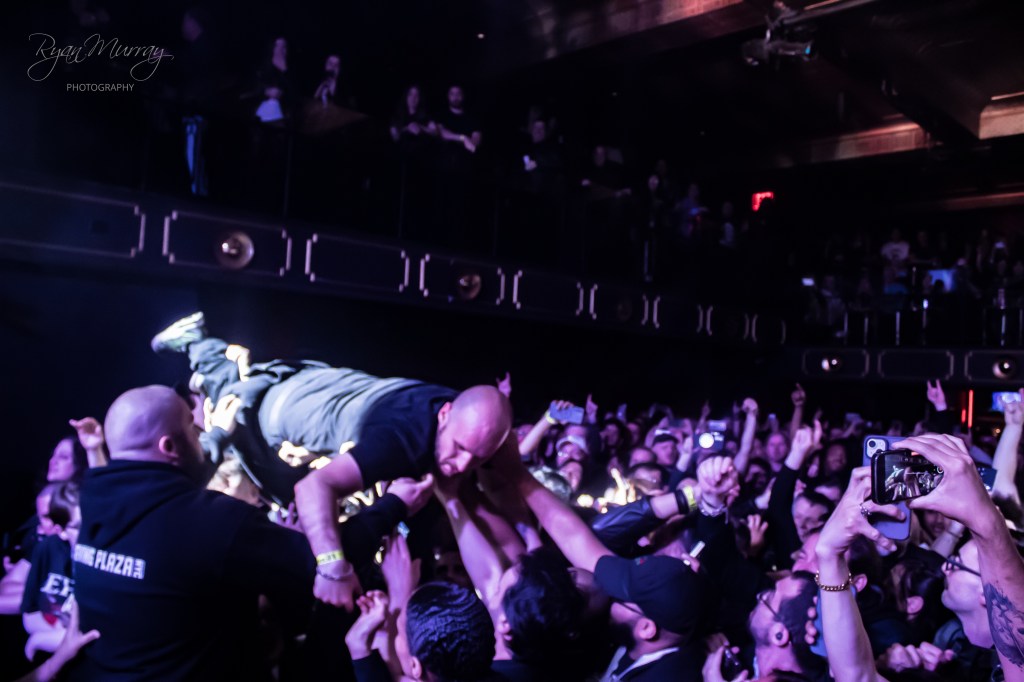
But it was track three that drew the loudest gasp from longtime fans: “The Last Crusade,” performed in full for the first time since 2019. The room erupted. For a moment, time seemed to bend backwards—this was Epica resurrecting an era, not for nostalgia’s sake, but because it still mattered. The riffs hit with renewed force, the symphonic layers even grander, and Simone’s vocals cut with both grace and grit. Bodies flying over the barricade – You could see it on fans’ faces—this was sacred.
Then came three world live premieres—a gift Epica gave to New York first.
“Cross the Divide” opened the trifecta with a cinematic sweep before plunging into metallic carnage. “T.I.M.E.” offered a moment of dreamlike reflection, laced with melancholy and wonder, only to be chased by “Fight to Survive” later in the encore—a fiery, urgent call to arms that felt like it was written for this very moment in history. There was a stunned reverence in the crowd after each one. This wasn’t just new material—it was new mythology.

“Chasing the Dragon” brought with it that creeping menace and slow-burn grandeur, its slow-blooming chaos mirrored in the tension running through the pit, with Simons’ vocals slicing through the air, holding the crowd almost in a trance. “The Skeleton Key” and “Arcana” kept the cinematic immersion high, with Simons alternating between crystal clarity and operatic rage. A massive fan favorite arrived like prophecy—timeless, enormous. Before launching in, Simone stepped forward with a glowing smile and said, “When we play this next one, I want to hear you all sing with me—at the top of your lungs….because everyone is gonna know the words to this one!”
But she didn’t need to ask. The crowd had already become the choir.
From the opening note of the show, the audience sang word-for-word, beat-for-beat. “Cry for the Moon” was simply the apex of that communal catharsis. It wasn’t a performance—it was ritual. Arms raised, voices lifted, and not a soul standing still. It felt like the roof of Irving Plaza might give way from the sheer emotional weight of it all.

The main set closed with “Aspiral” and the always-monumental “Kingdom of Heaven,” each one layering complexity upon complexity, movement upon movement. The transitions were seamless, the storytelling divine. Epica’s ability to compose these labyrinthine epics while keeping a crowd fully present in every second is unmatched.
And then—the encore.
It opened with “Fight to Survive,” another live debut that thundered with resilience, followed by the anthem-to-end-all-anthems, “Beyond the Matrix,” which turned the floor into a full-on, bouncing wave of limbs, screams, and sweaty joy.
But there was only one way this night could truly end – “Consign to Oblivion.”
If you’re a fan, you already know. You didn’t need to be told to separate. The pit split instantly, two sides staring each other down, hearts racing. The tension was electric—you could taste it. Then the downbeat hit—and chaos was unleashed. A wall of death roared forward, but even if you weren’t in it, the moment was unavoidable. It swallowed the room in adrenaline and glory.
Because Epica doesn’t just close a set. They carve their name into your memory.
Let’s not forget: this is a band that once opened for Metallica in front of 96,376 fans at Stade de France. That’s not a typo. Ninety-six thousand. And yet here they were, on a spring night in NYC, playing Irving Plaza like they had something to prove. That kind of hunger—that fire, after twenty-plus years—is what separates legends from mortals.
And on May 6, Epica proved that legends still bleed, burn, and rise.






 Ethereal Metal
Leave a comment