Ryan Murray | Co-Owner | Chief Editor | Contributor | Photographer
r.m.music84@gmail.com

On August 10, 2024, Oceans of Slumber invited 50 lucky souls to cross a boundary, to leave the ordinary behind and step into “A Passage Through the Veil – Live at Studio G Brooklyn.” This was no typical performance. Not only did the band create this intimate, limited gathering with the precision and care of a ritual, but they also invited 50 fans to witness the recording in person.
From the moment you entered the space, you could feel the weight of something profound, an unspoken promise that tonight, you wouldn’t just listen—you’d be changed. As the lights dimmed and the first note reverberated, an almost sacred silence fell, blanketing the room in reverence and anticipation. It was a hushed acknowledgment that this was more than a concert; it was a journey through the hearts and minds of the band, an invitation to experience their music stripped of artifice, raw and laid bare.
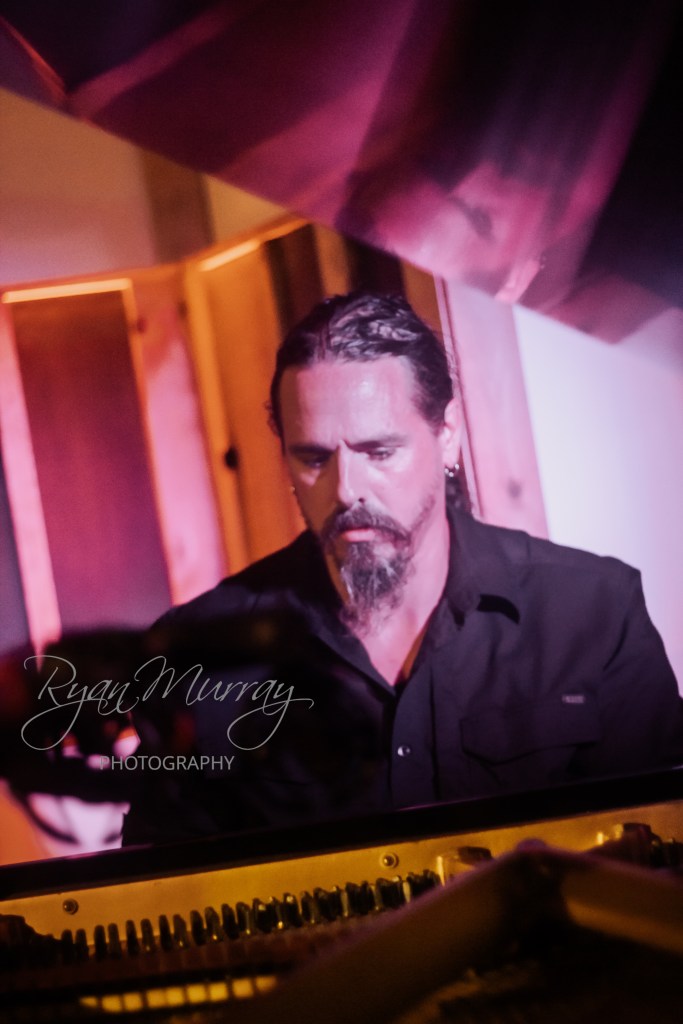
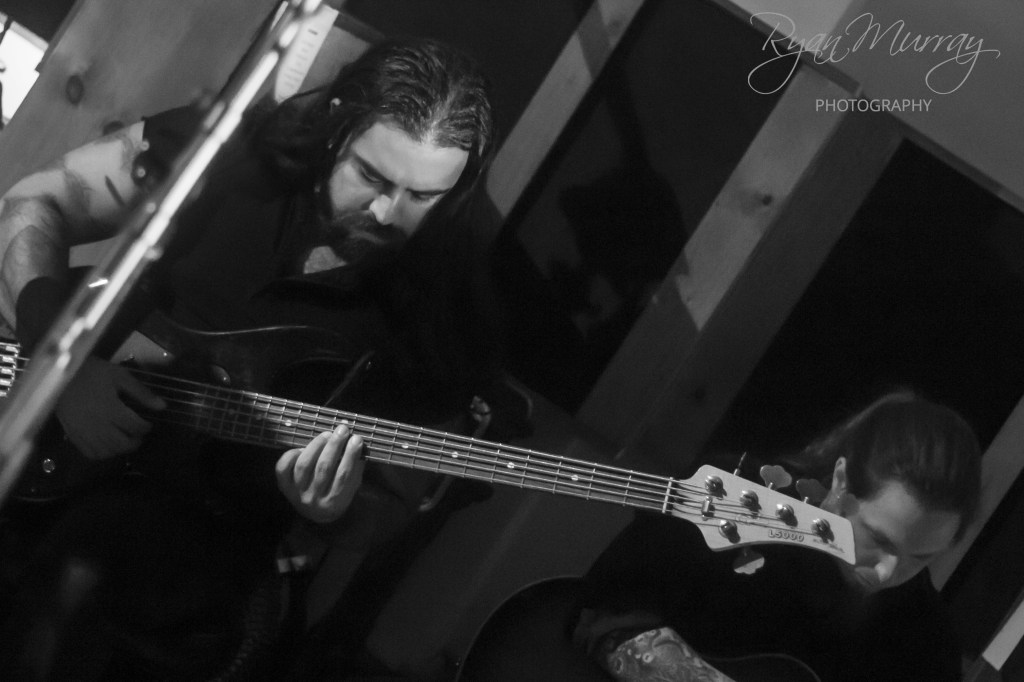
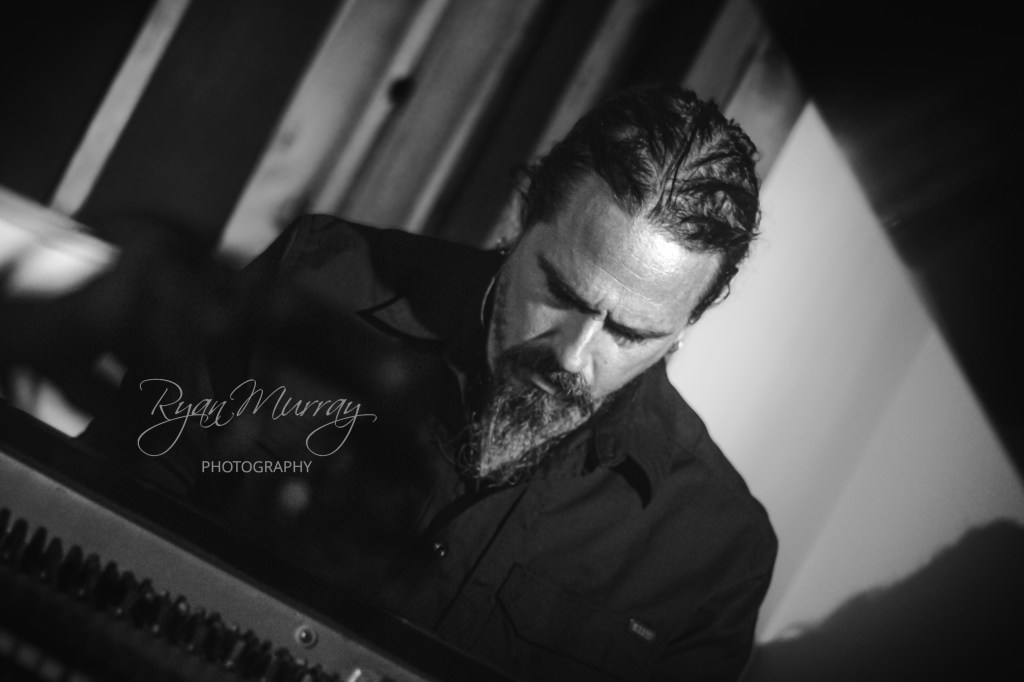
The core of the evening’s potency was Oceans of Slumber itself. At its heart stood Cammie Beverly, her voice shifting seamlessly from delicate whispers to soul-rending heights, embodying both the fragility and power woven into every song. Her husband, Dobber Beverly, seemed to channel ancient forces through the warm, resonant keys of the Bosendorfer Grand Piano, grounding each melody in an intensity that felt almost primordial. Semir Özerkan’s bass pulsed steadily, anchoring the sound in a primal rhythm that thrummed through the floor, while Alex Davis’s guitar sliced through the air with a clarity as sharp as a blade. Chris Kritikos wove between synth and guitar, adding layers of dark, atmospheric depth that enveloped the audience like mist. Together, they created an equilibrium—a force of nature, an emotional tempest bound together by their shared love for the music and the stories they told.


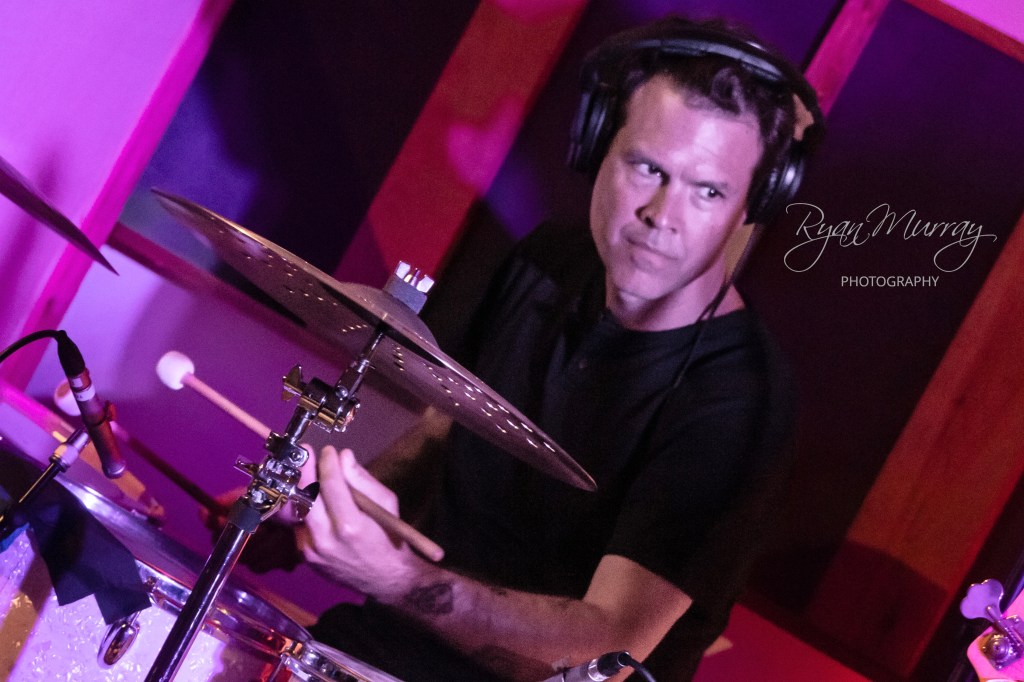
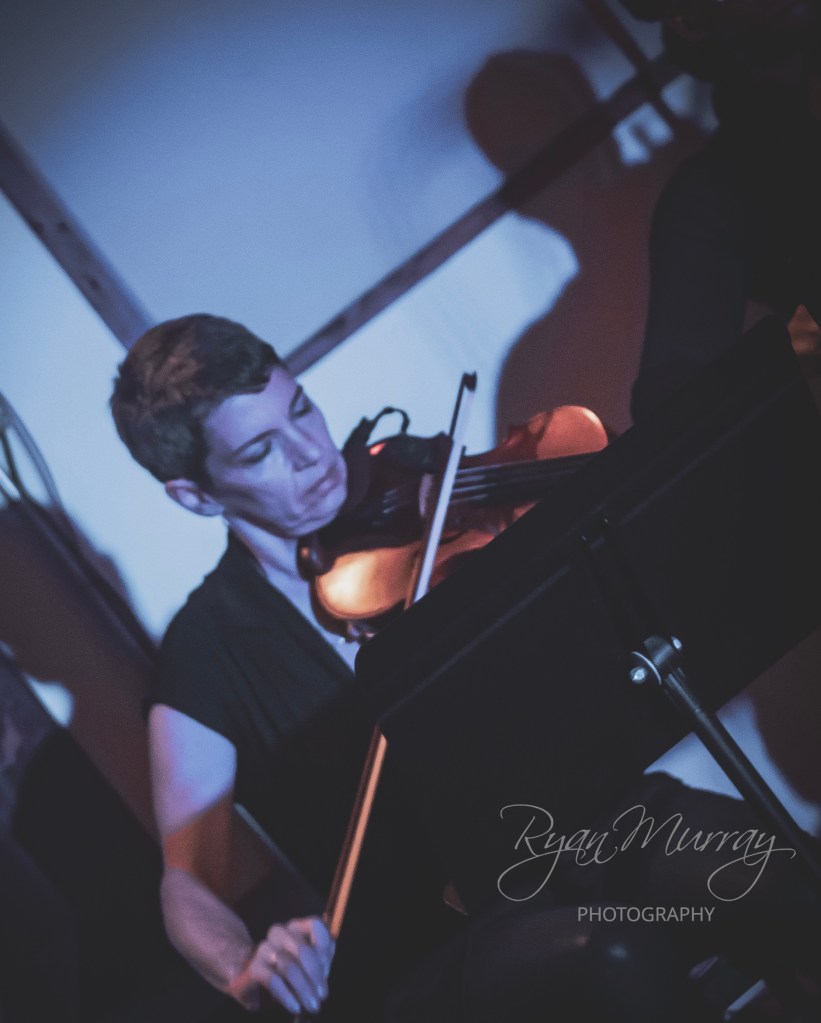
Adding to the evening’s mystique was a gathering of guest musicians who brought their own magic to the performance. Buffi Jacobs on cello, Tia Allen on viola, and Carla Khilstedt on violin infused the soundscape with aching strings, amplifying the melancholy and wonder of each song. Matthias Bossi’s subtle percussion created an almost tribal undertone, a heartbeat beneath the surface. Maurice Eggenschwiler joined Cammie on vocals for select tracks, adding a deep, soulful resonance that reverberated in the heart of each listener. Becca Walther’s backing vocals offered layers of harmony that cascaded over the music, completing a soundscape that felt like stepping into a dream—ethereal, dark, and teeming with life.
The night began with the instrumental “Good Life,” a piece that served as an invocation, summoning each listener into a space of introspection. It was more than music; it was an immersion. Its notes drifted through the air like smoke, drawing the audience into a shared emotional current. The band then launched into “Turpentine” and “The Lighthouse House,” and with each line, each haunting note, Cammie’s voice held everyone captive, as though she were singing to each individual soul. “To the Sea” followed, and its swelling ebb and flow felt like the pull of tides, dragging listeners into an ocean of sorrow, beauty, and longing.
When Maurice joined Cammie for “The Colors of Grace,” the atmosphere shifted into something otherworldly. Their voices interwove like vines, creating a scene painted in heartbreak and hope. Maurice’s grounding presence in the duet anchored Cammie’s ethereal tones, making the moment feel timeless, a haunting memory etched into the minds of those who heard it. Another instrumental, “Not Dreaming,” allowed the audience to float in reflection, a meditative pause that filled the room with an almost divine calm before the closing of the first set with “The Given Dream”—a song that ended the first chapter of the night on a note of quiet, yet profound closure.
After a brief intermission, Oceans of Slumber returned with a renewed intensity, as if crossing another veil into even darker, more introspective realms. “The Shipbuilder’s Son” opened the second act, a song thick with themes of loss, memory, and the restless search for meaning. Following it, “The Impermanence of Fate” seemed to grapple with existential weight, exploring both dread and fragile hope wrapped in haunting, hypnotic melodies. But the true soul of the evening arrived with “Lingua Socra,” a piano piece composed by Dobber. The room fell into an awed silence, each listener held spellbound by the song’s aching beauty. It felt as though time itself had stopped, as if the music had reached into something far beyond the tangible, resonating in a place that words cannot reach.
Maurice’s return for “No Color, No Light” took the evening to another dimension. The duet was a tapestry of heartbreak and resilience, each note a release, a catharsis that washed over the audience like a wave. “Just A Day” and “The Banished Heart” built on this theme, with Cammie’s voice piercing the air with an intensity that felt sacred. By the time they reached “The Banished Heart,” it was evident this was more than a showcase of talent—it was a testament to Oceans of Slumber’s honesty and grit, their willingness to confront the darkest parts of the human experience and find fragments of hope within.
The closing number, a cover of Roy Orbison’s “Crying” was the perfect end to the journey. It was a performance of raw, unshielded vulnerability that lingered in the room long after the final note had faded. For those present, it felt as though they had been part of something much larger than themselves—a communion with the timeless ache of the human spirit.
Between each song, Cammie and Dobber took moments to speak openly about the origins of their music, the grief and resilience that inspired each track. Their stories were not just explanations; they were offerings, windows into the depths from which this music was born. This candidness created an intimate bond, transforming the performance from a mere concert to a personal exchange between artist and audience. Each anecdote, each piece of vulnerability shared, acted as a key that unlocked new layers of understanding within the music.
To be in that room, to witness these songs live, was to experience something that defies easy description. Oceans of Slumber didn’t just play their music—they poured out their souls, welcoming each person there into the depths of their artistry and humanity. The authenticity and openness they displayed created an energy so charged with emotion it became almost tangible, a presence that stayed with each listener, haunting and comforting, long after the night was over.
Capturing this experience through photography was a journey in itself. Each shot froze a fleeting moment, preserving the unfiltered emotion and intensity that filled the room. To see the passion, the depth in each expression, to capture fingers moving across strings, keys, and skins was to bear witness to something rare and precious. Oceans of Slumber offered more than just music that night; they gave each member of the audience a piece of their very souls, a gift that left an indelible mark on all present.
Oceans of Slumber’s night at Studio G was, truly, a passage through the veil—an evening that transported its audience beyond the mundane and into a realm where music, emotion, and the human spirit collided. As the final echoes faded into silence, there was a shared understanding in the room: this wasn’t just a performance. It was a journey, a ceremony, and it would live on in the hearts of all who were there. In its wake, it left a reminder of the unbreakable connection between music, healing, and the boundless human soul.







 Ethereal Metal
Leave a comment