Ryan Murray | Co-Owner | Chief Editor | Contributor | Photographer
r.m.music84@gmail.com
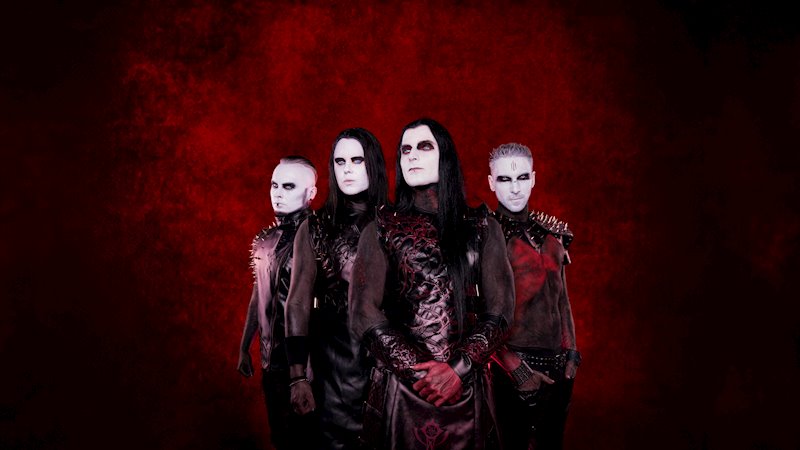
Some bands dwell in darkness, and then there’s Nachtblut—masters of turning the abyss into an art form. With their seventh studio album, Todschick, the German dark metal veterans return with a strikingly bold statement, one that doesn’t just revel in the macabre but seduces the listener into embracing it. Out February 21st via Napalm Records, this record sees Nachtblut push their signature sound into fresh territory, layering their brooding riffs and menacing growls with a heavy dose of synthwave nostalgia. The result? A devilishly infectious, genre-bending album that solidifies their place as one of the most innovative forces in dark metal today.
From the moment the album kicks off with Von Hass Getrieben, it’s clear that Nachtblut are here to make a statement. The track opens with a haunting choir and swelling strings, adding an unexpected beauty before the full force of the song erupts. The energy surges forward with relentless momentum, fueled by pummeling drums and Askeroth’s venomous vocals. The lyrics, “Nur Dunkelheit ist uns geblieben / Wir sind von Hass, von Hass getrieben” (Only darkness remains for us / We are driven by hate, by hate), set the stage for an album drenched in rage, nihilism, and brutal honesty. There’s no mistaking the intensity from the start, and it carries seamlessly into the title track, Todschick. Here, Nachtblut shows off their theatrical flair, blending ominous synth melodies with a groove-laden metal attack. The chorus is hypnotic, and Askeroth’s delivery carries an eerie elegance: “Denn heute sind wir todschick / Todschick” (Because today, we are dead chic / Dead chic). It’s a song that could easily fill a gothic nightclub just as much as it could incite a headbanging frenzy at a festival.
This blend of darkness and danceability continues into Nachtgeweiht (“Consecrated by Night”), a track that feels almost ritualistic. The solemn riffs and Askeroth’s haunting vocals create an air of inevitability, making the listener feel as if they’re slowly being drawn into a dark ceremony. Adding to its hypnotic pull, the strings here are some of the catchiest on the entire album, weaving through the track with an infectious melody that lingers long after the song ends. From there, the album takes a turn toward a social critique with Das Leben der Anderen, which examines the envy and discontent driven by social media. The tempo pulls back slightly, but the track still crashes with precision and power. Its pounding rhythms and guttural roars contrast with a hauntingly melodic chorus, and the lines, “Alle anderen Reisen um die Welt, nur ich nicht” (Everyone else travels the world, except me), perfectly capture the bitter dissatisfaction of the digital age.
Following that, Götterstille (“Gods’ Silence”) unleashes an absolute onslaught. There’s nothing restrained about this track—it’s a relentless, bone-crushing assault that feels like the heavens collapsing under the weight of sheer force. The drumming is unrelenting, the riffs carve through like a storm, and Askeroth’s vocals are delivered with an almost prophetic fury. Layered throughout, the choir and swelling strings elevate the track’s intensity, adding a sense of apocalyptic grandeur that makes the chaos feel even more immense. It’s a track that offers no reprieve, dragging the listener into a maelstrom of sound that refuses to let go.
The eerie serenity of that storm lingers, adding depth to the narrative before the album shifts back into devastation with Kinder des Zorns. This track is pure destruction, balancing moments of eerie stillness with violent outbursts of aggression. The riffing is heavy, the drumming intense, and Askeroth’s vocals are delivered with a ferocity that feels utterly possessed. It’s a brutal showcase of Nachtblut’s power.
As the album nears its conclusion, Stirb Langsam seems to offer a moment of dark humor, but beneath the surface, it’s a biting commentary on addiction and self-destruction. It exposes the various ways people seek to escape reality, whether through excess, intoxication, or losing themselves in fleeting pleasure. With lines like “Jetzt, wo ihr alle hackedicht seid, können wir es auch zugeben / Ganz langsam euch zu töten, ist das, wonach wir streben” (Now that you’re all wasted, we can admit it / Slowly killing you is what we strive for), the track becomes a reflection of how indulgence and ruin often go hand in hand. This shift in tone makes it all the more haunting, as Nachtblut never shy away from confronting the darkness in their own world.
Finally, we reach the album’s epic finale with Schneller als der Tod, a track that defies expectations and cements Todschick as a journey unlike any other. This song closes the album with an unexpected blend of Western-tinged melodies and anthemic metal riffs, feeling like a dramatic showdown in a post-apocalyptic wasteland. The haunting chorus builds tension, bringing the album to a cinematic close that leaves the listener with a sense of awe.
With Todschick, Nachtblut prove that darkness is more than just a mood—it’s an entire world waiting to be explored. Whether they’re diving into synth-driven melancholy, delivering punishing blackened riffs, or experimenting with unexpected genre influences, they do it all with a confidence and creativity that sets them apart. This isn’t just their most ambitious album—it’s arguably their best. Fans of dark metal, gothic industrial, and even those with a taste for cinematic storytelling in music will find plenty to sink their teeth into. Todschick is both a celebration of death and a rebellion against the mundane, an album that demands to be played loud, felt deeply, and, most importantly, lived.
Nachtblut have delivered a masterpiece—one that makes the darkness feel not just inviting, but downright irresistible.
VERDICT: 4.5/5.0

 Ethereal Metal
Leave a comment