Ryan Murray | Co-Owner | Chief Editor | Contributor | Photographer
r.m.music84@gmail.com
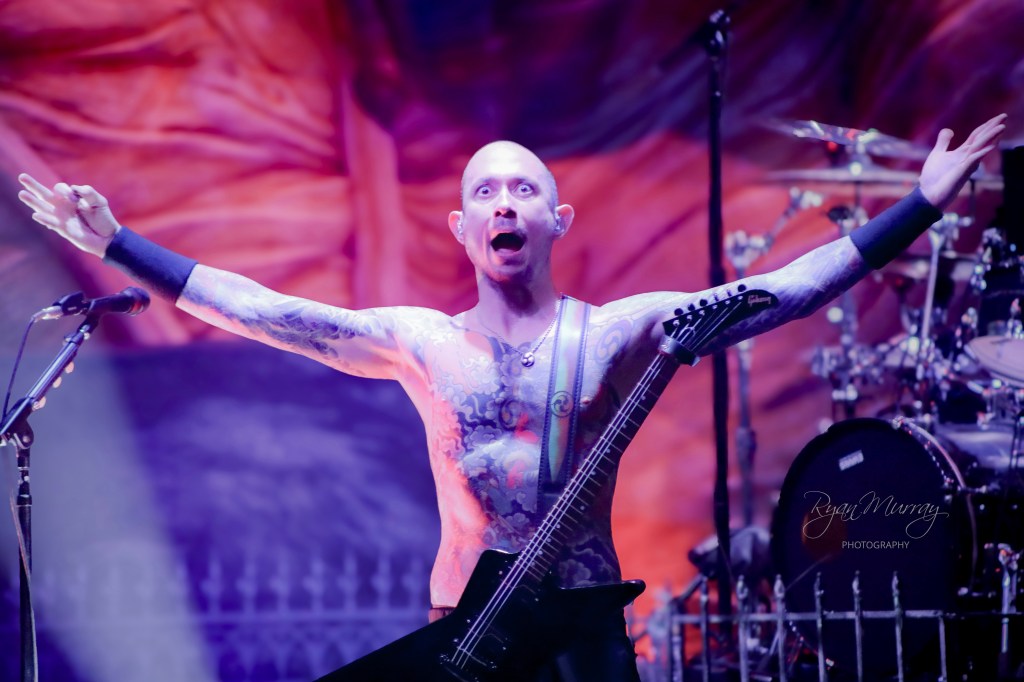
The Wellmont was already buzzing before the first note struck, the packed floor pressing against the barricade like a living thing, bodies swaying with anticipation. From the photo pit, you could see it all — the nervous energy, the gleam in fans’ eyes, the quiet murmurs before a roar — and then the lights cut, the air thickened, and the promise of chaos became reality. This was not just another night of metal; it was a collision of four distinct forces, Heriot, Jinjer, Trivium, and a crowd that had no idea how violently alive it was about to become. The stage was set, the air electric, and the Wellmont was moments away from erupting.
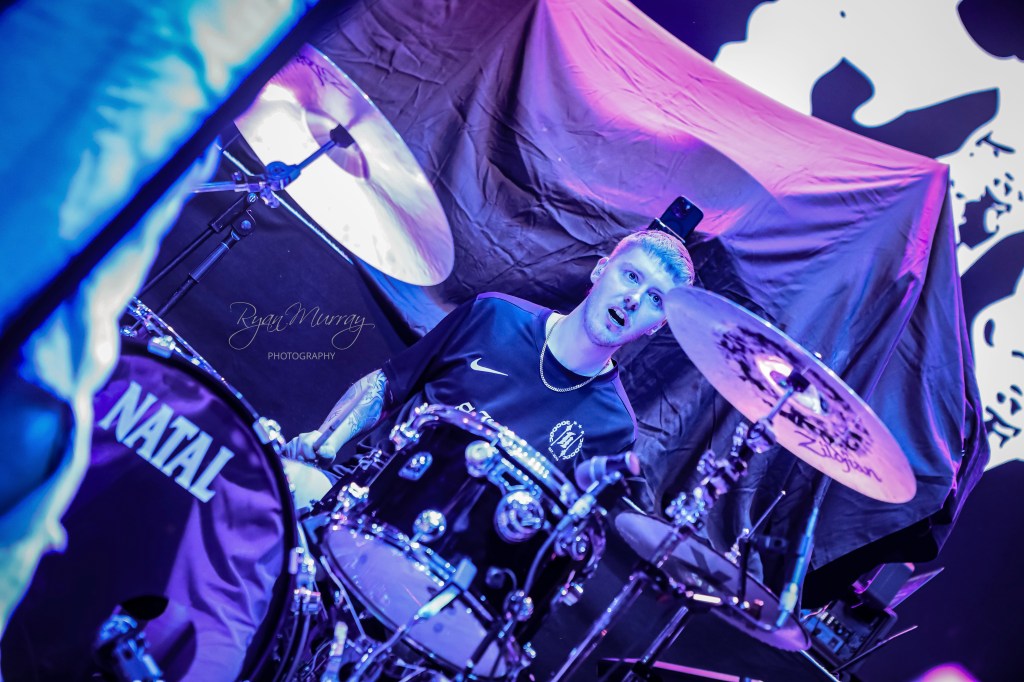
Even from inside the photo pit, that narrow trench between the barricade and the stage where sound hits you before your brain can brace for it, you could feel something different the moment Heriot stepped out. Debbie Gough, lit in stark white from overhead, did not ease into the performance; she lunged into it. When they detonated into “Foul Void,” the roar she unleashed did not just fill the Wellmont, it claimed it. Behind her, Jake Packer, Erhan Alman, and Julian Gage locked together like a single organism built for devastation. Their chemistry was instantaneous and suffocating, the kind that feels less like musicians playing together and more like a living machine powering up to full strength.
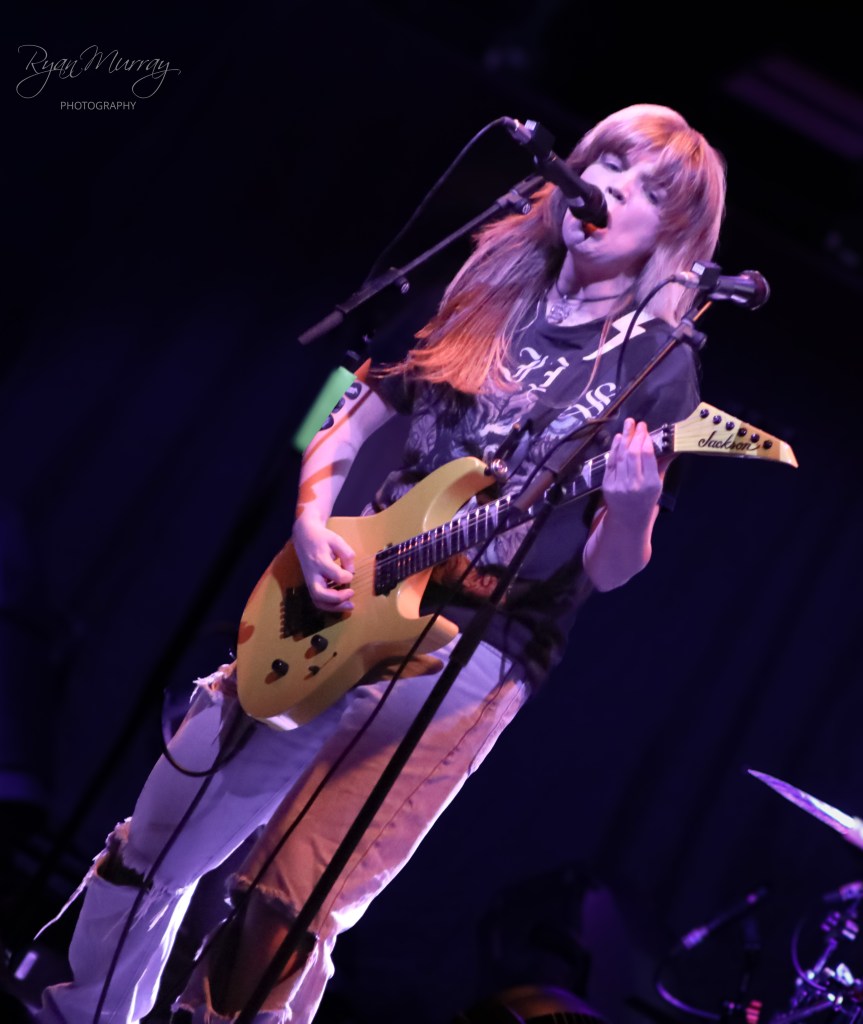
What set Heriot apart was not just the heaviness — plenty of bands are heavy. It was the way Debbie prowled the edge of the stage as if daring the packed room to hold her stare. Her presence was magnetic, fearless, and almost ritualistic, like she was conducting the chaos that waited in the crowd. Tracks like “Demure” and “Commander at Bay” only sharpened that effect. Jake answered with his own animalistic energy, stomping across his section of the stage, veins bulging as he poured himself into every vocal line. Erhan’s guitar tone whipped outward in waves thick enough to make the barricade vibrate, while Julian hammered the kit with the precision and velocity of someone drumming to summon something ancient and furious.
“Mourn” hit like a collapse of gravity, and you could see the crowd responding physically, shoulders tightening, eyes widening. Even people who clearly walked in only knowing the name were suddenly leaning forward, phones up, jaws tight, eyes locked on the stage. Heriot did not just win the room, they dominated it. They played like a band who had no intention of staying in the “opener” slot much longer, and every person pressed into that sold-out Wellmont floor felt the shift happening in real time.
By the time they reached “At the Fortress Gate,” their closing strike, the air in front of the stage had changed. You could see it from the pit: strangers exchanging looks of “holy shit, who are they?” The floor moved differently, tighter, hotter, more alert. That is what happens when an opening band does not just warm up a crowd but awakens it.


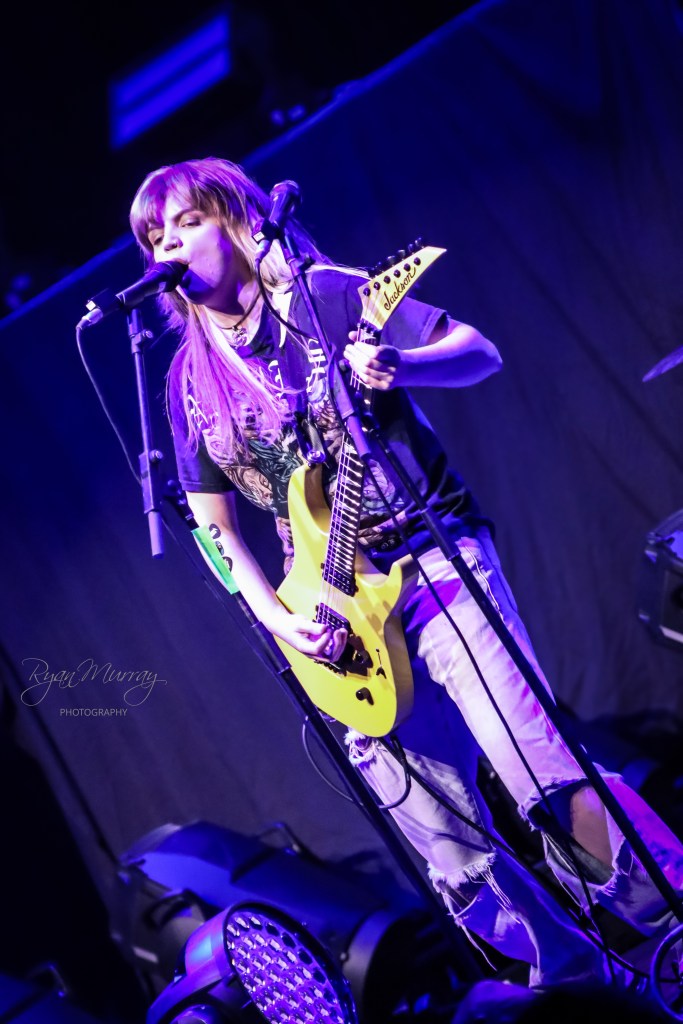

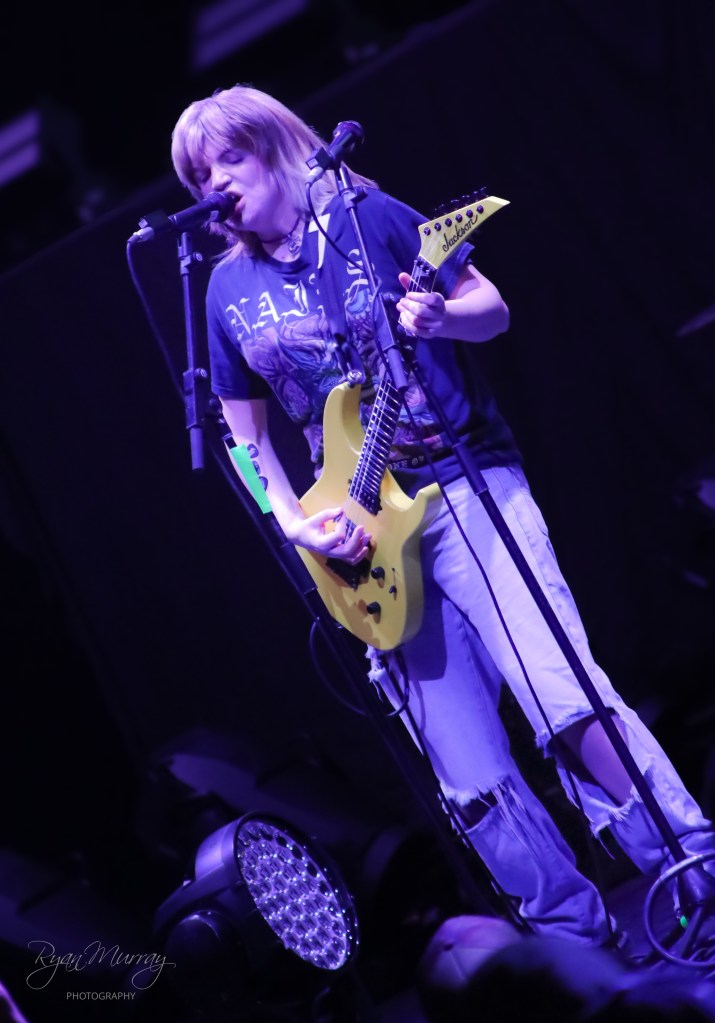
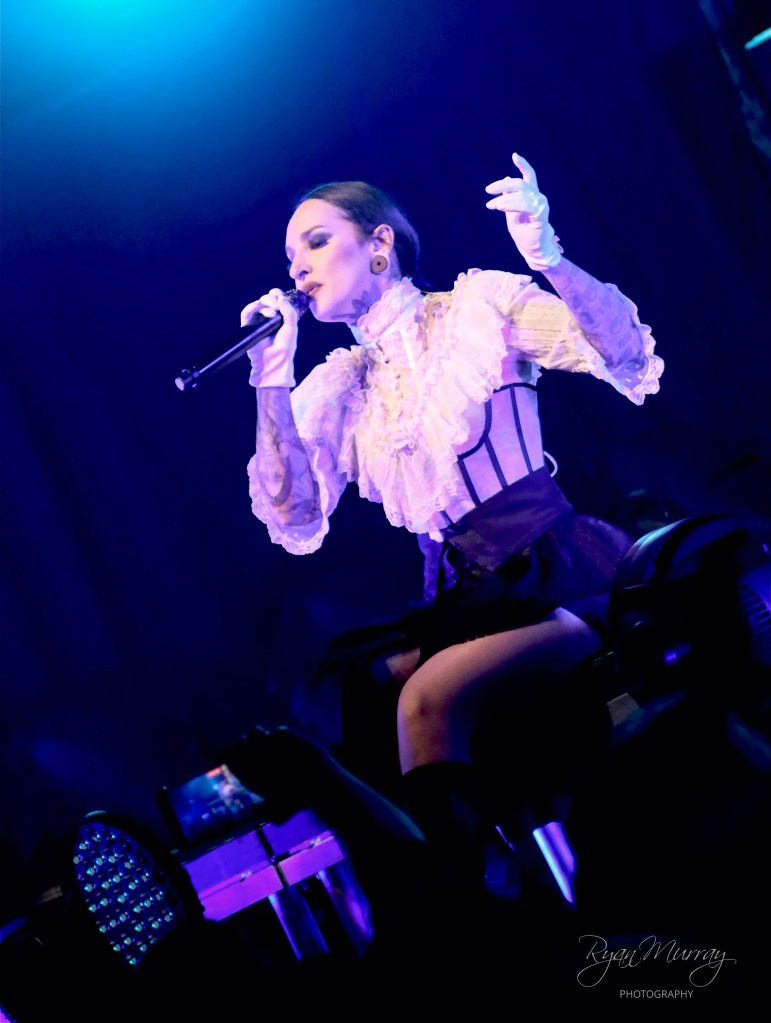
Then the lights dipped, the room tightened, and Jinjer walked out with the calm confidence of a band who knows exactly how explosive they are. In that split second before they hit their first note, you could feel the air thicken. And when Tatiana Shmayluk stepped forward, the crowd roared like a wave hitting a seawall as they ripped into “Duel.”

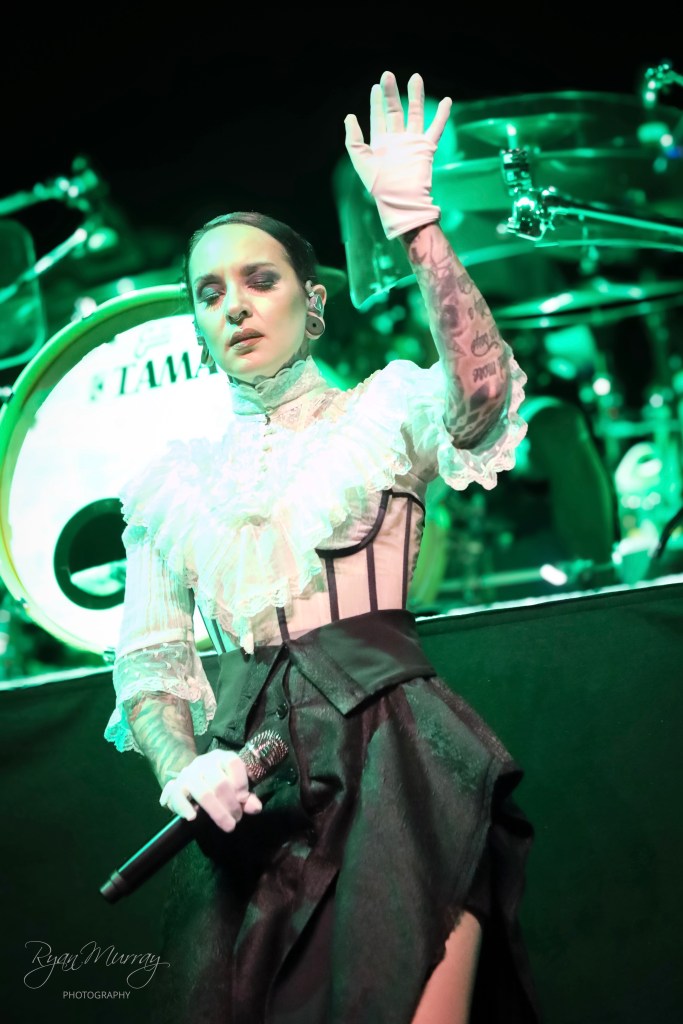
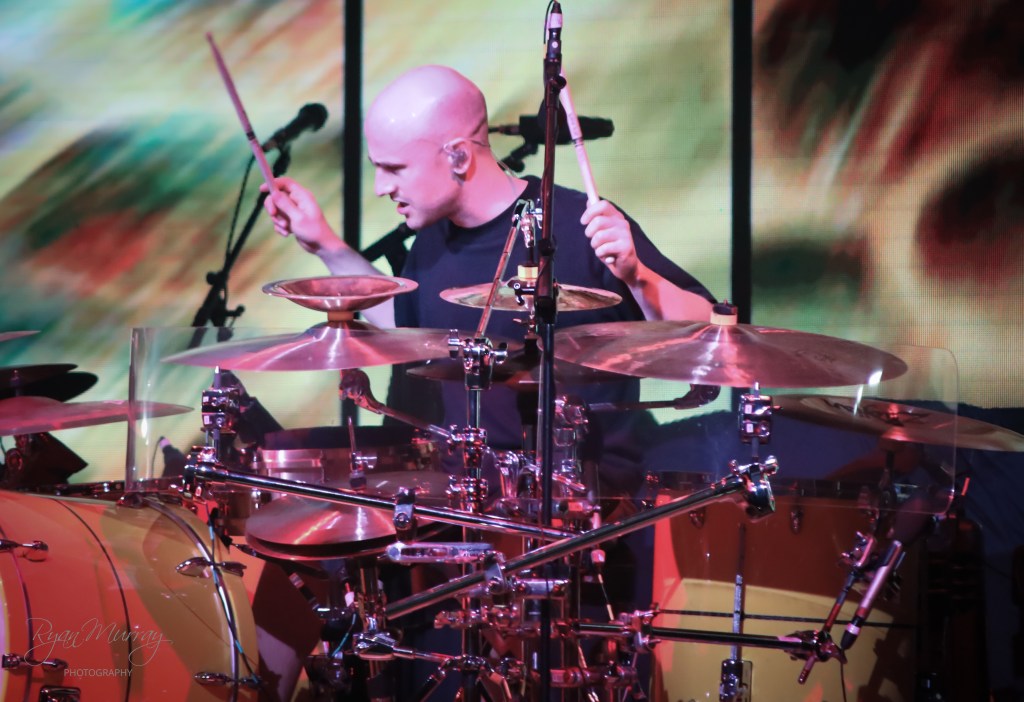
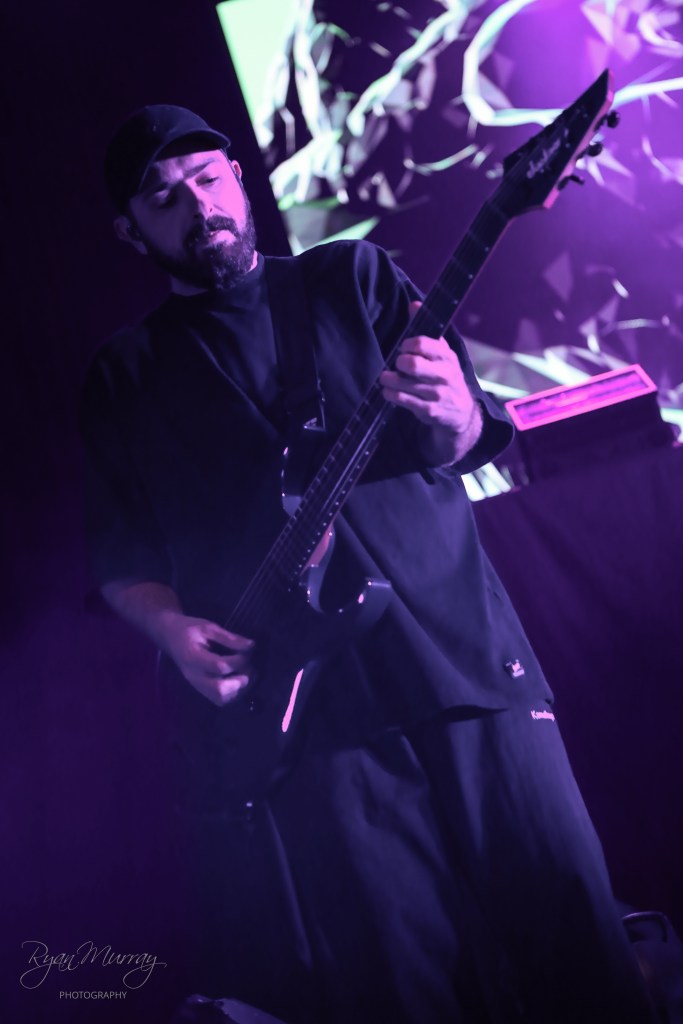
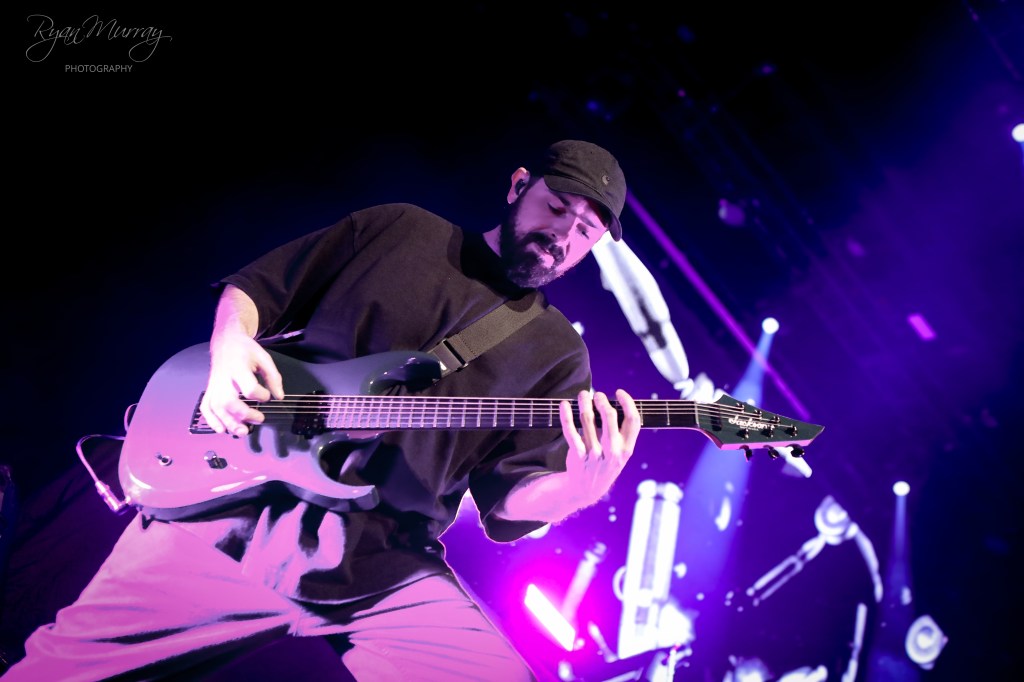
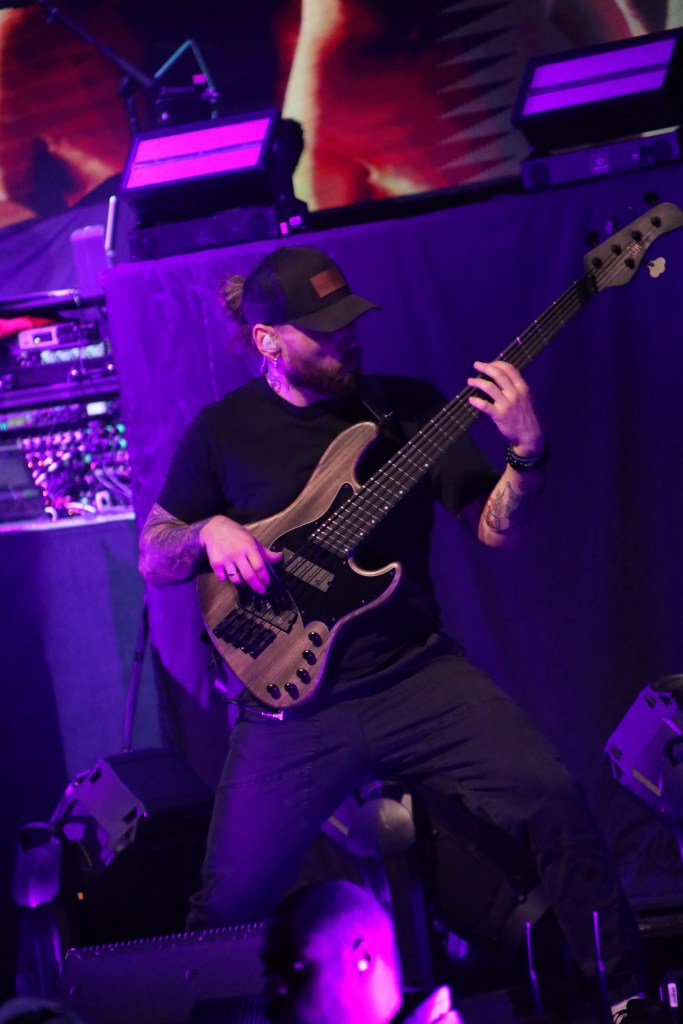
From the pit, you see things you do not catch from the floor: the smirk Tatiana gives just before she switches into that subterranean growl; the way Roman Ibramkhalilov plants his feet right before launching into those angular riffs; the way Eugene Abdukhanov leans into the downbeats like he is trying to crack the stage open; the calm, terrifying precision of Vladi Ulasevich as he spins Jinjer’s rhythmic tornado from behind the kit. With “Green Serpent” and “Fast Draw,” that tornado only got stronger, erupting further during “Hedonist” and “Teacher, Teacher!”
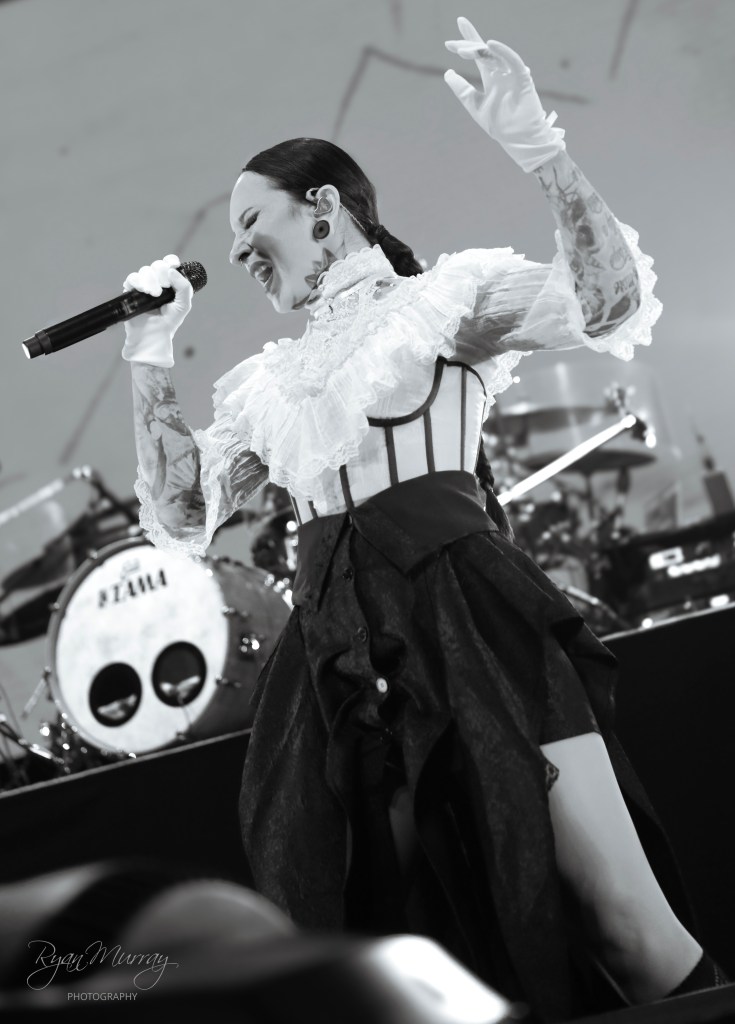
Jinjer’s chemistry is outrageous live. There is no ego on that stage, just four musicians orbiting the same chaotic energy core. Tatiana controlled the room with surgical precision, able to silence a thousand fans with a single lifted hand, then whip them into a frenzy with a flick of her hair. She stalked the lip of the stage like she owned the lease on it, dropping into low stances, leaning into the crowd, locking eyes with fans until they screamed like she had just pulled them into the spotlight. “Perennial” and “Rogue” only highlighted her dynamic mastery, alternating melodic calm with sudden growls that sent the packed Wellmont into frenzy.
Roman and Eugene played with the locked-in intensity of two musicians reading the same telepathic script. Their movements were sharp, almost choreographed, but never forced. Eugene’s bass lines were an earthquake rolling under the audience, and Roman’s riffs sliced clean through the mix like they were made of glass and fire. Behind them, Vladi was an absolute machine, not robotic, not cold, but terrifyingly precise. Every fill landed like a meteor strike. Every kick drum hit felt like it was aimed at your chest.

What truly set Jinjer apart, though, was the way they bent the entire room to their emotional will. Tatiana didn’t just sing to the crowd; she commanded them, shifting effortlessly from snarling ferocity to haunting melody and back again. You could see fans in the barricade gripping the rail, utterly transfixed, waiting for the next twist in her voice. She paced the stage with the swagger of someone who knew every eye was locked on her, dropping low into a growl, then rising into the lights like a force of nature. Roman and Eugene flanked her with equal intensity, firing off riffs and bass lines like they were igniting charges under the floorboards. Even in the quieter moments, you could feel the tension — that collective sense that something explosive was always one breath away.
And when the explosive moments hit, they hit hard. The crowd surged forward in waves, the air thickening with heat and movement as Tatiana tore into her harsher vocals. Fans shouted every word they knew, and even those hearing some songs for the first time were swept up instantly, pulled into the whirlwind Jinjer was spinning. Vladi’s drumming locked the entire room into a pulse, pushing the set toward a boiling point that felt almost tidal. It wasn’t just impressive. It was immersive, overwhelming, and impossible to look away from. Jinjer didn’t simply perform — they reshaped the atmosphere, turning the Wellmont into their own pressure chamber for thirty unbroken minutes.
Closing with “Someone’s Daughter” and “Pisces,” the floor moved like a storm surge. People were not just watching Jinjer. They were reacting to them in real time, being carried by the tide of their performance. You could see fans gripping the barricade just to stay upright. Jinjer did not just play the Wellmont, they tore open a portal in the center of it.






And then the lights dropped. The chant started. The room thickened. You could feel it before you could hear it — that collective inhale that happens when a crowd knows the headliner is seconds away.
Matt Heafy, Corey Beaulieu, Paolo Gregoletto, and new powerhouse drummer Alex Rüdinger walked out to a packed, ravenous Wellmont, and the moment they ripped into “In Waves”…
Bodies.
Instantly.
Within seconds.

From the photo pit, it was like watching a dam break. The first riff hit, Alex blasted the opener like he was trying to set the kit on fire, and suddenly the barricade was a conveyor belt of limbs and sneakers and hair flying overhead. Security immediately snapped into overdrive, but the pit was relentless. By the time “Like Light to the Flies” hit, the crowd was a living organism, a tidal wave of movement, sweat, and sheer devotion, every scream bouncing off the walls like the theater itself was alive.
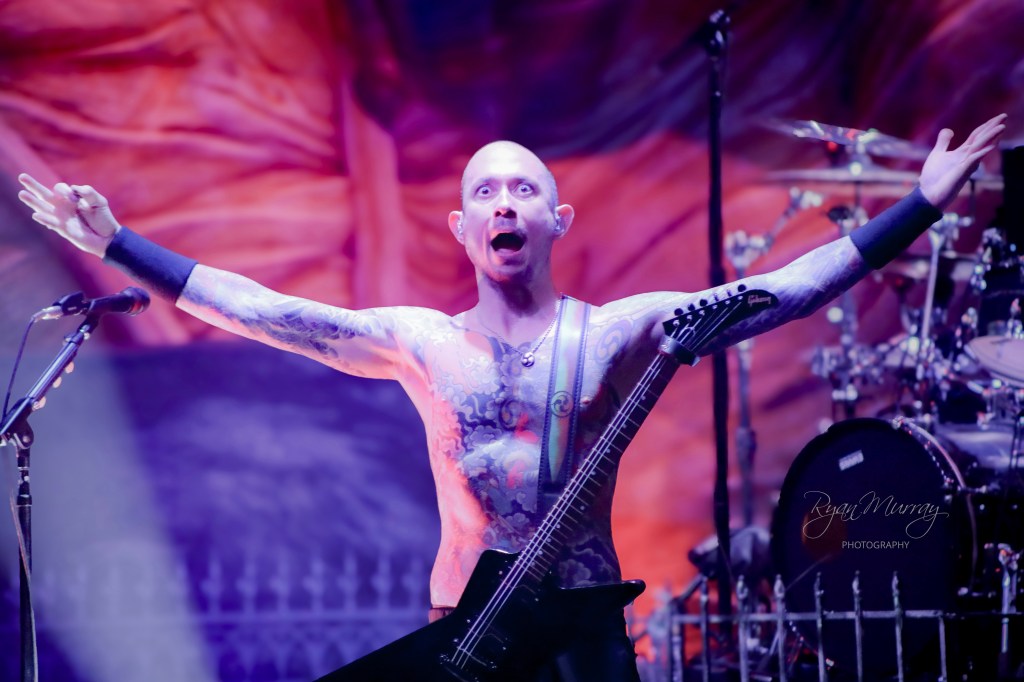
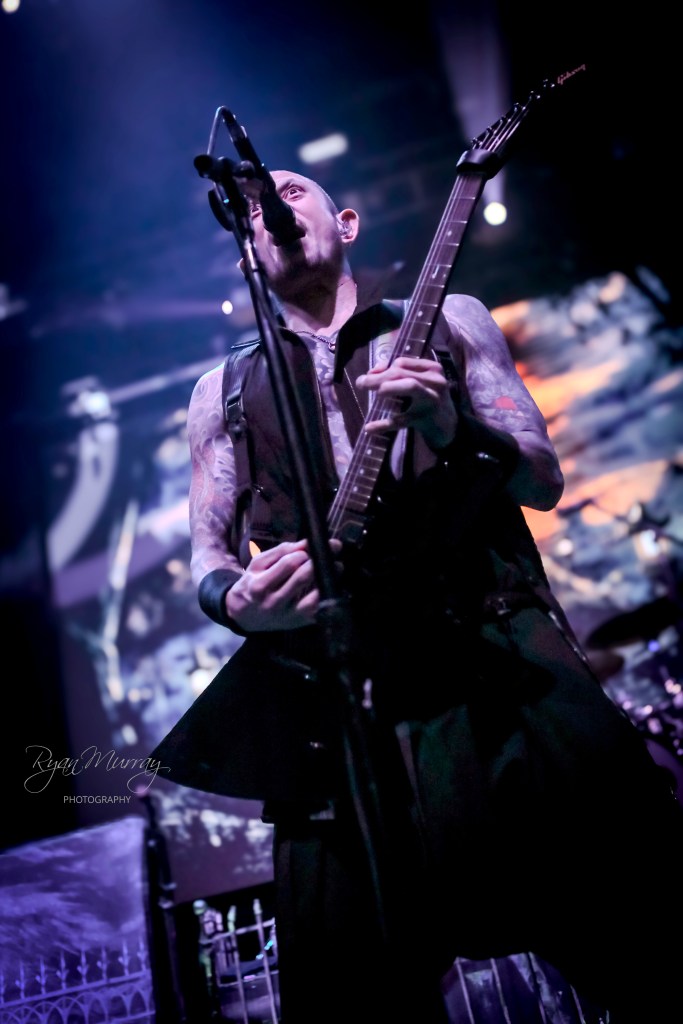
Trivium has always been an incredible live band, but this felt like another evolution. Matt stood center stage, drenched in white light, every scream and gesture magnified by the crowd’s energy. His command of the room was supernatural. A single hand raised, and the floor rippled like a tide. A single scream, and bodies collided against the barricade with reckless abandon. Fans in the front rows were practically levitating, clutching the rail as they were pulled into the wave of sound.
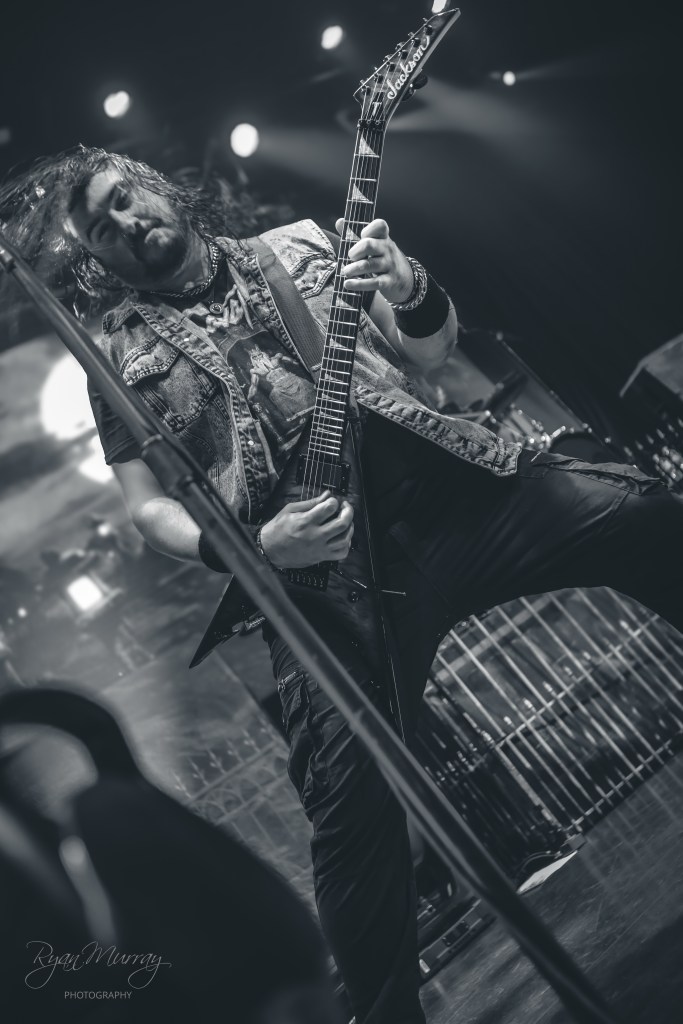
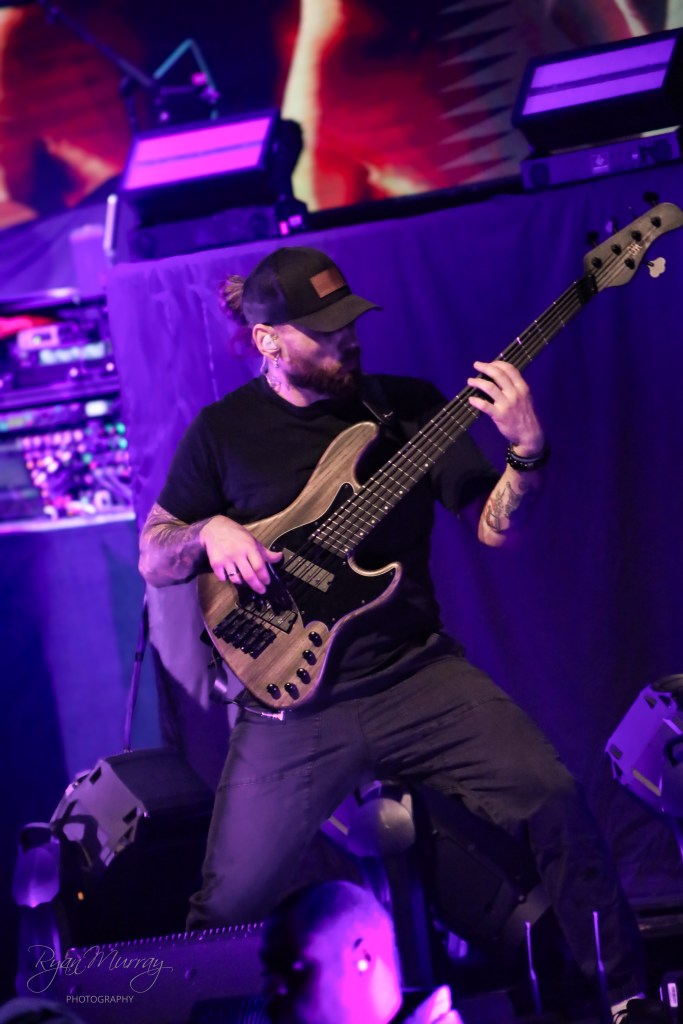
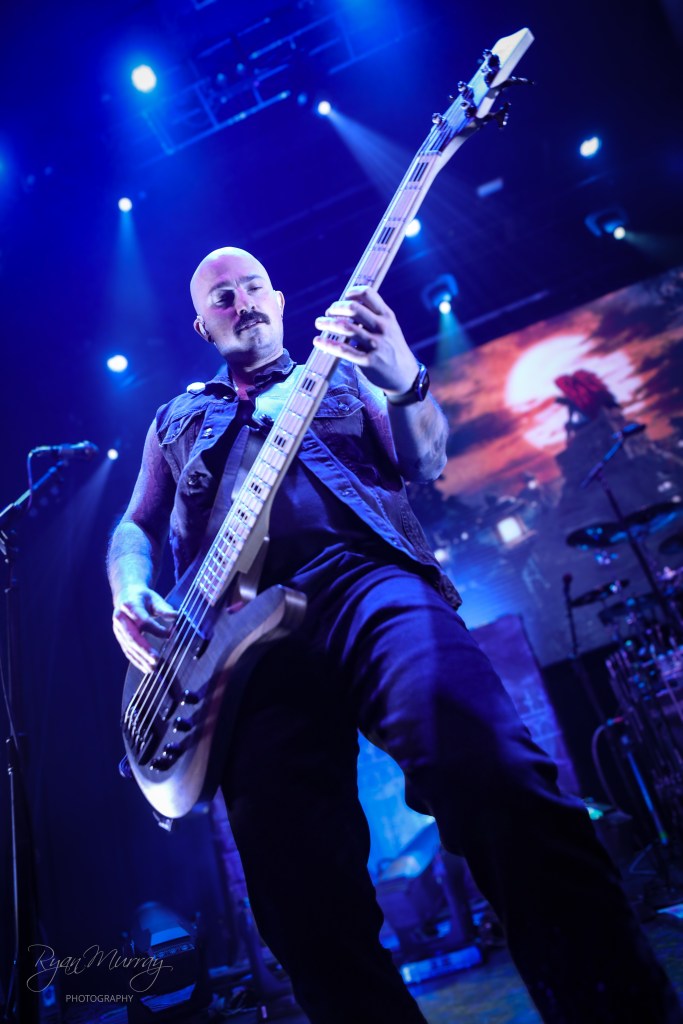
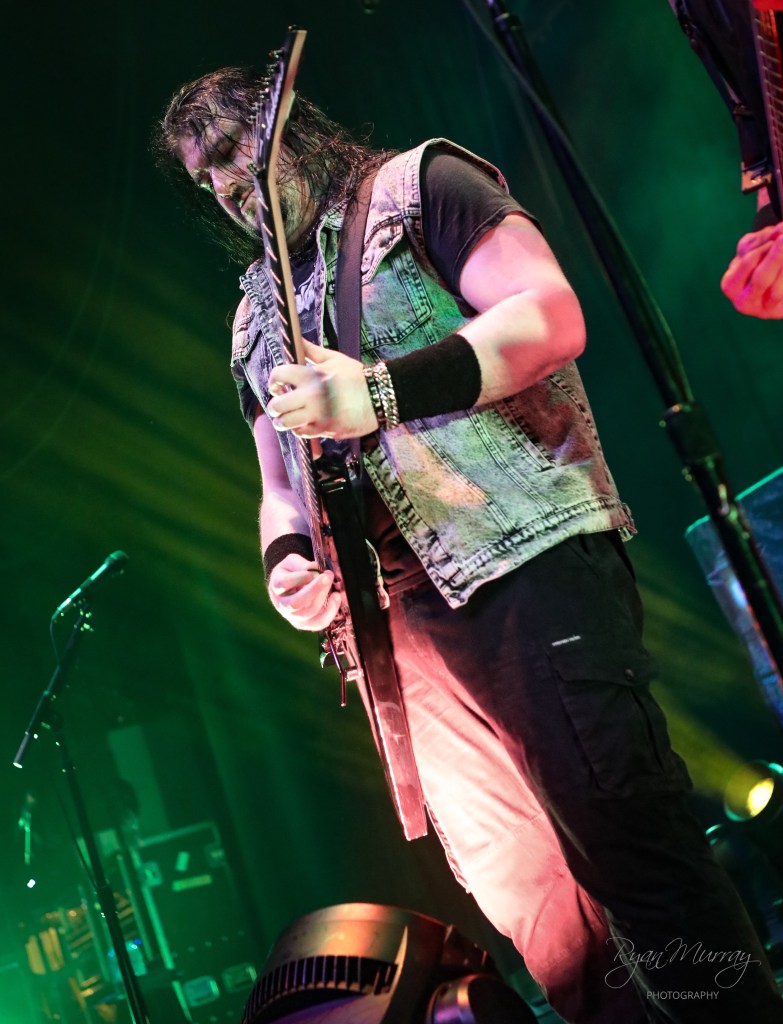
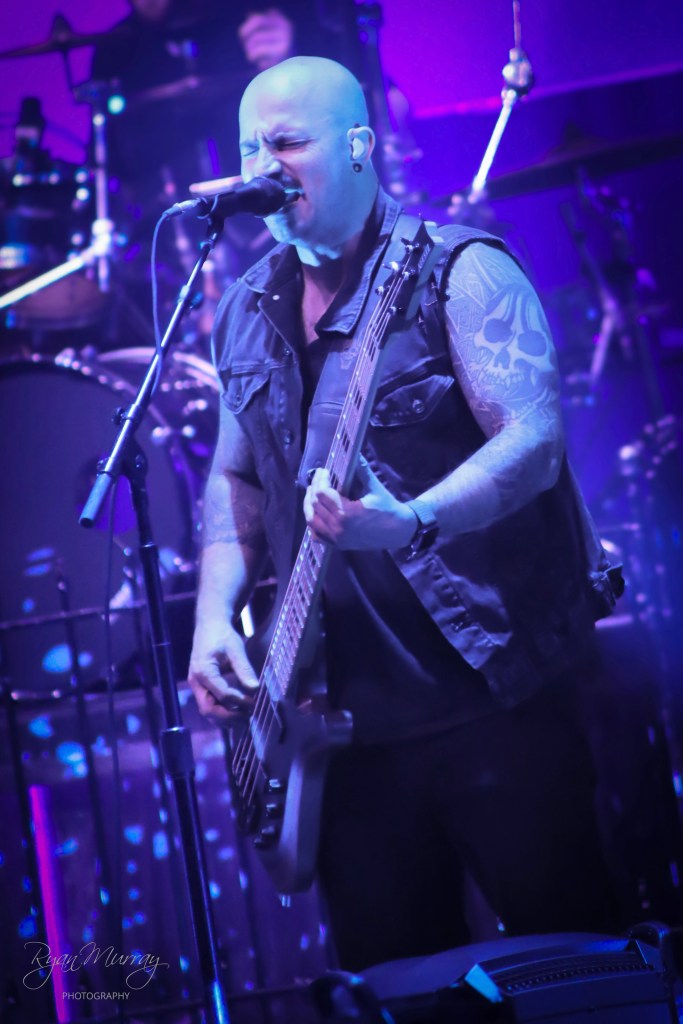
Corey Beaulieu was a blur of hair and motion, attacking every riff and solo with precision bordering on violent grace. Each pick stroke, each headbang, felt synchronized with the crowd’s heartbeat. Paolo Gregoletto was the engine driving the chaos, pacing the stage with lethal energy, leaning into fans’ hands, giving back the energy they were throwing at him. Every movement reinforced the sense that Trivium were not just performing, they were orchestrating the frenzy.
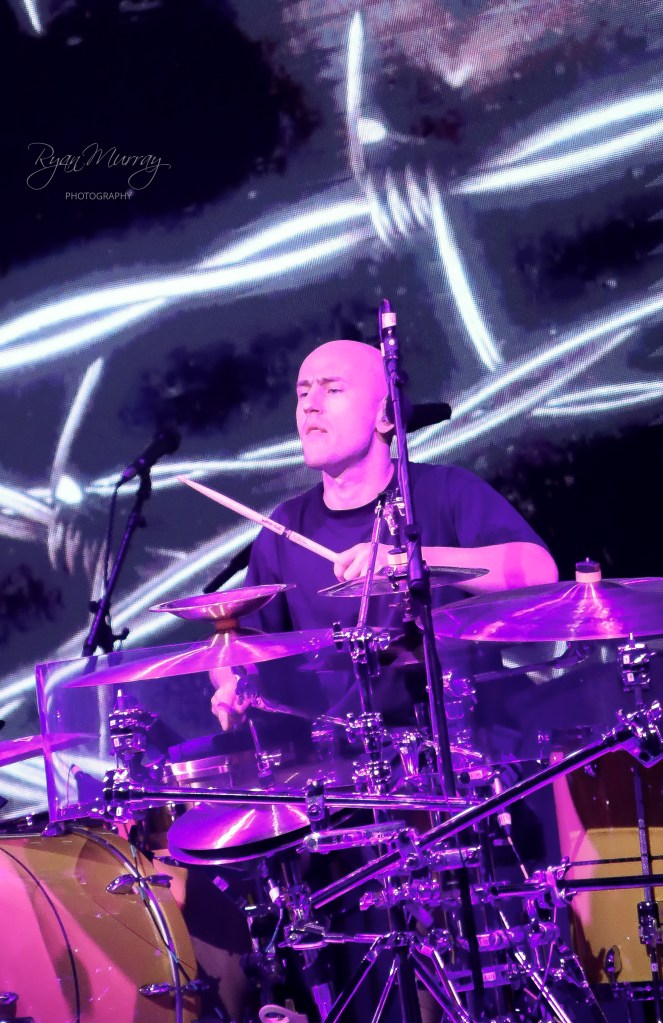
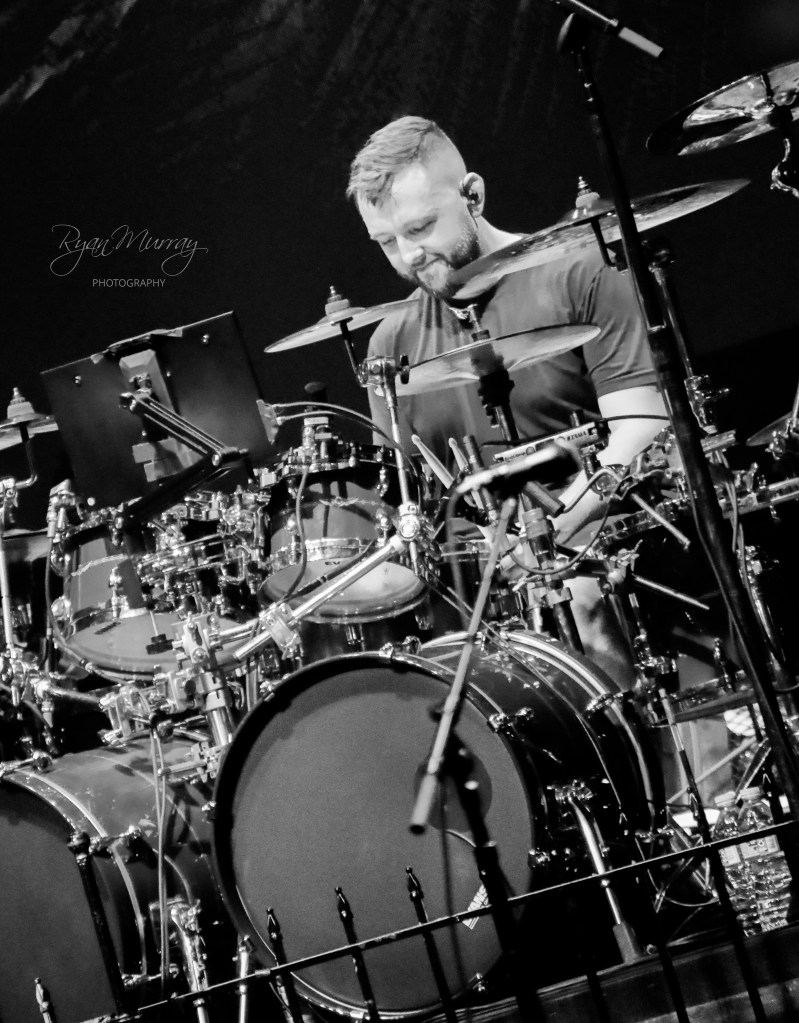
Alex Rüdinger behind the kit was a revelation. Blast beats, fills, rolls, all executed with surgical brutality. Watching him from the pit, the sweat flying off the snare and toms looked like sparks igniting the crowd. “Strife” and “Into the Mouth of Hell We March” became full-on assaults on the senses, Alex’s drumwork giving each riff and vocal line a weight you could feel in your chest. The rest of the band responded like wildfire, feeding off the storm he created.

The energy never dropped. “Throes of Perdition” tore through the room like a battering ram, and Matt’s vocals, shifting effortlessly between screamed fury and soaring melody, cut through the chaos with precision. Corey’s leads cut like knives, Paolo’s bass shook the floor, and Alex’s drum hits were explosions you could almost taste. Every fan knew every word, every beat; the Wellmont became a cathedral of sweat, light, and sound.
When they launched into “Until the World Goes Cold” and “Bury Me With My Screams,” the crowd became almost tactile in its intensity. Fans reached for Matt’s mic, mouths moving in unison with his, feeling every syllable. Crowd surfers were airborne in waves, bodies landing on the barricade and being passed back with perfect timing. Trivium’s stage chemistry was undeniable, Matt and Corey trading riffs midair, Paolo sliding across the stage to punch the low end, Alex driving the pulse like he had a second heart planted in his chest.
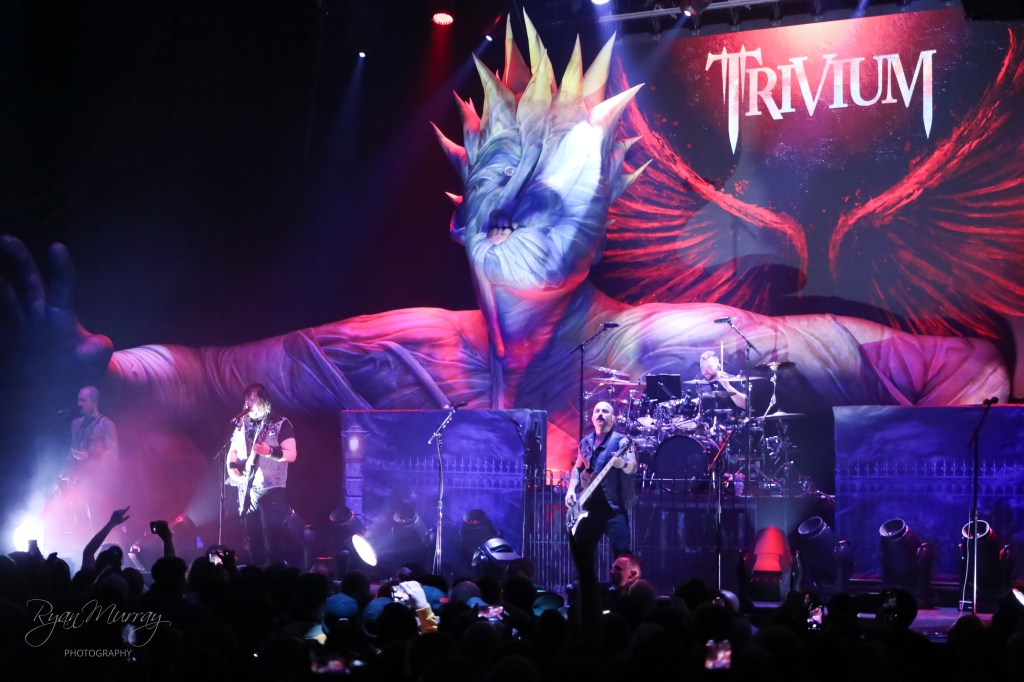
Then came “A Gunshot to the Head of Trepidation”, a song that embodies pure live aggression. Every kick drum, every snare snap, every guitar strike synchronized with the crowd’s energy. The pit spun, crashed, and collided like a living thing. And just when it seemed the room could not get any more frenzied, “Struck Dead” and “Dying in Your Arms” hit, giving fans moments of brutal release before the next wave slammed down.
By the time “Pull Harder on the Strings of Your Martyr” arrived, the Wellmont was untethered from reality. The floor shook under the constant battering of bodies and sweat, lights bounced across faces like lightning, and screams, both human and guttural, filled every corner. Matt’s vocal command, Corey’s blistering leads, Paolo’s grounded fury, and Alex’s precision together became a perfect storm. Every song was a conversation between band and crowd, each wave more intense than the last.
Closing with “The Heart From Your Hate,” “Down From the Sky,” and “The Sin and the Sentence,” Trivium did not just perform. They obliterated. Every note, every scream, every drum hit coalesced into a final crescendo that left the crowd drenched, roaring, and gasping for air. It was not just a headlining performance, it was a full-scale metal ritual, a visceral, living testament to the band’s mastery of stagecraft and connection with their audience.
Trivium did not just headline, they lit the Wellmont like a funeral pyre and danced in the flames.







 Ethereal Metal
Leave a comment