Ryan Murray | Co-Owner | Chief Editor | Contributor | Photographer
r.m.music84@gmail.com
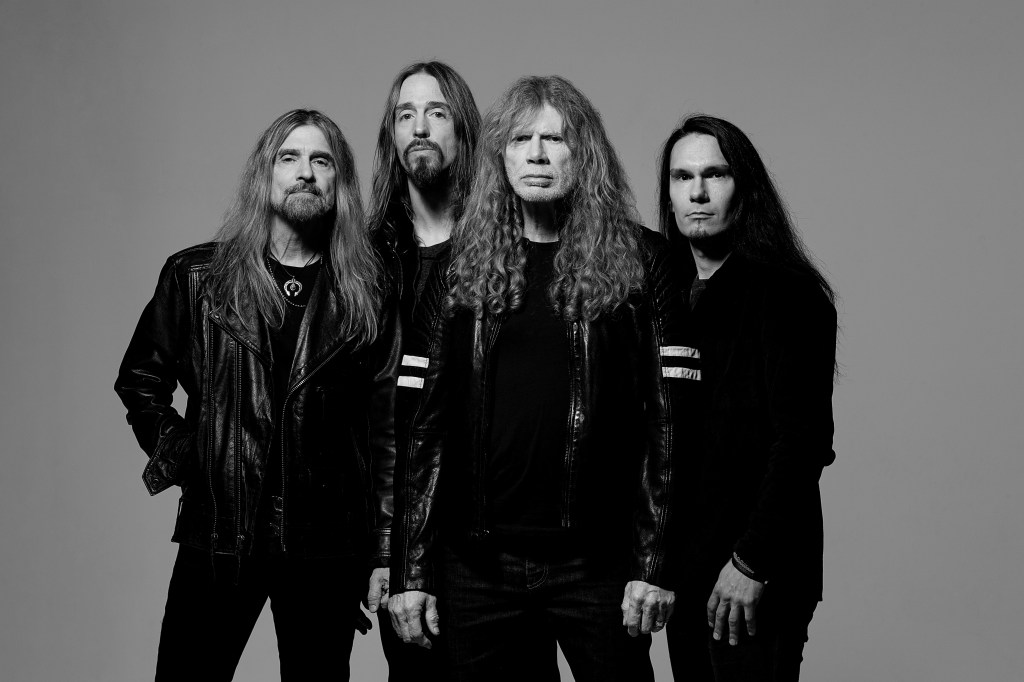
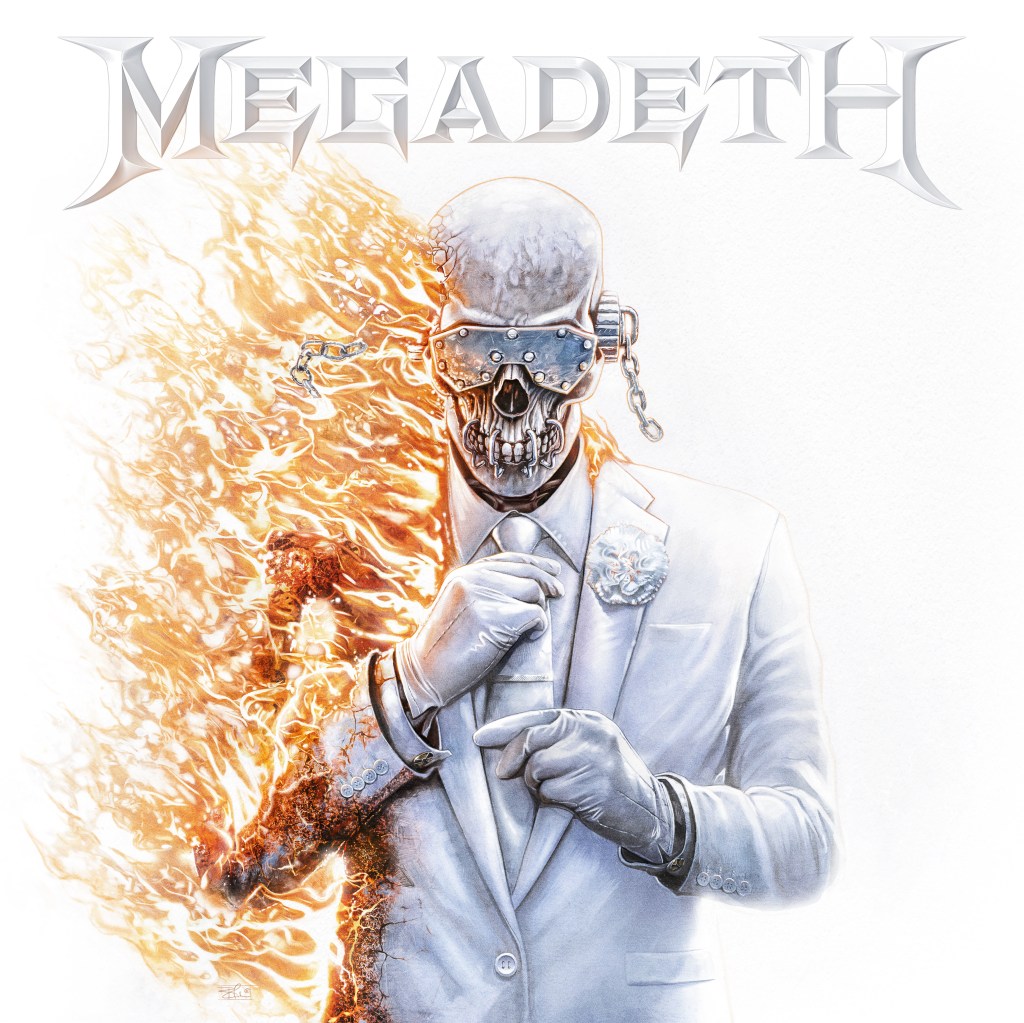
There are very few bands whose absence would leave a crater rather than a gap. Megadeth are one of them—I can’t imagine metal without the standards they set. From the earliest days of Dave Mustaine turning rejection into obsession, Megadeth became metal’s proving ground: how fast can you go before precision collapses, how technical can music get before emotion disappears, and how sharp can aggression be before it loses focus? Four decades later, those questions still define the band. On Megadeth, their final statement, the answer is clear: they still know exactly who they are, what they do best, and how to deliver it.
The album kicks off with Tipping Point, a track that immediately asserts purpose. The riffs cut sharp, snapping with precision, and the tempo drives forward relentlessly, giving the song a sense of urgency that immediately sets the tone. Mustaine’s vocals deliver authority without bombast, threading perfectly between the guitar attacks. Mäntysaari’s leads add melodic flair without overpowering the foundational riffs, and Verbeuren’s drumming keeps the rhythm tight and propulsive. Right away, I felt drawn in—the energy grips you immediately.
I Don’t Care leans into darker textures, with rhythmically intricate riffs and a sense of lurking menace that contrasts the upfront attack of the opener. Teemu Mäntysaari’s guitar work threads through the riffing with fluidity, complementing Mustaine’s phrasing without overshadowing it. James LoMenzo’s bass provides both weight and drive, while Dirk Verbeuren’s drumming locks in to maintain propulsion. Together, the band demonstrates the discipline that keeps even the most aggressive passages coherent and compelling.
Hey, God! introduces a more urgent, almost claustrophobic intensity. The riffs are taut, the melodies dark, and the dynamics tight. Compared to the first two tracks, there’s a sharpened immediacy here, a sense that every note is measured to maximize tension. Yet the song still breathes, thanks to Verbeuren’s precision on the kit and LoMenzo’s grounding bass lines. Mäntysaari’s leads cut cleanly through the mix, providing relief from the riff density while maintaining the underlying drive.
Let There Be Shred delivers on its name with technical sophistication that never feels indulgent. The track’s solos and riffs interlock naturally, echoing the melodic intent of Hey, God! but amplifying intensity. Here, Megadeth’s discipline is on full display: every note serves purpose, every tempo change reinforces energy, and the song’s momentum carries forward without ever seeming forced.
Puppet Parade and Another Bad Day serve as a contrasting pair in both tempo and tone. While Puppet Parade leans on rhythmically tight riffing and thematic tension, Another Bad Day offers measured restraint, emphasizing atmosphere over pure velocity. The contrast between the two highlights the band’s dynamic range: they can launch into technical thrash with precision, then pull back to explore mood, groove, and subtle tension. Mustaine’s vocals modulate accordingly, biting when required and introspective when restraint rules, allowing the band’s emotional palette to expand naturally.
Made To Kill accelerates with unrelenting aggression, returning the record to thrash’s classic intensity. Mäntysaari’s leads and Mustaine’s riffs interact in a way that feels both familiar and invigorating, threading complexity through power without ever feeling cluttered. LoMenzo’s bass drives the riffs forward while Verbeuren navigates rapid tempo shifts with clarity. In context with Another Bad Day, the track emphasizes the band’s ability to swing between controlled, reflective passages and full-throttle technical assault without losing coherence.
Obey The Call and I Am War demonstrate thematic and sonic cohesion. Both tracks embrace high energy, but each brings a distinct emotional weight. Obey The Call strikes as declarative and urgent, while I Am War tempers intensity with measured phrasing and subtle groove, offering space for the riffs to resonate. The interplay between the two tracks showcases Megadeth’s attention to pacing and emotional texture, reinforcing the album’s layered approach to aggression.
The Last Note serves as the album’s musical closer, a resolute and deliberate conclusion. Its atmosphere is weighty, commanding presence and tension, drawing together the energy and intent of the record without recapitulating any single element. Where prior tracks balance aggression and restraint, The Last Note exists fully in controlled stillness and resolution. It anchors the album’s arc and leaves the listener with a sense of closure, finality, and unmistakable impact, ending the musical journey with authority rather than flourish. Listening to it, I couldn’t help but reflect on how fully the band owns every moment here.
Beyond the album’s musical closure, the emotional finale emerges in Ride the Lightning. Faster than the original, the track bristles with energy, and Mustaine and Mäntysaari weave leads together, trading phrases and exploring melodic interplay that keeps the performance vibrant and dynamic. More importantly, it is a heartfelt nod to Dave Mustaine’s past, acknowledging the strained moments with James Hetfield while emphasizing respect, gratitude, and the enduring bond forged through music. It struck me as a deeply personal statement, showing that even history with tension can carry honor. Its position at the end of the album isn’t about sequencing; it’s about history, reconciliation, and acknowledgment. The track transforms the conclusion from purely musical into something deeply human, a final statement that blends reverence, reflection, technical mastery, and legacy.
Throughout the album, the band’s cohesion is undeniable. Mäntysaari’s guitar work navigates rhythm, lead, and acoustic passages with finesse; LoMenzo’s bass underpins riffs with authority; Verbeuren’s drumming provides both propulsion and breathing room; and Mustaine ties every element together with vocals that are sharp yet expressive. They operate as a unit, with every instrument contributing intentionally to the album’s flow.
The production emphasizes clarity without sterilization. The guitars cut with definition, drums hit with weight, and bass resonates with authority, allowing every intricate passage to breathe. The mix preserves aggression while highlighting precision, ensuring that the album hits hard without ever feeling chaotic. Each track feels alive, dynamic, and meticulously crafted, reflecting decades of experience and mastery.
Megadeth is a record that encapsulates everything the band has stood for: technical brilliance, relentless thrash energy, and a willingness to confront personal and musical history with honesty. There is no filler, no compromise, just the band asserting their identity one last time. It’s a swansong in the truest sense, powerful and unflinching, yet threaded with respect and reflection. From the snap of the opening riffs in “Tipping Point” to the reflective fire of “Ride the Lightning,” the album moves with purpose, giving fans a final, undeniable testament to why Megadeth has been indispensable to metal for forty-plus years.
In the end, the record is as much about closure as it is about celebration. It honors the past, acknowledges the present, and cements the legacy of the band has built. Every note, every riff, every drum hit feels deliberate, carrying the weight of a band that defined a genre and chose to exit on its own terms. Megadeth is not just an album. For me, it’s a final stand, a last ride, a lasting imprint on the very DNA of metal itself.
Verdict: 4/5
 Ethereal Metal
Leave a comment