Ryan Murray | Co-Owner | Chief Editor | Contributor | Photographer
r.m.music84@gmail.com
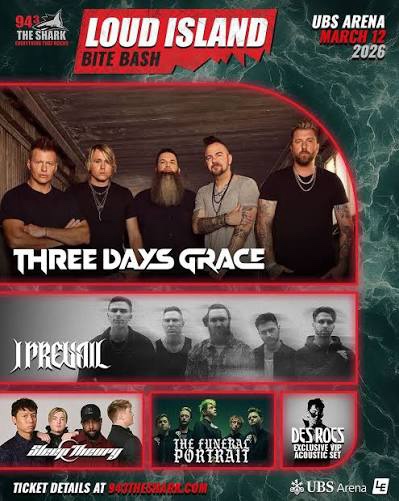
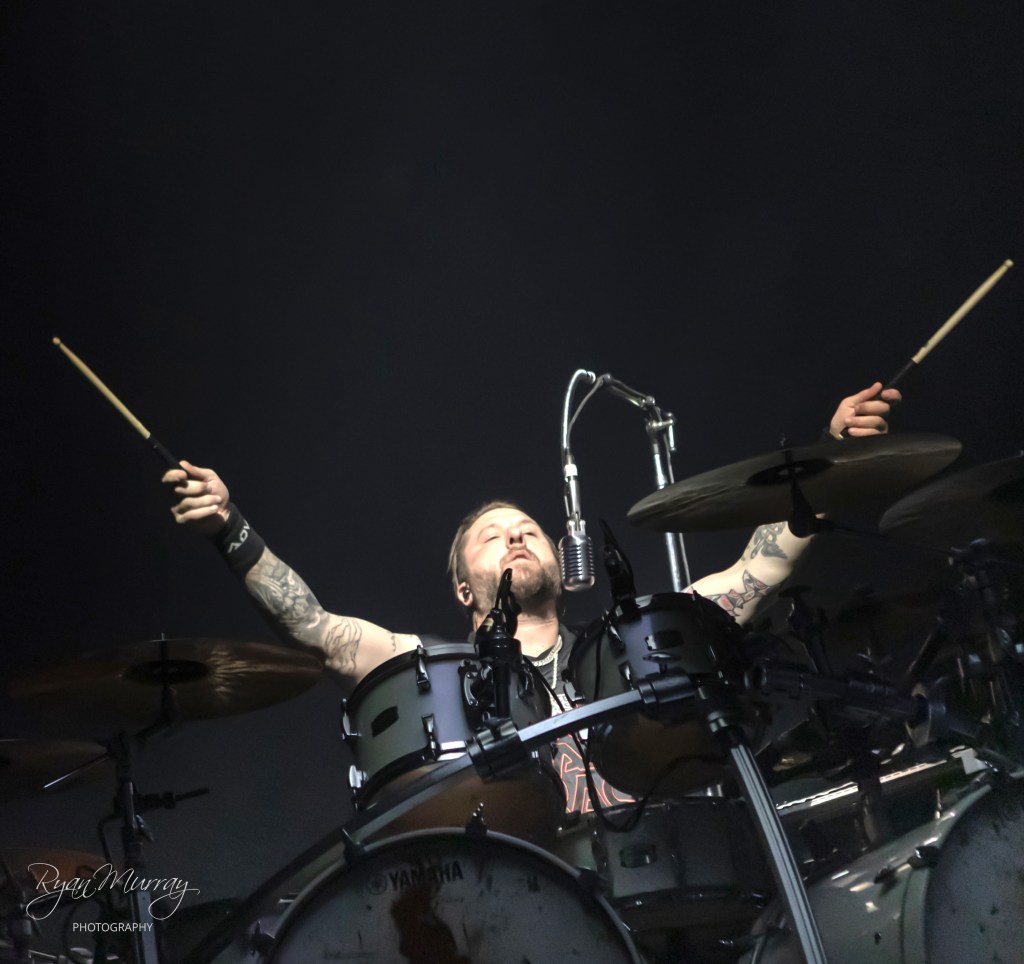
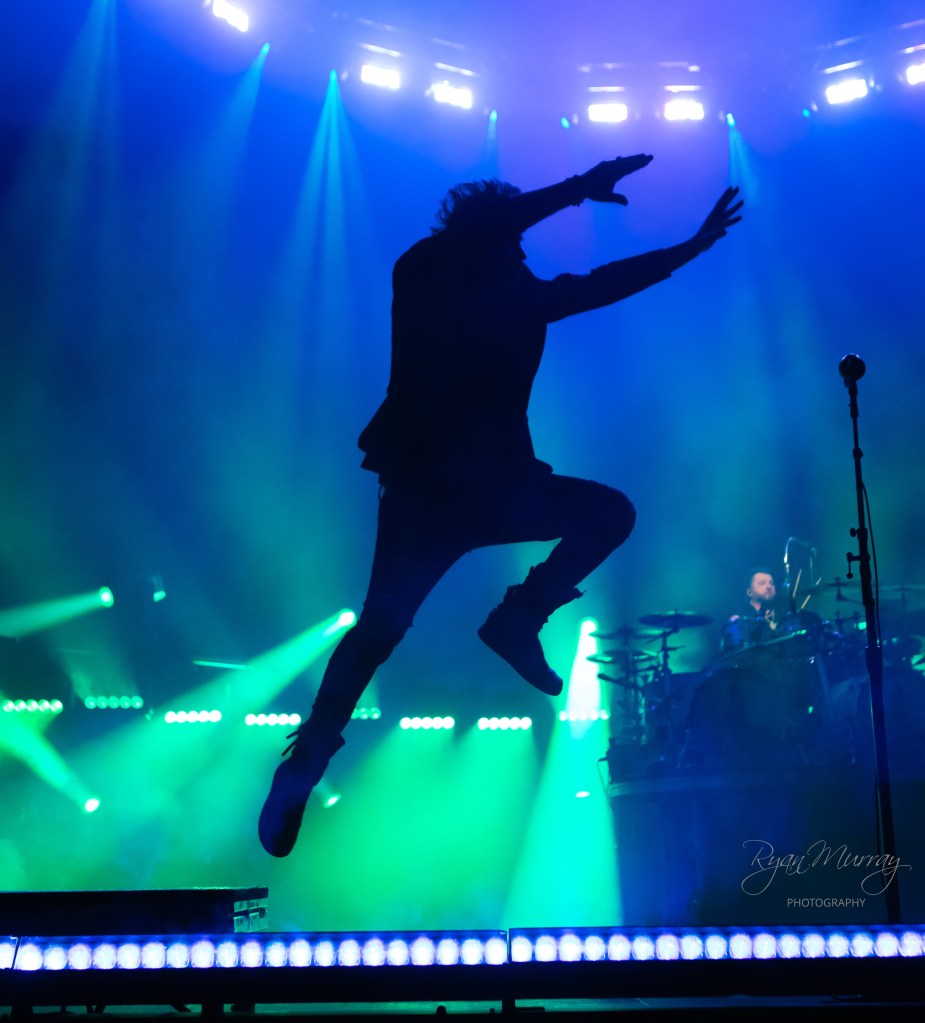
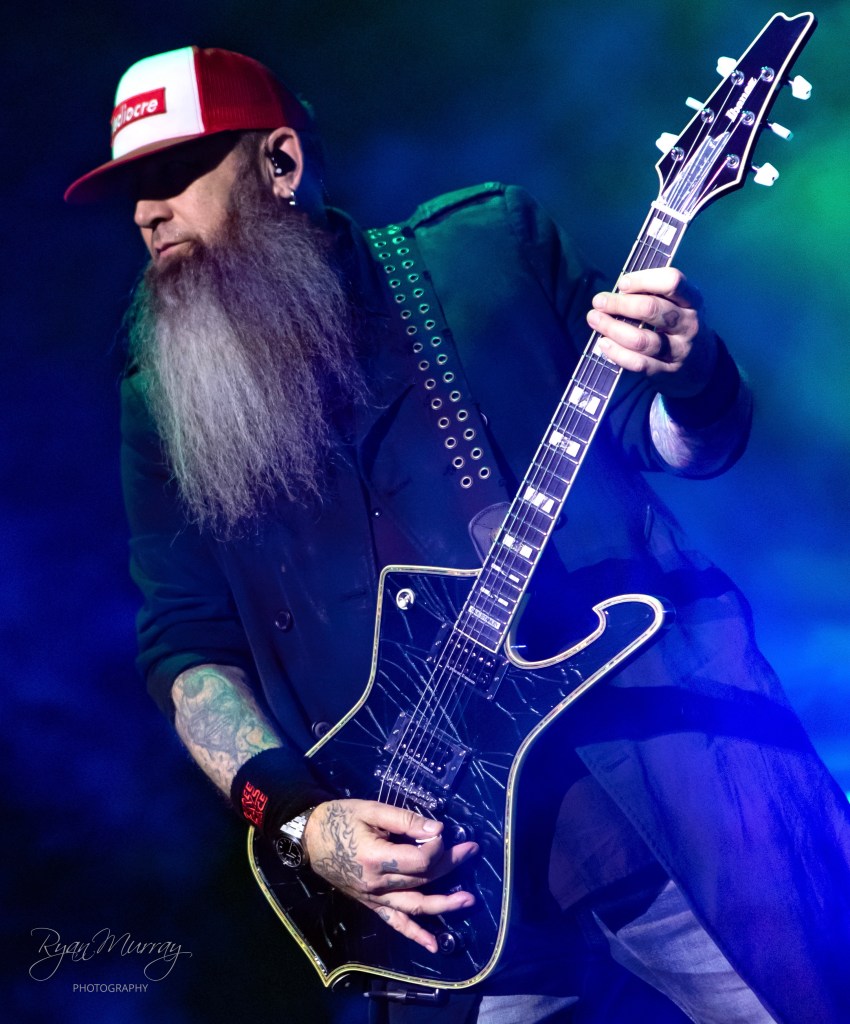
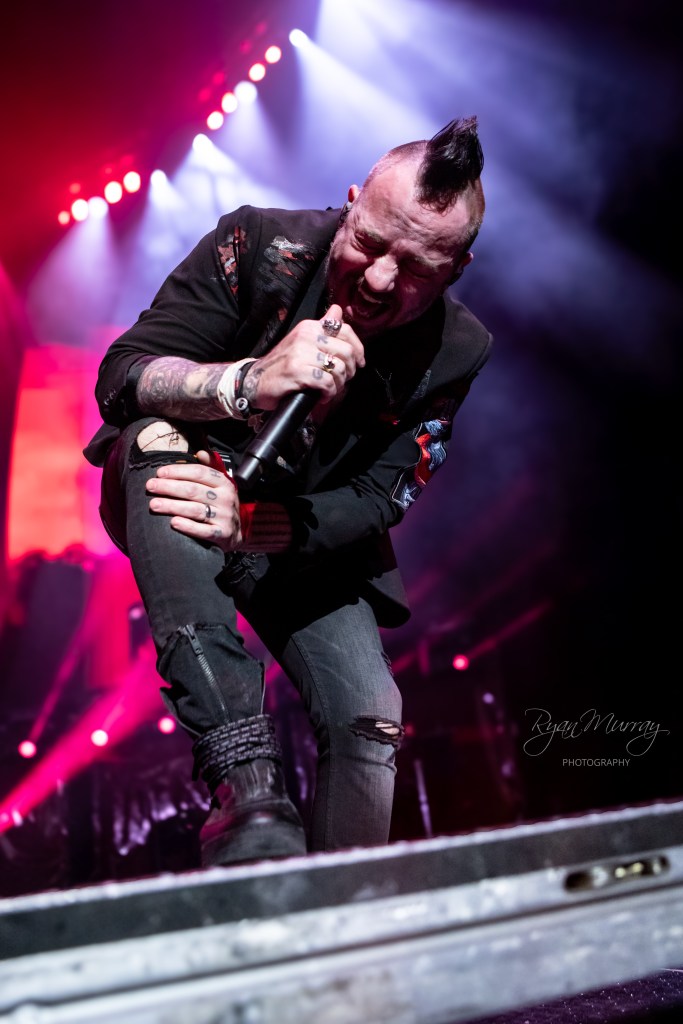
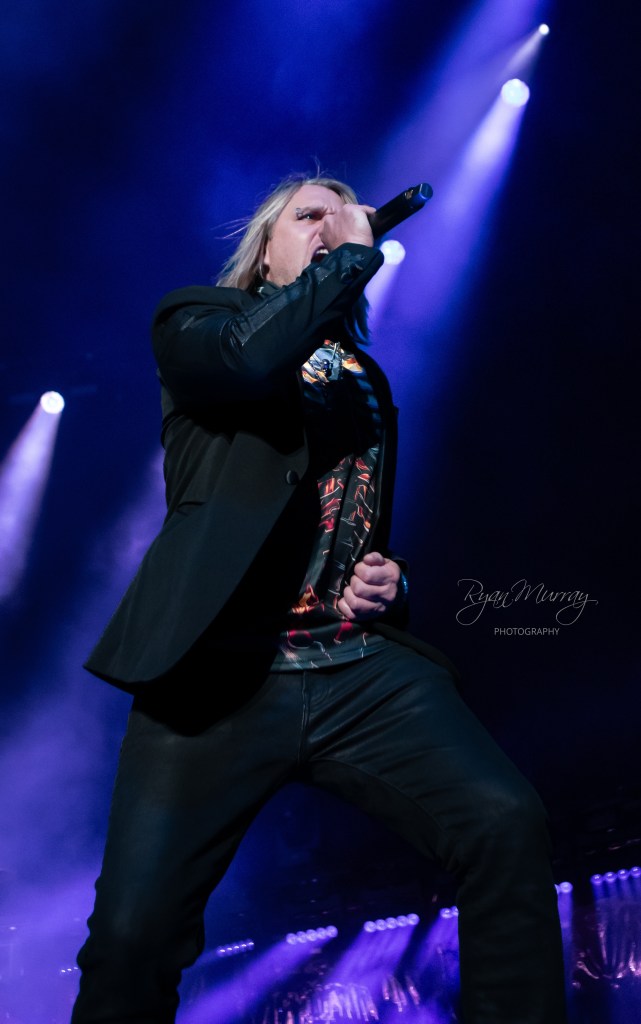
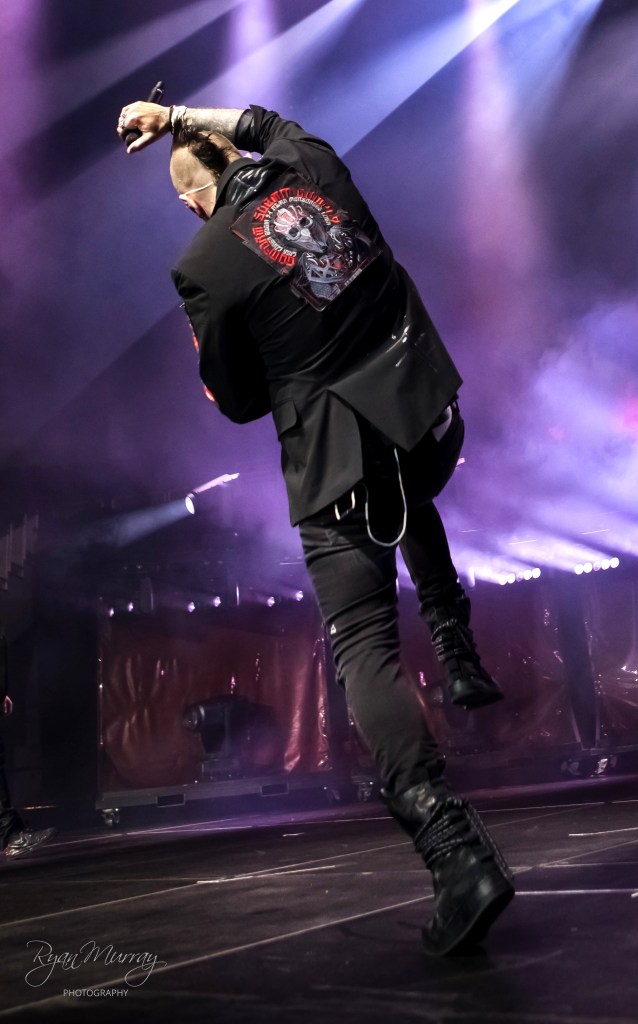
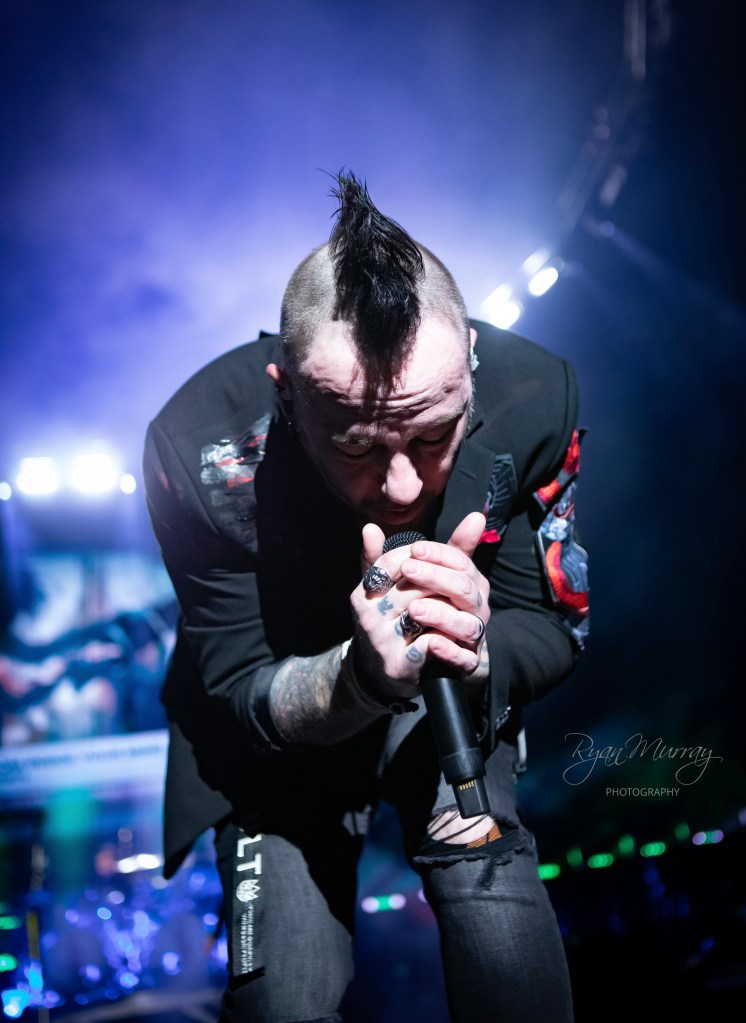
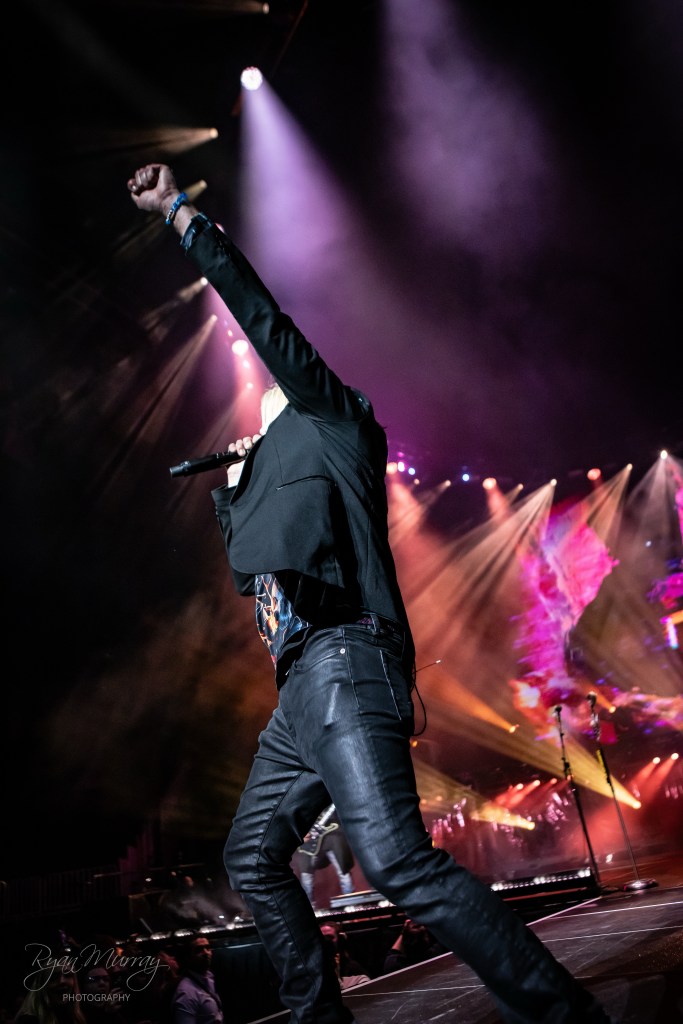
On Thursday, March 12th, UBS Arena in Elmont erupted. From the instant the first lights hit the stage, the arena shook with anticipation. Nearly 16,000 voices collided in a roar that rolled through the seats and pulsed across the floor. Each act fed the fire—The Funeral Portrait igniting the crowd with tight, ferocious energy, Sleep Theory layering melodic hooks and crushing riffs that got the arena moving as one, and I Prevail pushing the pit into a storm of movement and sound. By the time Three Days Grace hit the stage, the energy had become untouchable—pure, unstoppable, and relentless, a tidal wave of sound and fury that carried the night forward with every chord, scream, and chorus.
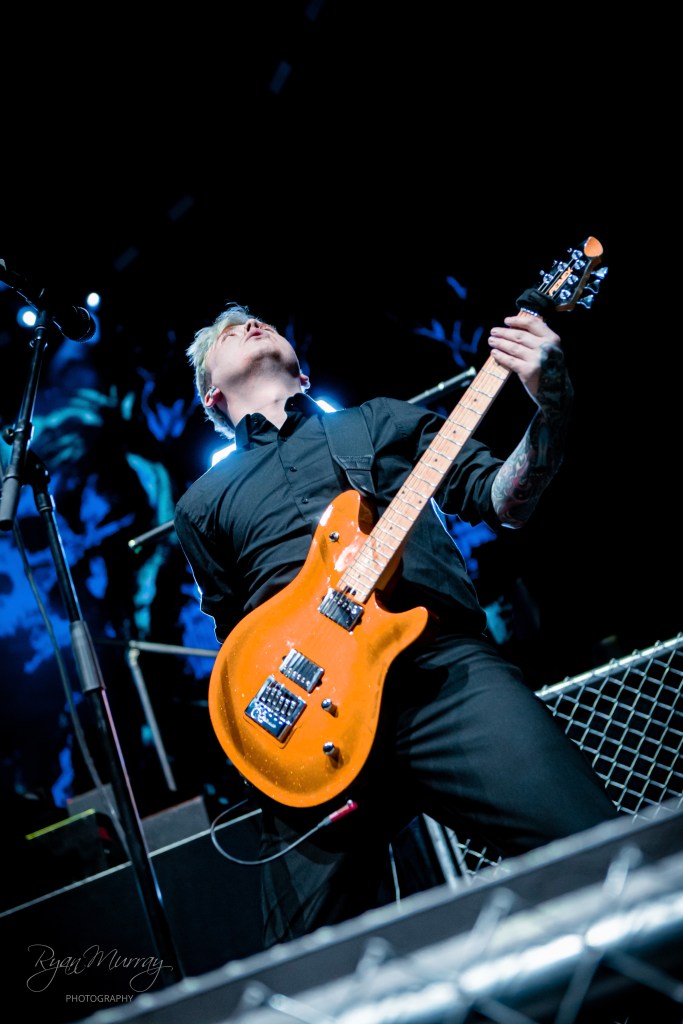
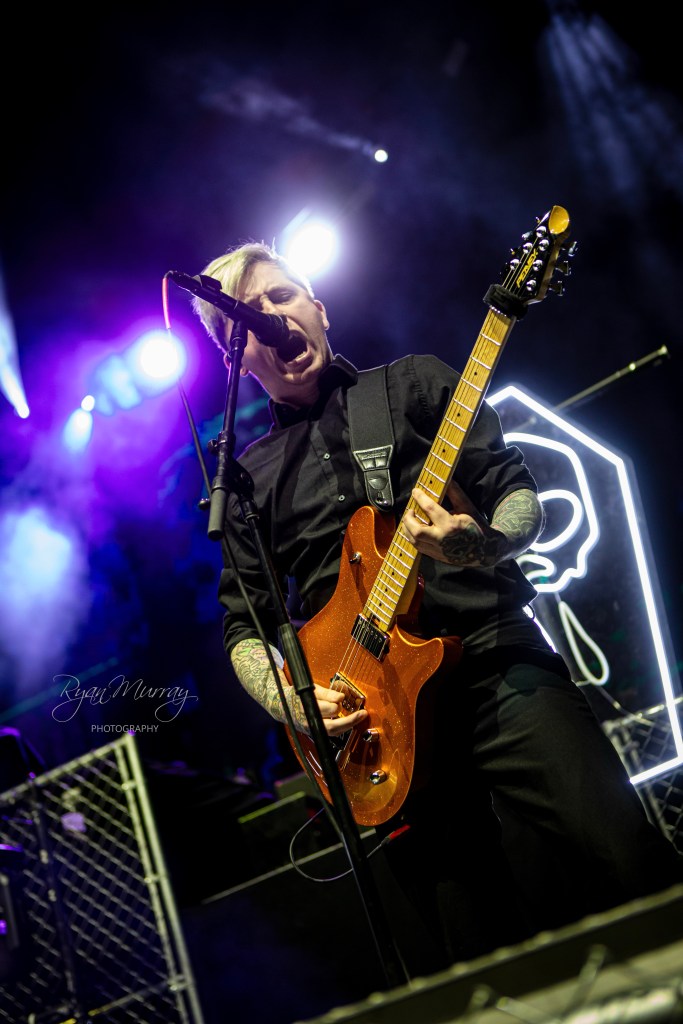
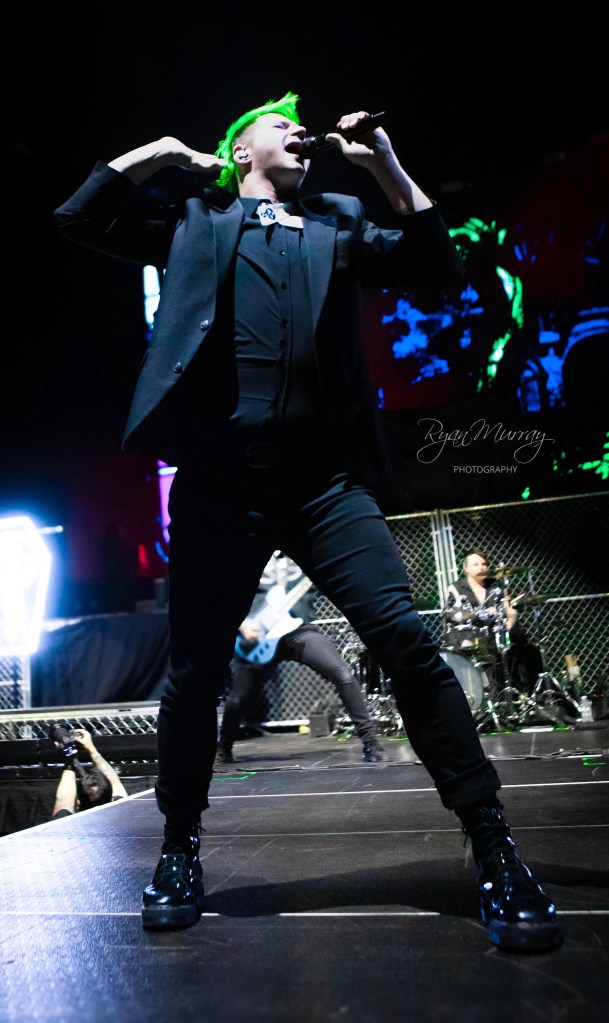
The Funeral Portrait were first out, and from the moment the lights hit them on Mad World, the arena was already watching. That first cover was restraint itself, letting the room focus before snapping into Generation Psycho—and you could see the shift in real time. The crowd straightened, eyes forward, bodies leaning in. By Blood Mother and Voodoo Doll, people were moving along with the beat, hands up, energy flowing back to the stage.
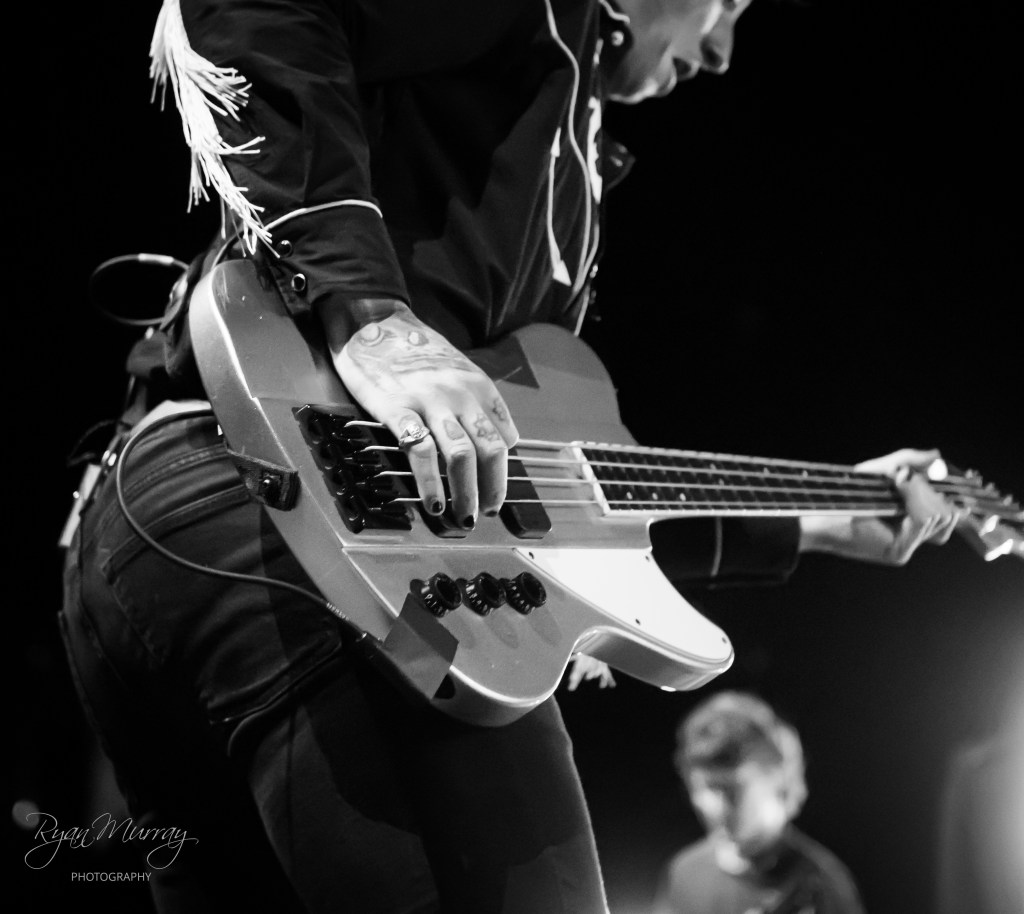
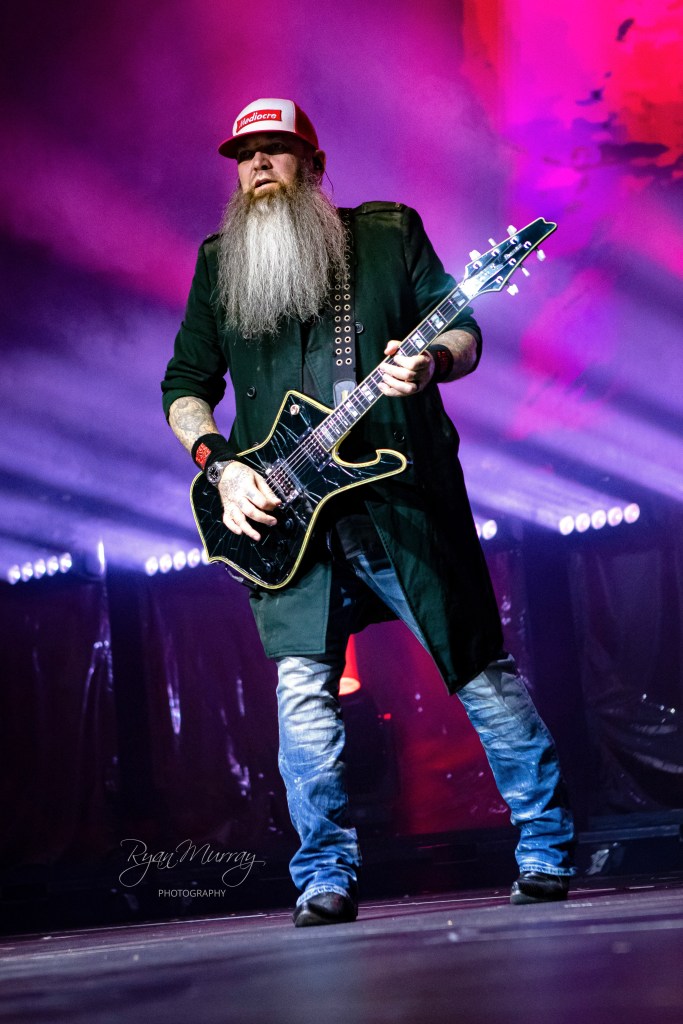
Lee Jennings commanded the connection naturally—holding eye contact, pacing the stage with precision, allowing moments to breathe so the audience could engage on their own terms. Cody Weissinger and Gareth Calk’s guitars were crisp and wide, never muddying the mix, while Robert Weston and Homer Umbanhower held the floor with unrelenting timing and punch. Each member fed off the other and the room, building a chemistry that felt deliberate but effortless.
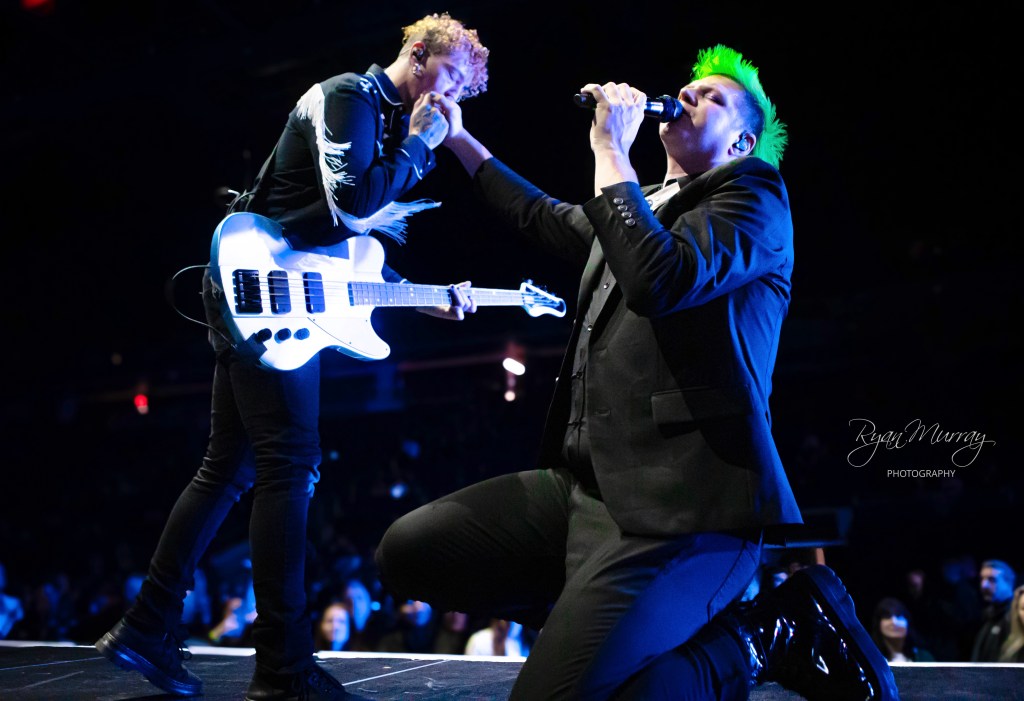
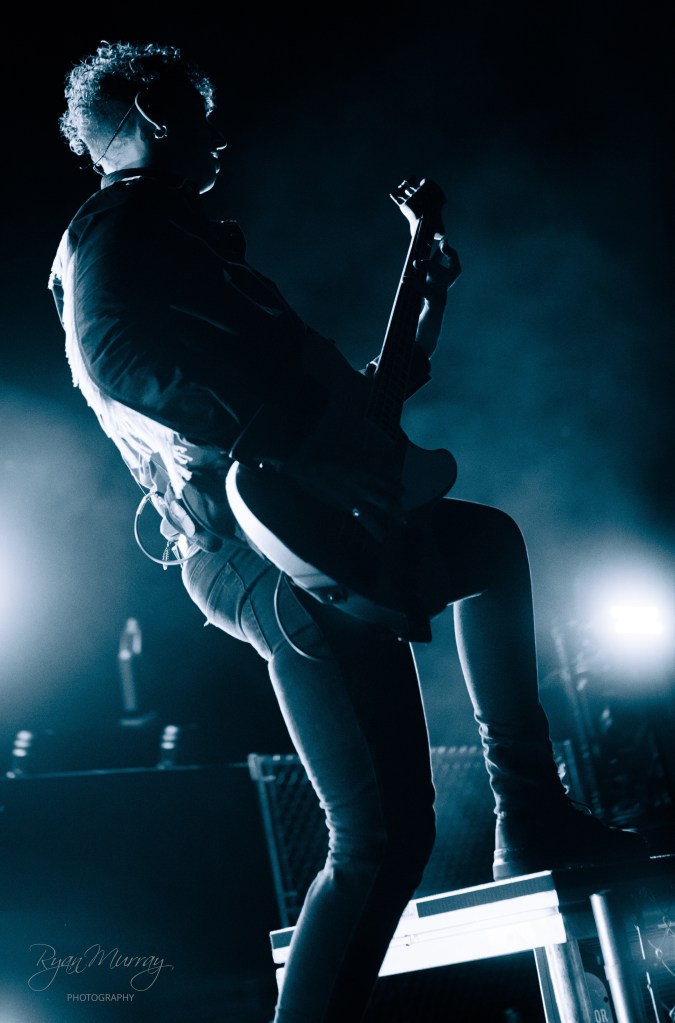
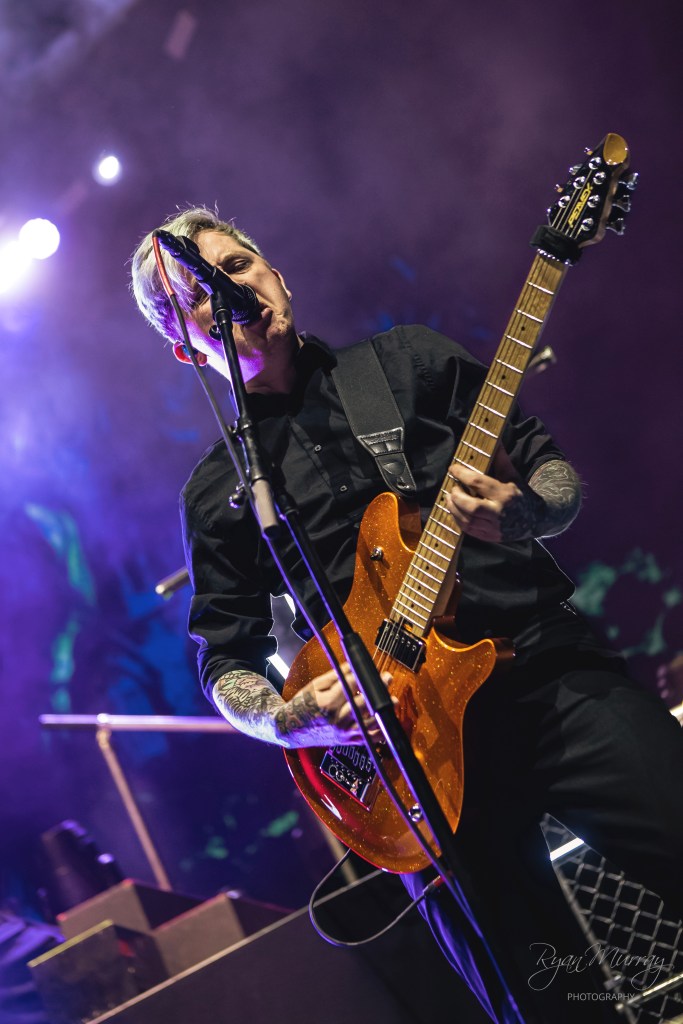
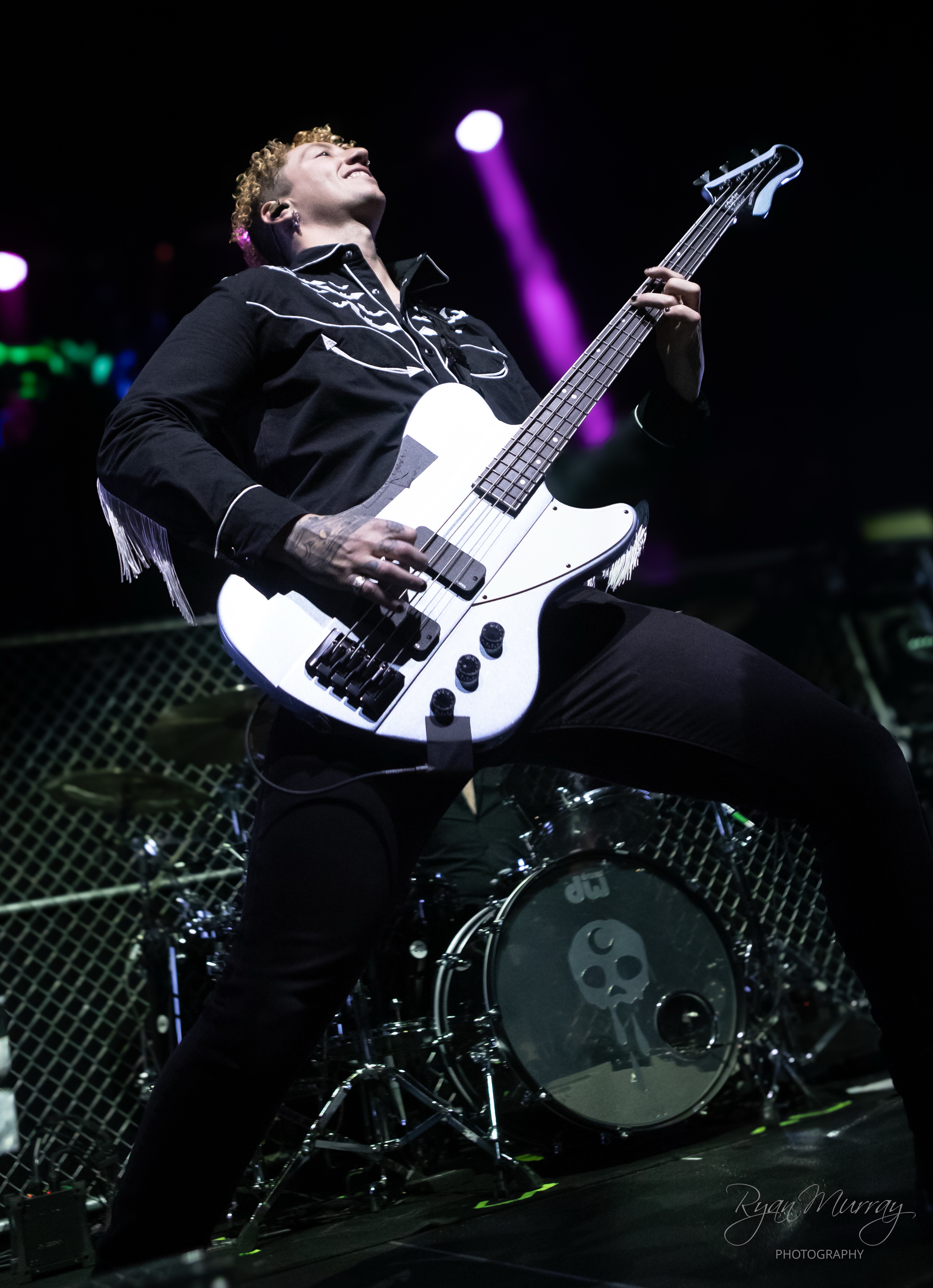
The context made it clear why this band demands attention. With three consecutive No. 1 singles on Billboard’s Mainstream Rock Airplay chart—Suffocate City (featuring Ice Nine Kills), Holy Water (featuring Ivan Moody), and Dark Thoughts—and backing from Better Noise Music, The Funeral Portrait walked onto that stage fully armed with momentum.
By the time they closed with Suffocate City, the crowd was fully invested. Voices sang along, fists raised, and even beyond the pit, the arena felt pulled into the set. They didn’t warm the room—they inhabited it.
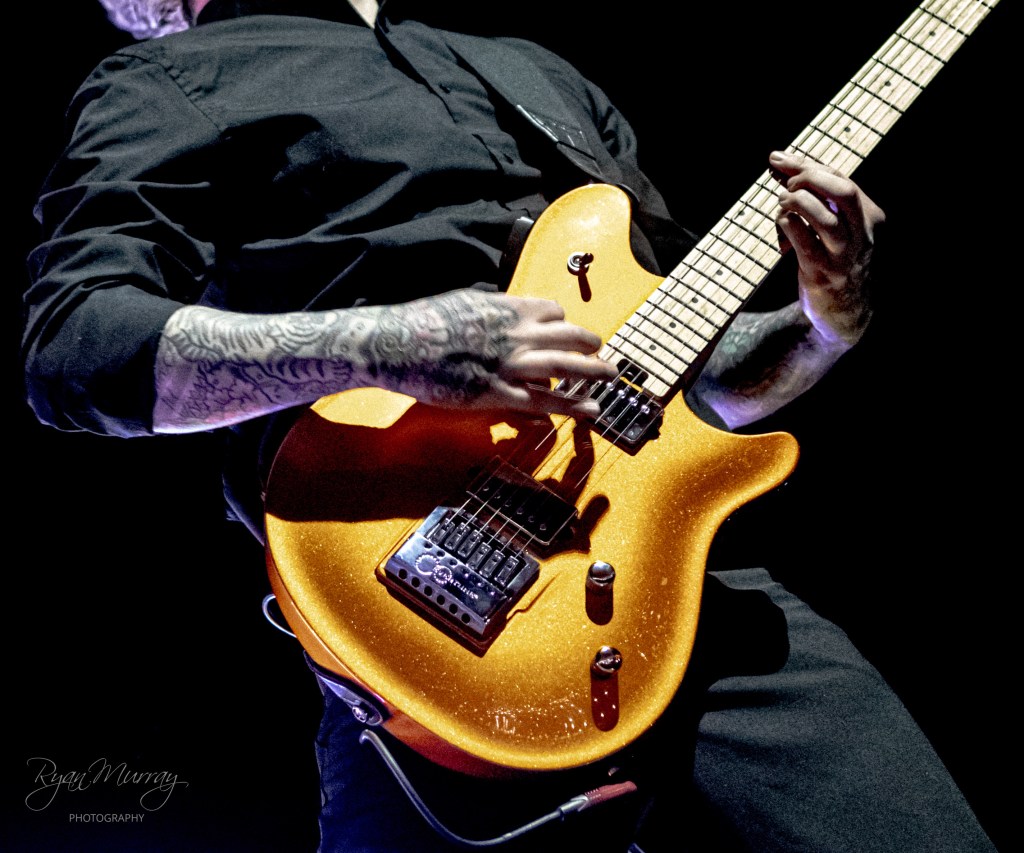
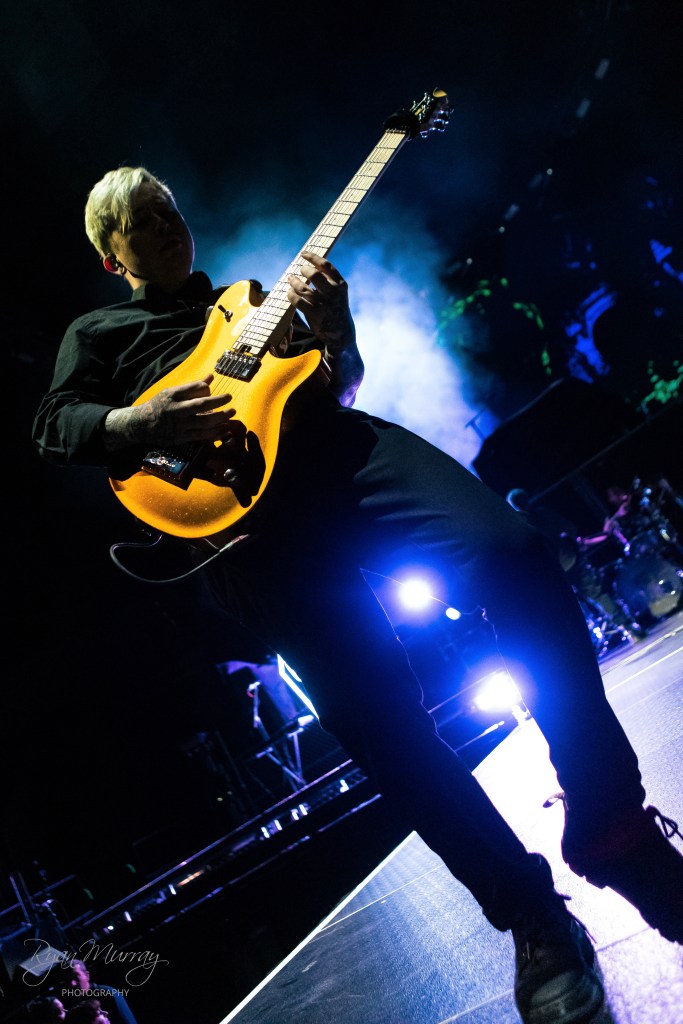
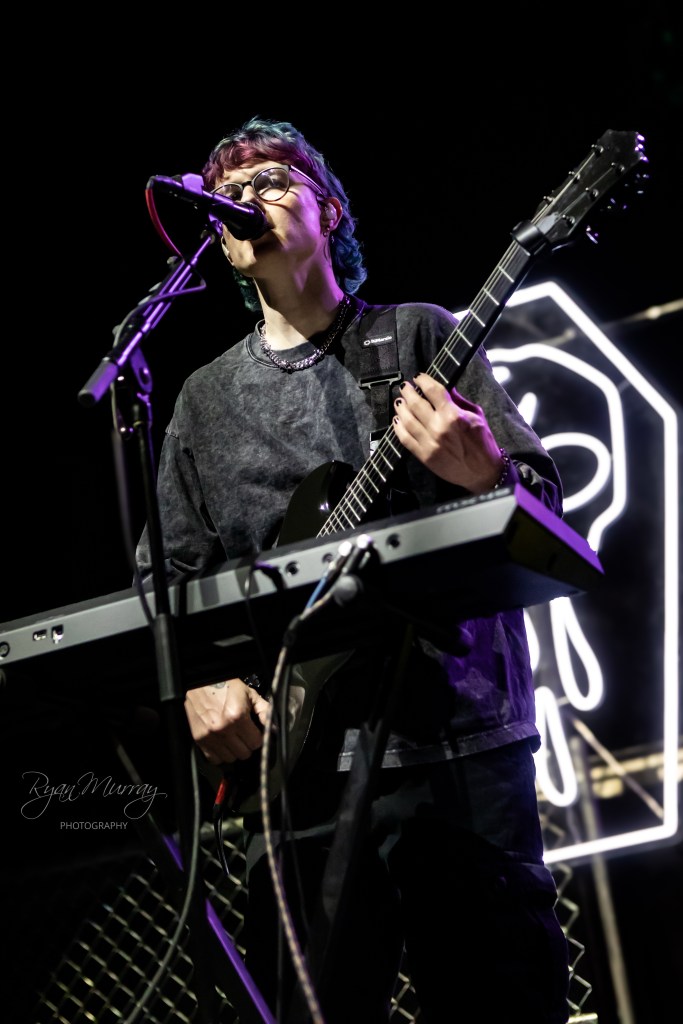
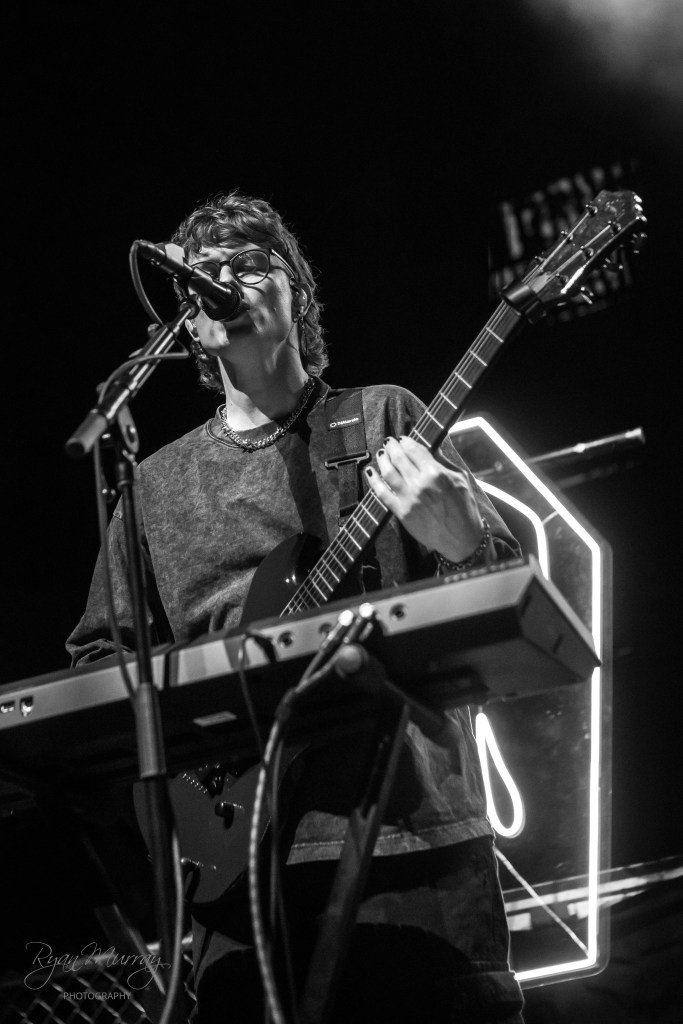
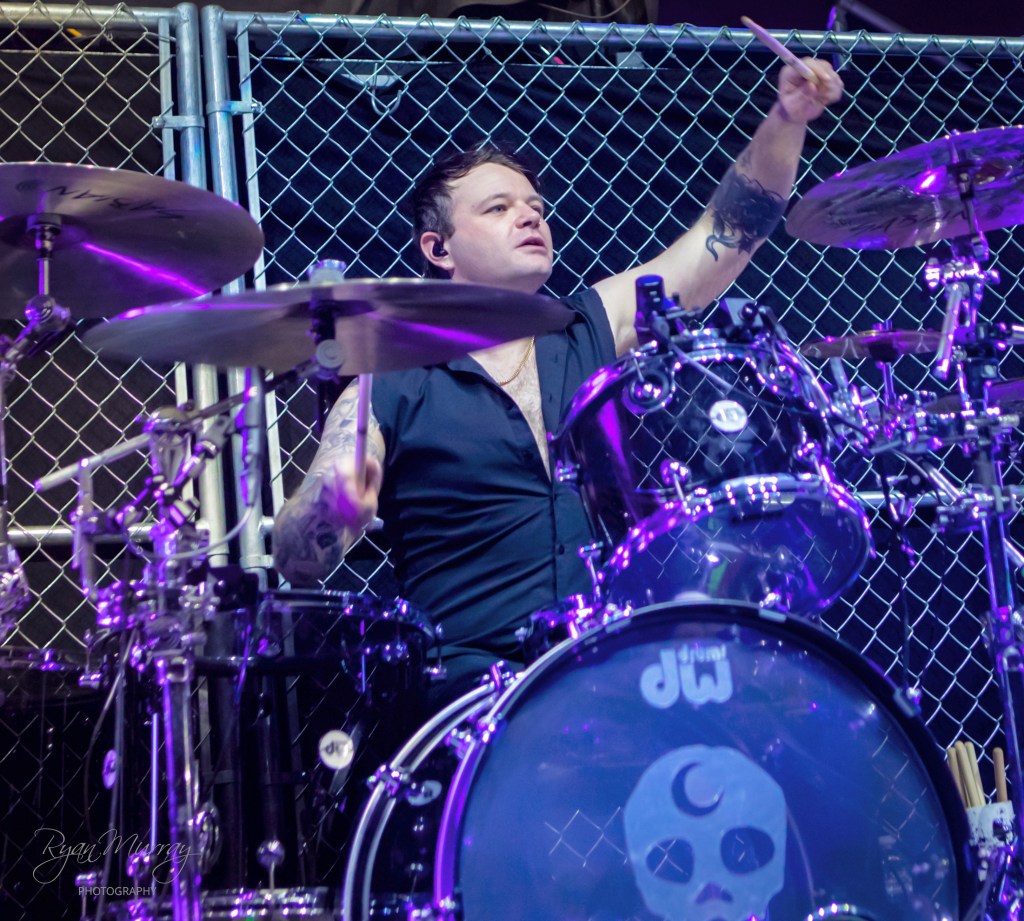
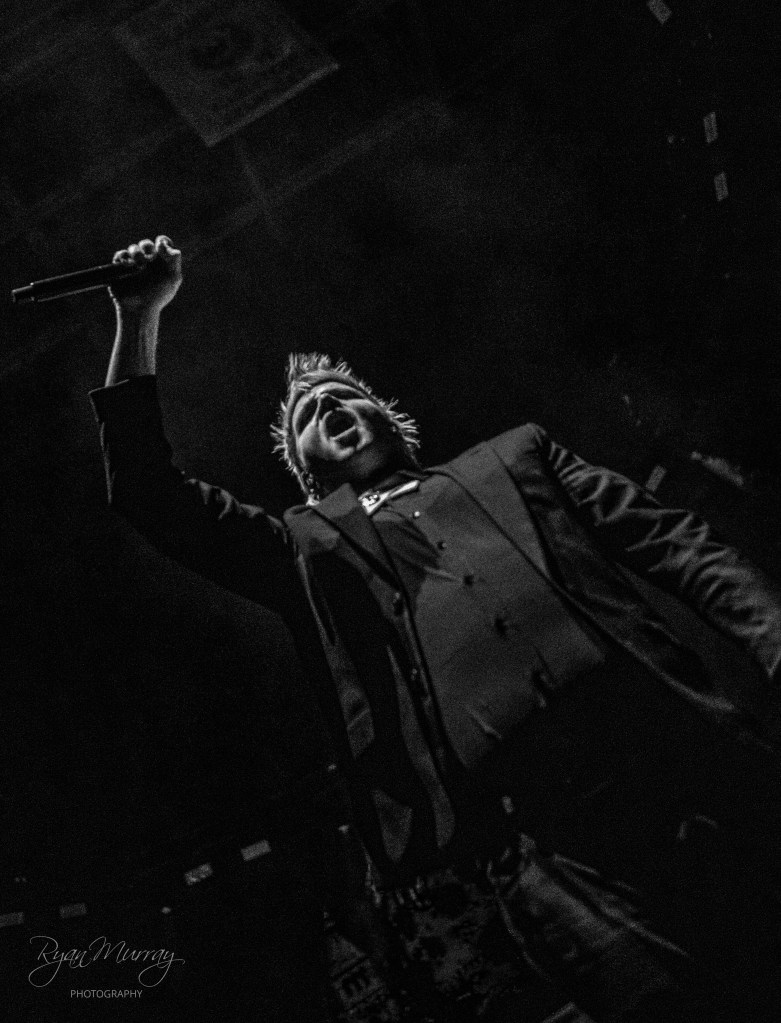
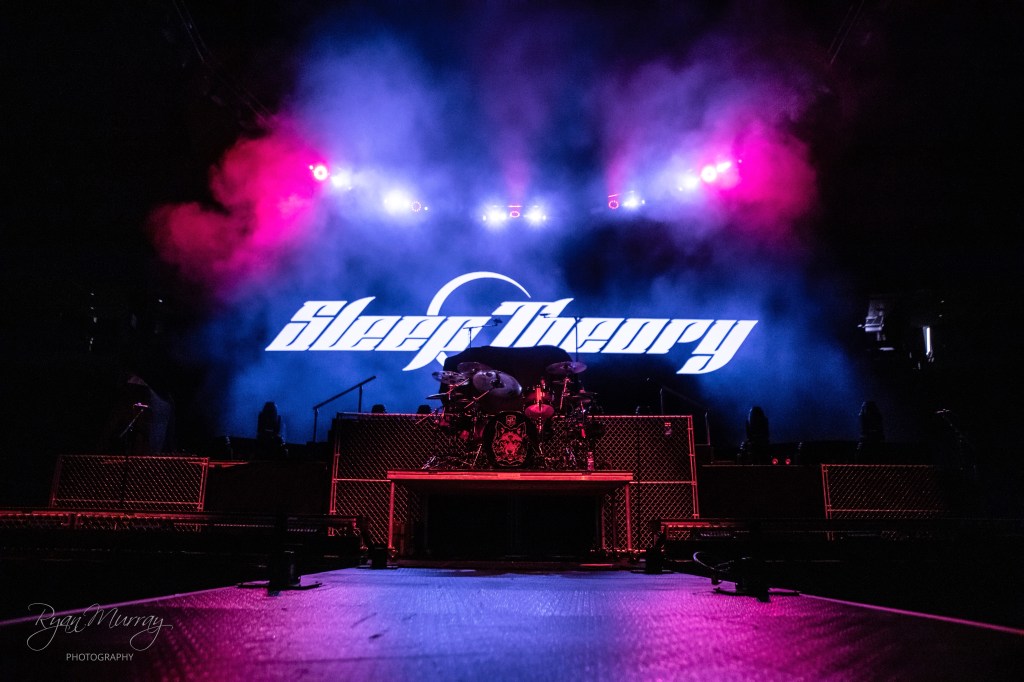
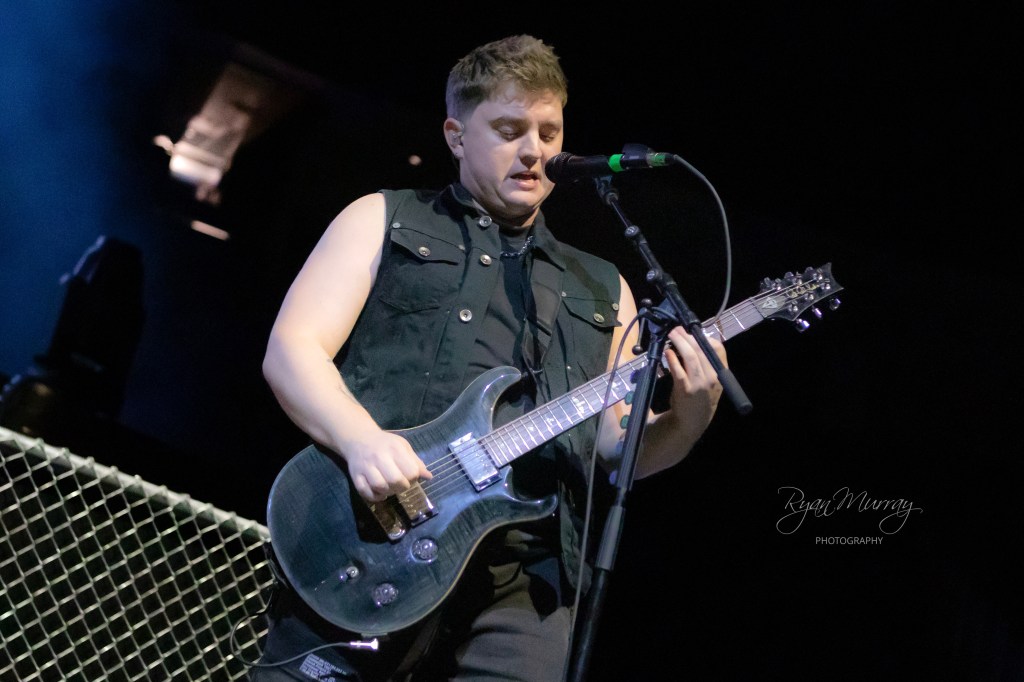
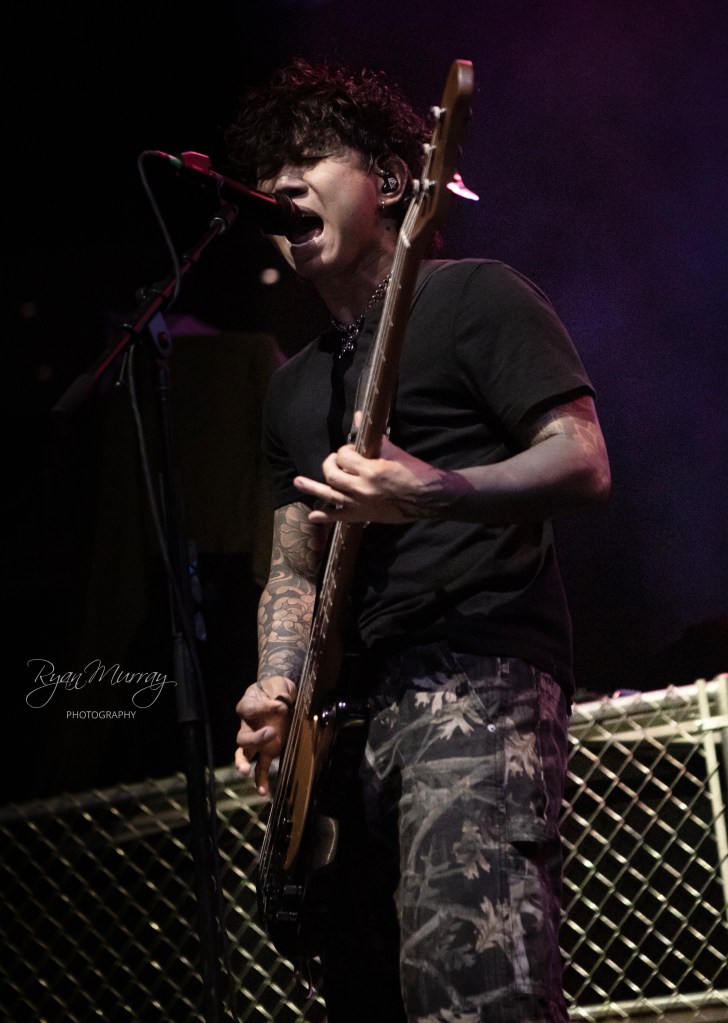
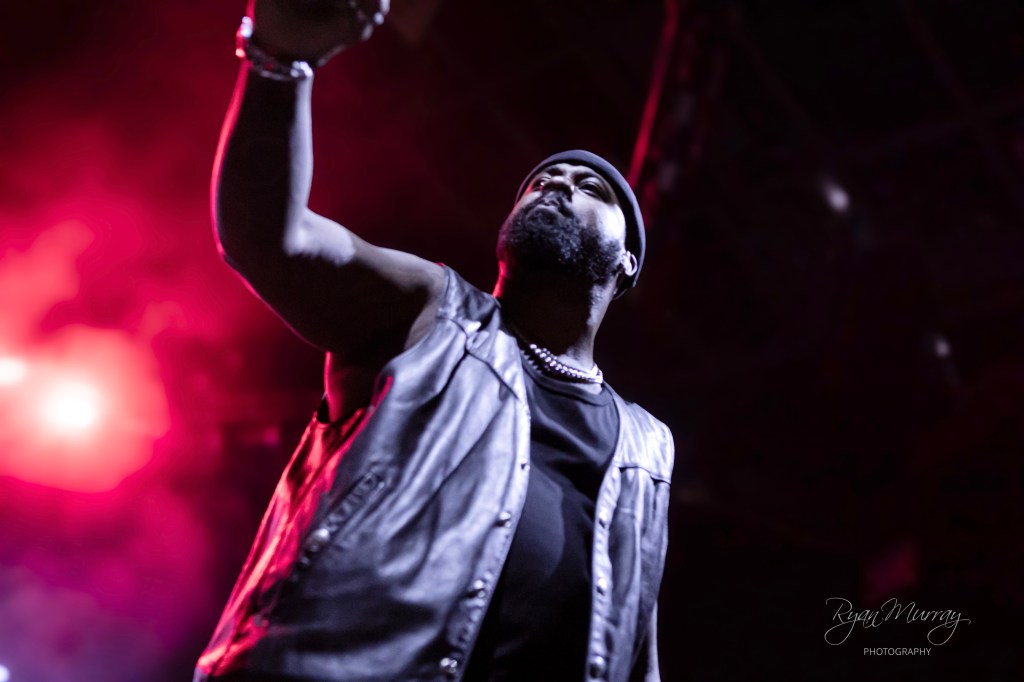
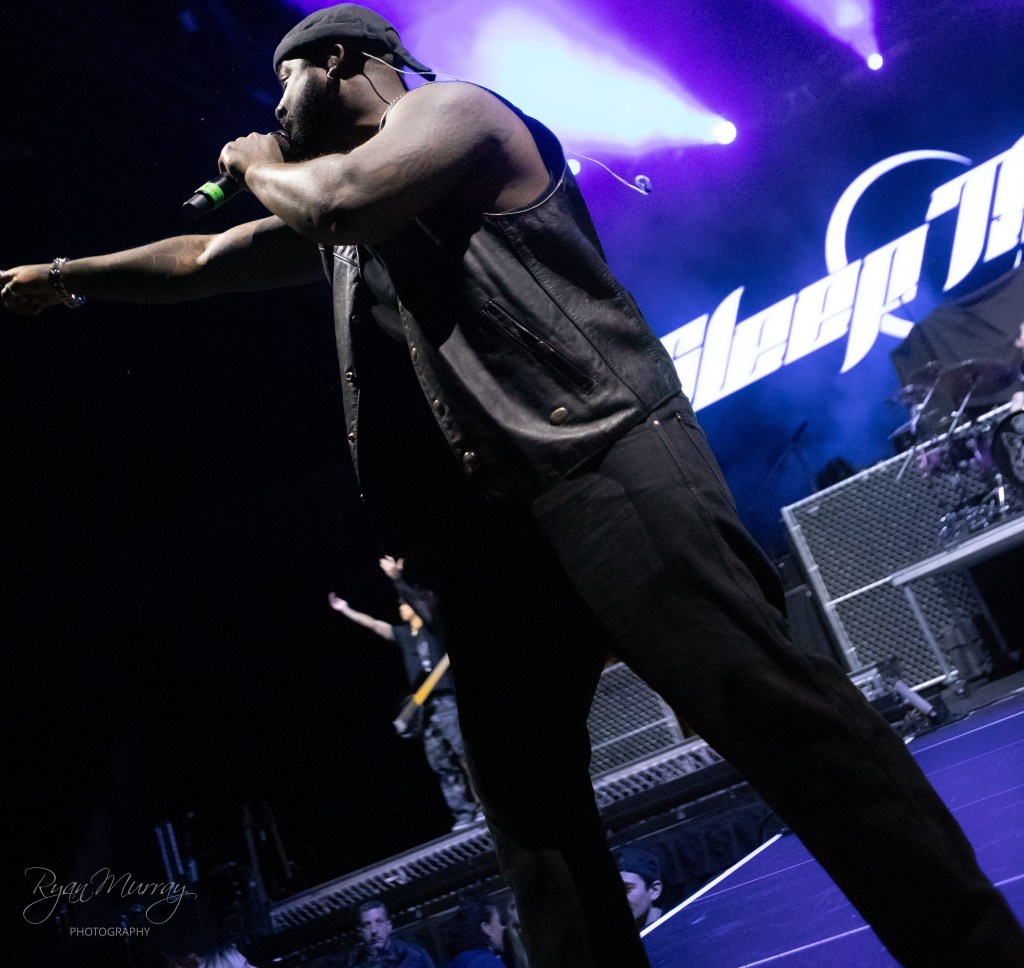
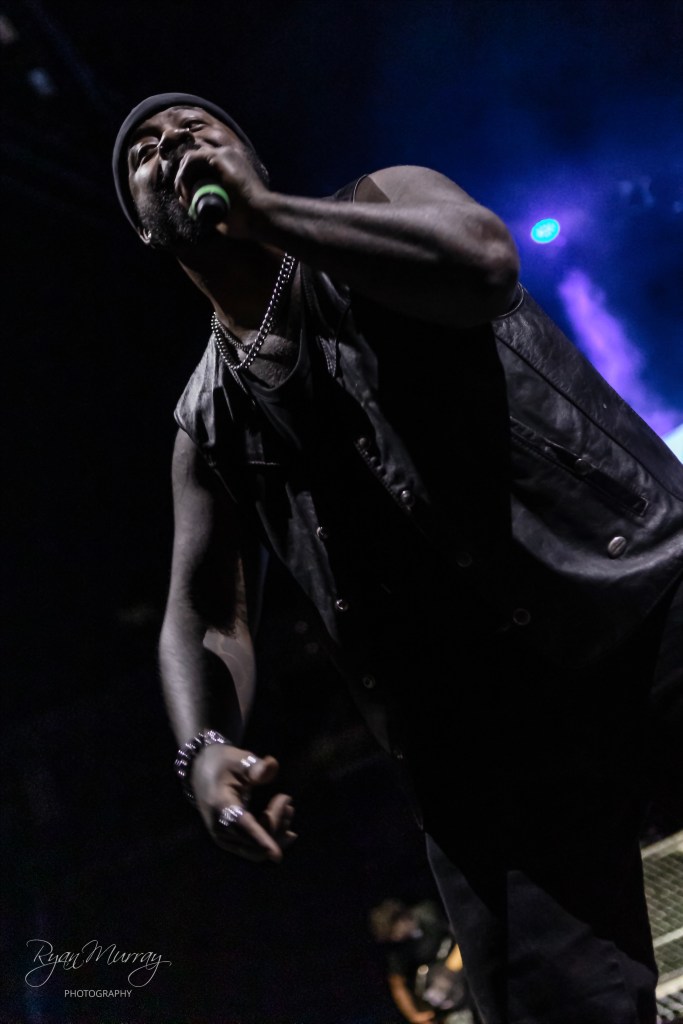
Sleep Theory followed with a set that hit immediately. From the first chord of Fallout, Cullen Moore’s clean, soaring vocals cut through the arena with precision, perfectly balanced by Daniel Pruitt’s unclean, guttural delivery. It wasn’t just noise—it was textured aggression, with every chorus and breakdown layered with melodic hooks that the crowd instantly latched onto.
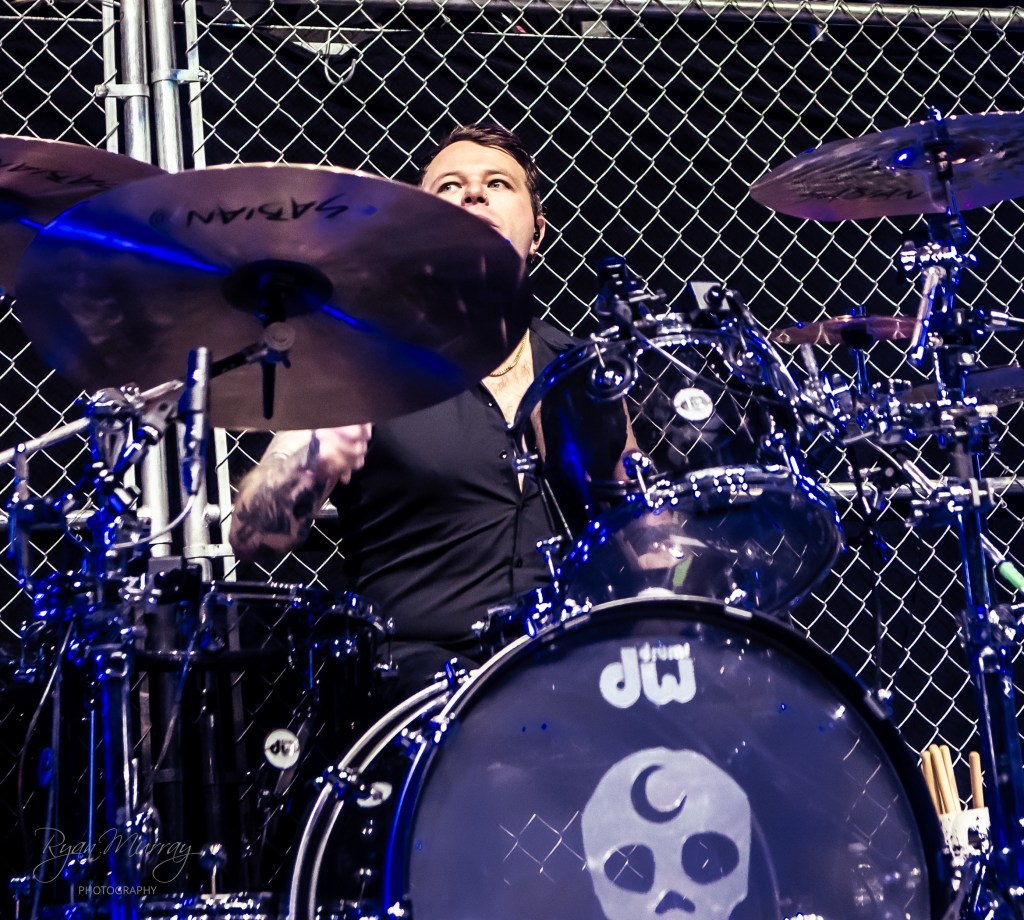
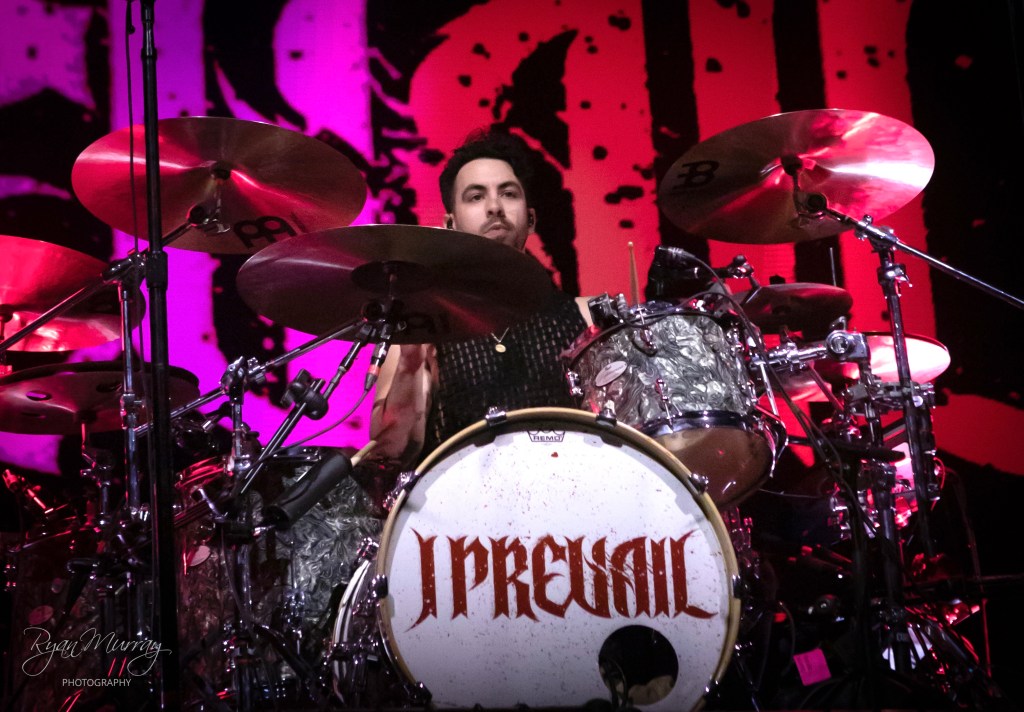
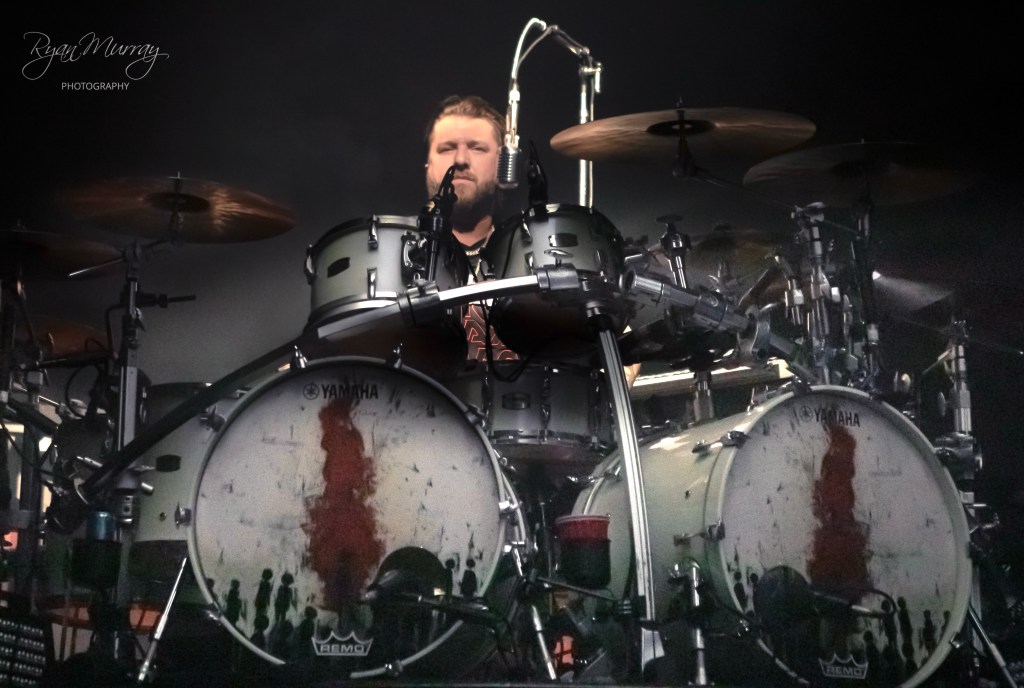
Paolo Vergara’s bass anchored the low end, giving weight to riffs that carried across the arena, while Ben Pruitt’s drums were both precise and punishing, driving the energy forward without ever letting it spill out of control. The interplay between melodic and harsh vocals allowed even the heavier passages to feel singable—the audience joining in, shouting back lines, and creating call-and-response moments integral to the performance.
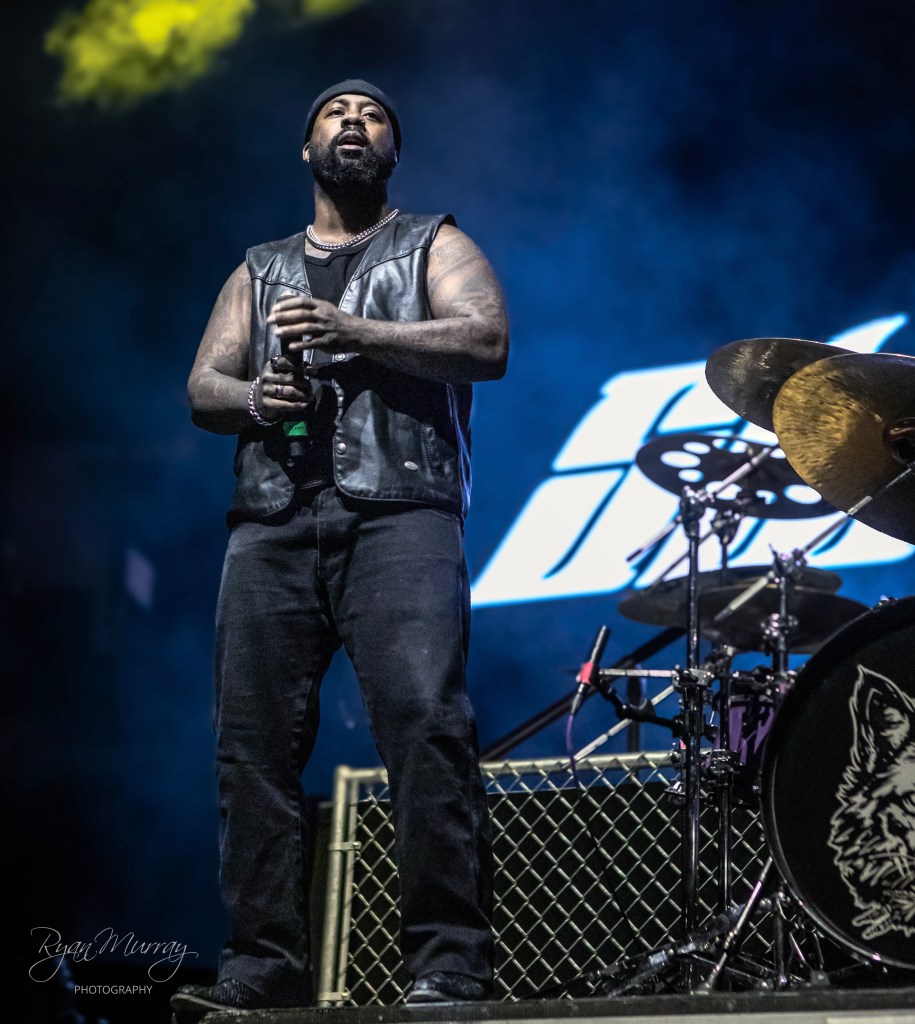
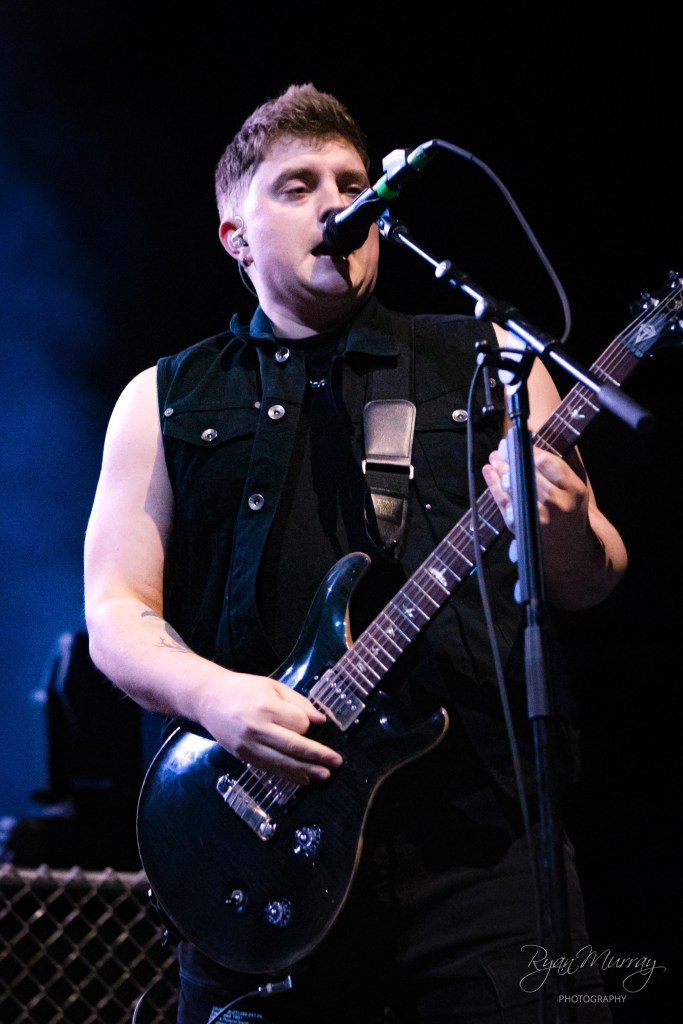
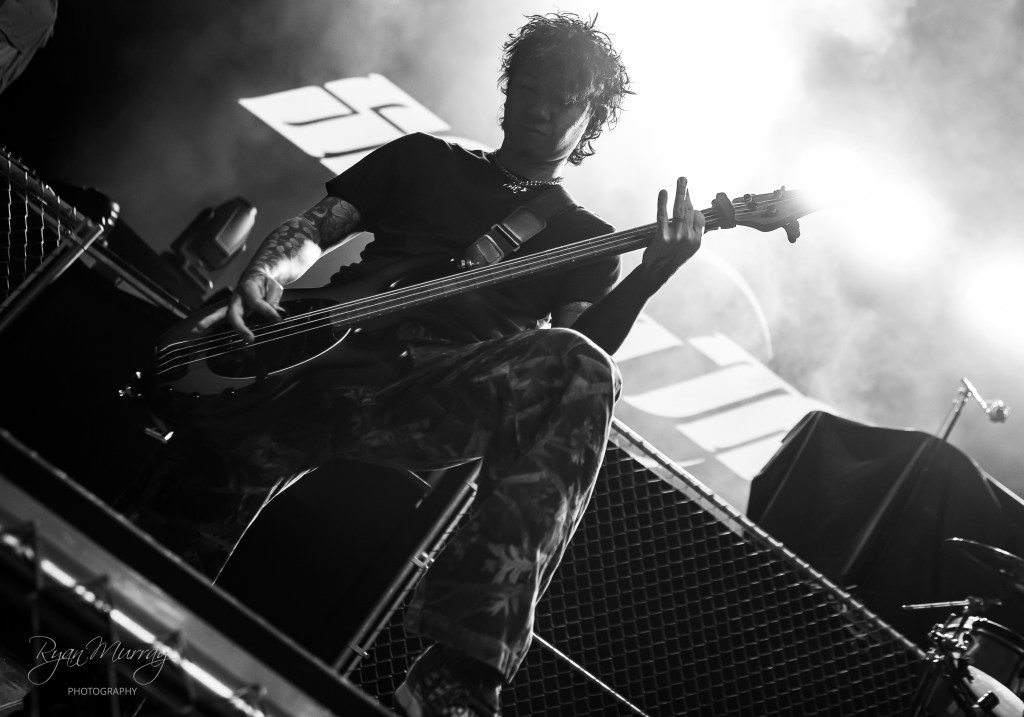
By Parasite and Just a Mistake, the crowd was already physically reacting: hands reaching, bodies swaying, phones raised, fully participating in the surge. Cullen leaned into the peaks while Daniel prowled the stage, Paolo and Ben locking the rhythm like a well-oiled machine. Gravity became a moment of full immersion—the arena singing every line together, leaning on each other, feeding back energy to the band.
Cryo blasts punctuated transitions, not as gimmicks but as physical punctuation marks. It’s Over, Words Are Worthless, Stuck in My Head, Numb, and Static weren’t just songs—they were moments that encompassed tension, release, and unity, the audience and band moving together as one. Sleep Theory didn’t just perform—they commanded the arena, making every hook land with precision and every scream count.
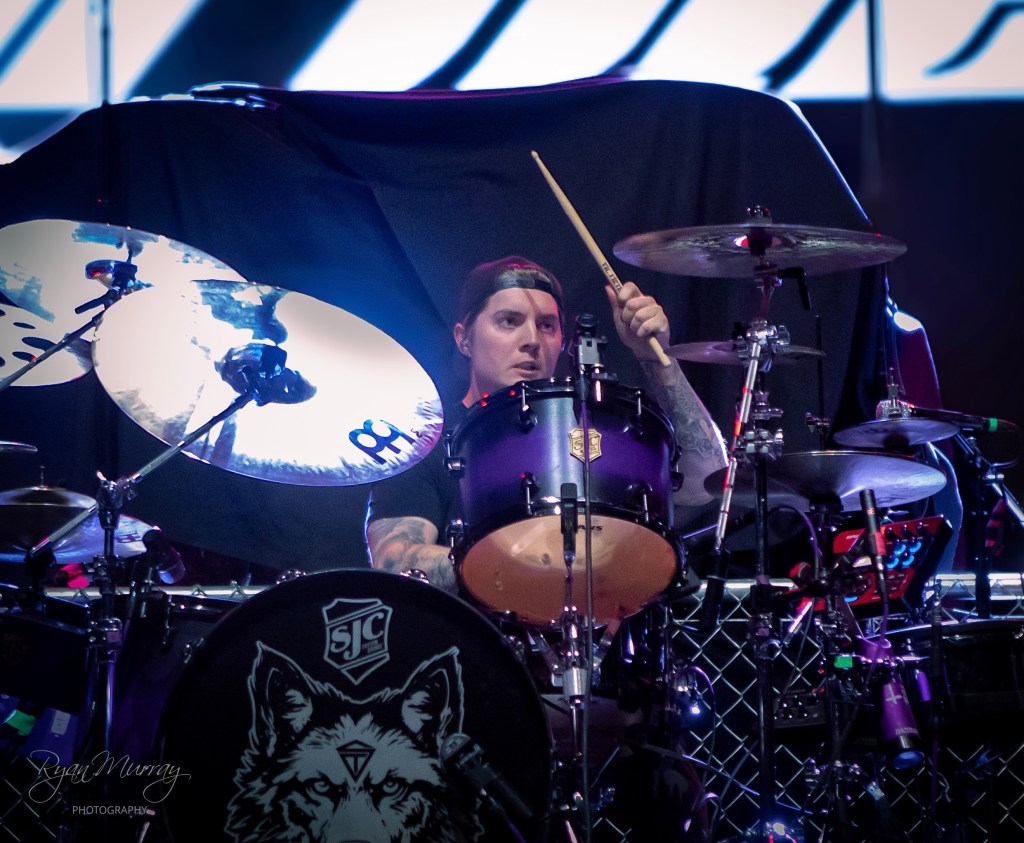
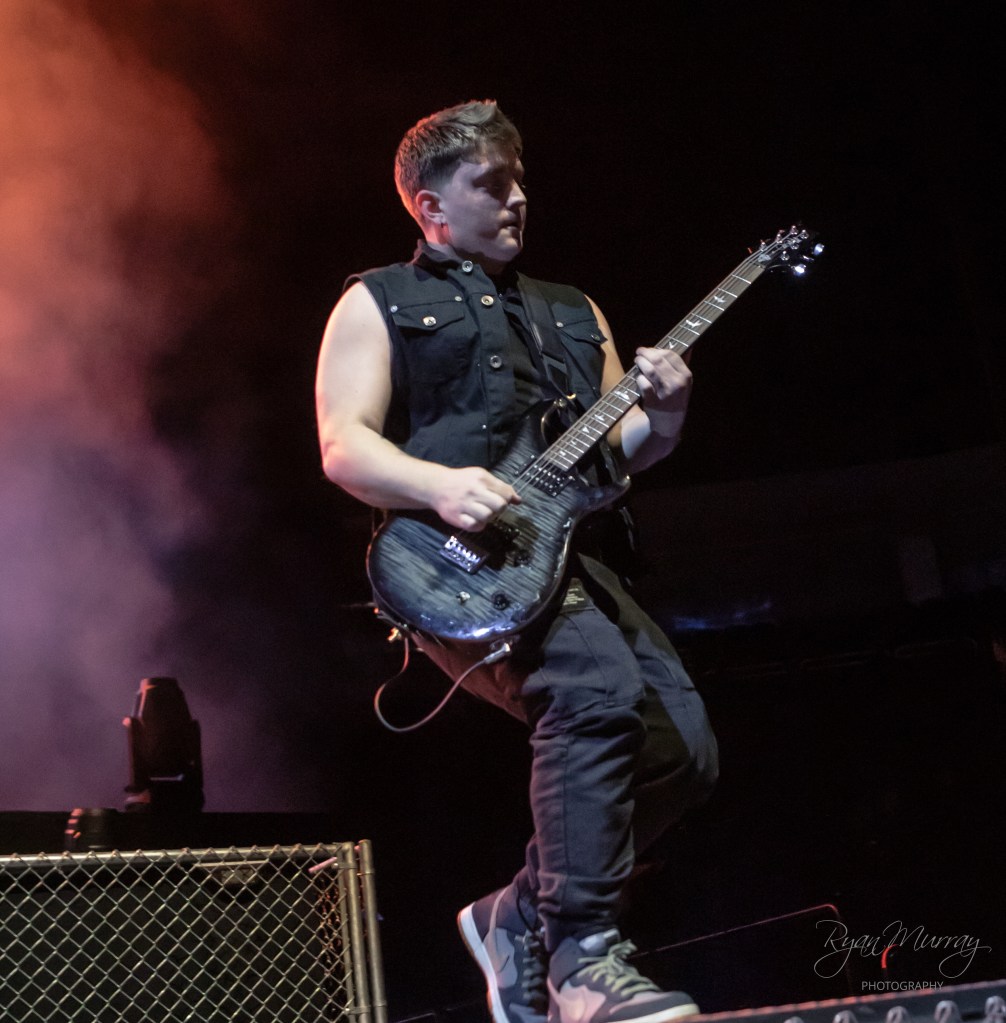
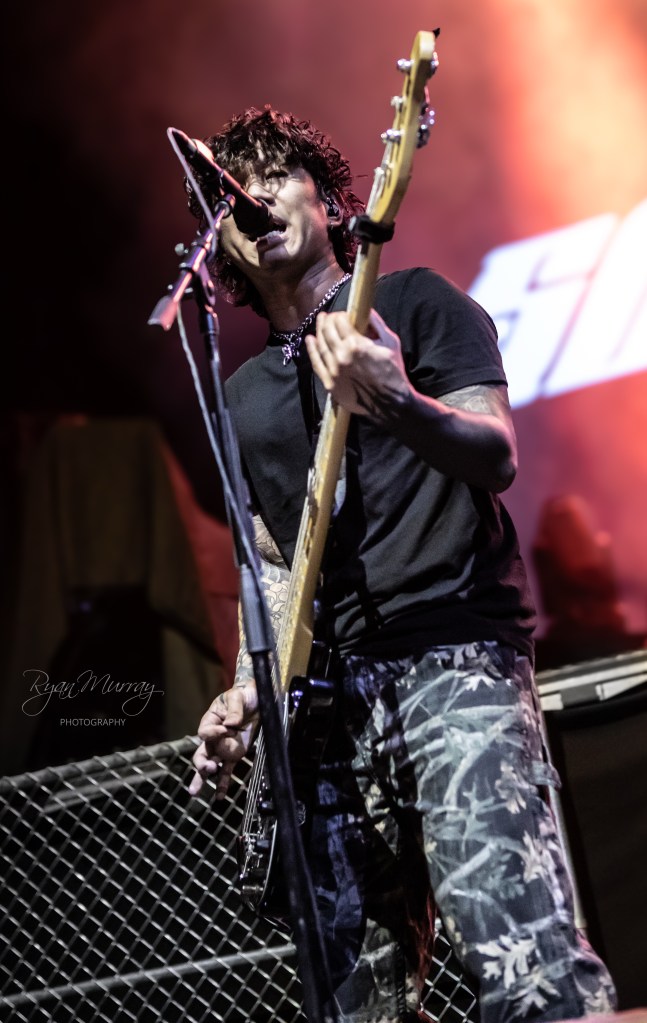
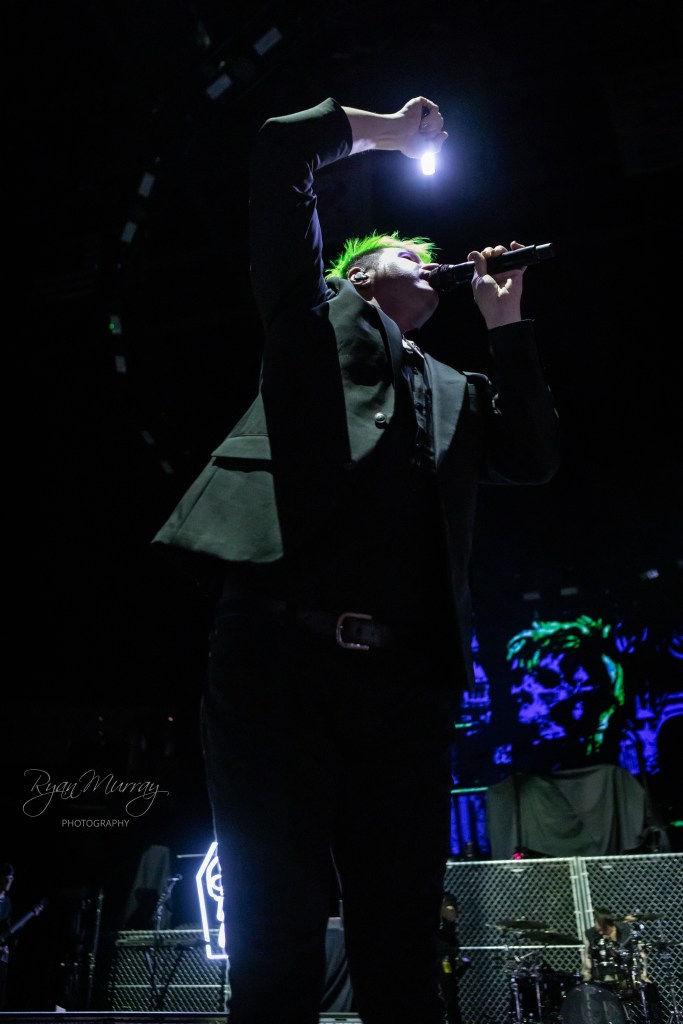
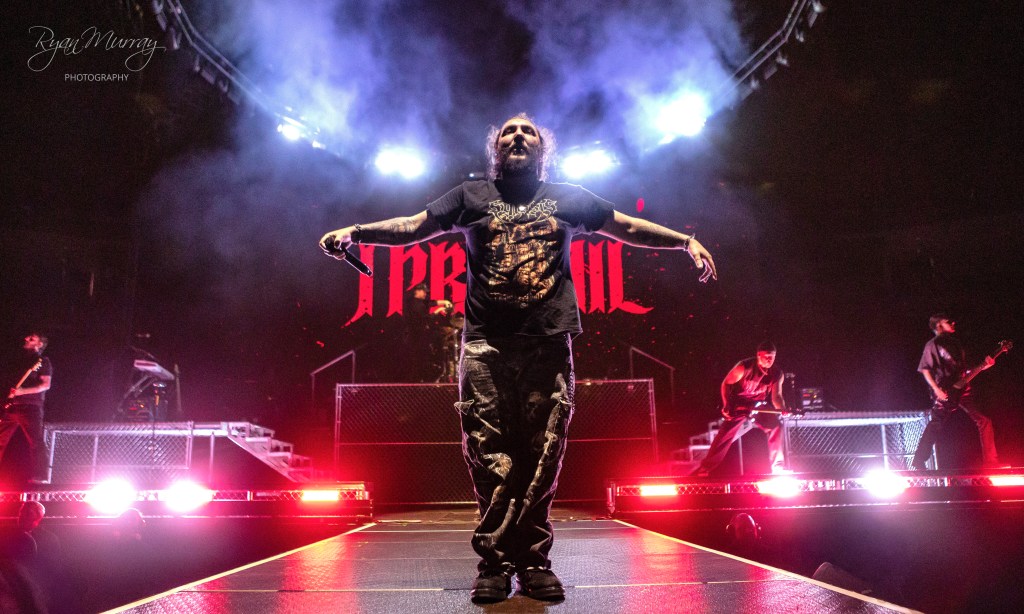
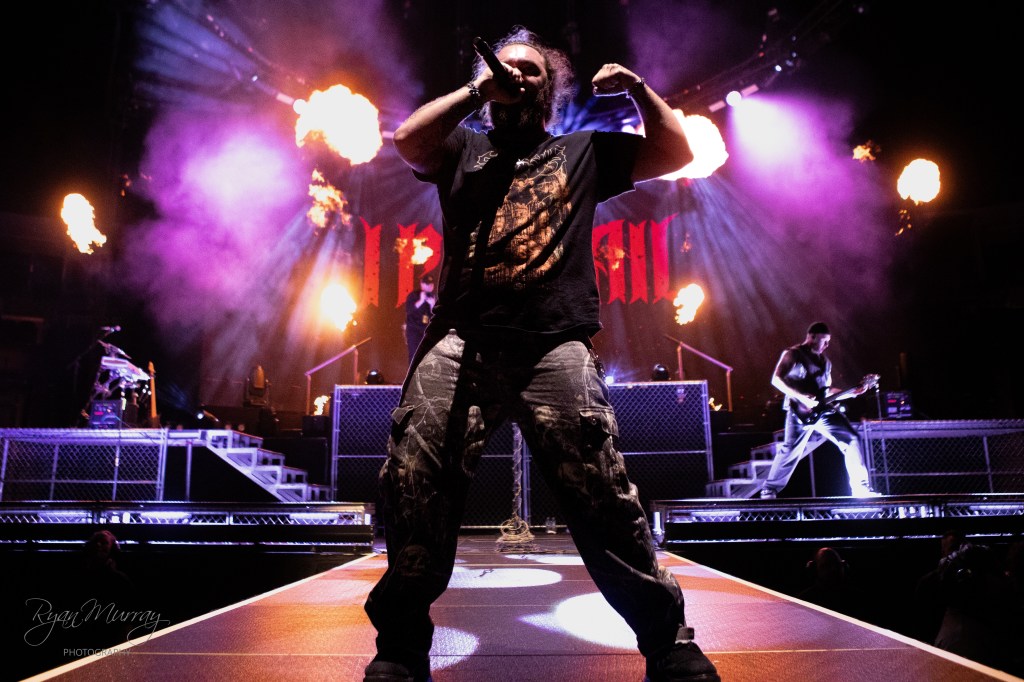
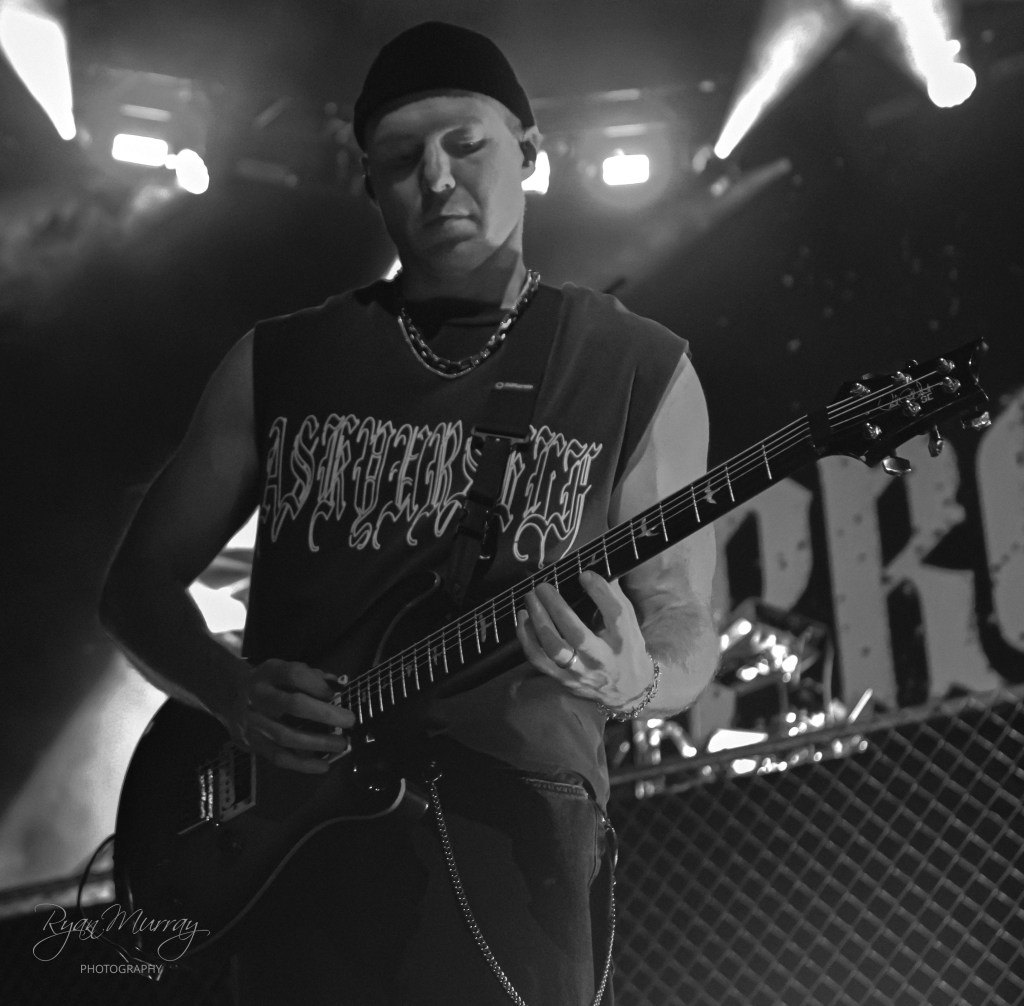
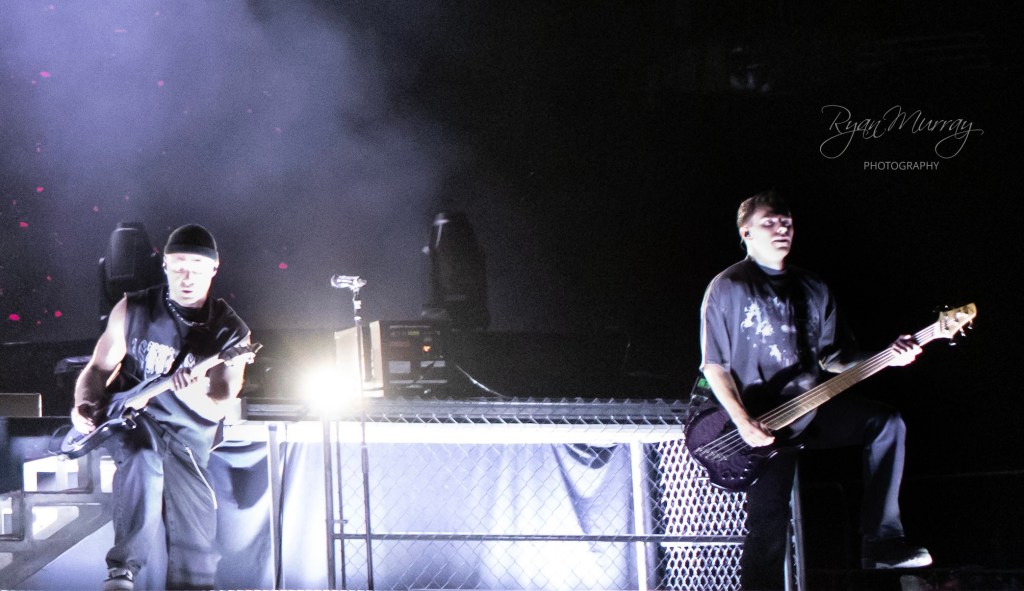
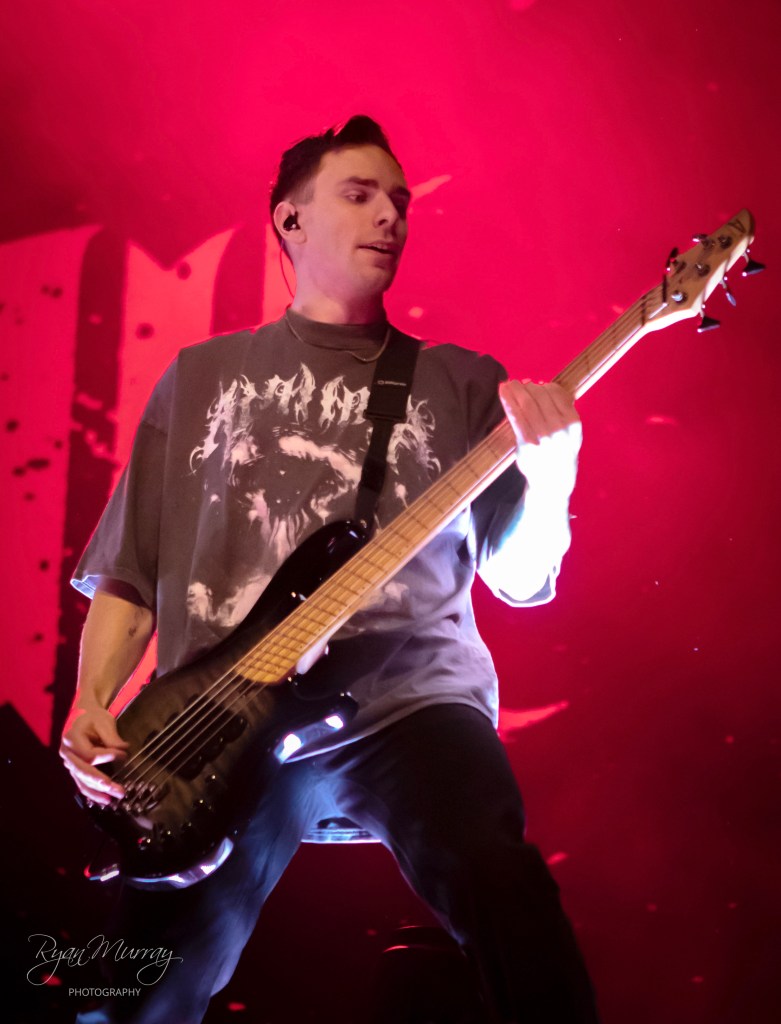
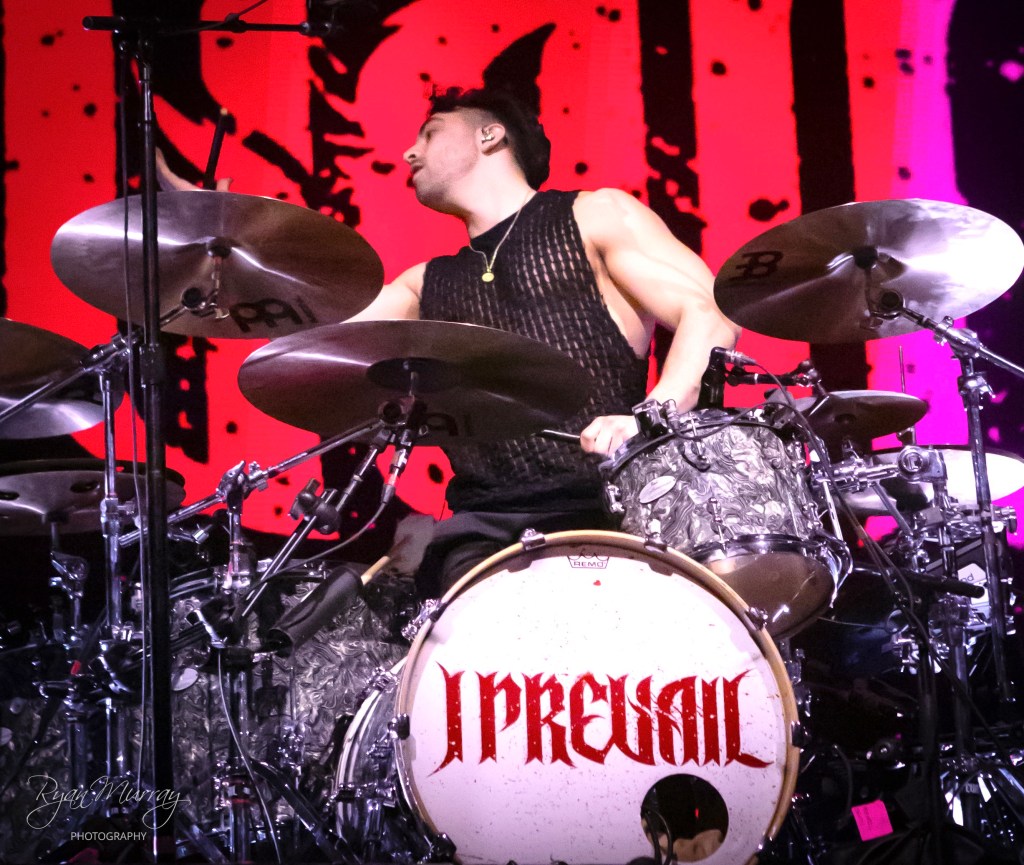
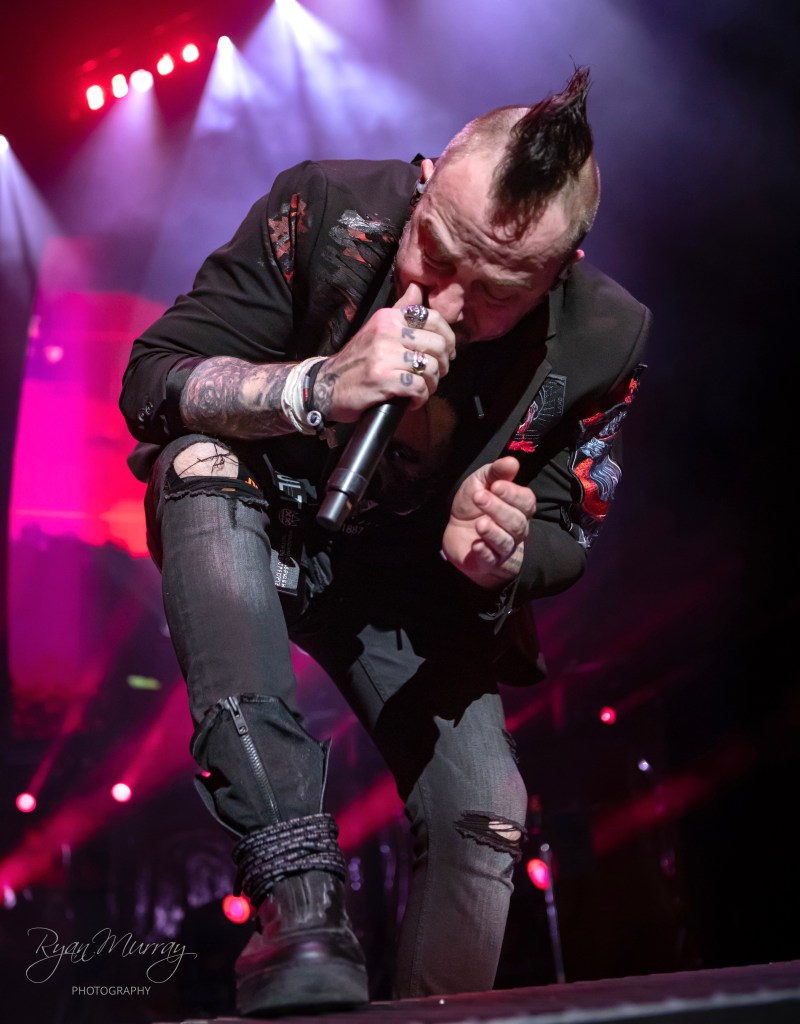
I Prevail took that momentum and escalated it immediately. From NWO into Bow Down, Brian Burkheiser’s clean, melodic vocals cut like a blade, perfectly contrasting Eric Vanlerberghe’s harsh screams. The combination made every chorus explode in the pit, every breakdown hit like a punch to the chest.
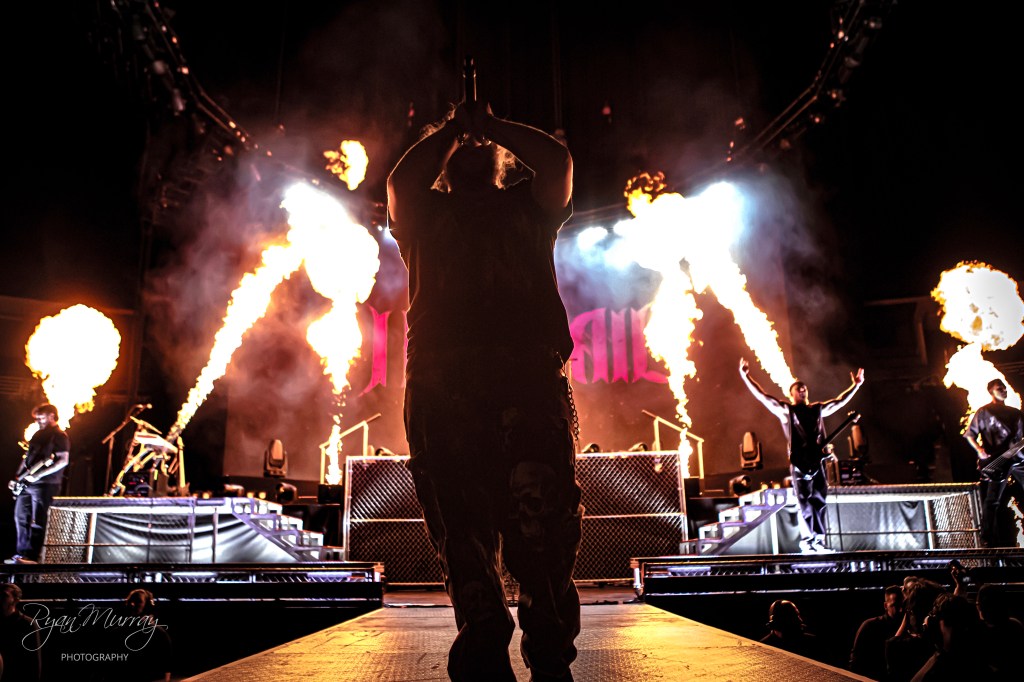
By the second song, the pyro hit, and I could feel it from the photo pit—the heat rolling across the floor, flames stabbing the air, every burst perfectly timed with the riffs. I watched the pit erupt with every surge and jump, the crowd’s roar colliding with the music, and could see the chaos and energy spill out across the arena. The sound, the lights, the smoke—it hit me all at once, and I was right there capturing every explosive moment.
Steve Menoian and Dylan’s harmonized guitars locked perfectly with the rhythm section, sharpening each riff and making every breakdown feel tectonic. The pit responded instantly, pushing forward, shouting every line, bodies moving as one.
Self-Destruction and There’s Fear in Letting Go showcased technical precision, melodic hooks, and controlled aggression. During Violent Nature and Into Hell, the pit became a storm of movement, fans leaning over barricades, shouting every line, responding in real time. Pyro bursts and drum flourishes reinforced the intensity without overshadowing the music. Closing tracks Bad Things, Sad but True, Rain, God, Hurricane, and Gasoline didn’t just end the set—they pushed the arena into a frenzy, bodies and voices matching the band’s raw power. I Prevail didn’t just play—they engineered controlled chaos, with melodic sensibility threading every heavy moment.
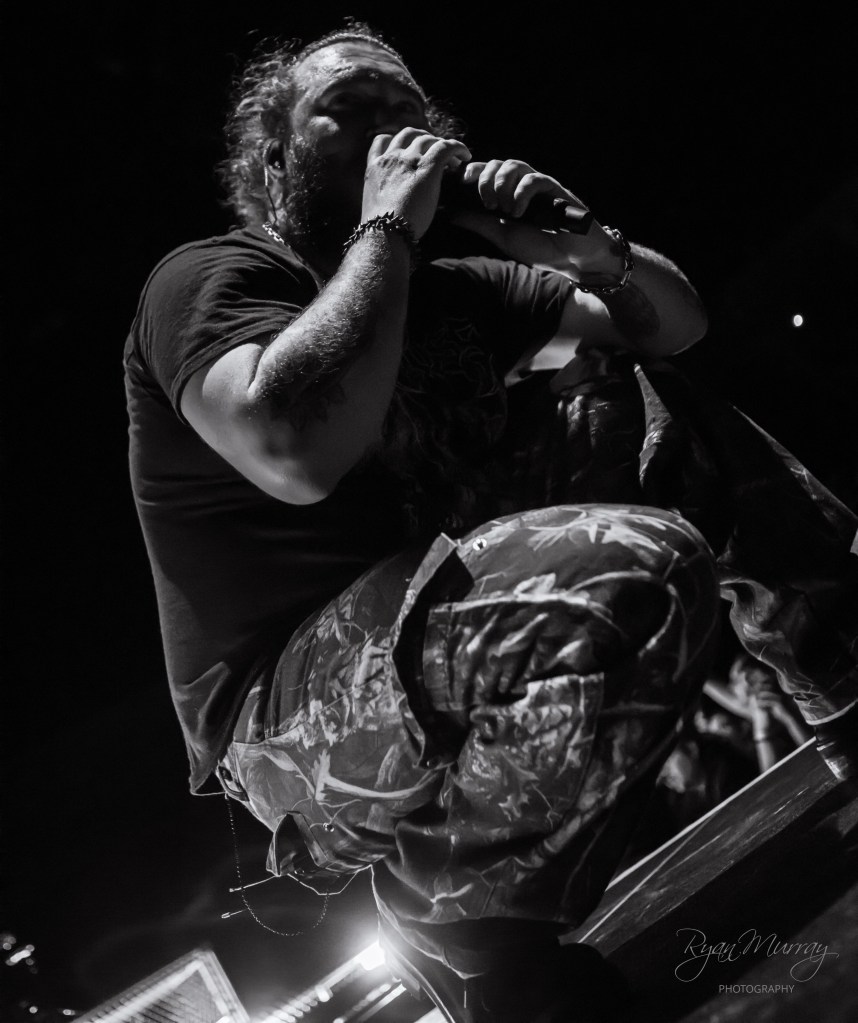
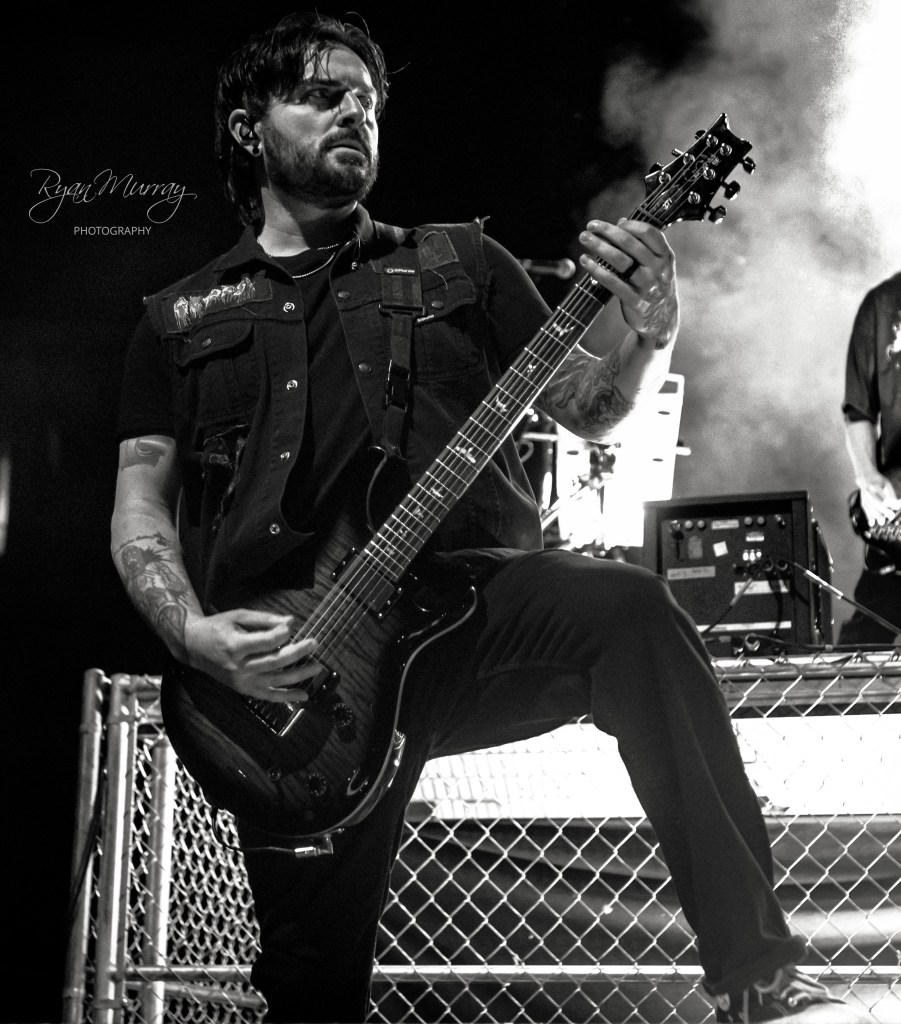
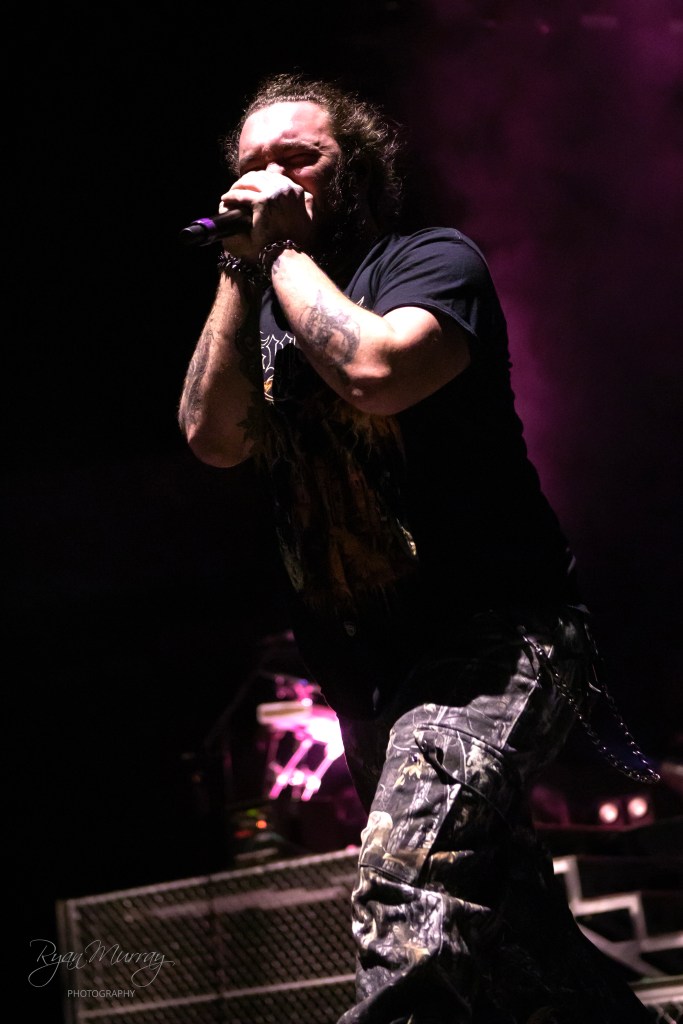
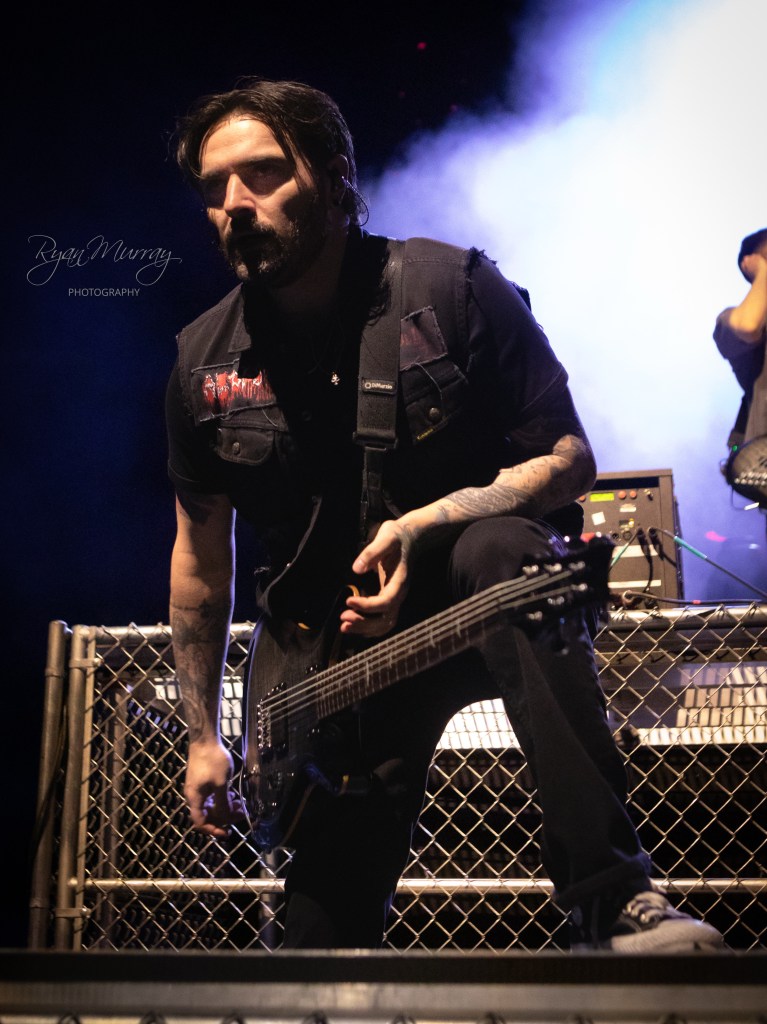
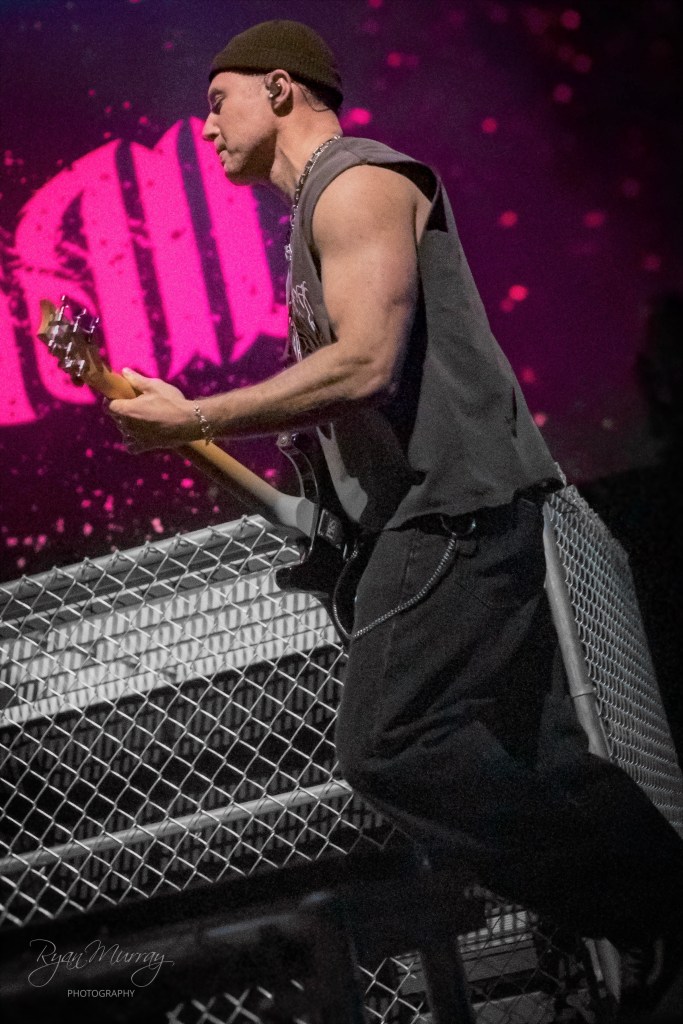
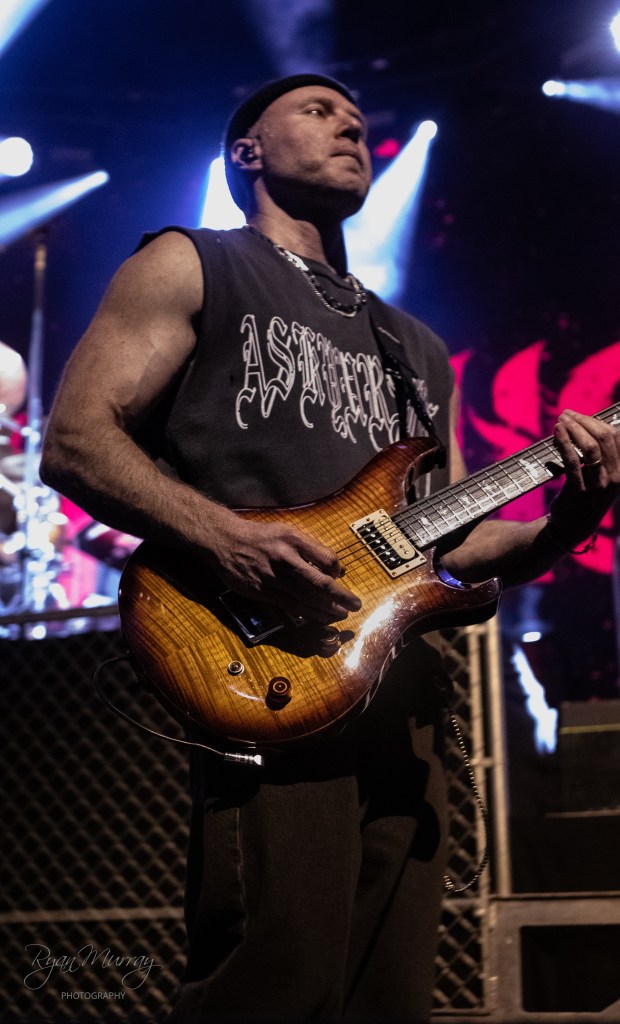
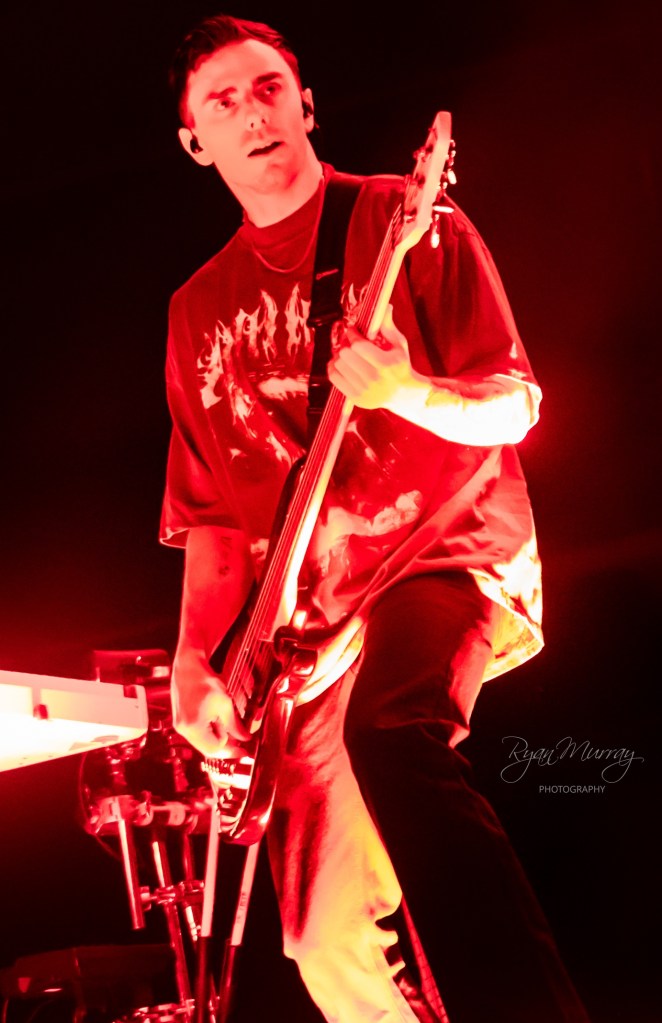
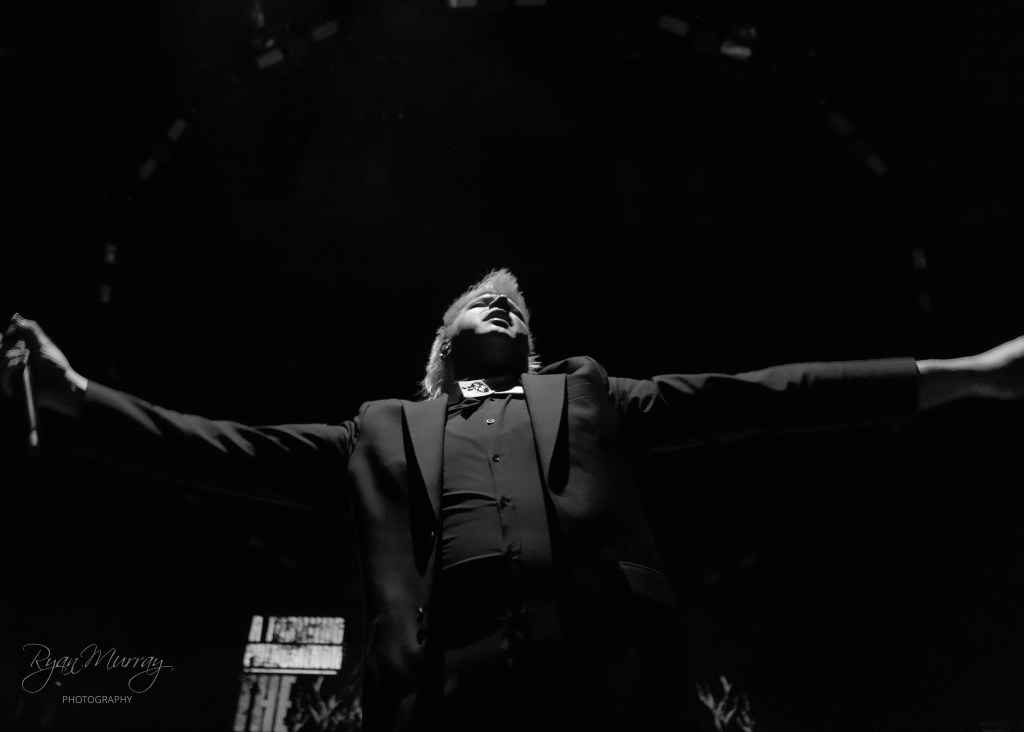
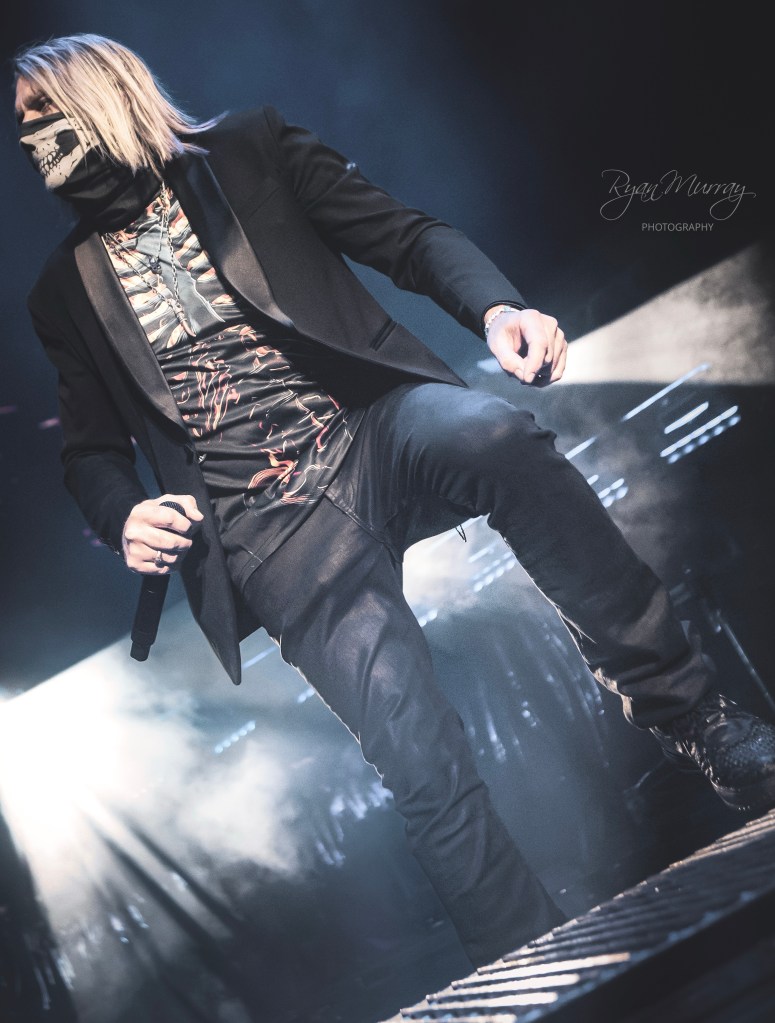
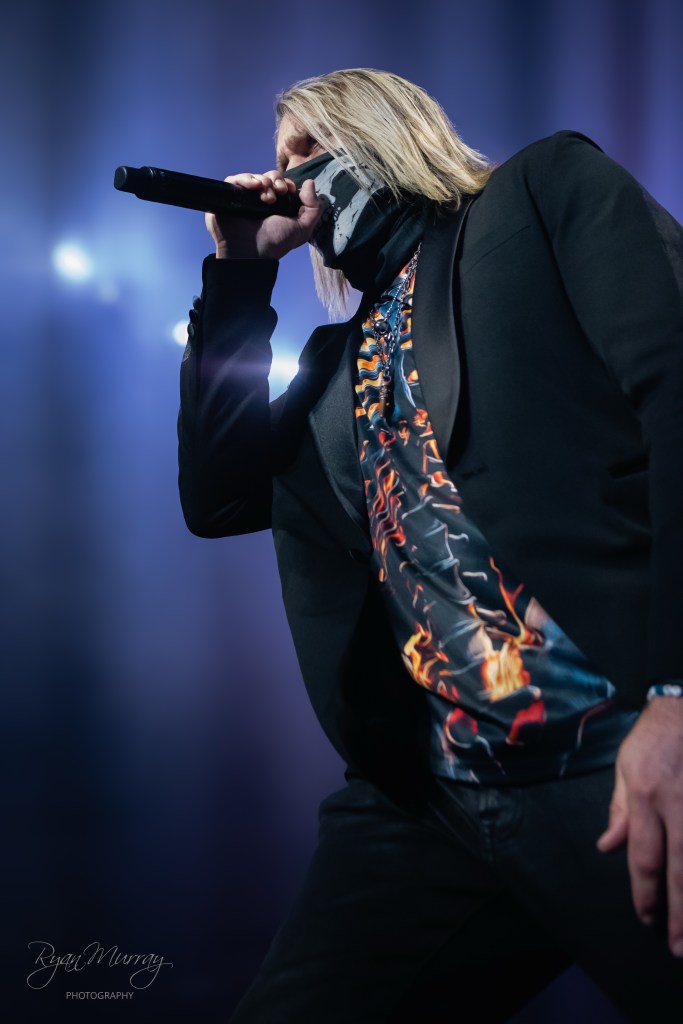
When Three Days Grace hit the stage, the arena ruptured. From Dominate into Animal I Have Become and So Called Life, every riff cut like steel and every drumbeat struck the floor like a hammer. The crowd erupted immediately, screaming back each chorus, arms raised, bodies moving in unison, the pit becoming a living extension of the stage.
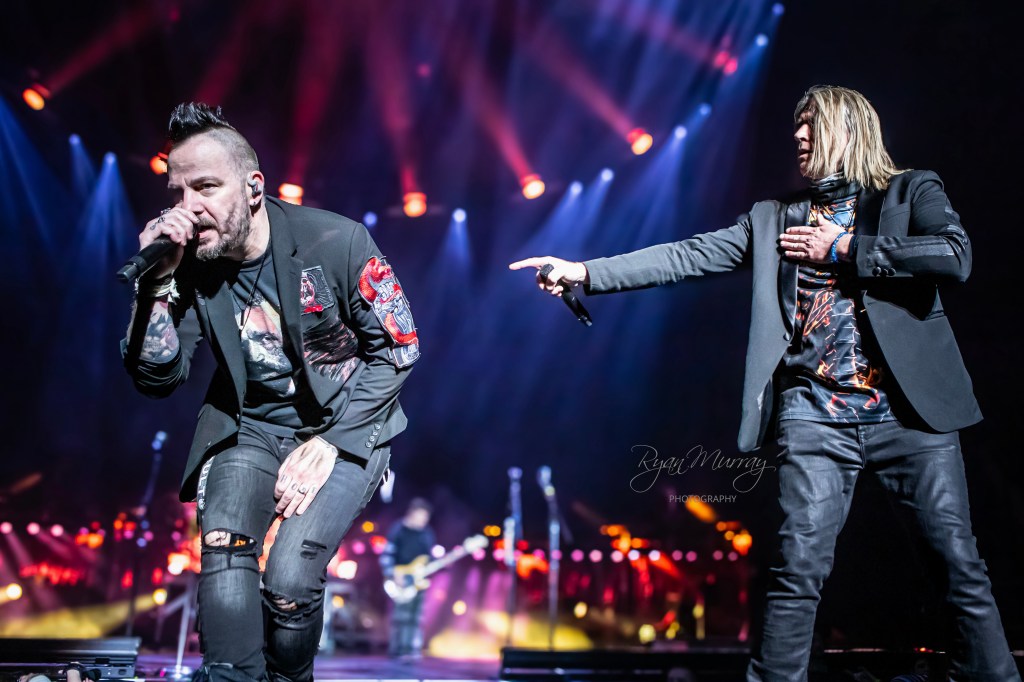
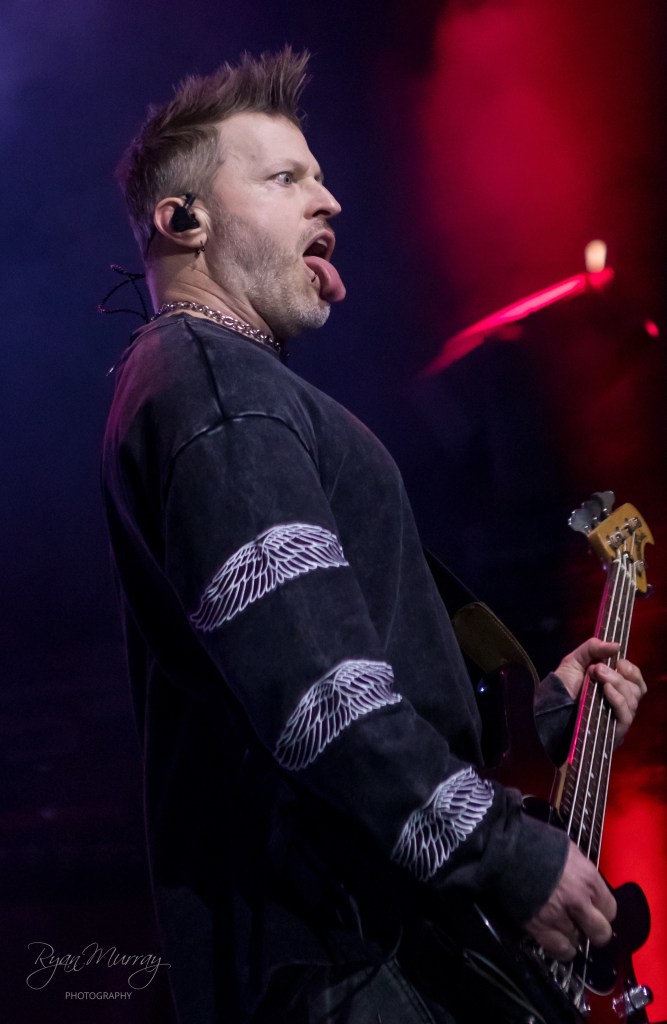
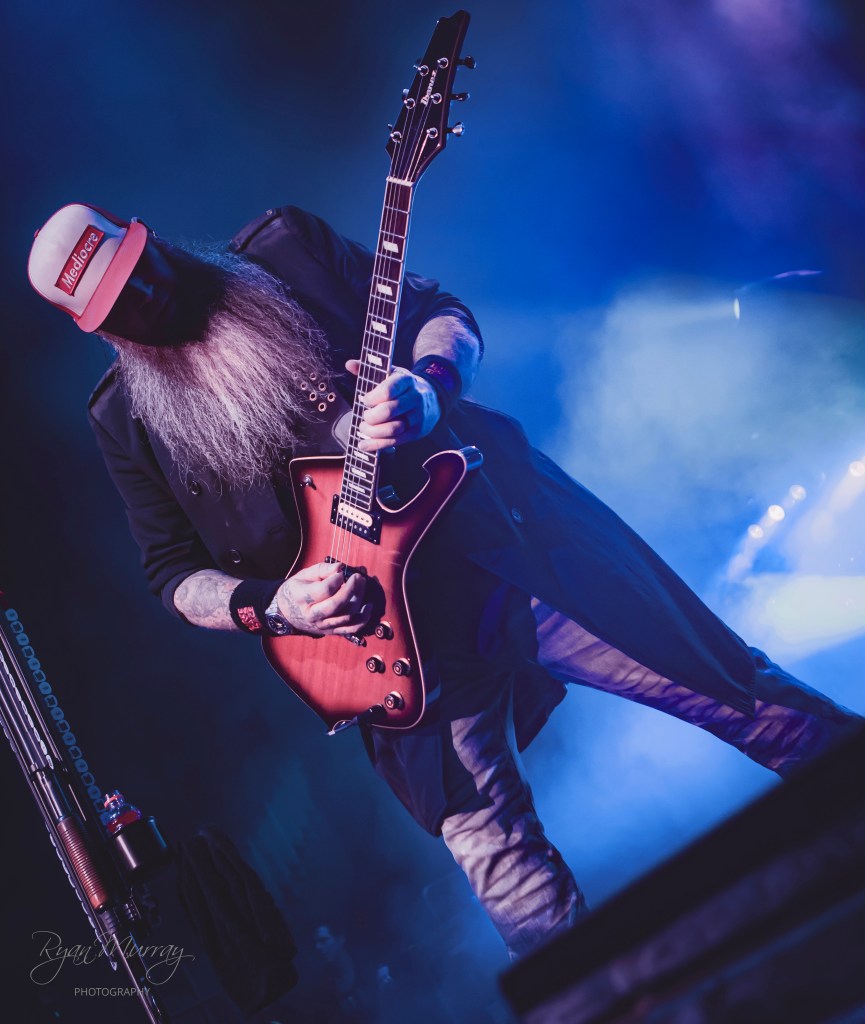
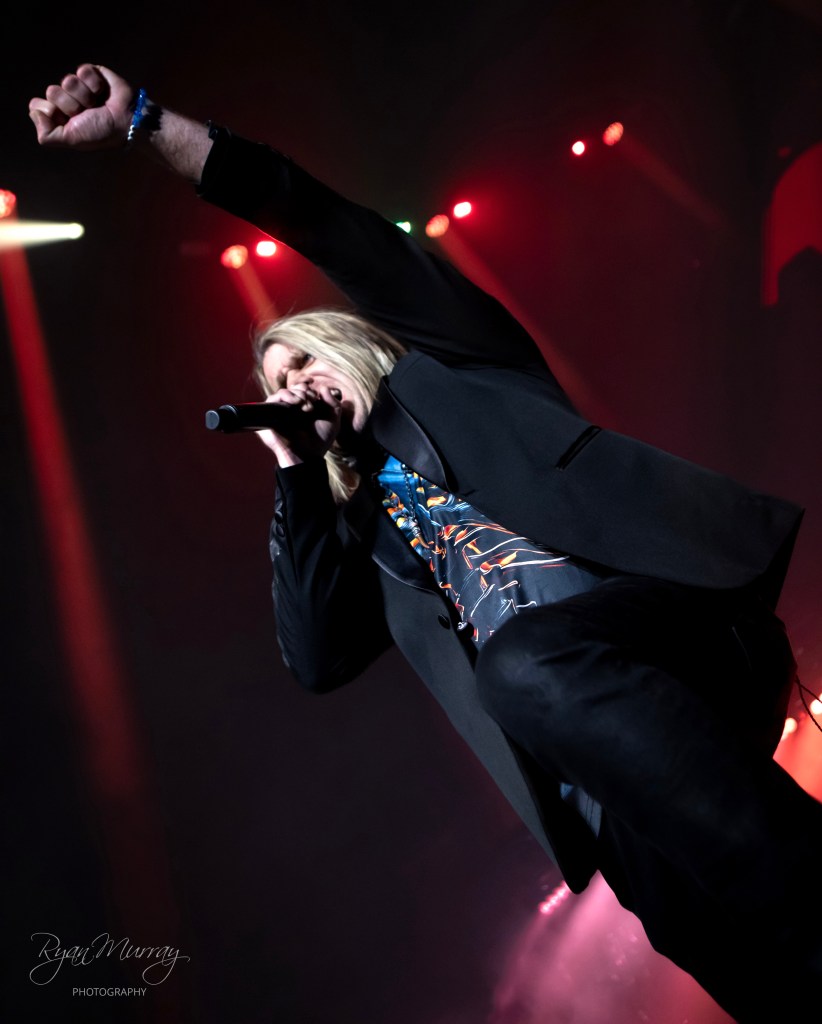
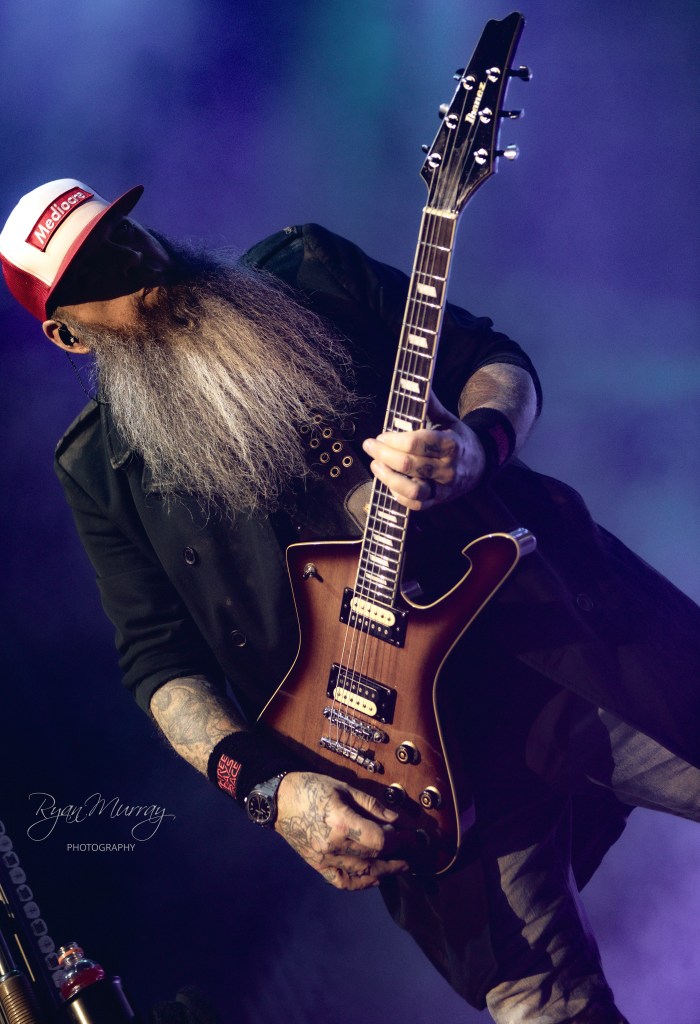
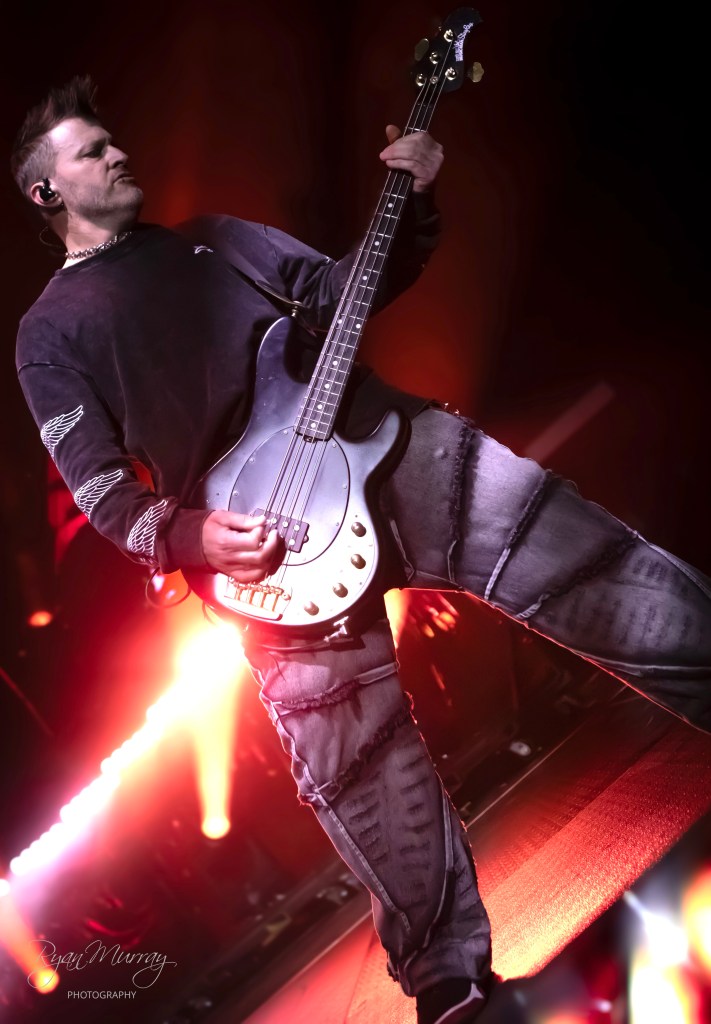
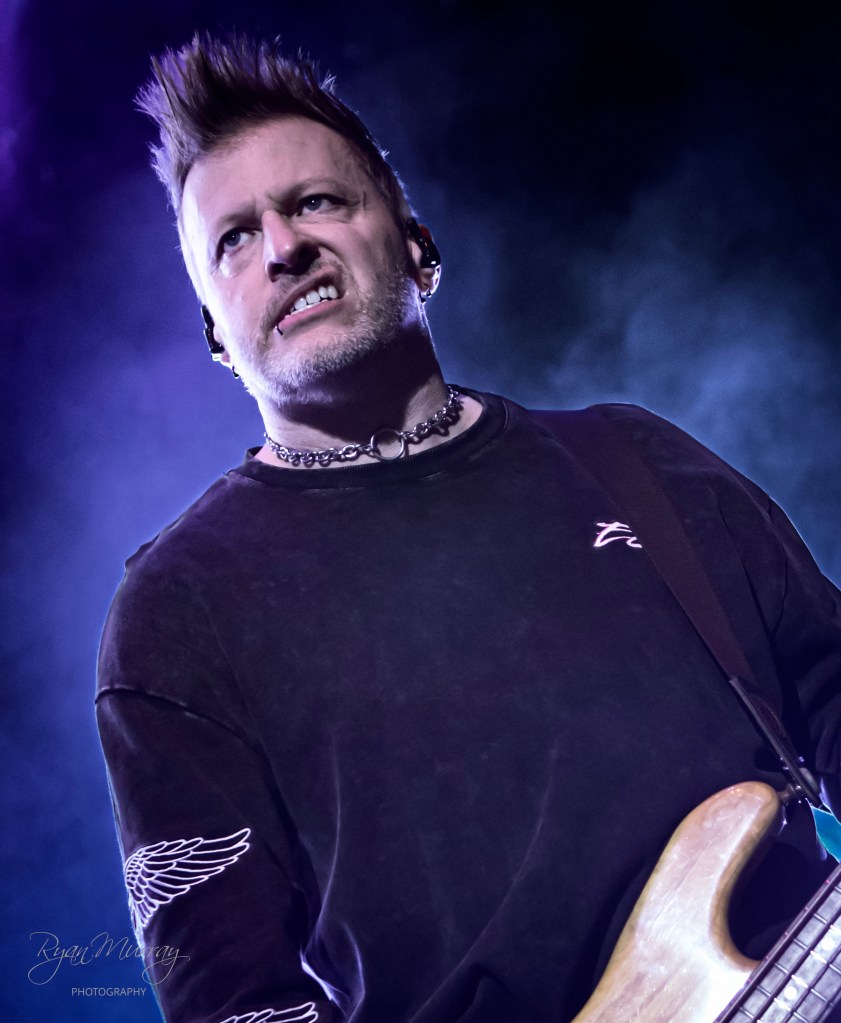
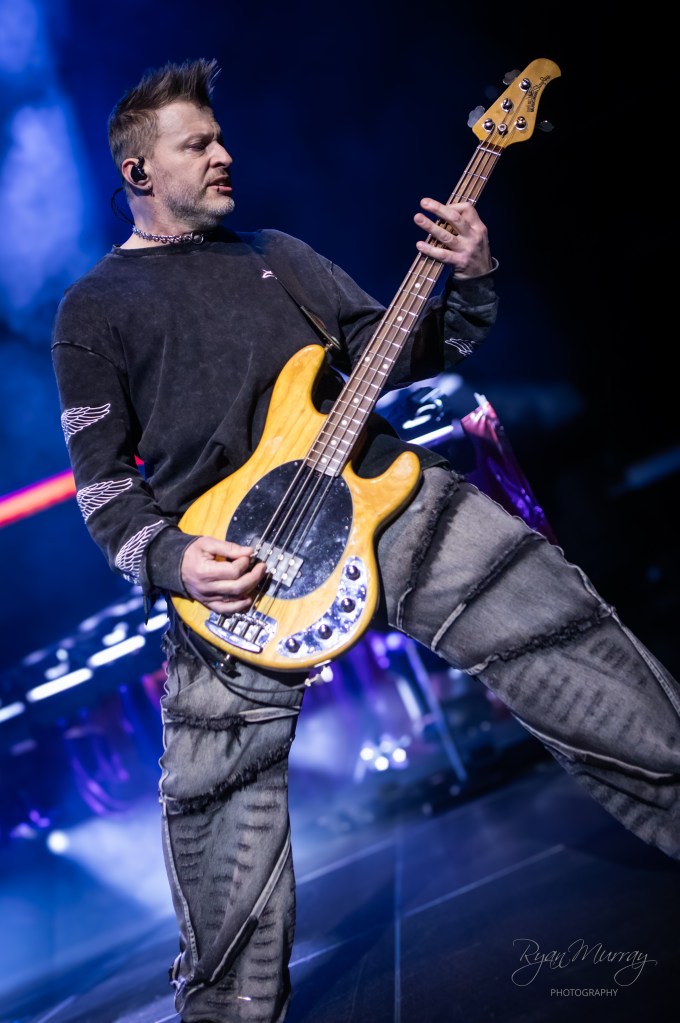
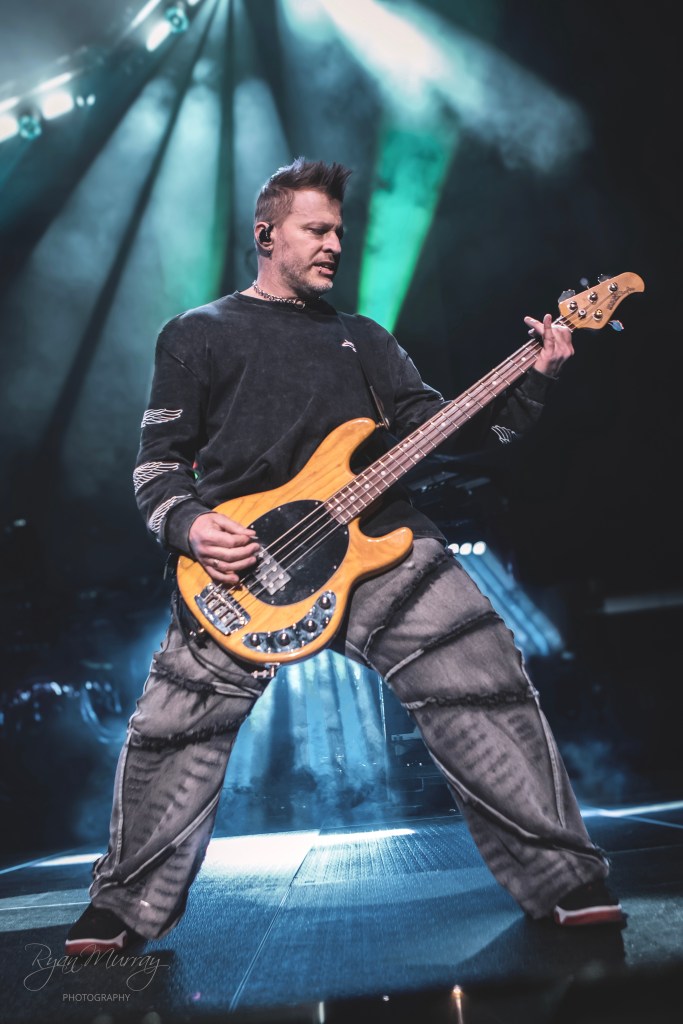
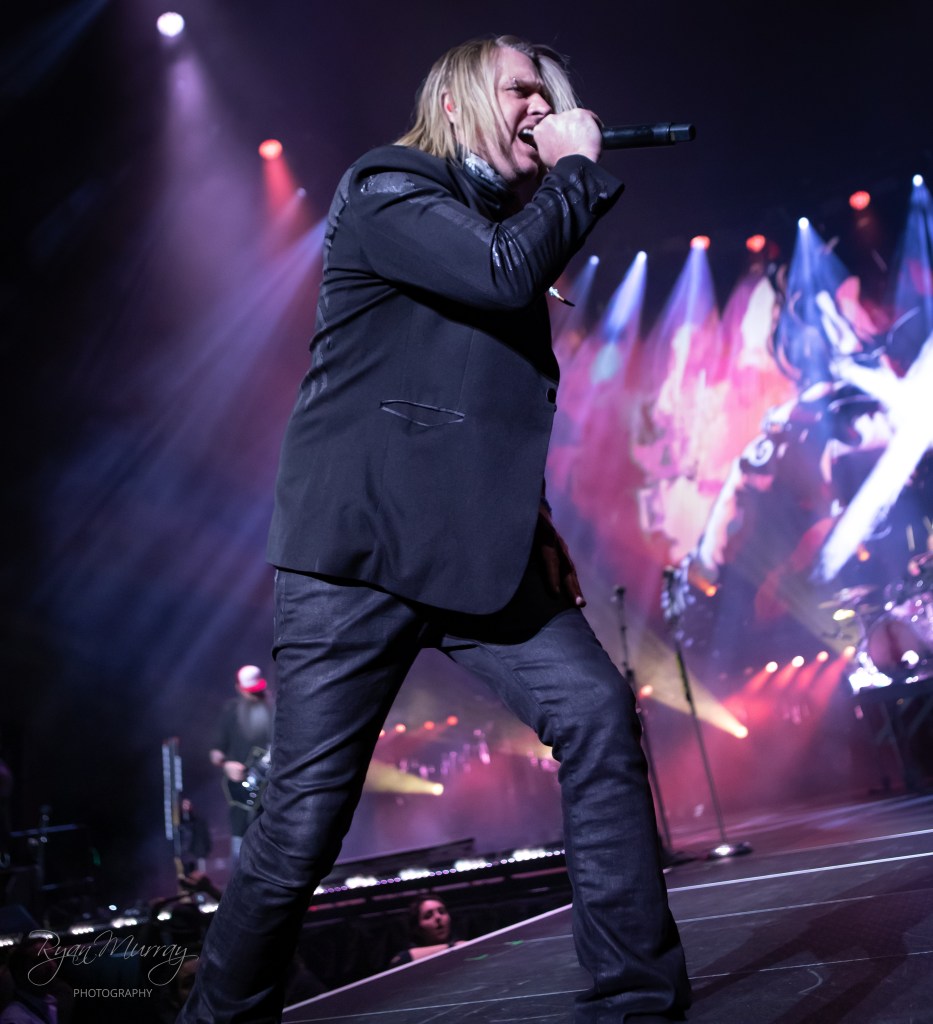
Adam Gontier’s raw, gravelly lead vocals carried both power and grit, cutting through heavy riffs with razor precision. Matt Walst’s melodic counterpoint added sharp contrast, creating a vocal interplay that made every line soar while still crushing. Each chorus landed like a punch, each breakdown hit the pit as a coordinated surge of heat and sound. Barry Stock on lead and double-neck, Brad Walst on bass, Neil Sanderson on drums, and Cale Gontier on acoustic intertwined seamlessly, each reinforcing the other while commanding the arena floor.
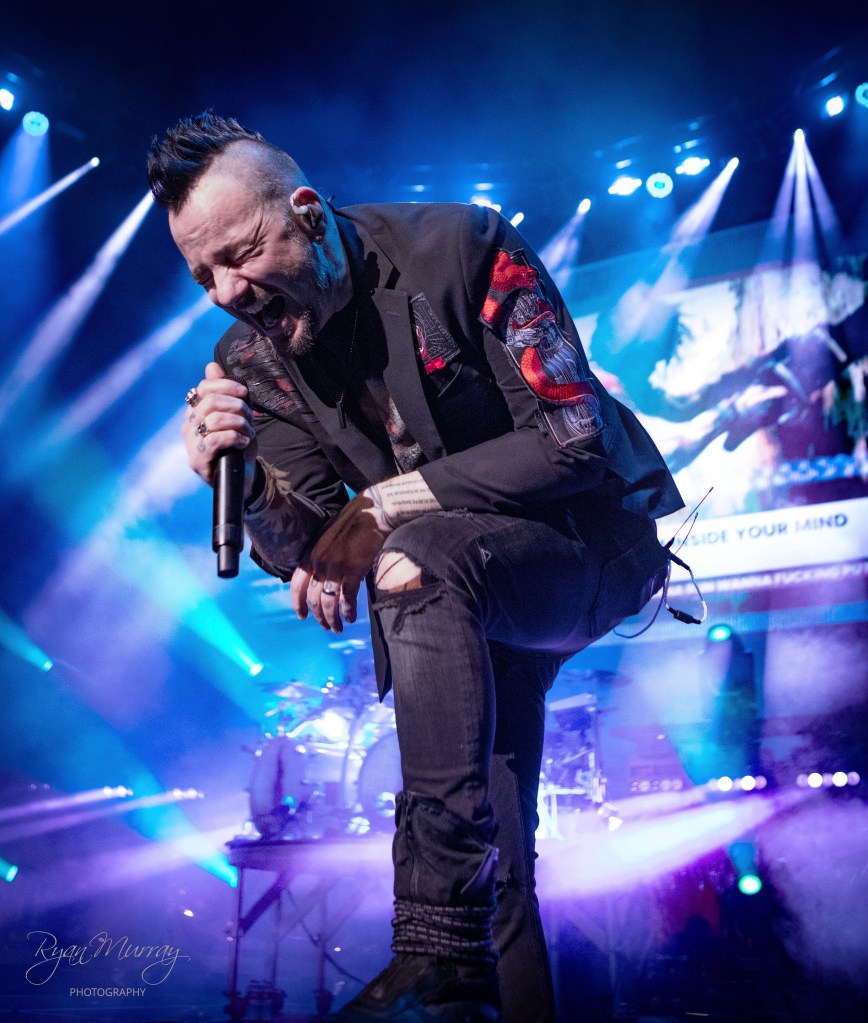
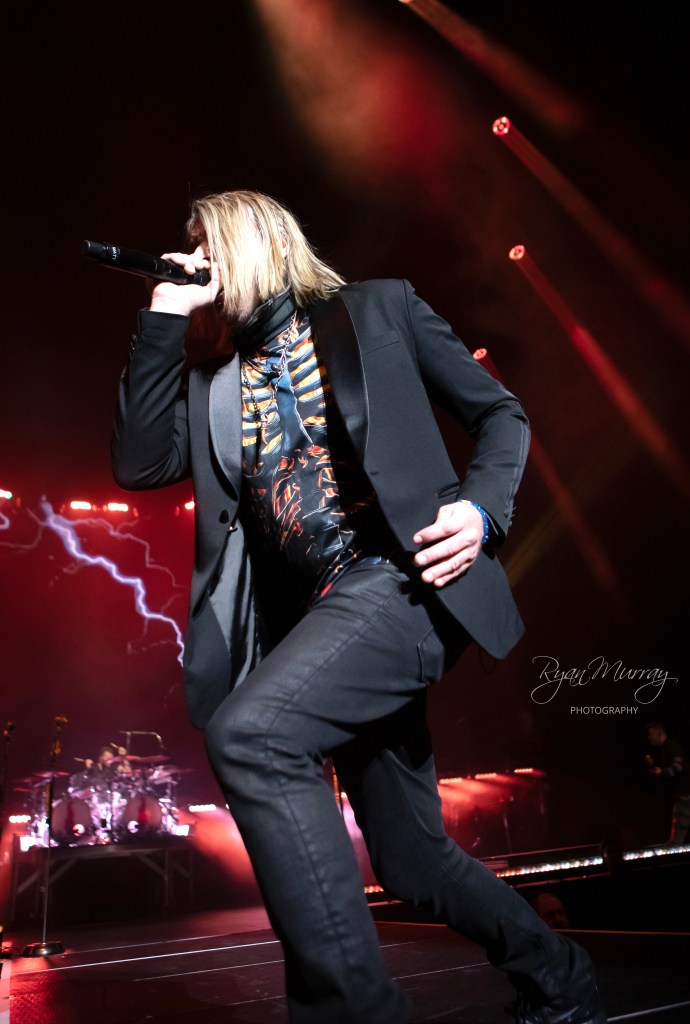
After Home, Adam addressed the audience: “What happened when I left the band was nothing short of incredible. These guys didn’t stop, they kept going. In the face of adversity, they kept putting one foot in front of the other, they made incredible albums, they put out incredible music and I’m very grateful and thankful they did that. If they hadn’t of done it, we wouldn’t be here today doing what we’re doing, so I’m very, very grateful to them for that. Secondly, if it wasn’t for you guys, all the fans that stuck with the band through thick and thin, through ups and downs, the loyalty and the unwavering support that we got from all of our fans through the years that we got has been incredible, so thank you for that. And, of course if it wasn’t for this guy right here Mr. Matt Walst, none of it would be possible, make some noise for Matt, come on!”
The first main set featured Adam on guitar for The Mountain, Matt on guitar for Pain, and Barry Stock on the double neck, adding both visual and sonic punch. Adam traversed the arena during I Hate Everything About You, diving into the pit, while Matt joined the crowd later, collapsing the barrier between stage and audience. Cale Gontier reinforced key moments on acoustic during Don’t Wanna Go Home Tonight.
After the first set, the campfire acoustic section offered intimacy: Gone Forever and the Chalk Outline / Porn Star Dancing / My Sharona medley gave the arena a pause—but it wasn’t soft. Even stripped down, the grit was there, carried by Adam and Matt’s voices and the crowd leaning in close. When it ended, and the arena fell dark, Adam’s voice cut through: “A thousand lies have made me colder…”
What could’ve been a passing moment turned into something unified—thousands of voices carrying it together in tribute, a clear nod to Brad Arnold that didn’t need to be explained.
The main set surged back with I Am Machine, Just Like You, Mayday, The Good Life, Painkiller, Never Too Late, and Riot. Every song hit like a hammer, every chorus was a battleground, every pit surge a mirror of the band’s raw power. Three Days Grace dominated the arena, and the energy never relented.
By the time the night ended, I could see it in every corner of UBS Arena—old fans singing every word with a memory behind it, new fans losing themselves in the energy, some even for the first time, all of us caught in the same unstoppable current. Three Days Grace reminded everyone why we came here, why we stay, and why this music still matters. The arena still thrummed long after the final note, a testament to a band that can honor its past while owning the present, leaving every fan, old and new alike, craving the next time the chaos starts again.
 Ethereal Metal
Leave a comment