Ryan Murray | Co-Owner | Chief Editor | Contributor | Photographer
r.m.music84@gmail.com
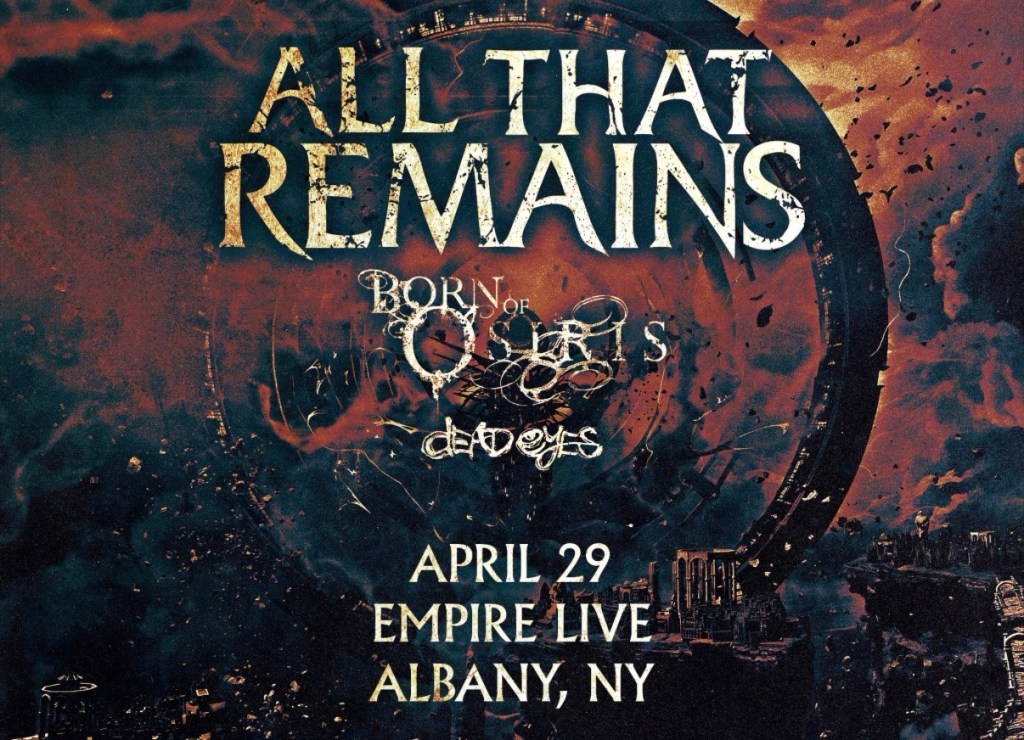
Albany’s Empire Live played host to a stacked night of modern metal this past Wednesday, with a tour bill led by All That Remains alongside Born of Osiris and Dead Eyes. Three distinct approaches to heaviness—metalcore legacy, progressive technical chaos, and rising melodic aggression—colliding in one room with no real room to breathe between them. From the first set onward, the night didn’t feel like a gradual build. It felt like escalation.
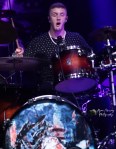
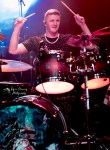
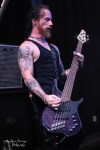
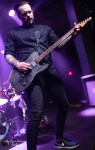
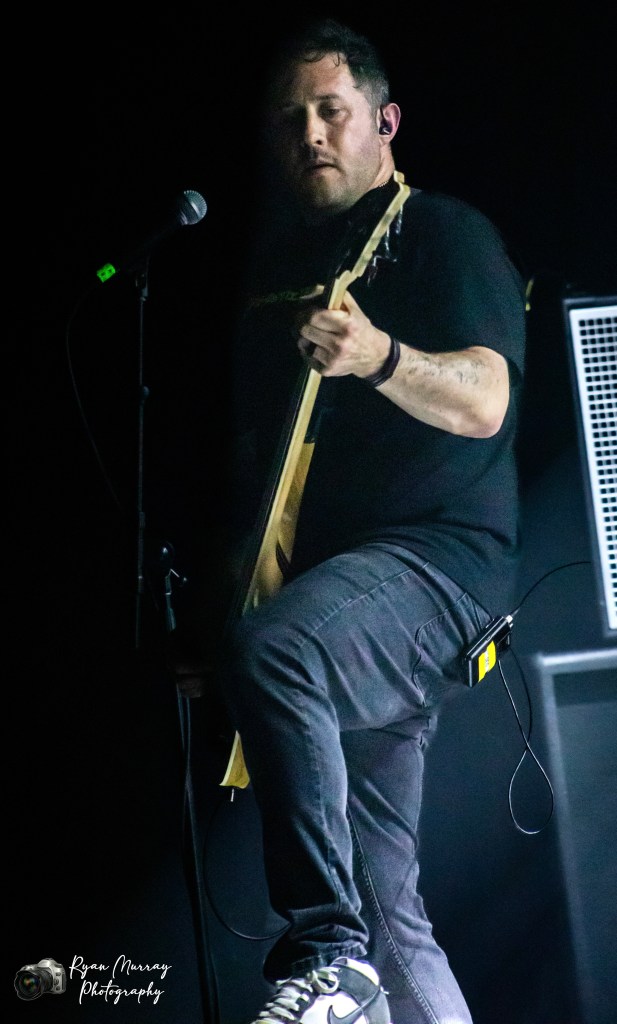
Dead Eyes walked into that environment and handled it like a band that understood exactly what was in front of them.
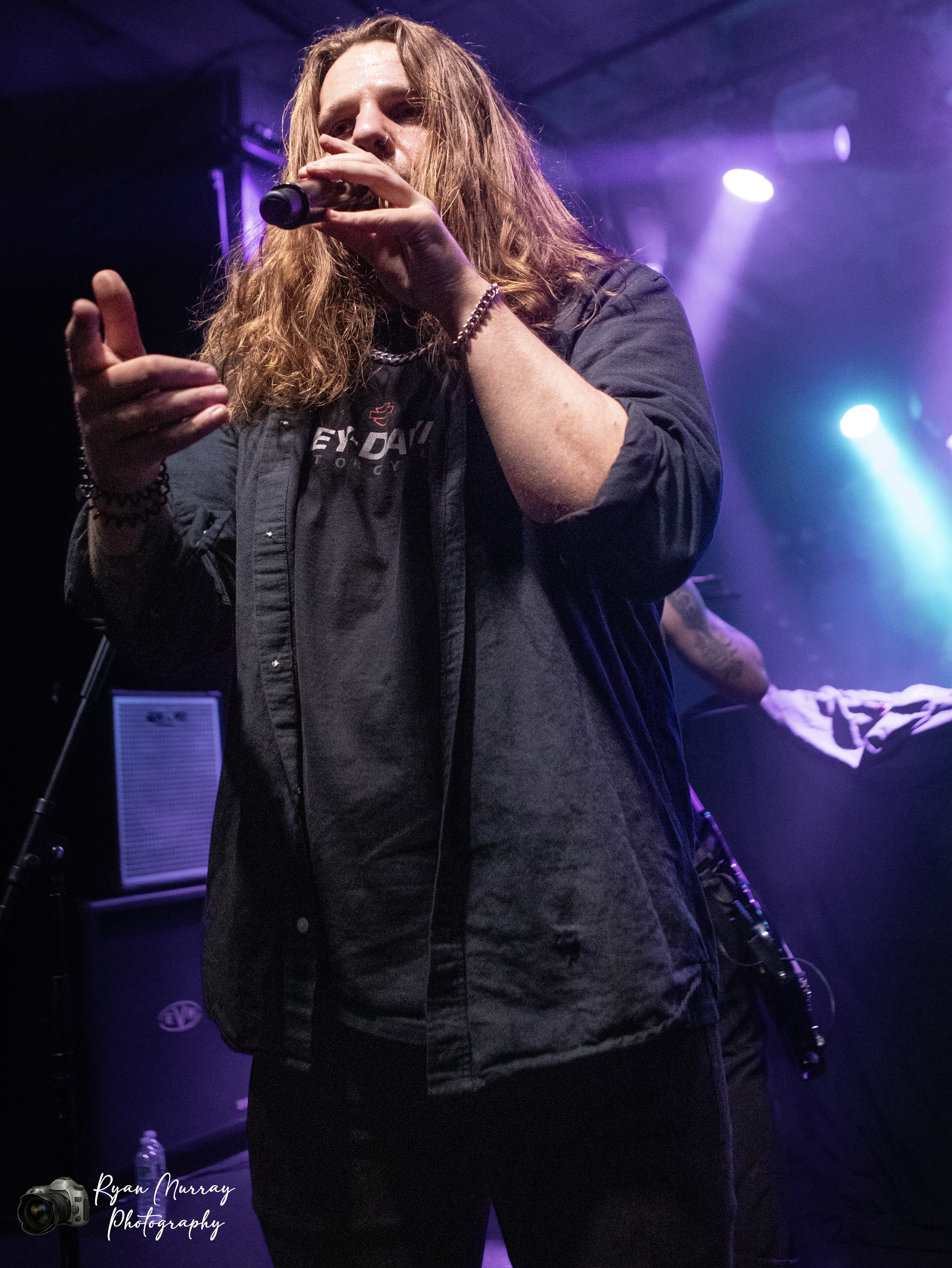
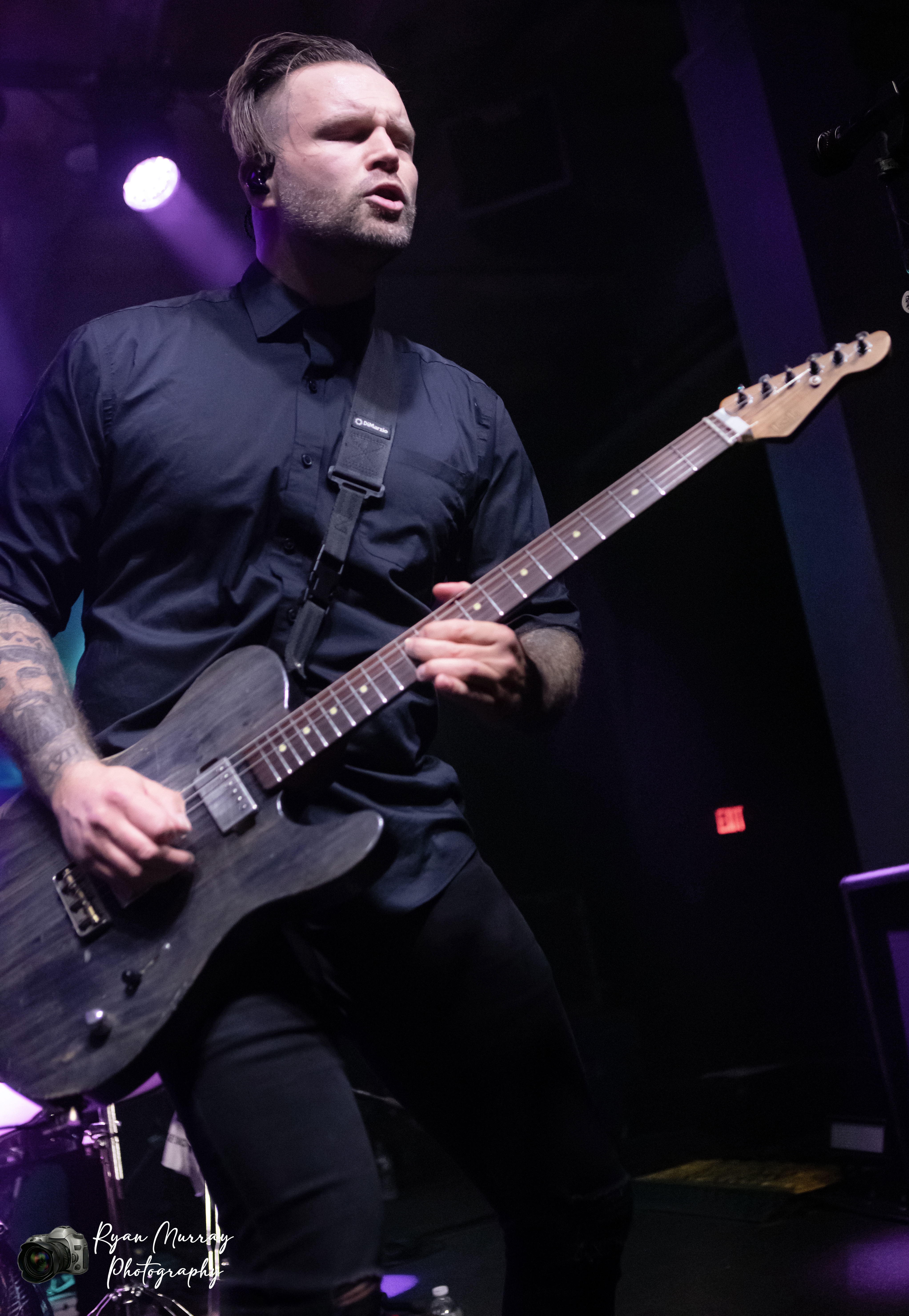
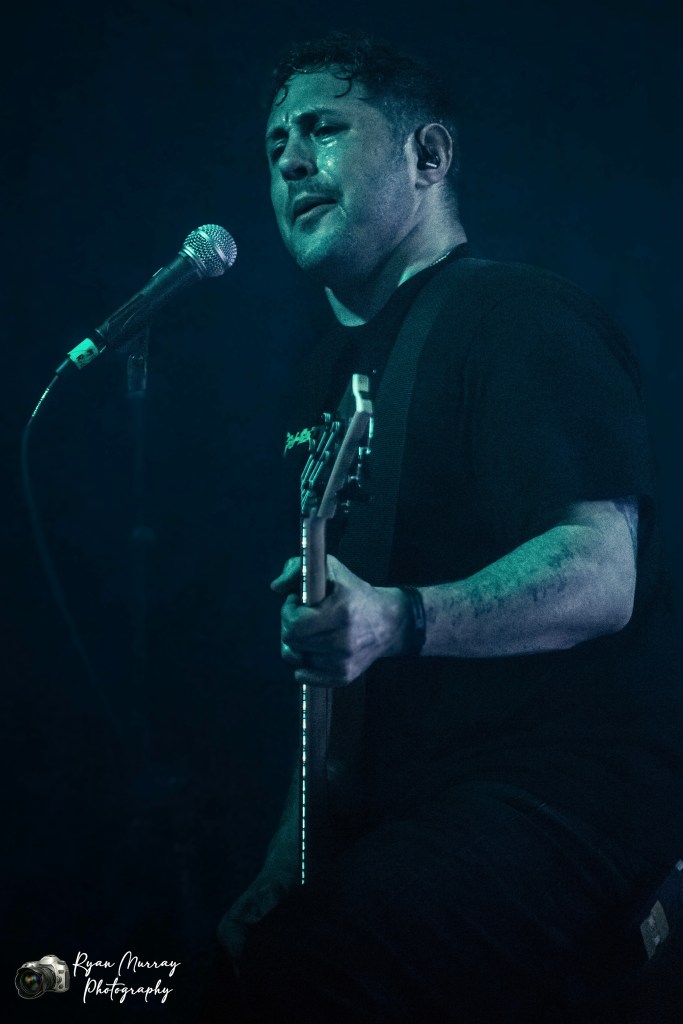
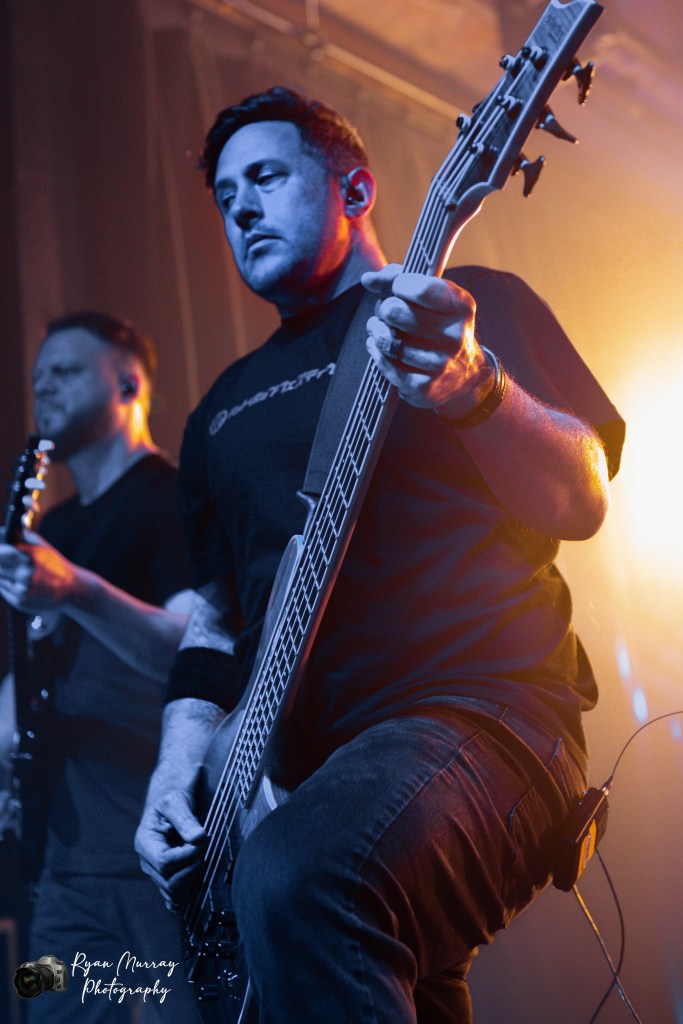
Their set was tight from the start. Not rushed, not chaotic—controlled. Zach Williams’ vocals carried clearly across both ends of their sound, balancing clean melodic lines with harsher delivery without losing definition. That balance is where their material holds up live. The choruses don’t stall momentum—they reinforce it.
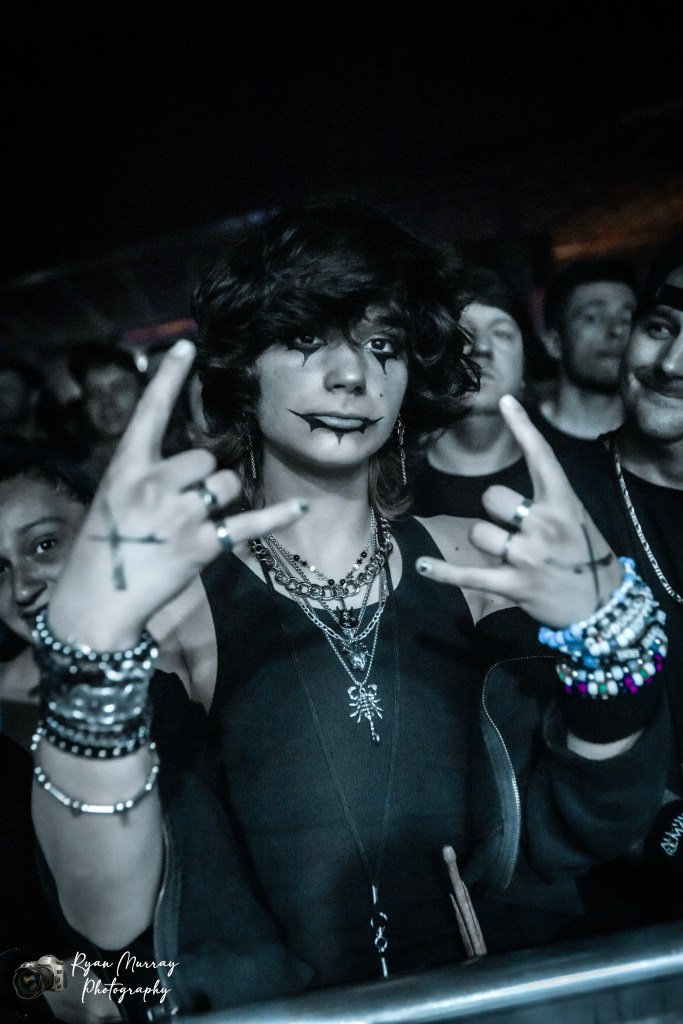
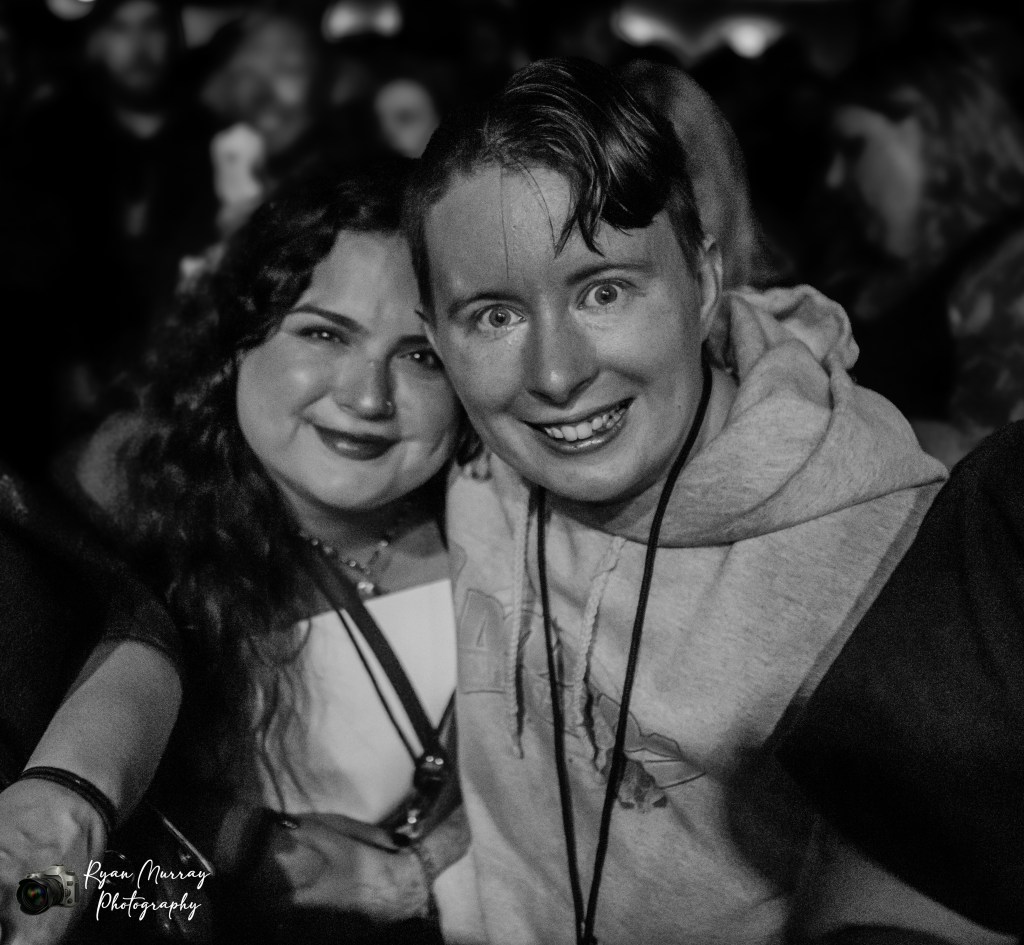
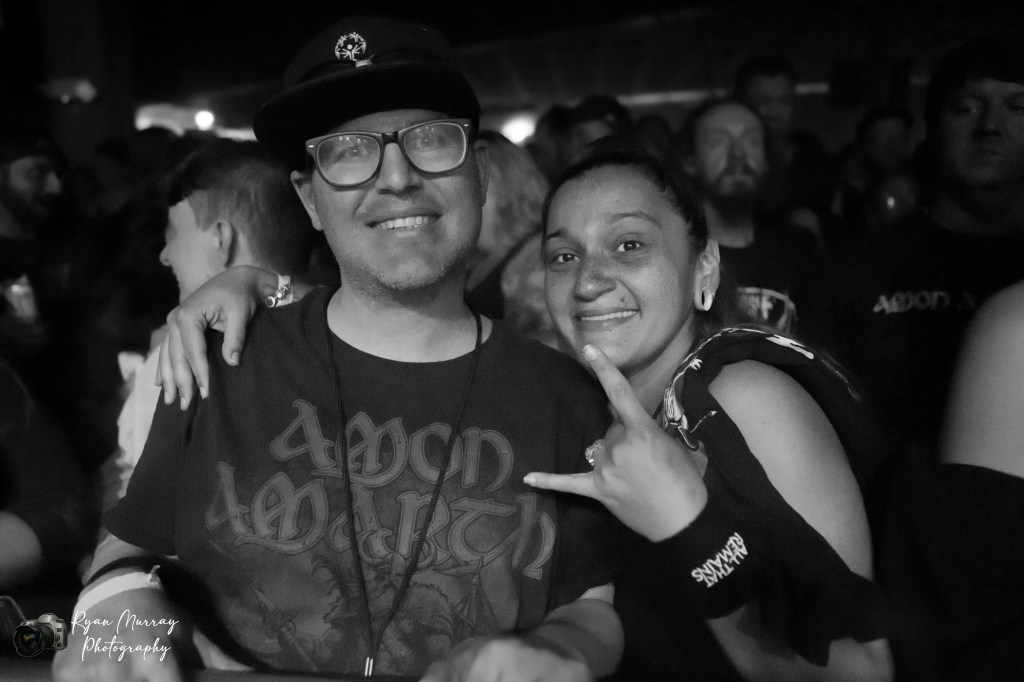
I was already in the pit as their set got underway, and the reaction was immediate. The crowd wasn’t standing back to figure them out—they were already moving, already locked in. “Good Die Young” and “Avalanche” both landed with familiarity in the room, and you could hear it in the way people responded—voices coming back toward the stage, feeding into the band rather than just reacting to them.
Onstage, the chemistry is obvious, but what stands out more is awareness. They stay locked with each other, watching transitions, pacing the set without forcing anything forward too quickly. The breakdowns hit because they’re given space to land. Nothing felt thrown away.
Context matters with a band like this. Coming out of Baltimore with the streaming numbers they’ve built, there’s always the question of whether that translates into a live setting. Here, it did. The material from Stability carried weight, and more importantly, it felt intentional—songs built from something real, not just structured for impact.
By the end of their set, the room wasn’t warming up anymore. It was already there.

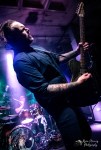

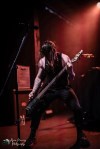
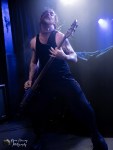


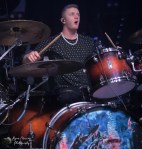
Born of Osiris stepped into that momentum and immediately tightened the atmosphere.
I stayed planted near the barricade as their set began, and that’s where the shift really became noticeable. The lighting dropped into darker tones, snapping in time with the band’s rhythm changes, and the movement behind me changed from loose energy into something more forceful. The pit started to surge forward in waves.
“Bow Down” hit, and the first body came over the barricade.
Then another.
By the time “Follow the Signs” and “Empires Erased” moved through the set, it wasn’t occasional anymore—it was constant. Security was working non-stop, pulling people down as quickly as they came up. From where I was standing, it turned into a rhythm of its own—camera up, step aside, reset, repeat. Every few seconds, someone else coming over.
Through all of that, the band never lost precision.
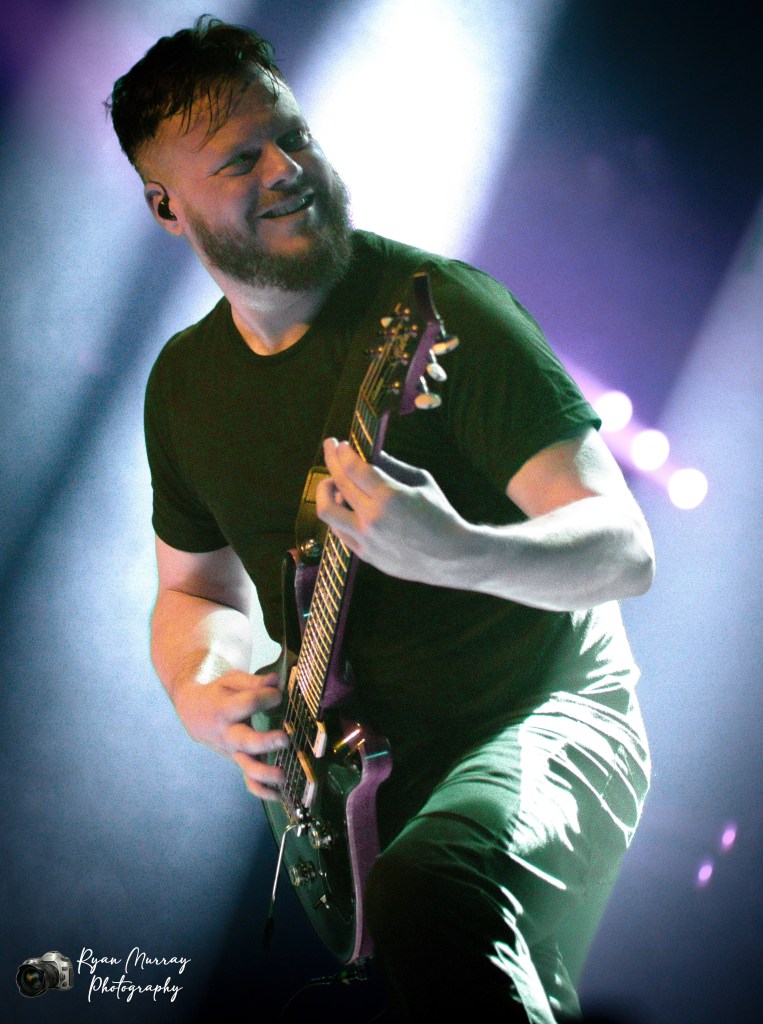
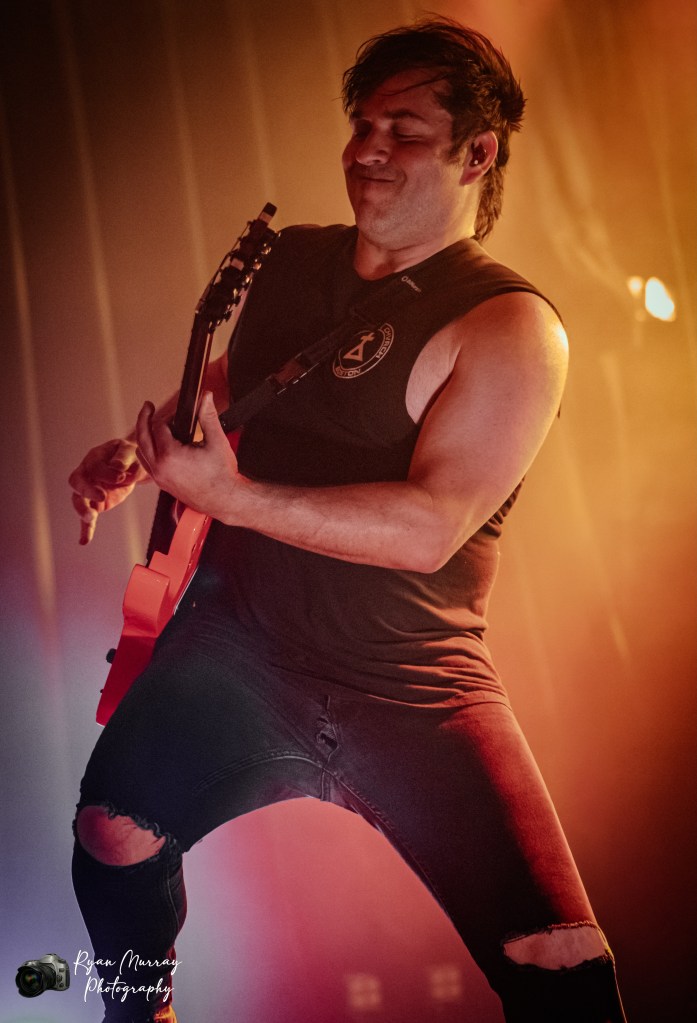
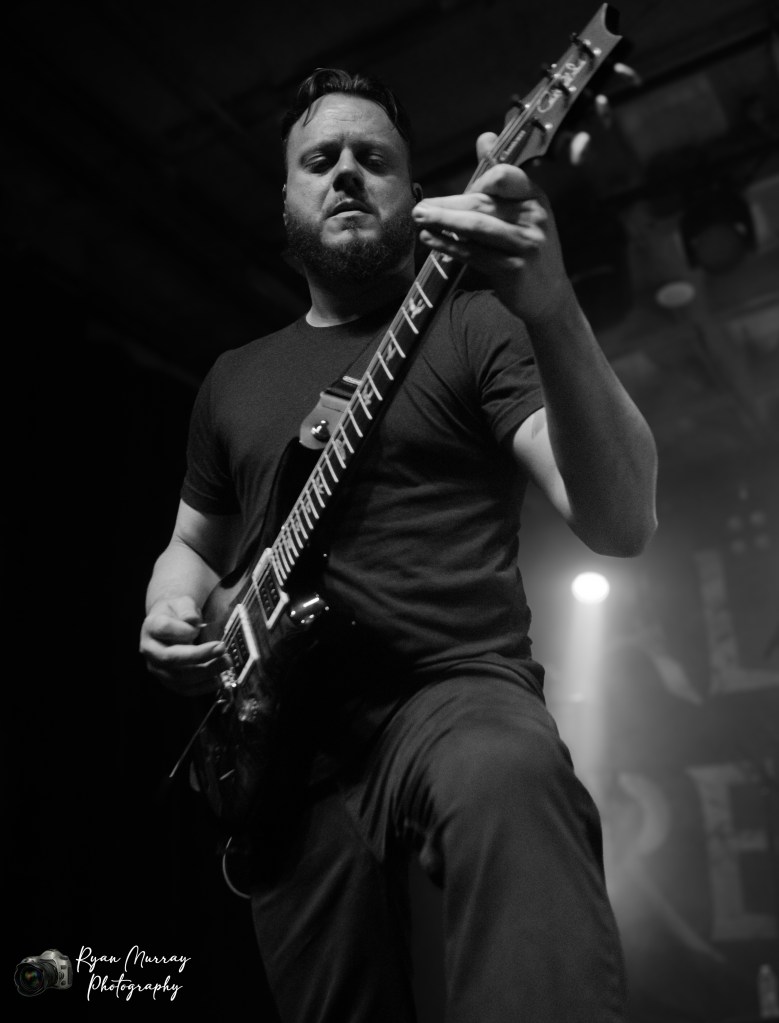
That’s where Born of Osiris separate themselves. Their set isn’t built on chaos—it’s built on control. The guitar work stayed sharp through the faster runs, the rhythm section didn’t drift, and Joe Buras’ keys added depth without washing anything out. Live, that balance is difficult to maintain. Here, it held.
“A Mind Short Circuiting” stood out for how cleanly it translated. Timing like that can fall apart quickly in a live setting, but it didn’t. “Angel or Alien” brought in a more atmospheric layer before they drove everything back down with “Machine” to close.
The evolution of the band is clear in a setting like this. They’ve moved far beyond their early deathcore identity into something more progressive and layered, but the aggression is still intact. Nothing about the set felt dated or disconnected—it felt current, deliberate, and fully controlled.
And the crowd responded accordingly.
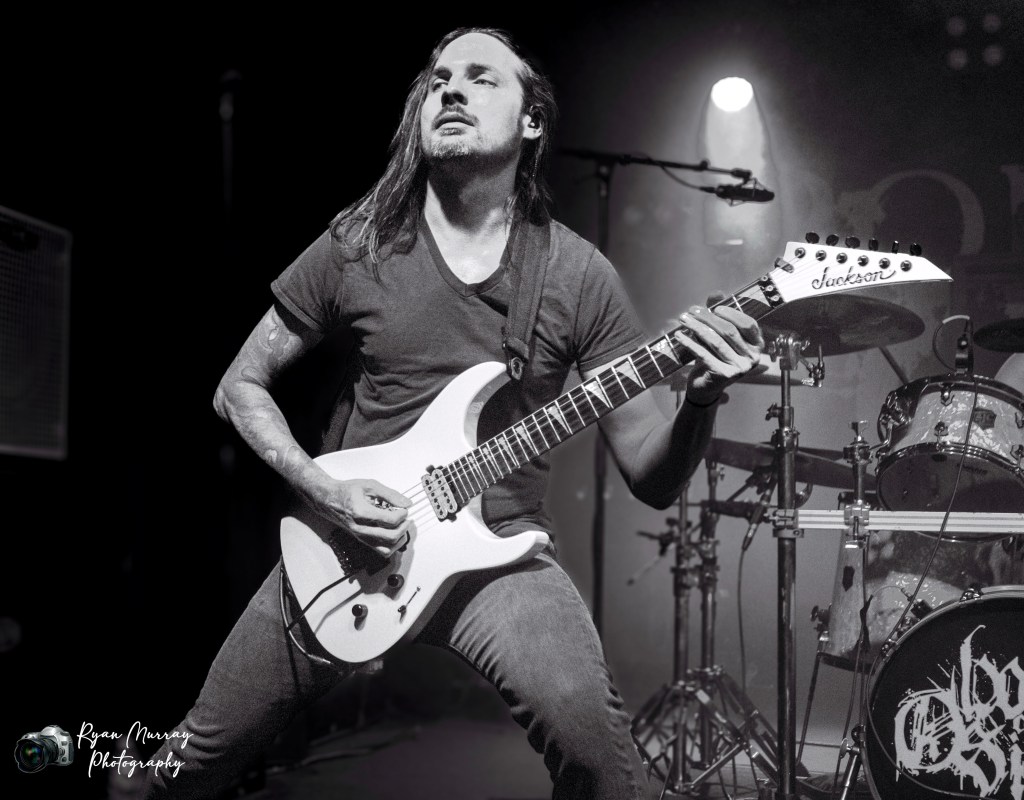
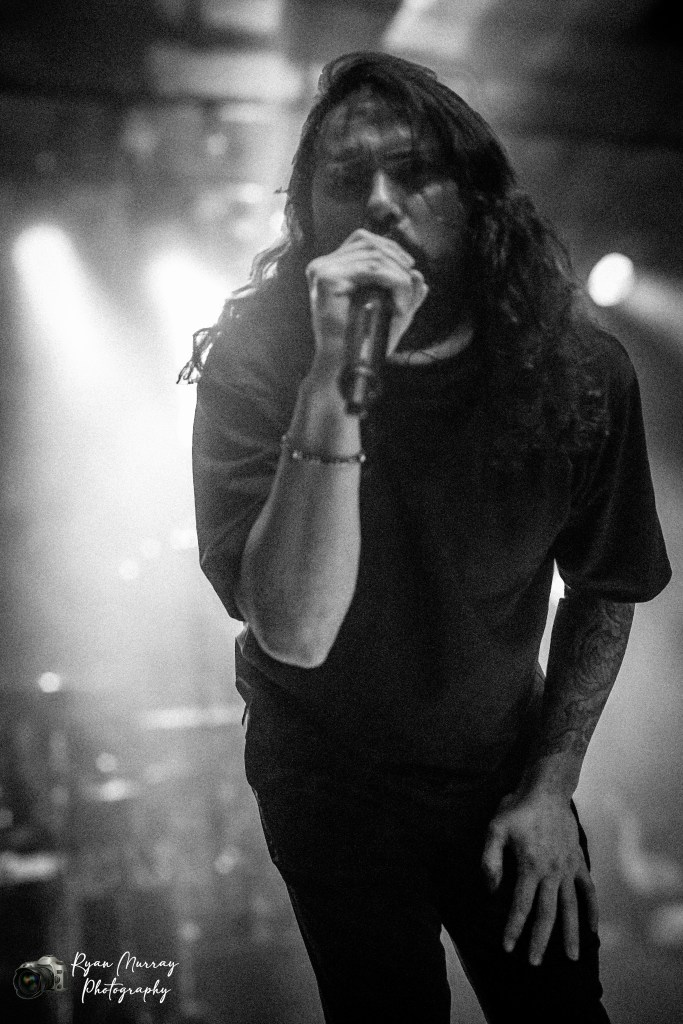
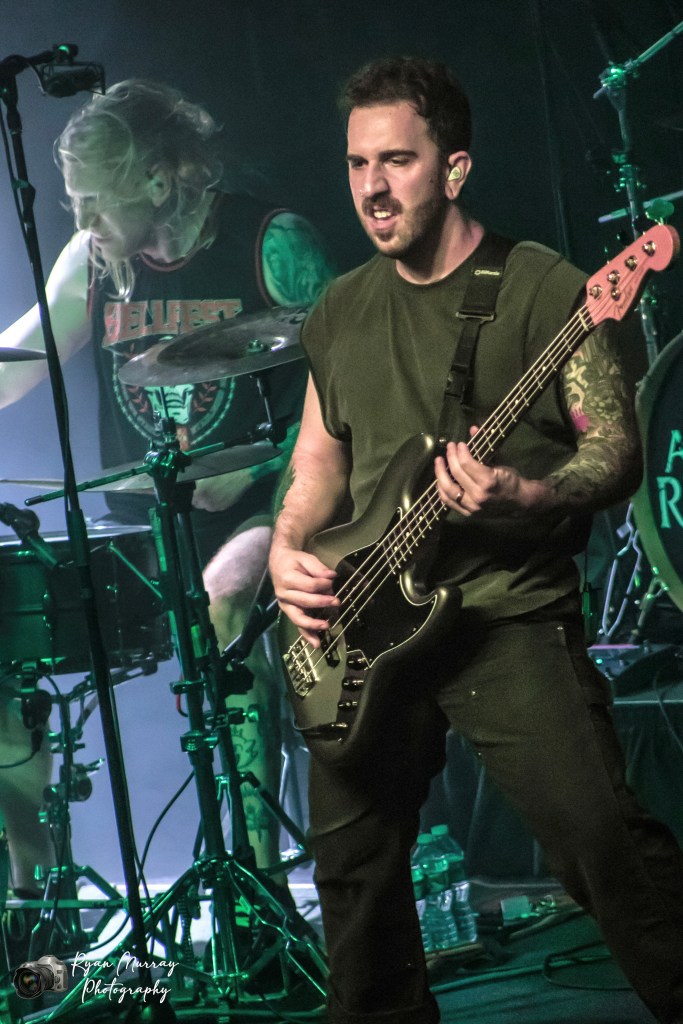
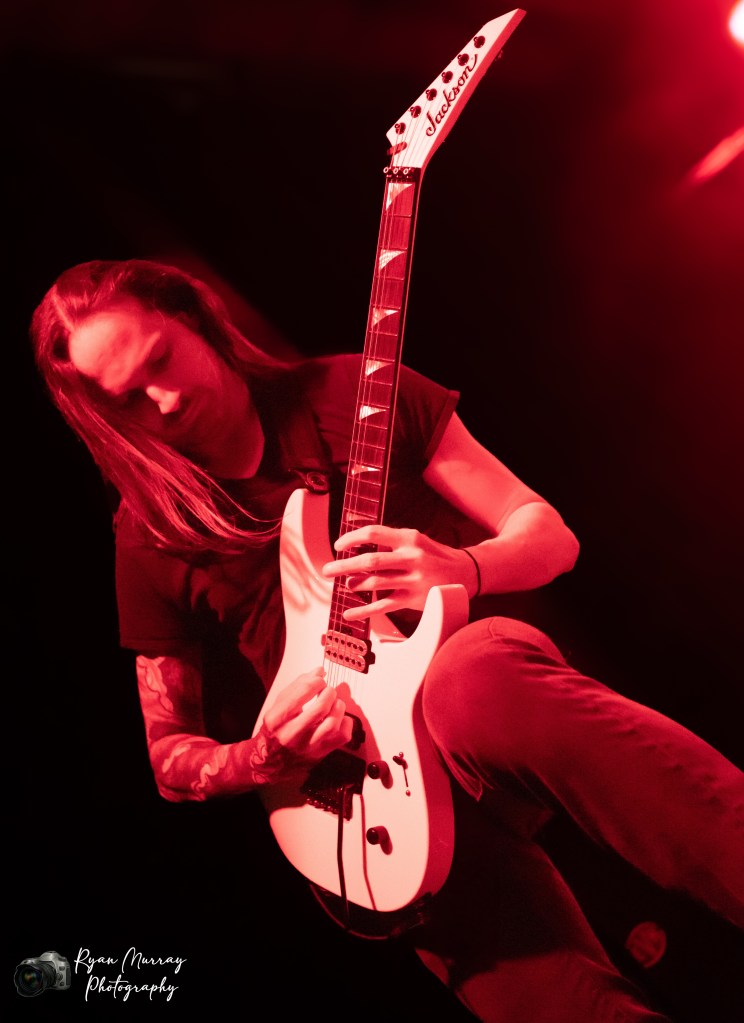
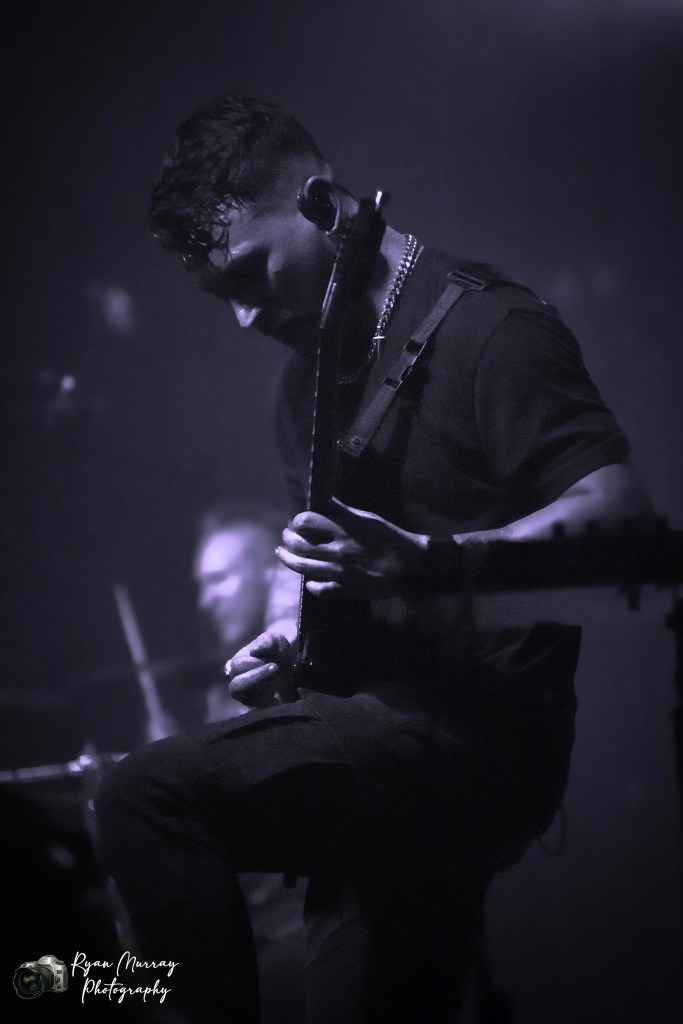
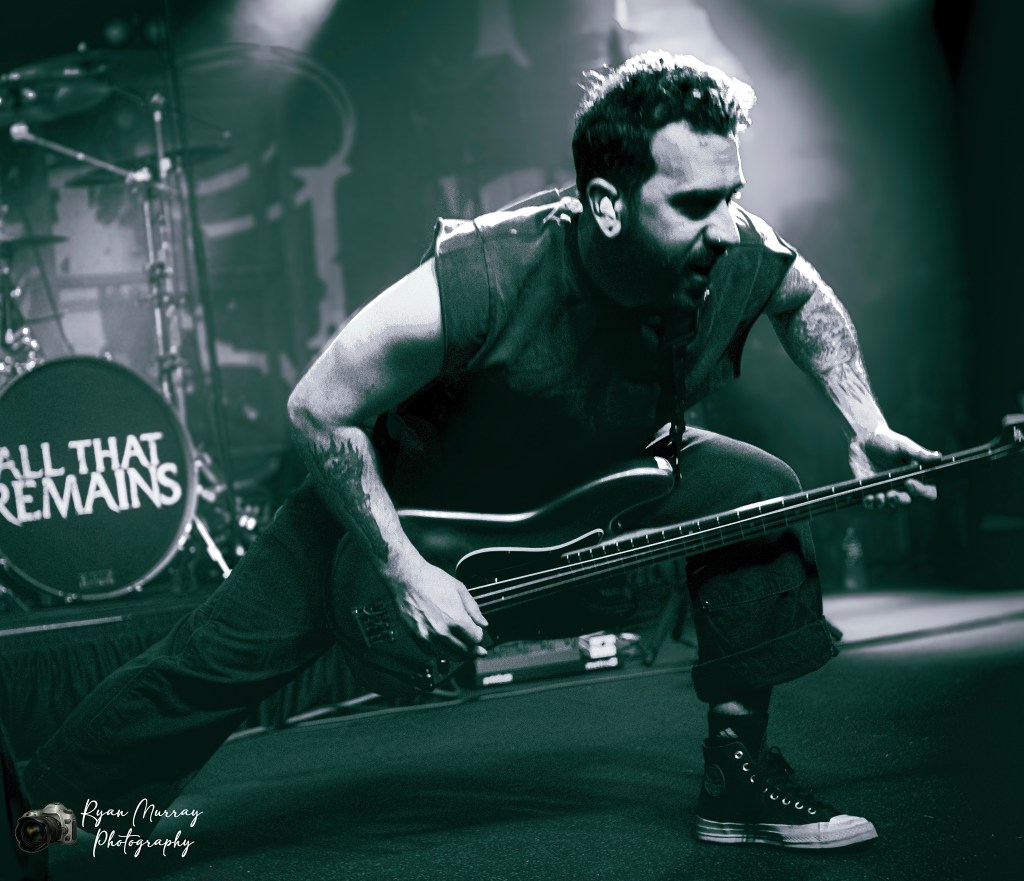
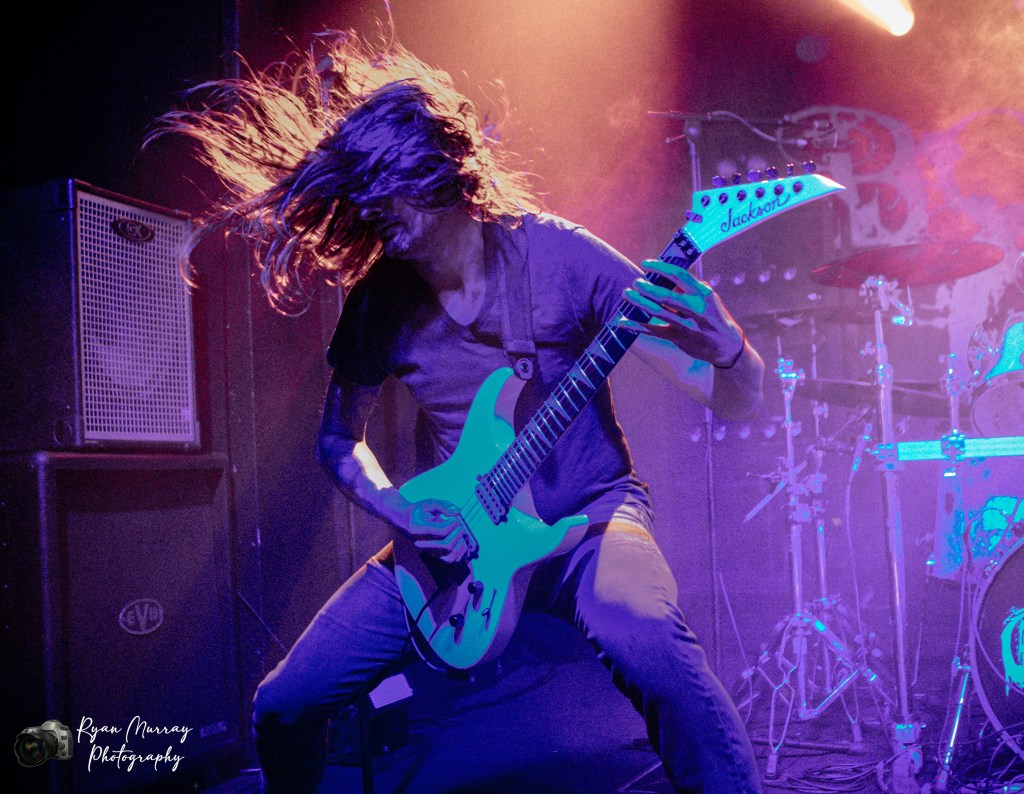
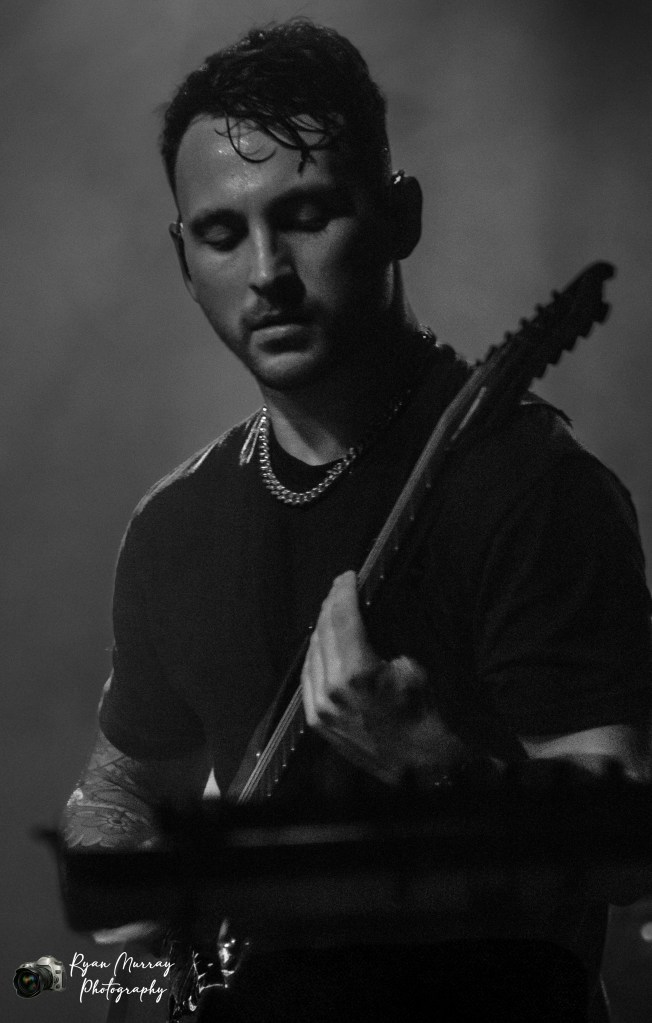
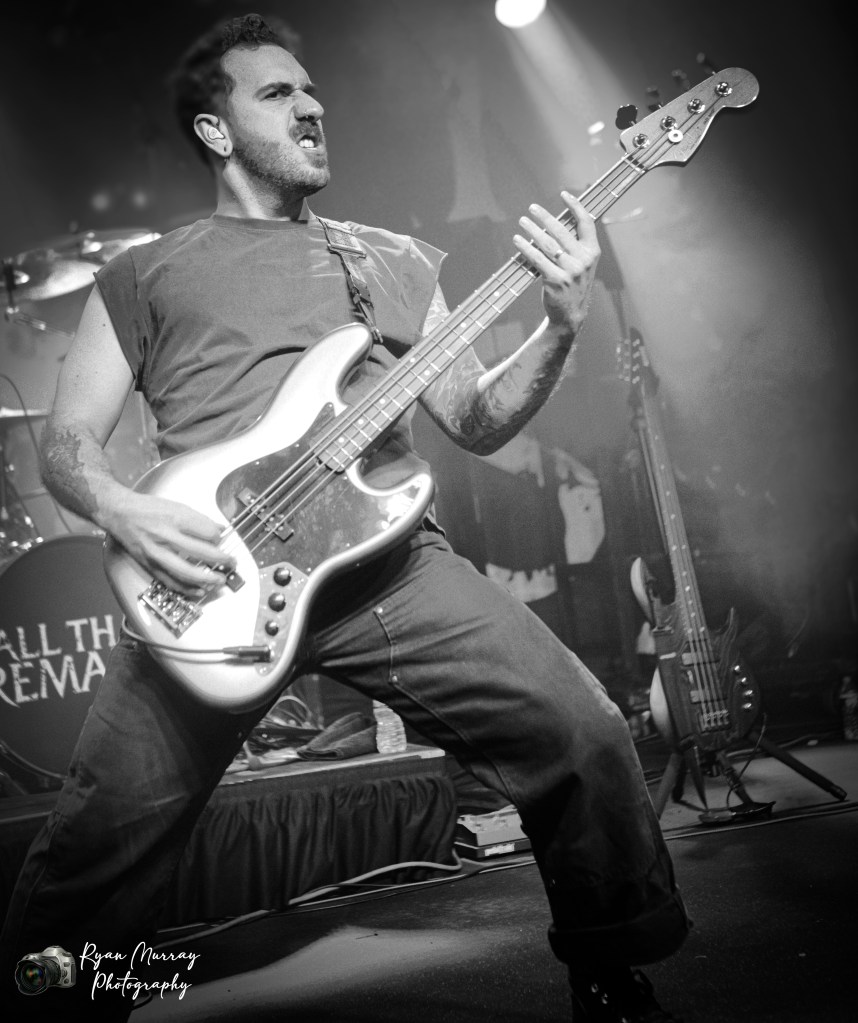
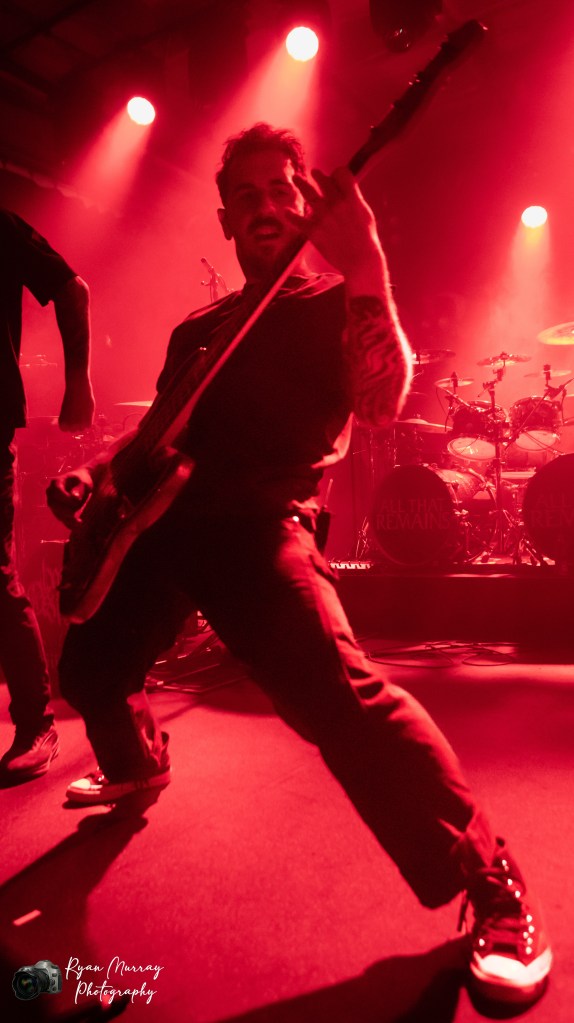
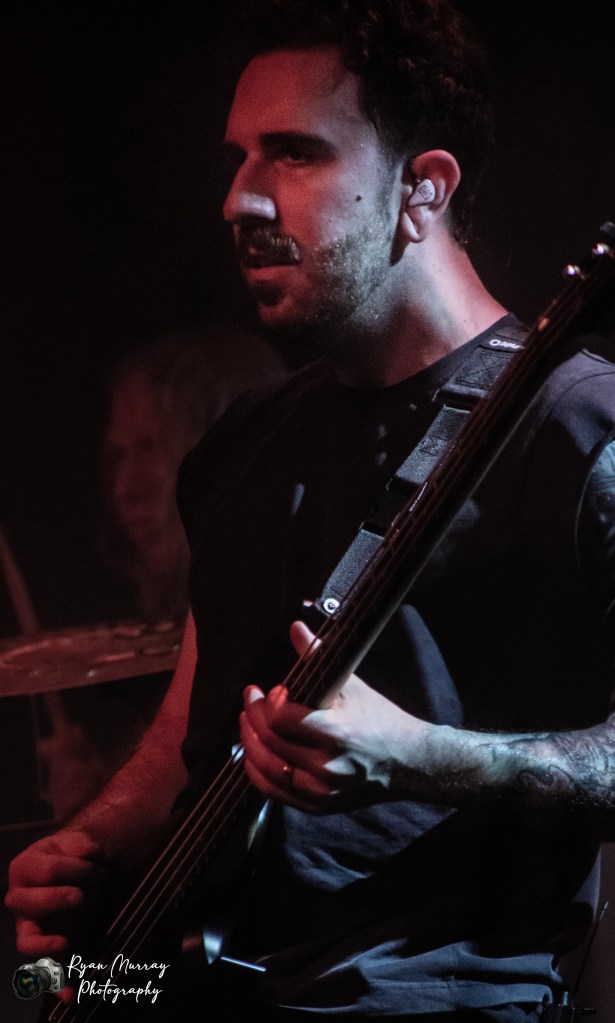
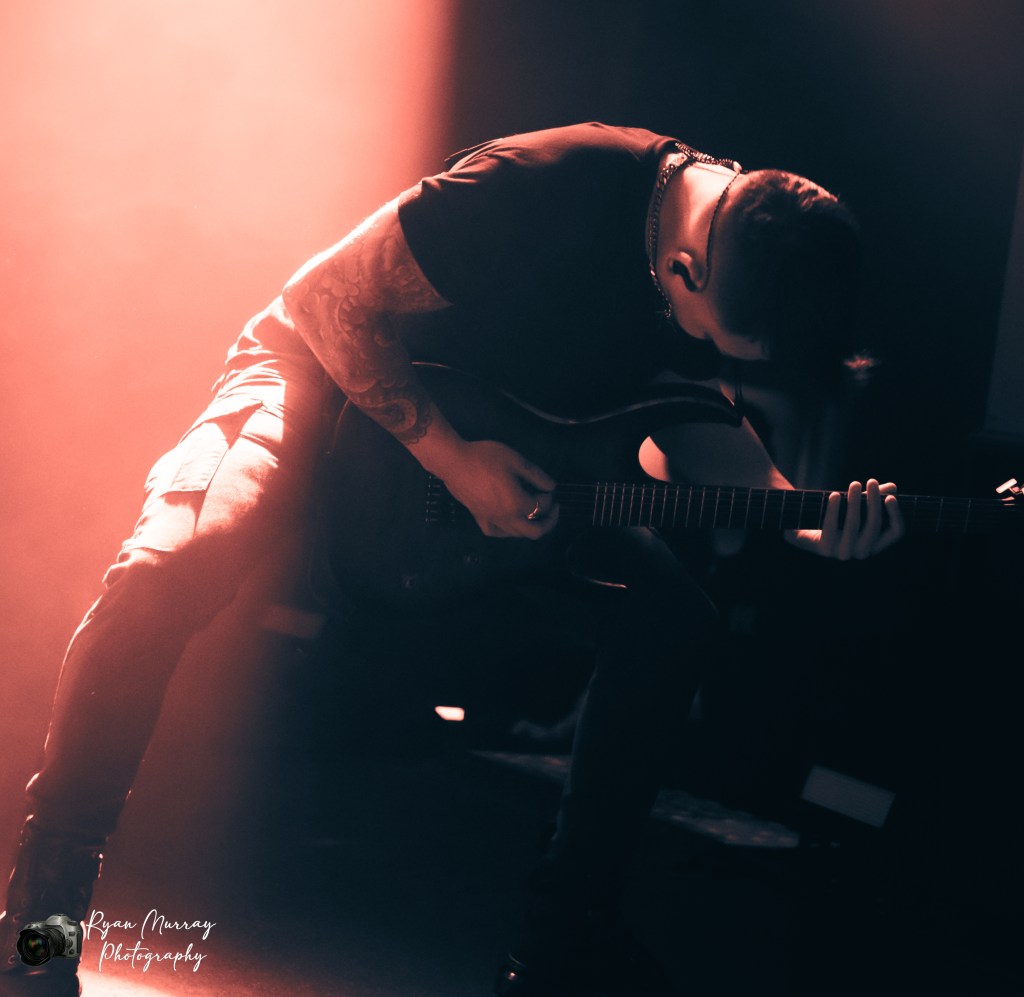
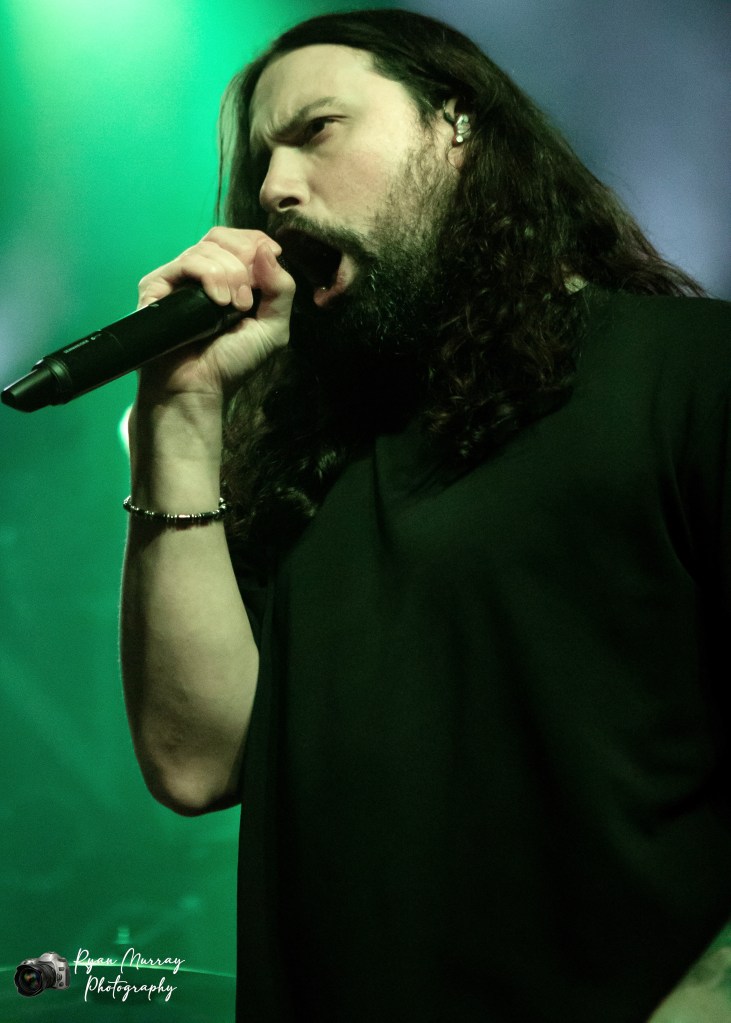
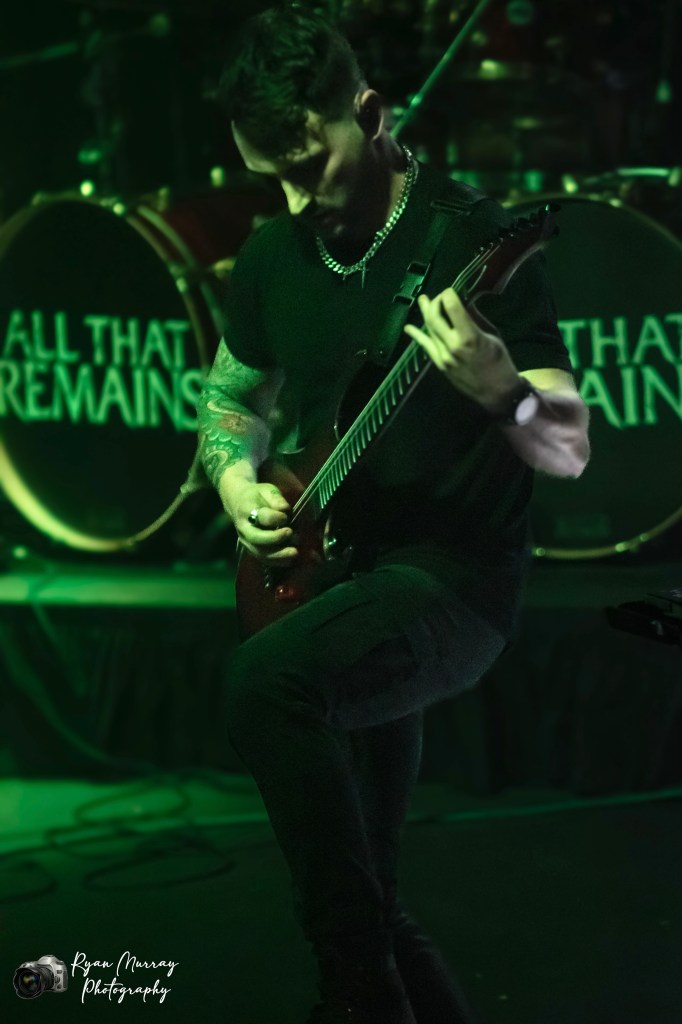
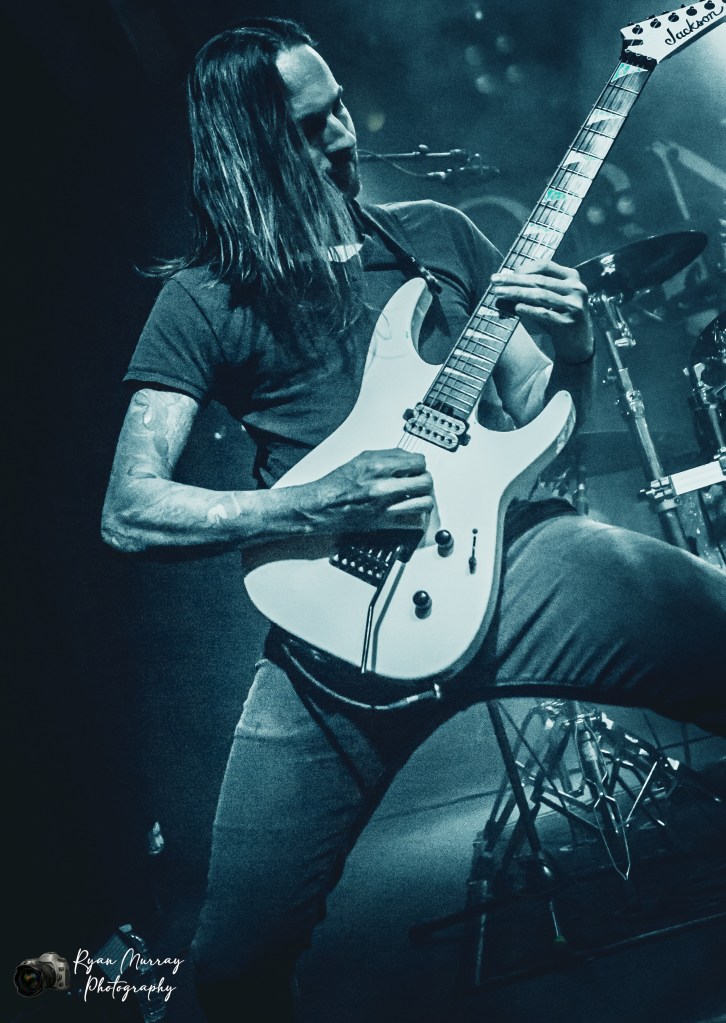
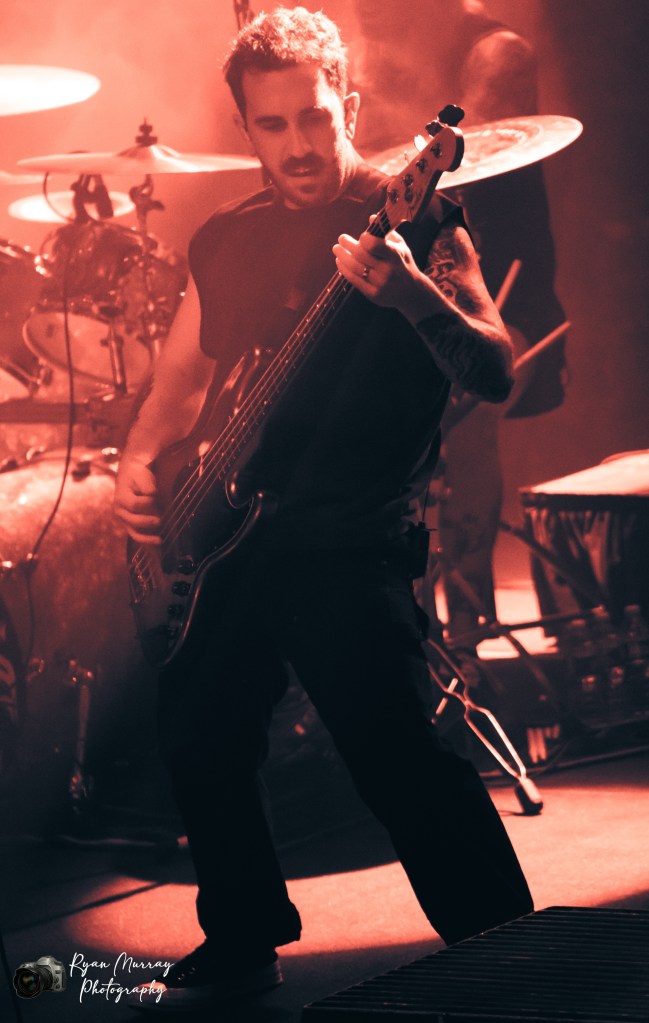
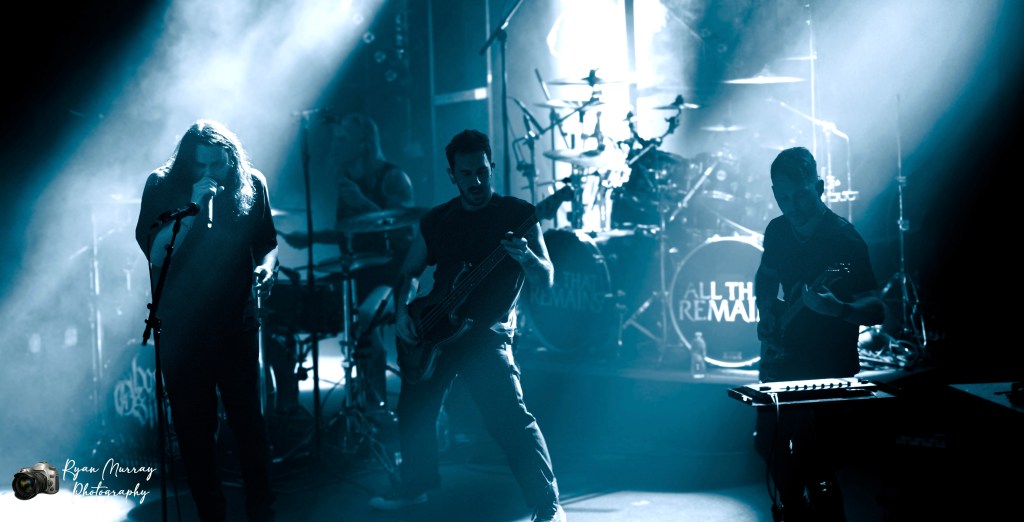
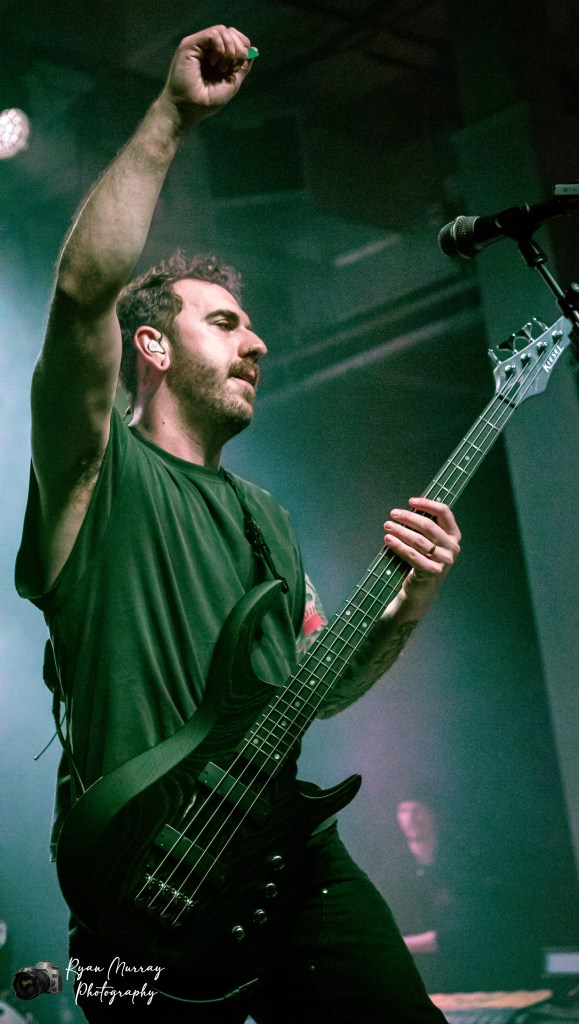
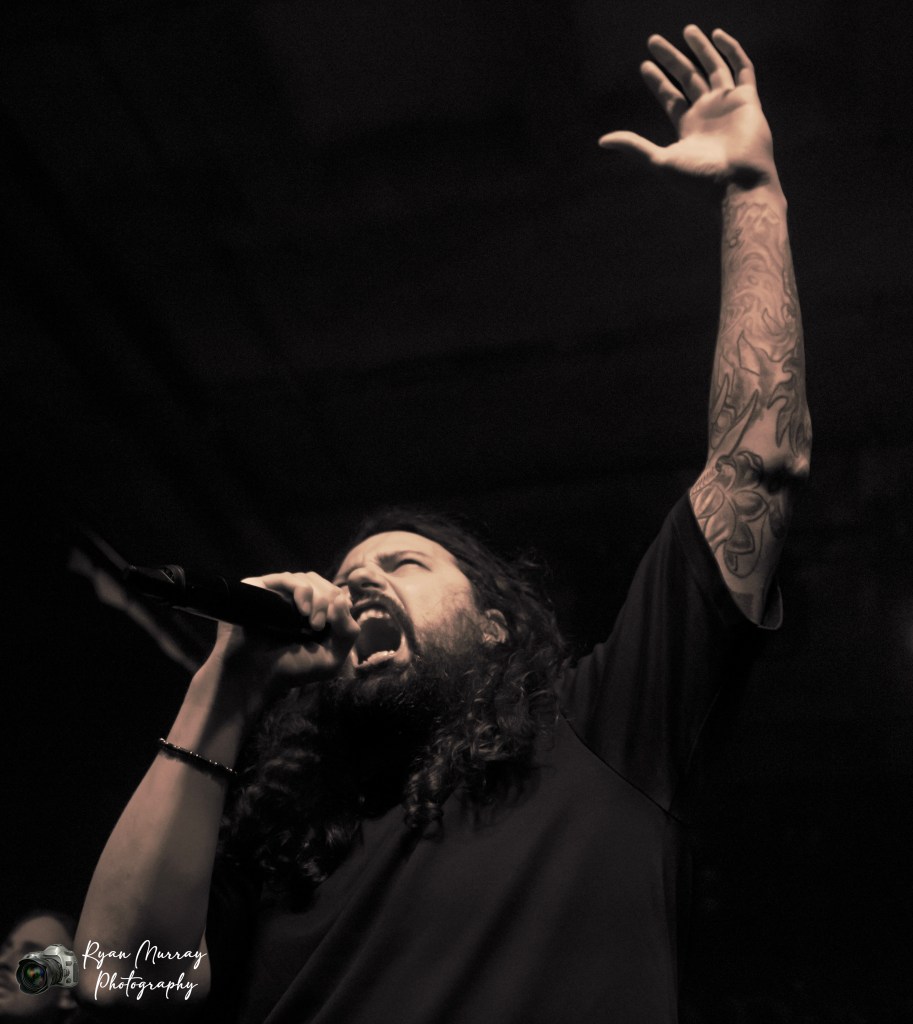
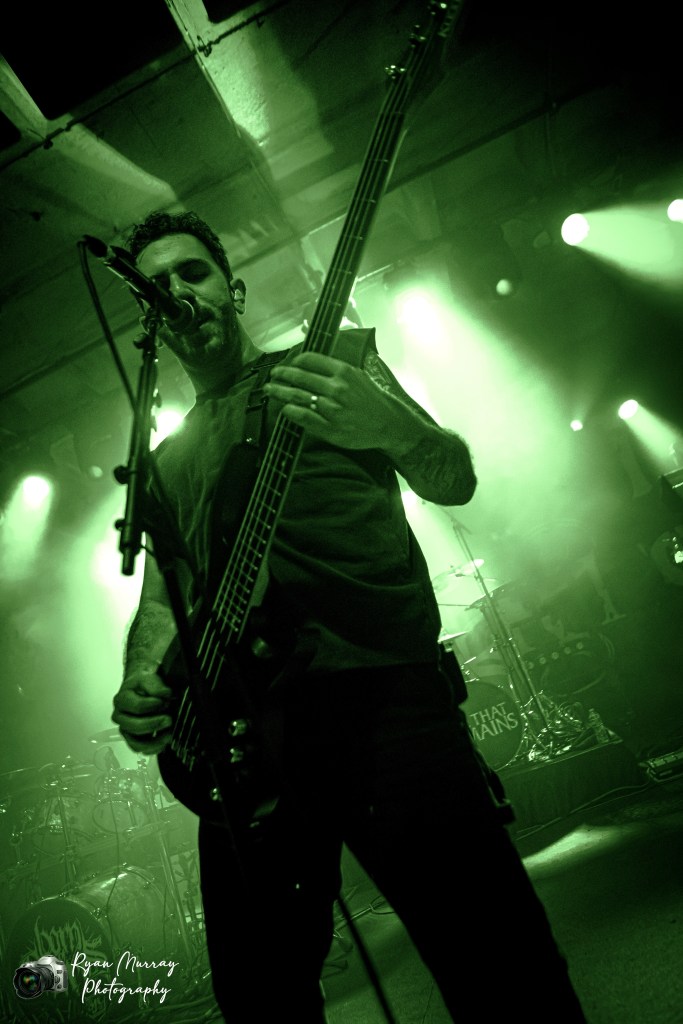
Before All That Remains even stepped onstage, there were visible changes—and they mattered.
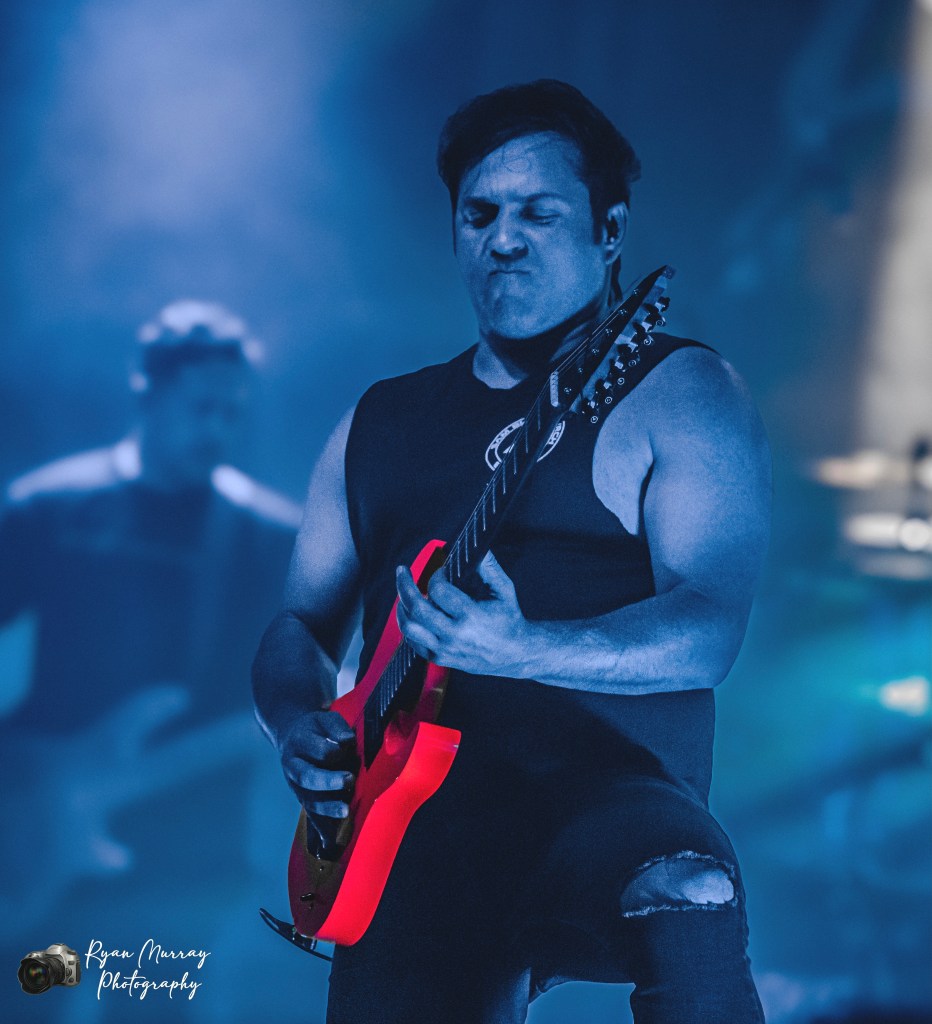
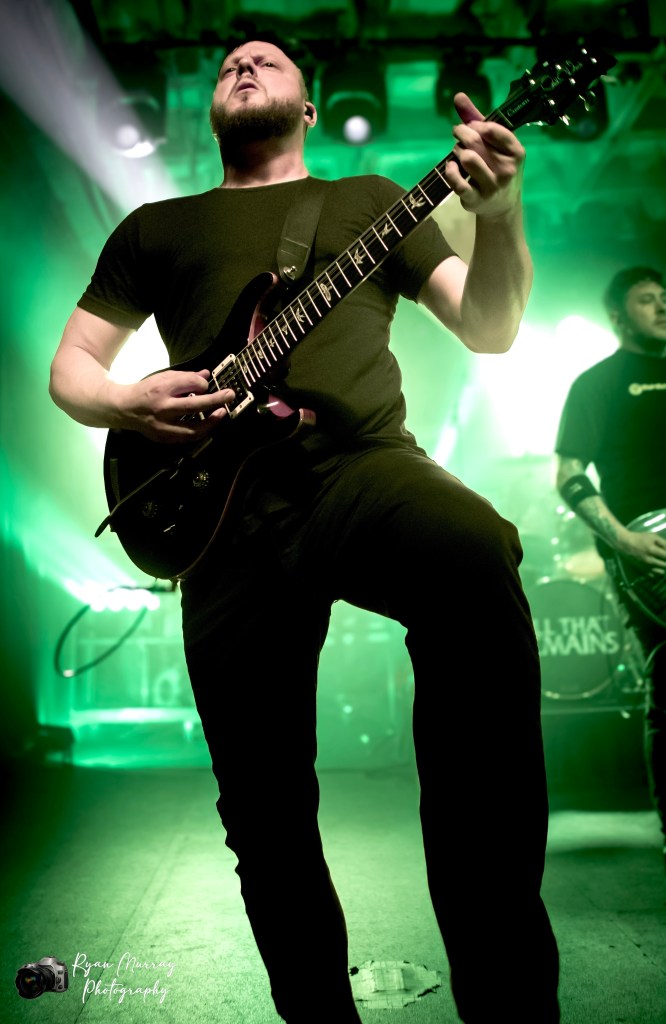
It was announced in January that Ken Susi would be permanently joining the band following the 2025 departure of Jason Richardson. But that wasn’t the only shift. Mike Martin was absent, with Emil Werstler (Chimaira, Dååth) stepping in for the night. There hadn’t been an official statement addressing the change, but Werstler had acknowledged it himself earlier in the tour.
Lineup adjustments like that can introduce uncertainty.
There wasn’t any.
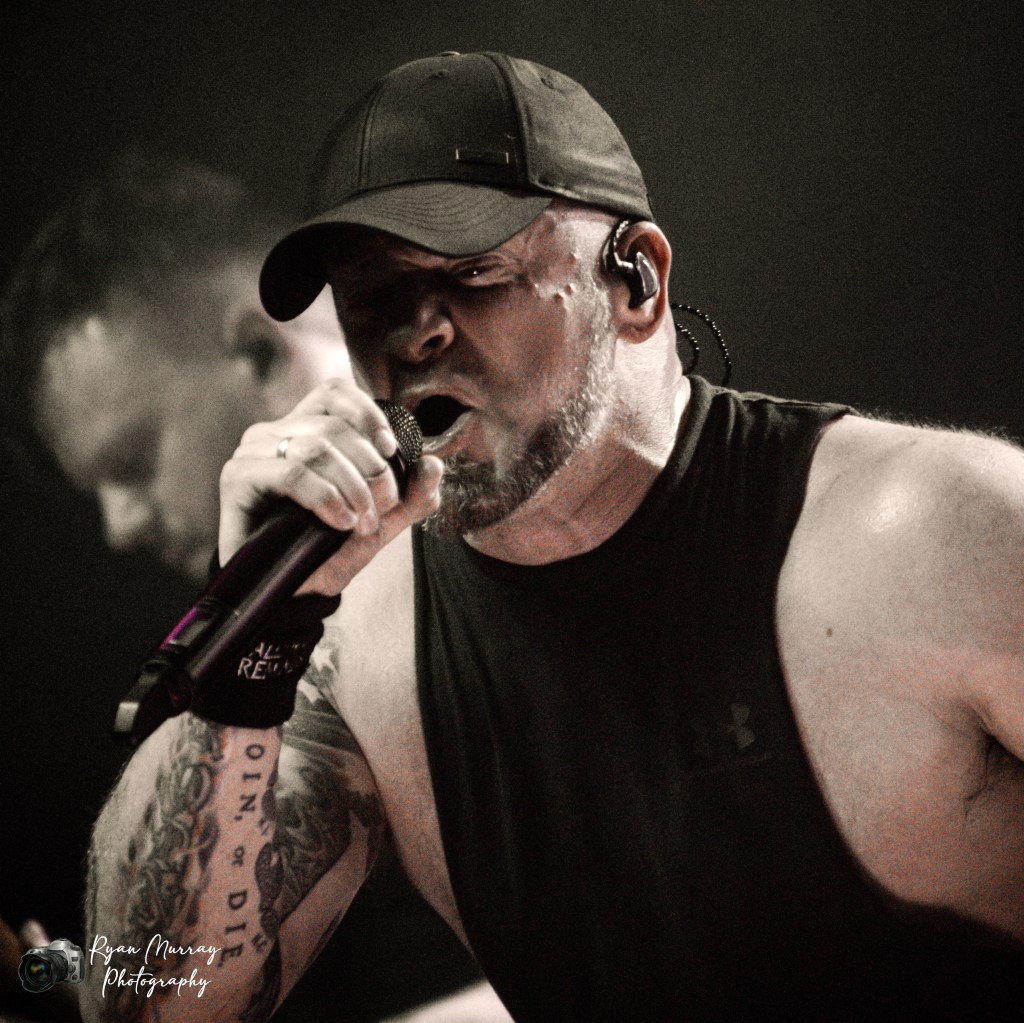
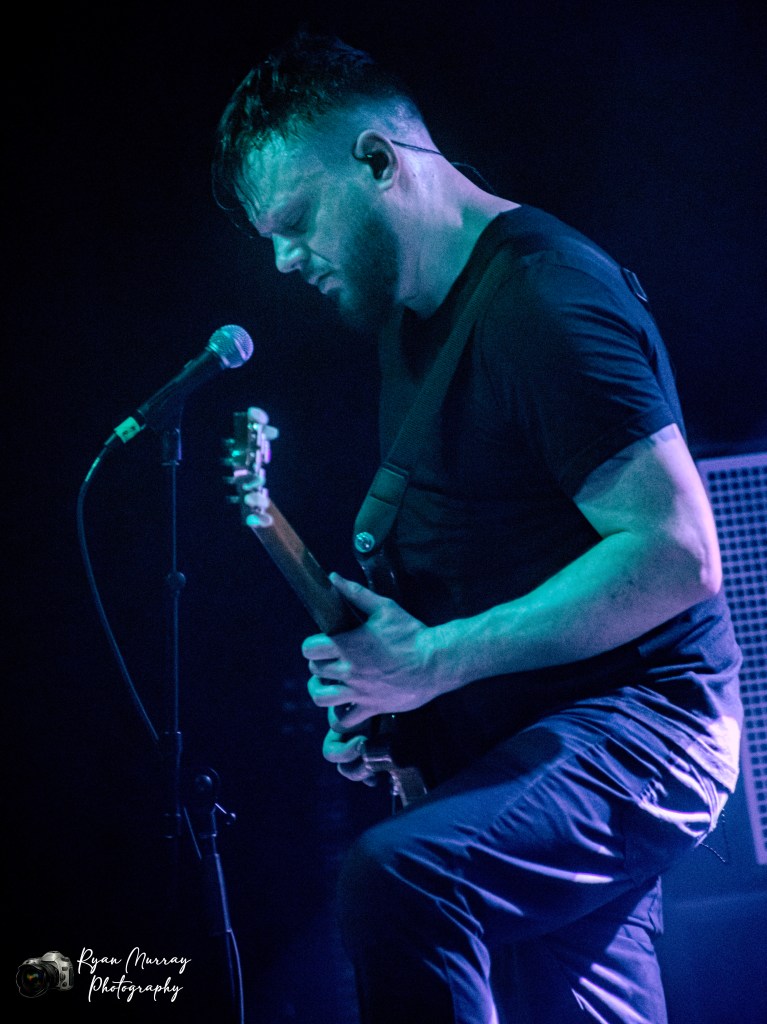
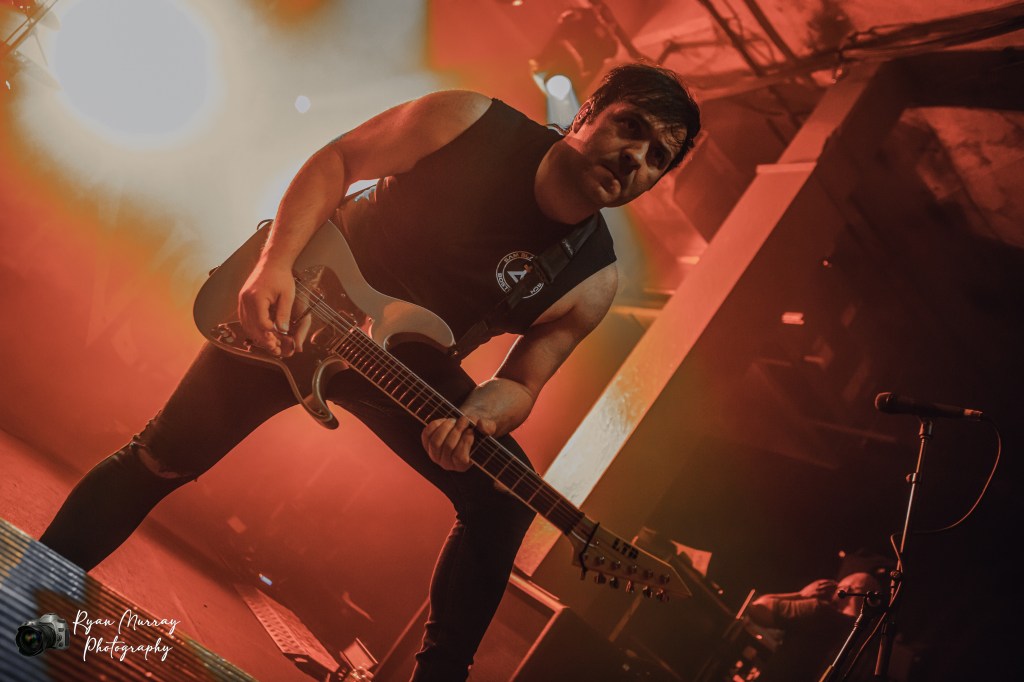
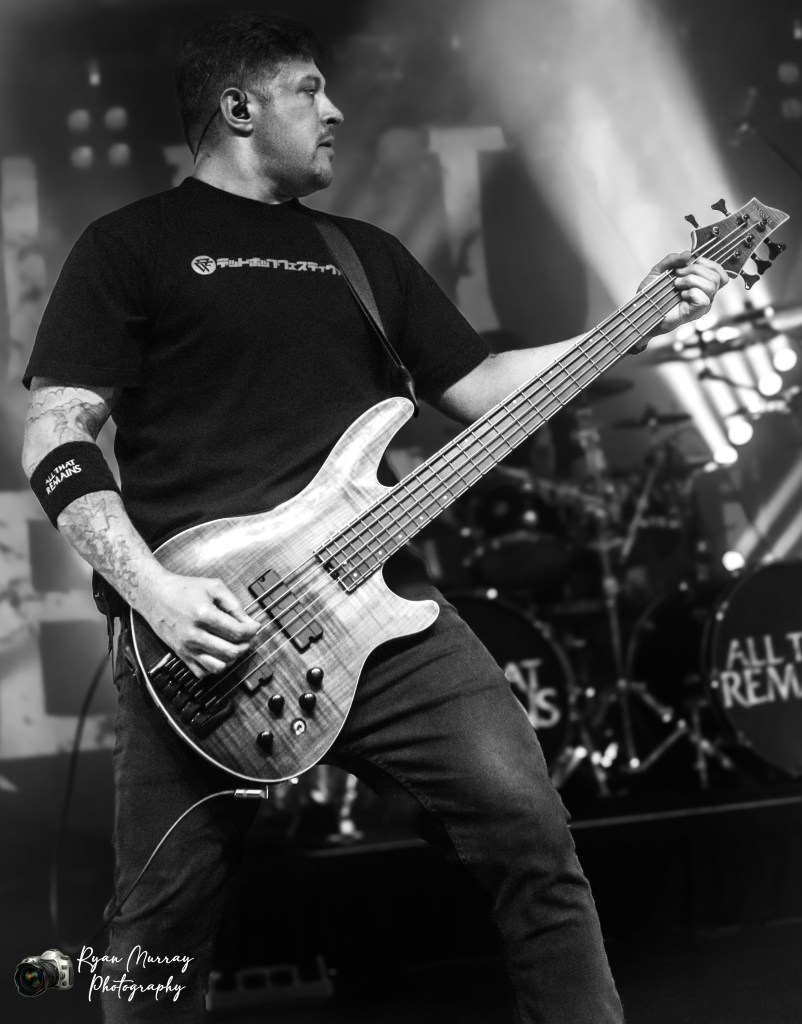
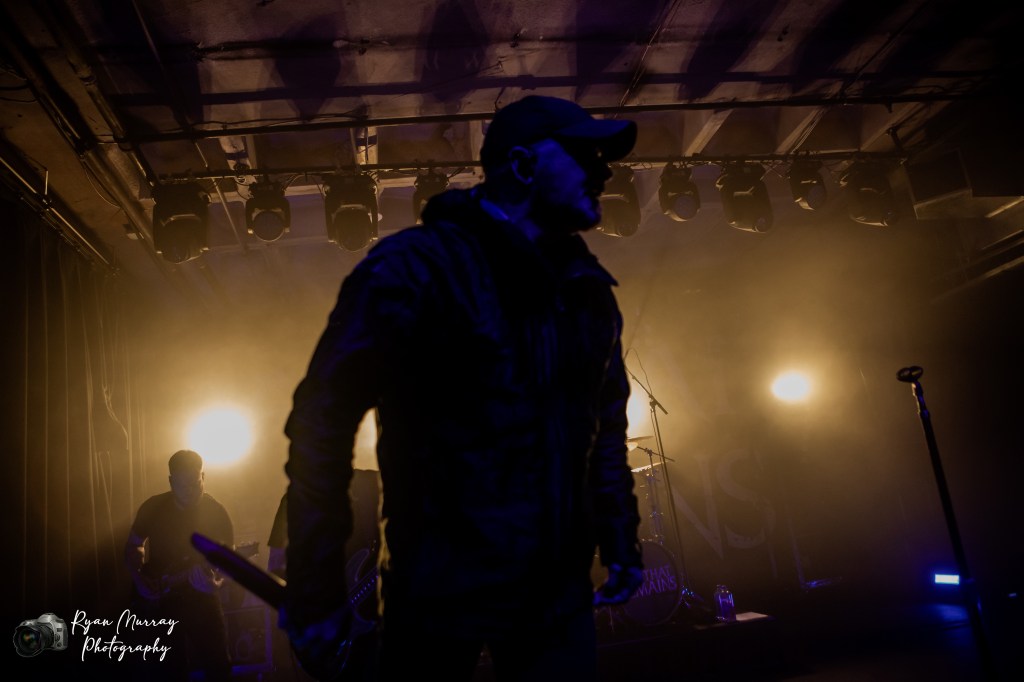
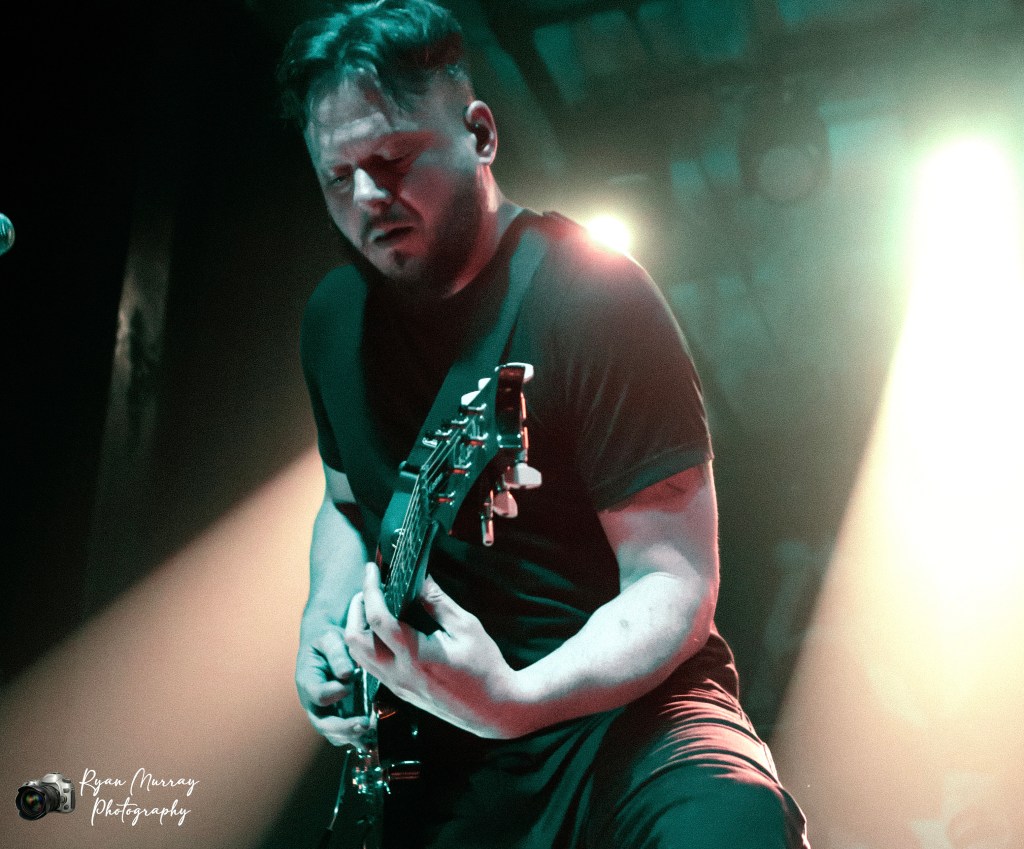
I stayed right at the barricade as their set opened, and whatever questions existed disappeared quickly. The band came out tight, focused, and fully in sync. Susi looked settled in immediately, and Werstler integrated without disrupting the flow. Nothing felt off.
What changed instantly was the pressure in the room.
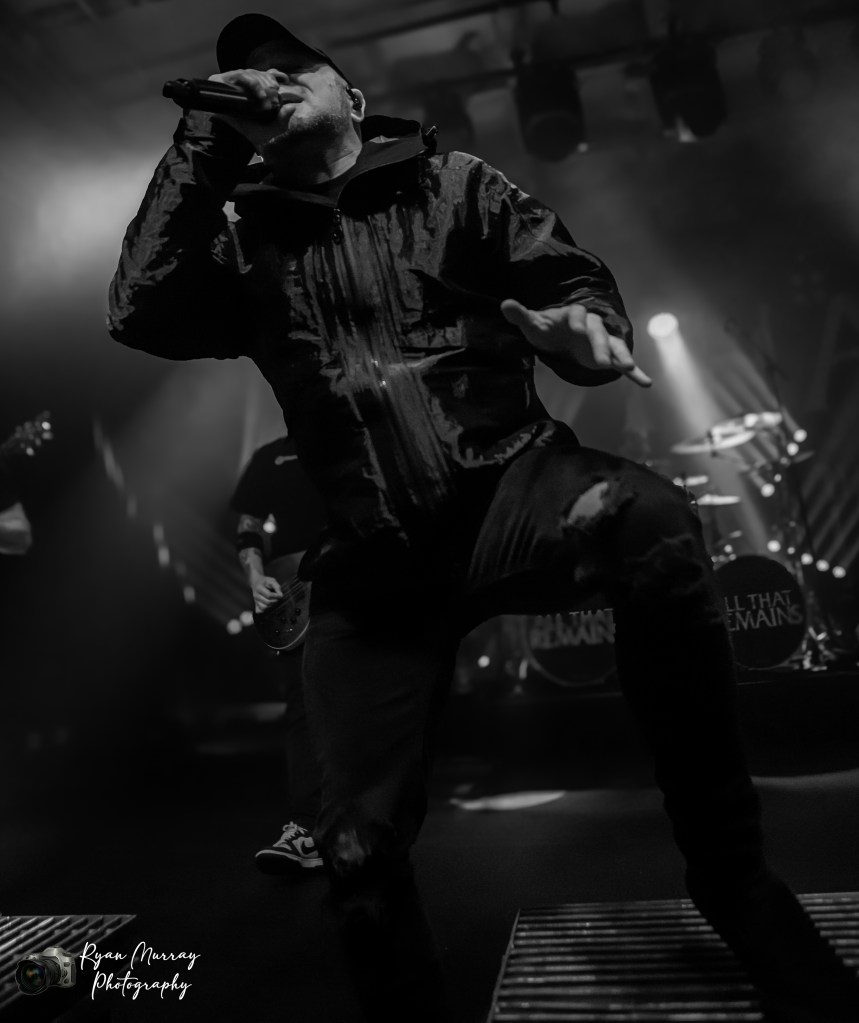
“Divine” and “Six” hit early, and the pit surged forward hard. Within moments, bodies were coming over the barricade again—and this time, they didn’t stop. It became constant. Security barely had time to reset before the next person was already being lifted over.
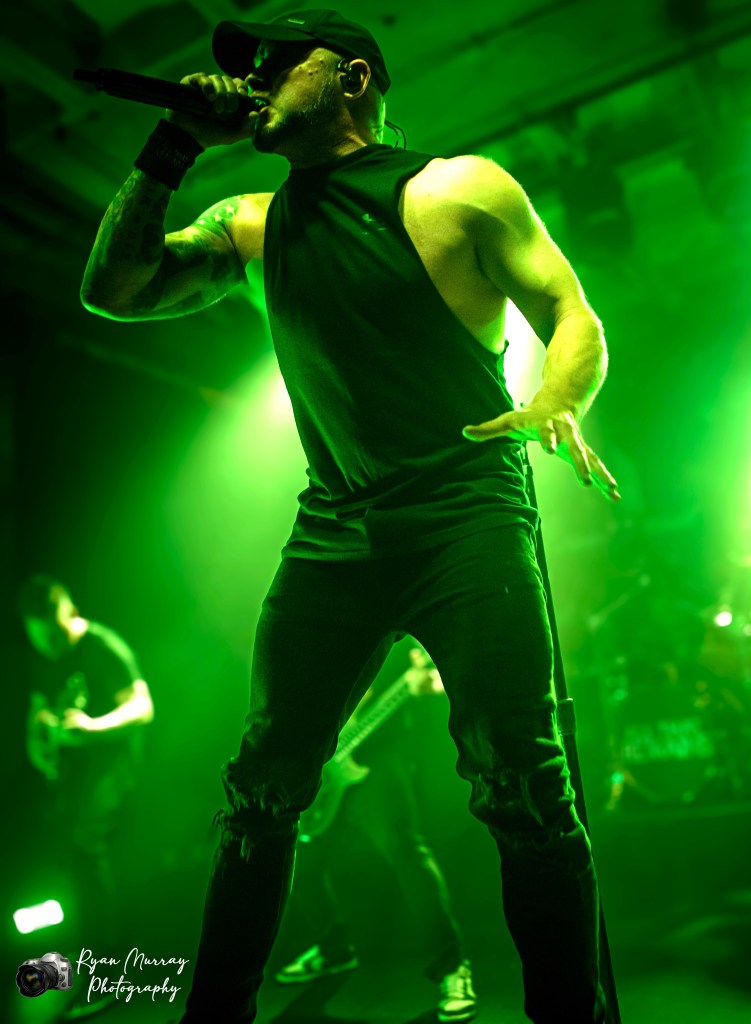
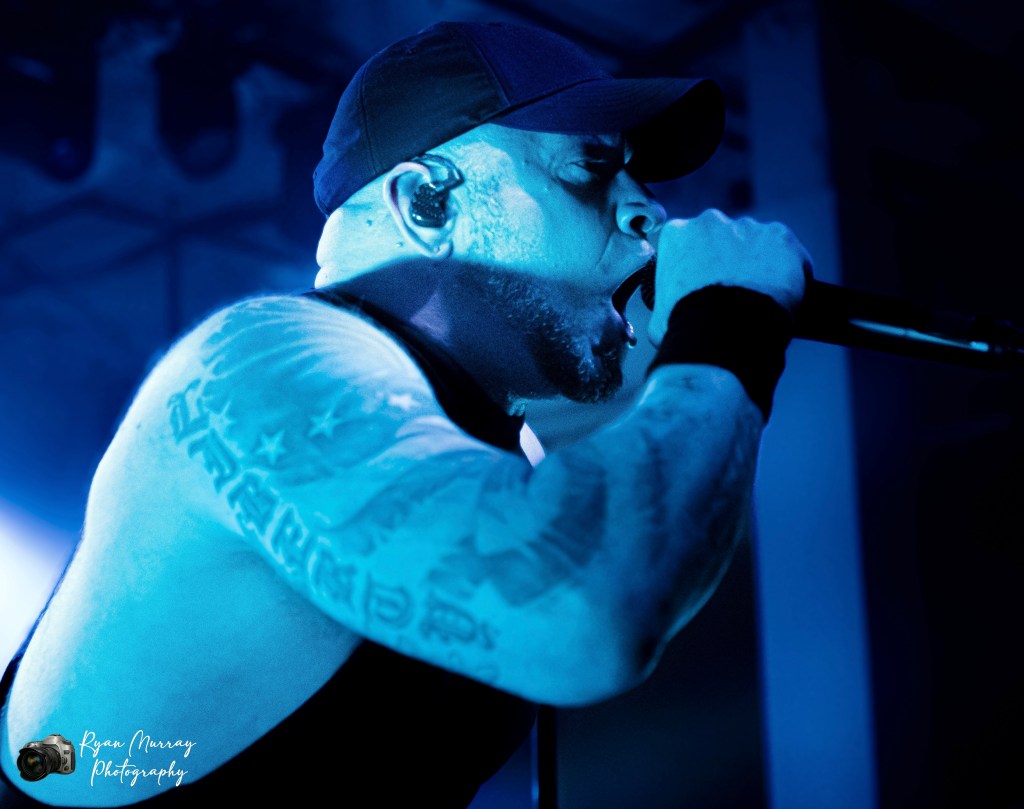
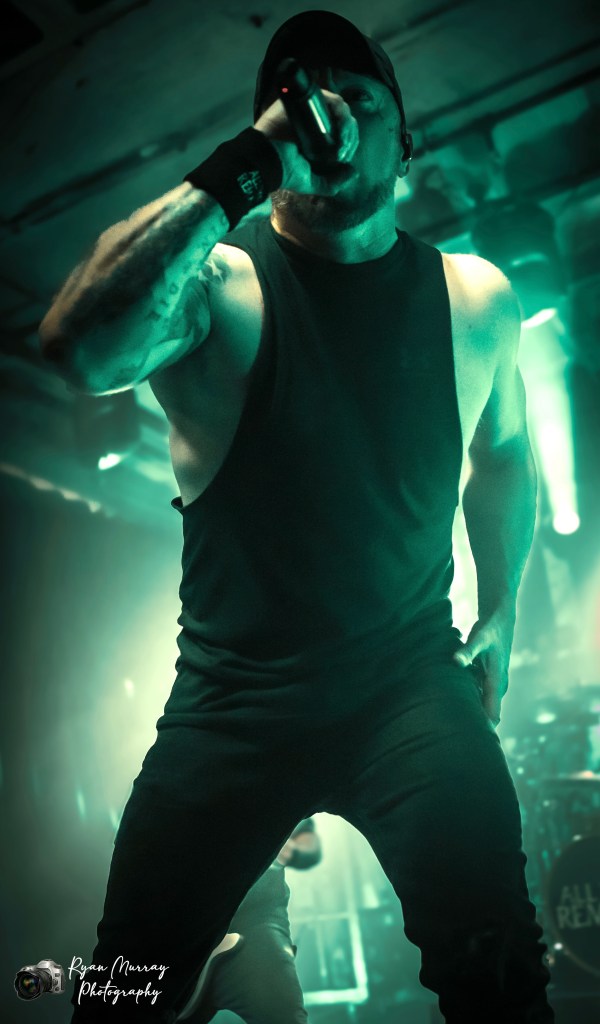
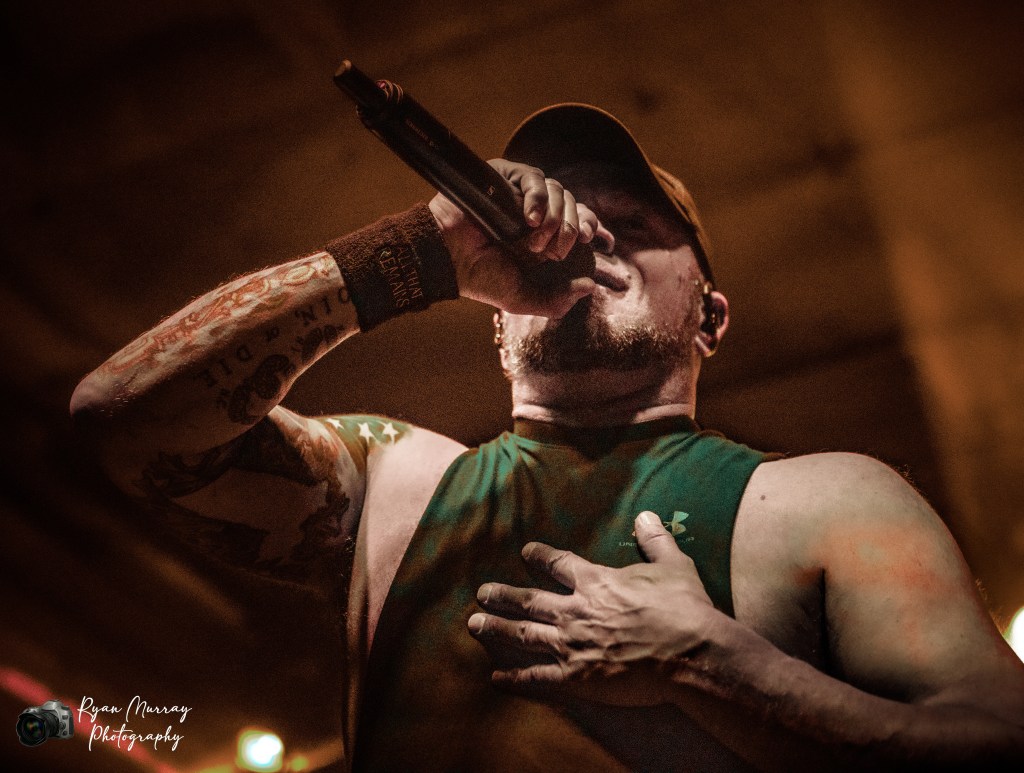
At one point, Phil Labonte looked out, grinned, and told the crowd to keep security busy.
They followed through without hesitation.
From there, it was relentless. I was shifting constantly between shooting and bracing as crowd surfers came down just seconds apart. There was no real gap between them—just a steady stream, completely in sync with the energy coming off the stage.
Musically, the set held that same level of control.
“Cut Their Tongues Out” fit naturally alongside older material, while “Not Alone” and “What If I Was Nothing” shifted the room into something louder and more unified. You could hear the difference immediately—those songs carry weight for people, and it showed.
“This Calling” snapped everything back into a sharper, more aggressive edge late in the set, and “Two Weeks” closed the night with the entire room still fully locked in—no drop in intensity, no trace of fatigue. At that point, the venue didn’t feel like it was winding down so much as holding its breath, like it knew it had just been through something it couldn’t fully reset from. What started as a stacked three-band bill had steadily tightened into a single, continuous surge of movement, sound, and impact that never really gave the room a chance to settle.
By the time the final notes faded, there was still a kind of aftershock hanging in the air—security still working, people still processing, and the crowd refusing to fully break apart as if letting go meant admitting it was over too soon. Just a fire ignited over twenty years ago that refuses to fade, burning just as hot today—if not hotter—than it ever has, and a reminder that some bands don’t just revisit their legacy… they keep proving it, night after night, in real time, at full volume.
 Ethereal Metal
Leave a comment