Zach Brehany | Contributor
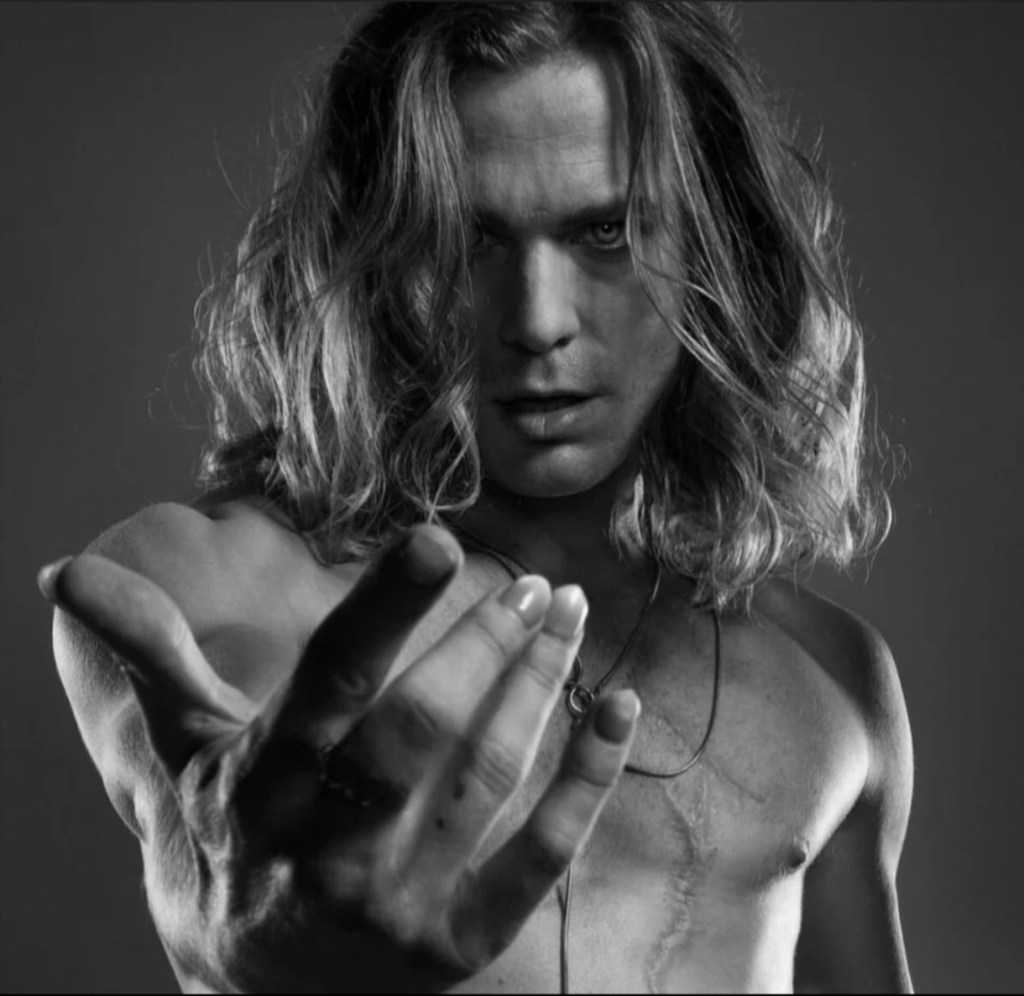
He has just awoken, seeing a world that he could only dream of. People being free with expression, the divide being the wealthy and the poor a good bit more fuzzy than when he was either a human or when he began his journey along The Devil’s Road, no new religion to replace Christianity, and a preternatural sound he had never thought of.
In the perspective of The Vampire Lestat, the entire genre of hard rock created the same emotion and feeling from when he was on stage as an actor, portraying the role of Lelio to crowds. The idea of a guitar or a keyboard playing a note indefinitely, the ability to play both the angel and the devil nightly, finding a way to get his message across the most. All of these were some of the thoughts that convinced the eternal Brat Prince to take the stage and reveal to the world that entities like that of Vampires are real in a way to enthrall humans while enraging all of those that are preternatural. Also something about getting back in touch with his fledgling/true vampire love known as Louis after decades of separation.
In the mid 1980s, this was what The Lady Anne Rice laid down when she began writing the novel “The Vampire Lestat”. Being a character of action, it was outlandish, brazen, and brand new way back then to have a character be like this, to embrace the existence we have all been programmed to resent and be fearful of. Being influenced by artists like Jim Morrison and David Bowie, Lestat was meant to be that level of influence, that huge.
Within the context of the novel, we get that vibe in the framework story surrounding this character (the prologue and epilogue dealt with this while the main bulk being his origin stories) that he got to be that huge.
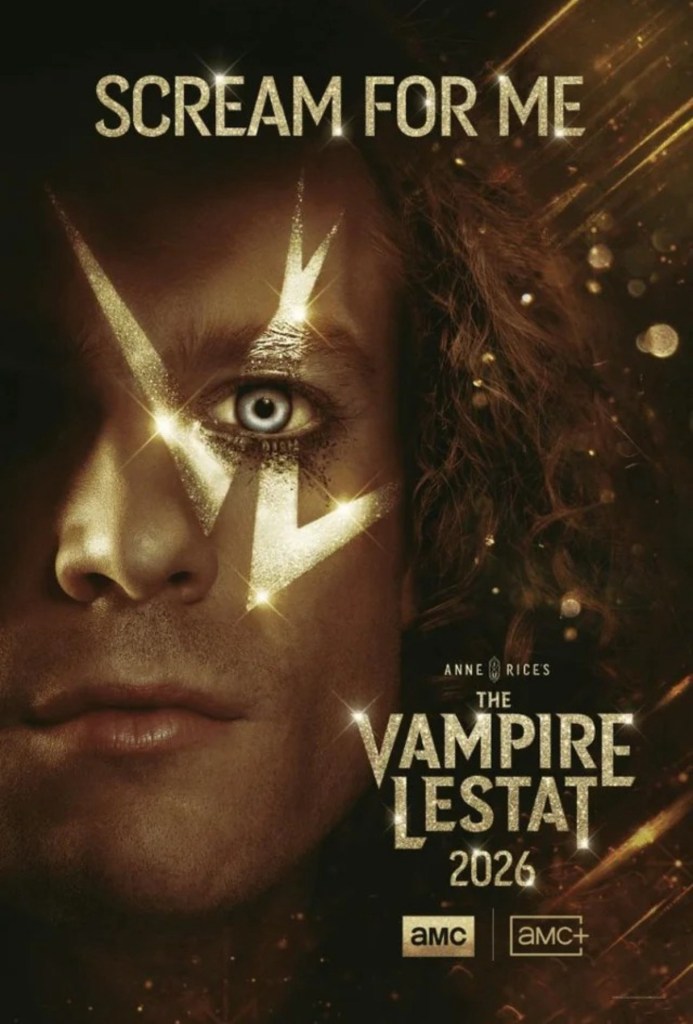
While this isn’t meant to be a report of TVL, knowing the original influence of the character does help with understanding the music Daniel Hart has made for the upcoming AMC series Anne Rice’s The Vampire Lestat. Maintaining true to the original text, Hart used influence from some of the most important classic and contemporary rock/pop/glam music that we know of.
Bowie, Iggy Pop, Lou Reed, Chappell Roan, Tim Curry, Mick Jagger, Billy Idol, a bit of Ozzy Osbourne here and there, Beyoncé, a dash of Raleigh Ritchie—the AMC adaptation does keep with the original ideas while expanding on the art in ways that are surprises to the fans and those that have waited most of their lives to finally see.
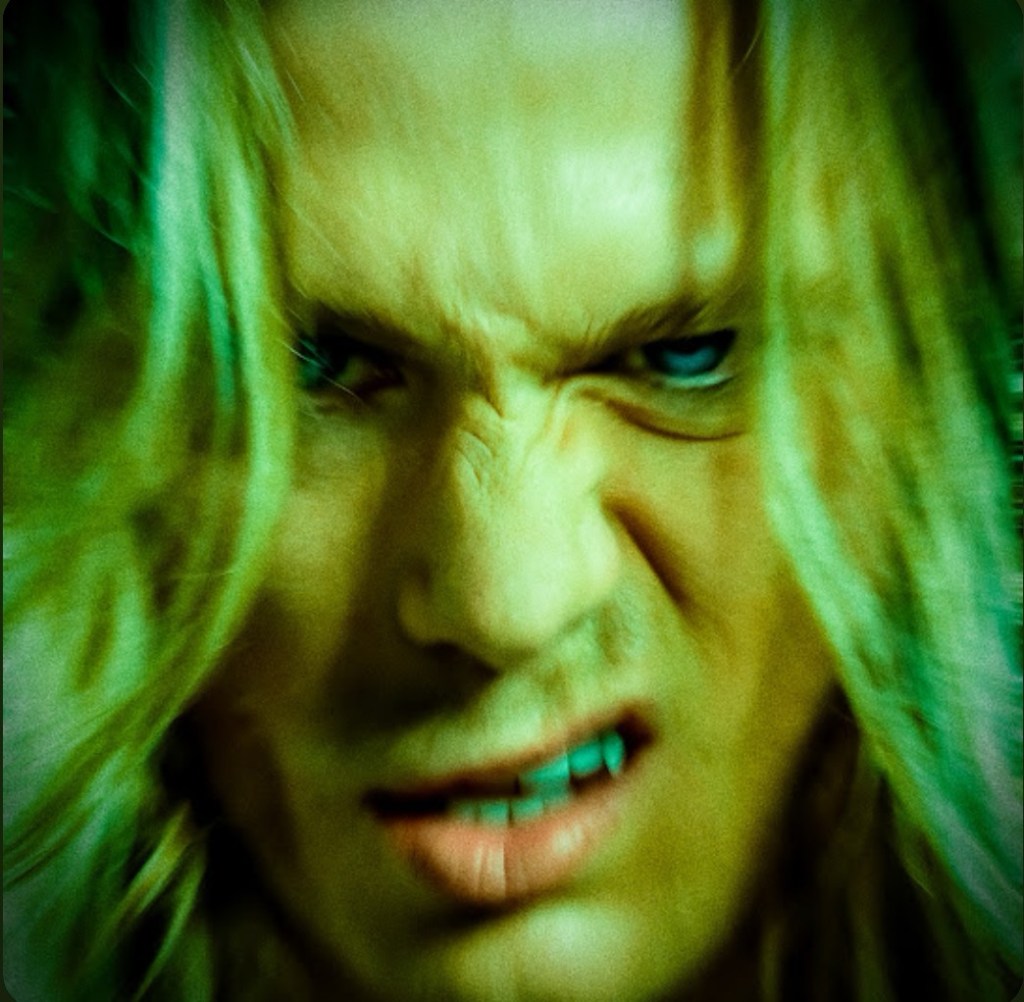
LONG FACE
2024 was a year that cemented the fandom both parts of Anne Rice’s Interview With The Vampire had gathered as a genuine staple in pop culture, mainly within the LGBT community.
During the last week of the show we had not only gotten the confirmation that season three (renamed to TVL) but we got the first Lestat track. We had no idea what to expect, any way of guessing. What we got was actor Sam Reid (Lestat), who not only sang personally but kept his faux-French accent the entire time. This from the Australian native was a shock.
For the most part, it isn’t that complicated on an instrumental technical level. Having massive influence from the Bowie song The Jean Genie, this song works as a good first single. It’s fun with a bass line that does grab you. You can imagine what our beloved Brat Prince will be doing during performances with a very suggestive vocal work on the chorus and the sound of him almost moaning.
The main part that I find most interesting is the lyrics. Part of being in this fandom and knowing how the music originally was causes us to break down and try to figure out the meaning.
Using various music terms as suggestive meanings, the main takeaway is this is meant to be a calling out track to a certain fellow vampire he is connected with.
With lyrics like:
Another taste, another year
Another place, another tear
Another chase, another sneer
Without a trace you disappear
Pick up the pace, pack up the gear
Gimme some face, a souvenir
Here come the gays, here comes the fear
Now we’re havin’ fun…
We know he is trying to call out part of the hypocrisy of this character due to certain parts of their connection being called into question, the acceptance of the status quo being shaken up, and the idea that he won’t ever stop doing and being who he is.
A reading of the novels by Anne Rice I always use is the view that her novels are about accepting your life regardless of the hand you were dealt at the start. While most of the undead are always miserable because they can’t move on with existence in a natural way, Lestat rejects that, telling us that there is always a way to keep going, not taking life seriously, and just embracing what you are.
To recount a quote from the 94 film adaptation of Interview:
…learn to be powerful, beautiful, and live without regret.
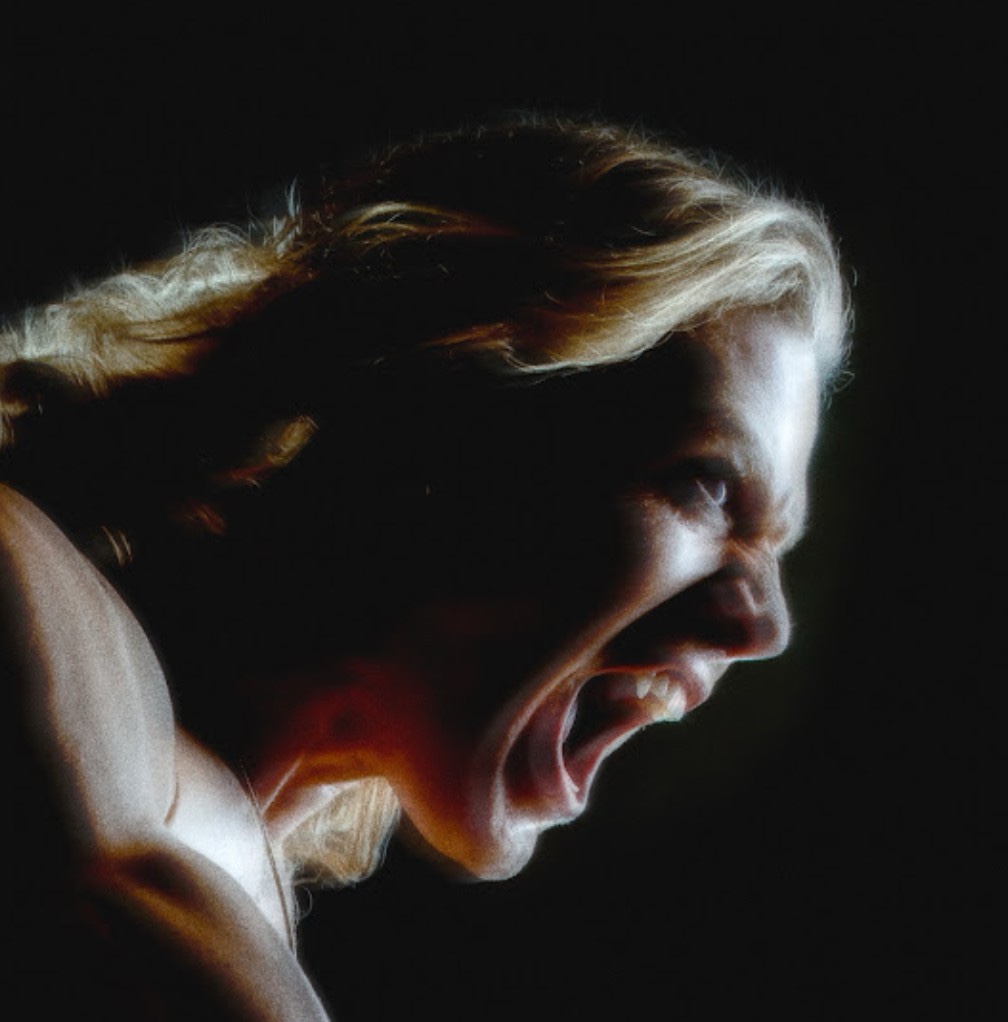
ALL FALL DOWN
The history of how we got this song is a bit interesting. The first time we got to hear it was during a Comic-Con panel where we got an early teaser for TVL. Because it was recorded on someone’s phone, audio quality wasn’t the absolute best. We accepted it because we in the fandom are little maggots of shameless indulgence for whatever is released for this franchise.
But even in the very poor quality, the song came through completely, the sound of the bass coming in the most perfect. The vocals were muffled with the emotion and idea being clear enough: this is the song that is Lestat’s introduction.
About a good few months later we got an official release of this teaser. The lyrics were more clear as we see what this adaptation’s take on the character would be like. He’s a little killer, he’s lonely, but he is the heart of it all that pumps blood into our faces. He is here, he will have your attention, and be ready to enter his world.
Some time after the teaser, the official release came out. The part that stood out to us at first was how short the song is, just six seconds over a minute in duration. Once we learned that this is, in fact, the opening credits theme, it all clicked on how we will take this track and the lyrics started making more sense.
In the previous seasons we only got the perspective (mostly) of the character Louis (Jacob Anderson, Game of Thrones). We never really got the views of Lestat.
This time around, we will get his views. From the start, he is more bombastic, way more confrontational. The score of Interview 22/24 is more orchestral, more haunting and sober. The music then told us that this is a story that will play out like a relationship born from darkness with a bit of a jazz influence.
It’s contemplative, emotionally stirring, a bit of a beautiful depression.
Now it’s in your face, dangerous, yet delightfully disturbed. This is, so far, the best musical look into the character and knowing this is how each episode will start does leave us hyped for more original music.
DANCING WITH MYSELF (GENERATION X COVER)
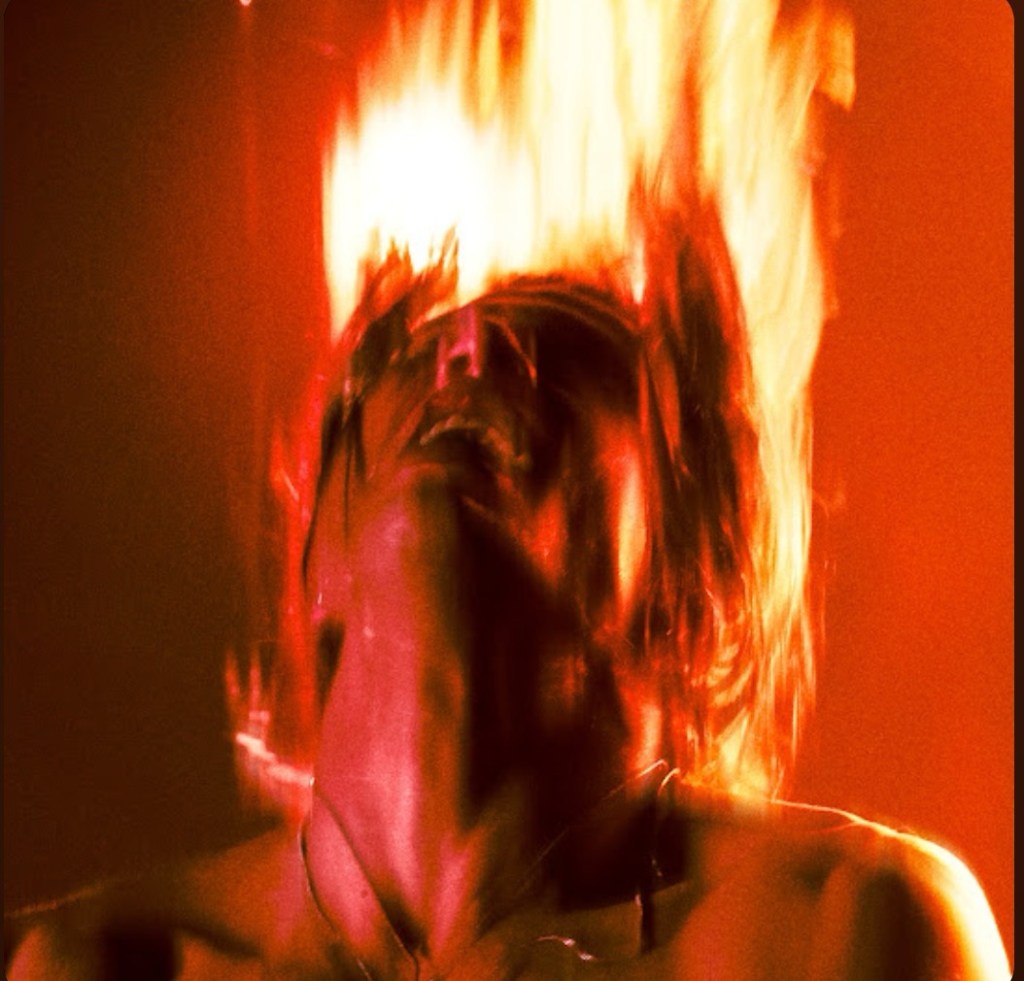
The controversy over the release of this track was, thankfully, very short-lived. In press interviews when asked about the music for this show, Sam Reid stated he didn’t think Lestat would do any covers, wanting to stick only with original material.
While there might be in-universe reasons for this (as part of the hype surrounding the show, a fictional petty feud between the character and Daniel Hart has been in the background), the idea of a cover does make the most sense.
Factoring in the built-in fandom that has been here since 1984, the idea of his music is different for everyone.
In my mind, I personally imagine the music of Nightwish as the sound (fun fact: in 2015, Anne Rice would discover Nightwish, falling in love with the Floor era to the point of leaving comments on the videos for “Élan” and Endless Forms Most Beautiful).
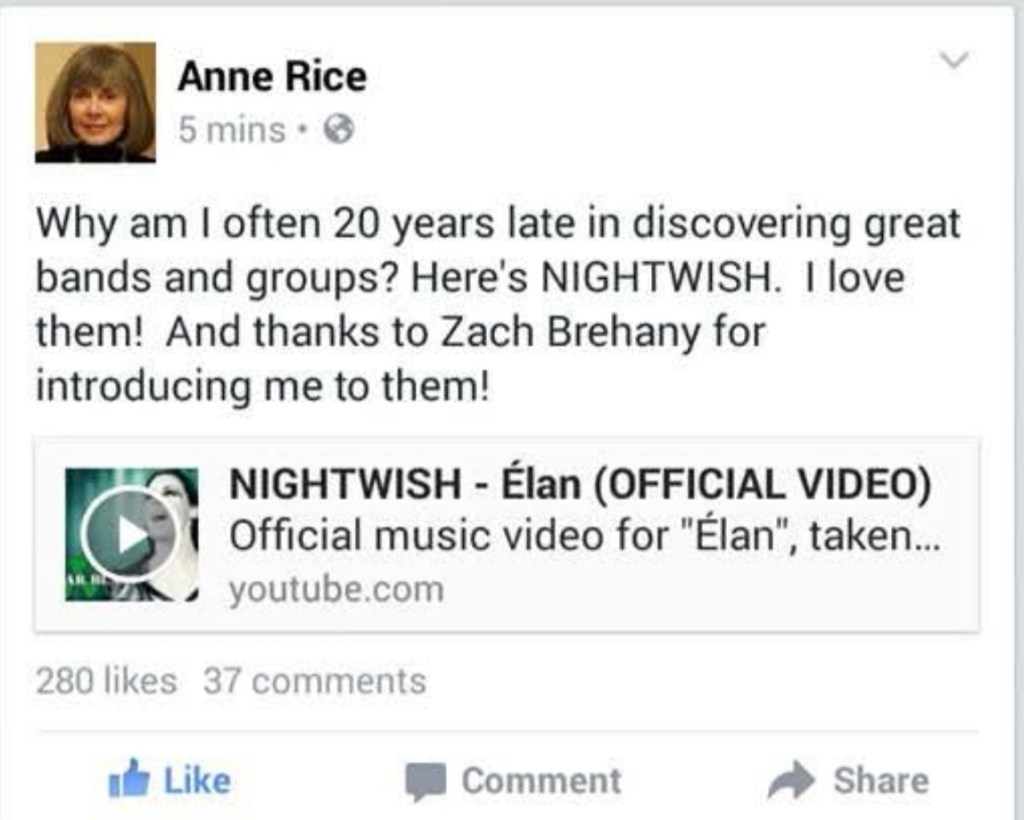
Knowing we have to get people interested, why not use an 80’s glam rock anthem that would have been an influence on Lestat within the books?
With most covers, the appeal is to help people discover and like what music they have to offer. This was something both Elvis and The Beatles did early in their careers and was how I even discovered my love for symphonic metal (Nightwish – Phantom of the Opera (End of an Era) was my intro).
As for the cover itself, it’s a bit interesting how open the song starts off with Reid’s vocals, mainly having the drum and bass fill the space with some synth parts sprinkled around. This goes on basically until the instrumental section, Lestat hissing out the name of Trapper (piano/synth player for the in-universe band) leading to a tasteful mini synth solo that ends with the character of Tough Cookie having fun with the cymbals.
You can imagine crowd surfing/gently hovering over the audience getting deep into the magic of the song’s soul that is forever present.
Probably one of the better covers of music by Billy Idol.
BUTTERSCOTCH BITCH
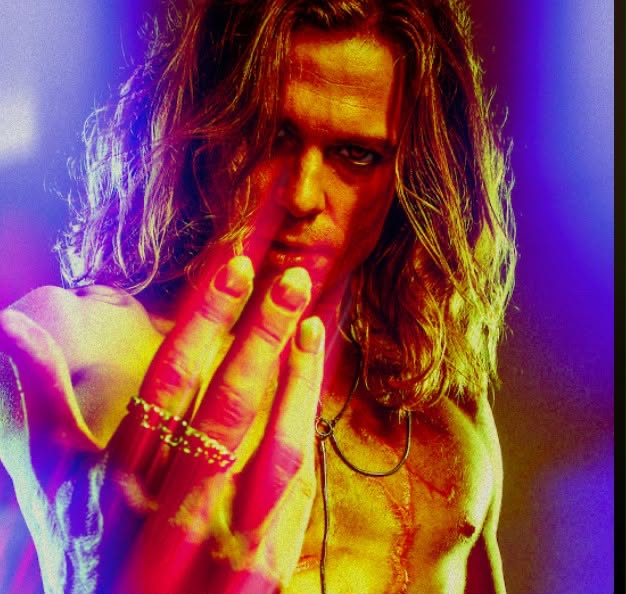
The most recent single has only been available for less than 24 hours. Besides having a healthy stack of listens, this is the most unique of the songs. On an instrumental level, the tempo is much slower, heavier.
It does sound like you just did some depressants and the chemicals are taking over. From the almost sludge way the song begins to the empty silence when the peak has been reached, you are stuck with the trip downwards.
In a way, it feels like a hybrid of Marilyn Manson’s The Dope Show in the slowness of the pace with a little bit of Arctic Monkeys sprinkled on top. Plus, it sounds a bit more on the orchestral side of the coin.
With the lyrics, I have a feeling this is aimed at the vampire Armand (Assad Zaman). SPOILER ALERT: some spoilers for the first series/novel of The Vampire Chronicles are in effect.
In IWTV: PART II, we learn Armand’s side of his connection to Lestat. When they first met, Armand was the coven leader of a group of satanic vampires who sacrificed humans to The Devil. Before Lestat showed up and destroyed their entire philosophy and beliefs, Armand was in a state of almost non-existence where he was low-key bored of being in charge.
We learn early on that in multiple ways Armand is submissive, wanting someone to take control as he lives in his own world. So, with him wondering if he’ll ever touch the ground, we are seeing if he will ever be able to steady himself, exhausted from being in control.
The other character would be a look at Lestat himself. At the end of Part II after the trial, we see Lestat crashing in the tower that belonged to Magnus (the rogue vampire who made him). As he sits and waits for the inevitable confrontation with Louis and Armand, he is “having himself a think about why he does what he does.”
He looks destroyed, drained, exhausted like a showgirl who gave everything and is exhausted to learn that people still want to be entertained. And yet, he loves it in his own way.
The only other interpretation would be that this is his diss track towards his vampire love Louis. As established, the story of The Vampire Lestat begins with our beloved Brat Prince learning that Louis not only spoke about him to a reporter but that interview has been published as a best seller worldwide.
Knowing that Louis didn’t paint Lestat in the best light, the song could be him mocking Louis, calling out his hypocritical views, playing up his own victimhood. While Louis does have some very good reasons to be mixed on Lestat, his overexaggeration has to be addressed and looked at with a more critical eye.
Did the flavor of my failures prove
Good enough to gild your gaping wound?
Fill the gutter
Brown sugar and butter
Built to a pyre
Light it on fire
Burn our desires until I’m
Burnt again, again
And again, and again and again
If you remember episode 2×5 (Don’t Be Afraid; Start the Tape), then you know what a certain overly nasty action almost cost Louis.
With how he does almost thrive off of misery and depression, he still wants to be seen as the victim instead of taking any responsibility for his actions. If he doesn’t, then he has been known to love playing with fire.
Louis is the type of character that has no problem burning everything that has wronged him, so the idea of him burning and destruction seems to be one of his desires.
If he can’t have it, then burning it like a witch on a pyre is the only outcome. Thankfully, this song is fire so it works regardless.
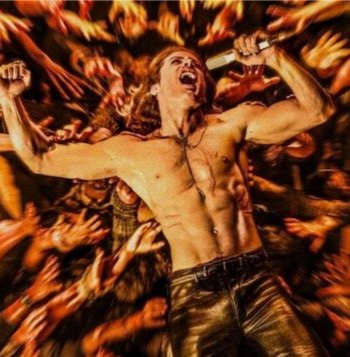
THE VAMPIRE LESTAT – YOUR BIGGEST FAN
Picture this: you are on stage, recently getting praise for your abilities as an actor on the stage in Paris. You are on that stage, giving a performance no one would forget. You get people laughing, crying, screaming for more. That smile you feel? That’s the wonders of joy taking place. As you look out into the crowd, you start feeling this sheer wave of panic. A man in the audience, blended in where no regular human can pinpoint, glaring at you with hungry, blood-depraved lips.
That was the reaction our beloved Brat Prince had when he saw his first ever vampire, arguably one of the most pivotal moments not only in this take on vampire-kind but of the entire thirteen (15 to 18 depending on your counting) volume series of The Vampire Chronicles by Anne Rice. It’s the moment that forces Lestat into a world he couldn’t have dreamt of.
And that’s what this song is about: how Lestat got singled out to become one of the undead from the perspective of the vampire Magnus (Damien Atkins). As such, the song is way more folk influenced and has a more earthy/raw vibe. It feels like you are on the streets of Paris, contemplating the events that just happened, trying to understand why this even happened.
It’s even more interesting given how we start to reflect on the nickname he had at the time (wolf killer). The name was due to an incident that happens at the start of the story, a name given to him by Magnus. While he would go on to accept it, him using it makes me feel like that was all he ever was to Magnus: an idea instead of an actual person. I won’t go into much more detail out of fear of spoilers, but as the music dives deeper into who Lestat is, the more he starts accepting what has happened.
That’s a good way to see what this song means: playing up who you are in the perspectives of others. None of us ever really know if or when we catch someone’s attention and the version of you they see. While most people either shrug it off or get offended, Lestat owns up to it, deciding to wear it like armour. As the lyrics paint out more of what the character Magnus sees, you can get the vibe that Lestat sees the dark humour of the situation he is in. It’s either crawl over depressed or find a way to make it work.
If anything, that’s what we need to learn to do: make the you that exists in other people’s minds be more than anything else as a way of serving you. A good comparison I can think of would be the songs ‘Diva’ by Tarja and ‘Paparazzi’ by Lady Gaga.
Comparing all three songs, you see how they openly acknowledge how they were seen at low points in their lives, yet they don’t let that hold them down from their own lives. As Tarja sings about being a dead diva, Gaga sings about being the biggest fan for the tabloid press, and Lestat sings about being an idea instead of being a person.
We all know who we are as people, but the views of others can be disheartening. Either make it work for yourself or accept being a “thing” for someone. We see how they handled it, so it’s time to start learning from them all.
 Ethereal Metal
Leave a comment