Ryan Murray | Co-Owner | Chief Editor | Contributor | Photographer
r.m.music84@gmail.com
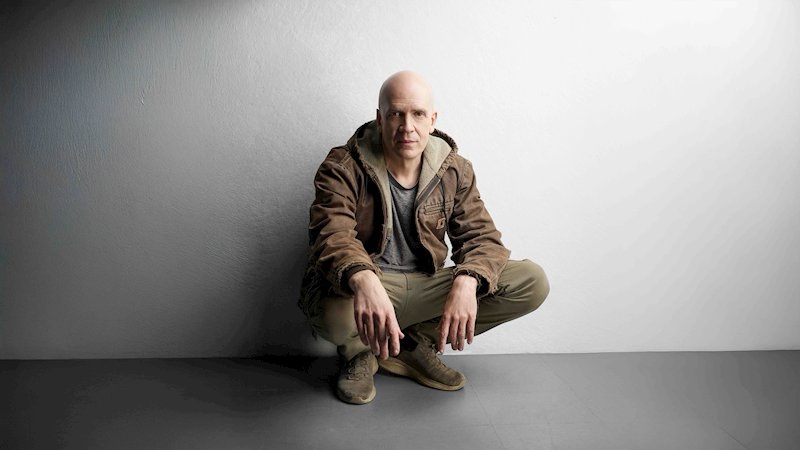
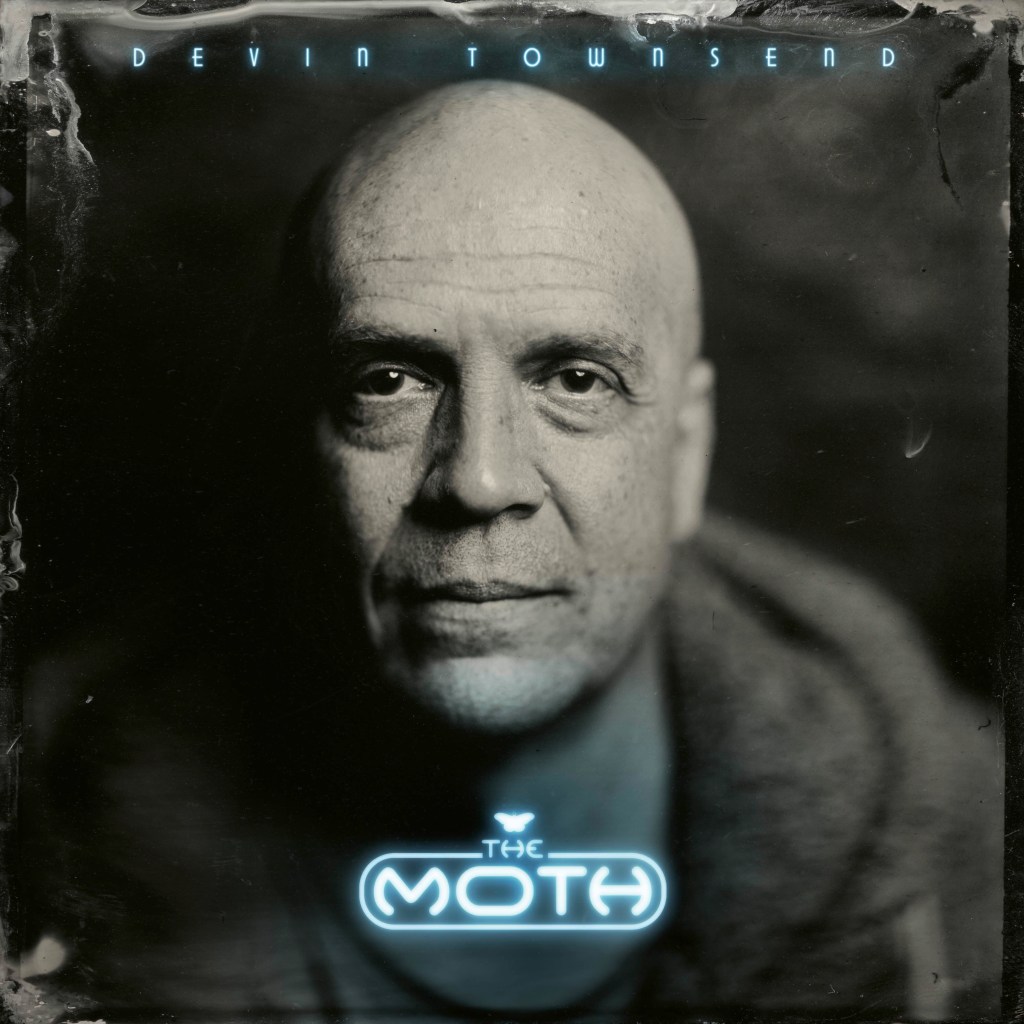
Canadian progressive visionary Devin Townsend has never been an artist content with standing still. Across decades of chaos, beauty, extremity, and introspection, he has continuously reshaped his sound into entirely new worlds—the spiritual grandeur of Empath, or the deeply human vulnerability of Lightwork. But with The Moth, arriving May 29th via InsideOut Music, Townsend may have created the definitive statement of his career: a 24-track odyssey that feels less like an album and more like a living, breathing cinematic experience.
Years in the making, The Moth is not simply ambitious because of its scale. It is ambitious because of its purpose. Townsend has always been fascinated by transformation—the emotional violence of growth, the terrifying beauty of change, the way human beings wrestle with themselves in silence while the outside world burns around them. The Moth captures all of that with orchestral grandeur, choirs, crushing guitars, meditative passages, and moments so emotionally overwhelming they border on transcendence.
The album’s origins trace back more than a decade, existing in fragments inside Townsend’s imagination as what he once considered his “life’s work.” Then came an opportunity that would finally allow the vision to manifest: following an acoustic performance in Amsterdam, Townsend was approached by the head of the North Netherlands Orchestra and Choir with the idea of bringing orchestral grandeur into his already expansive creative universe. What followed was years of composition, experimentation, restructuring, emotional excavation, and meticulous layering. The end result is staggering.
And somehow, despite its overwhelming scope, The Moth never loses its humanity.
The record opens with Semi-Prologue, a sweeping cinematic overture that immediately pulls listeners into its orbit. Strings rise like storm clouds while Townsend’s aching yet towering vocals guide the listener toward the enormity waiting ahead. Massive choirs surge beneath the arrangement before the album seamlessly slides into War Beyond Words, where darker progressive textures begin emerging from underneath the orchestral beauty. Townsend’s harsher vocals eventually tear through the soundscape, reminding listeners that even amid elegance, chaos is always lurking nearby.
Rather than feeling like disconnected songs, these opening moments operate like movements in a larger composition. The Moth itself acts almost like a theatrical bridge—a spoken dialogue wrapped in towering symphonic arrangements and choral tension that bleeds directly into Ode To My Eye. Here, the album’s cinematic scale continues expanding outward, becoming increasingly immersive with every passing minute.
Then comes Enter The City, one of the album’s first truly triumphant moments. After the tension and mystery of the opening passages, the track feels like stepping through enormous gates into the heart of this world Townsend has created. It’s uplifting without losing the emotional weight underpinning the album’s themes.
Covered By Causes immediately shifts the emotional temperature again. Opening with what sounds like an orchestra tuning before performance, the track explodes into a massive wall of sound before dissolving into delicate acoustic textures and airy vocal passages from Anneke van Giersbergen. Her voice floats through the arrangement with breathtaking elegance, providing a stunning contrast to the density surrounding it. Midway through the song, listeners receive their first true introduction to Lynn Wu, whose vocal performance adds another entirely new dimension to the album’s sonic identity.
Lexin dives headfirst into experimentation—though calling anything on a Townsend record “experimental” almost feels redundant at this point. Dissonant synth textures, strange vocalizations, and fractured atmospheres create one of the album’s most unpredictable moments, while Townsend ominously declares, “Our future will not be so kind…” The line hangs over the track like prophecy.
The pacing throughout The Moth is masterful. Runaways, despite lasting less than a minute, carries surprising emotional impact. Opening with bells eerily reminiscent of Maiden’s Hallowed Be Thy Name, Townsend softly sings, “We’ve been lying and we’re all just runaways anyways,” before massive symphonic swells launch directly into A Proxy For God. Though brief, the track sounds colossal—marching forward with relentless momentum before handing the reins to The Mothers.
And The Mothers is absolutely mesmerizing.
Beginning with timpani rolls and massive choirs, the song unfolds like some dark enchanted waltz. Townsend’s vocals dance through the arrangement while pizzicato strings twist underneath, creating an atmosphere that feels theatrical, eerie, and strangely beautiful all at once.
Orion immediately reminds listeners that Townsend remains incapable of being boxed into a single sound. Opening with an almost playful predictability, the track evolves into something bordering progressive pop before eventually erupting into crushing heaviness halfway through its nearly six-minute runtime. The transitions are seamless, never forced, and somehow emotionally logical despite how wildly the moods shift.
Stay There arrives with starry-eyed wonder, allowing Townsend’s melodic sensibilities to fully shine. Choir-backed passages create an almost celestial atmosphere before Home At Night drags the listener into darker emotional territory. The latter feels like a twisted rock opera in the best possible sense, with Townsend’s upper-register vocals and dramatic vibrato carrying enormous emotional weight. Strings and guitars steadily intensify around him until the track crescendos into overwhelming catharsis.
Then comes Intermission, and the title could not be more appropriate.
Nearly five minutes long, the instrumental serves as a meditative breath amid the emotional intensity surrounding it. Strings, synth swells, chimes, and ambient textures drift together into something hypnotic and reflective. It’s the sonic equivalent of standing still in the middle of a storm while the world momentarily quiets around you.
That fragile calm is short-lived.
Lexin Returns reintroduces Lynn Wu’s mesmerizing vocals before The Clergy opens with Gregorian-inspired chants that eventually give way to Townsend’s effortless melodic command. By this point, the album begins feeling less like progressive metal and more like a fully orchestrated theatrical production unfolding inside the listener’s head.
Then The Moth reaches one of its defining peaks.
Prepare For War immediately catches the attention of Nightwish fans with an intro that recalls the cinematic grandeur of “Perfume of the Timeless.” But what follows is pure Townsend chaos and brilliance. The track genuinely feels like marching toward battle. Massive percussion, double-kick drums, blast beats, choirs, and orchestral devastation collide while Townsend commands the center of the storm. Lynn Wu’s vocals cut through the chaos beautifully, adding even greater dramatic tension.
Its companion piece, The Big Snit, feels like witnessing the aftermath and emotional violence of that same conflict. Townsend himself described these tracks as functioning more like a “soundtrack for an unmade movie” than traditional songs, and that description could not be more accurate. They are cinematic experiences first and foremost—representations of internal struggle, transformation, loss, and the brutal process of surviving change itself.
And somehow, after all that destruction, The Moth still finds new emotional terrain to explore.
Silver Princess opens with trembling violin vibrato before drifting into airy synth textures and swelling vocal melodies that feel almost dreamlike. That beauty eventually gives way to A Life In Review, whose deceptively playful opening quickly erupts into one of the album’s heaviest moments. A crushing wall of sound crashes through intricate drum passages while Townsend’s rougher vocal delivery bares its teeth with stunning intensity.
Metamorphosis lives up to its title entirely. Emotionally devastating guitars intertwine with ever-expanding choirs and strings, creating one of the album’s most powerful moments of transformation. It feels like the emotional breaking point where everything the album has been building toward finally begins reshaping itself.
Stained Hearts once again highlights the magic of van Giersbergen and Townsend together. Their chemistry remains extraordinary. Her ethereal delivery balances Townsend’s emotional intensity perfectly while heavy guitars, synths, and orchestral arrangements surge beneath them.
Let Go serves as another instrumental passage, though “quiet” is hardly the right word. Atmospheric and reflective at first, the track slowly accumulates distortion and overwhelming sonic weight before dissolving into echoing emptiness.
And then comes the finale.
We Don’t Deserve Dogs closes The Moth with breathtaking emotional force. Chimes shimmer over synths and choirs while strings slowly swell toward one final towering crescendo. It feels simultaneously heartbreaking and peaceful—as though the album has finally reached acceptance after enduring chaos, conflict, grief, fear, and transformation. The final whisper fades like the last breath after an emotional exorcism.
Few artists possess the technical brilliance Townsend does. Even fewer possess the emotional intelligence to make music this complex still feel profoundly human. Across its 24 tracks, The Moth somehow balances crushing heaviness, theatrical grandeur, progressive experimentation, and devastating vulnerability without collapsing under its own ambition.
That alone is remarkable.
But what truly elevates The Moth into masterpiece territory is its emotional honesty. Beneath the choirs, orchestras, blast beats, and cinematic scale lies something painfully human: fear of change, fear of loss, fear of self-destruction, and ultimately, the possibility of transformation through survival.
There are very few artists capable of pulling off something this immense without losing themselves in excess. Townsend joins the ranks of boundary-shattering visionaries like Frank Zappa, Steve Vai, Allan Holdsworth, and Robert Fripp not simply because of technical brilliance, but because of his refusal to create safely.
What Devin Townsend has accomplished with The Moth is genuinely astonishing. This is not an album built for passive listening—it demands patience, emotional investment, and complete immersion. But for those willing to surrender to it fully, the payoff is extraordinary. More than just another chapter in Townsend’s remarkable career, The Moth feels like the reason the entire journey existed in the first place.
VERDICT: 5/5


Leave a Reply