Ryan Murray | Co-Owner | Chief Editor | Contributor | Photographer
r.m.music84@gmail.com
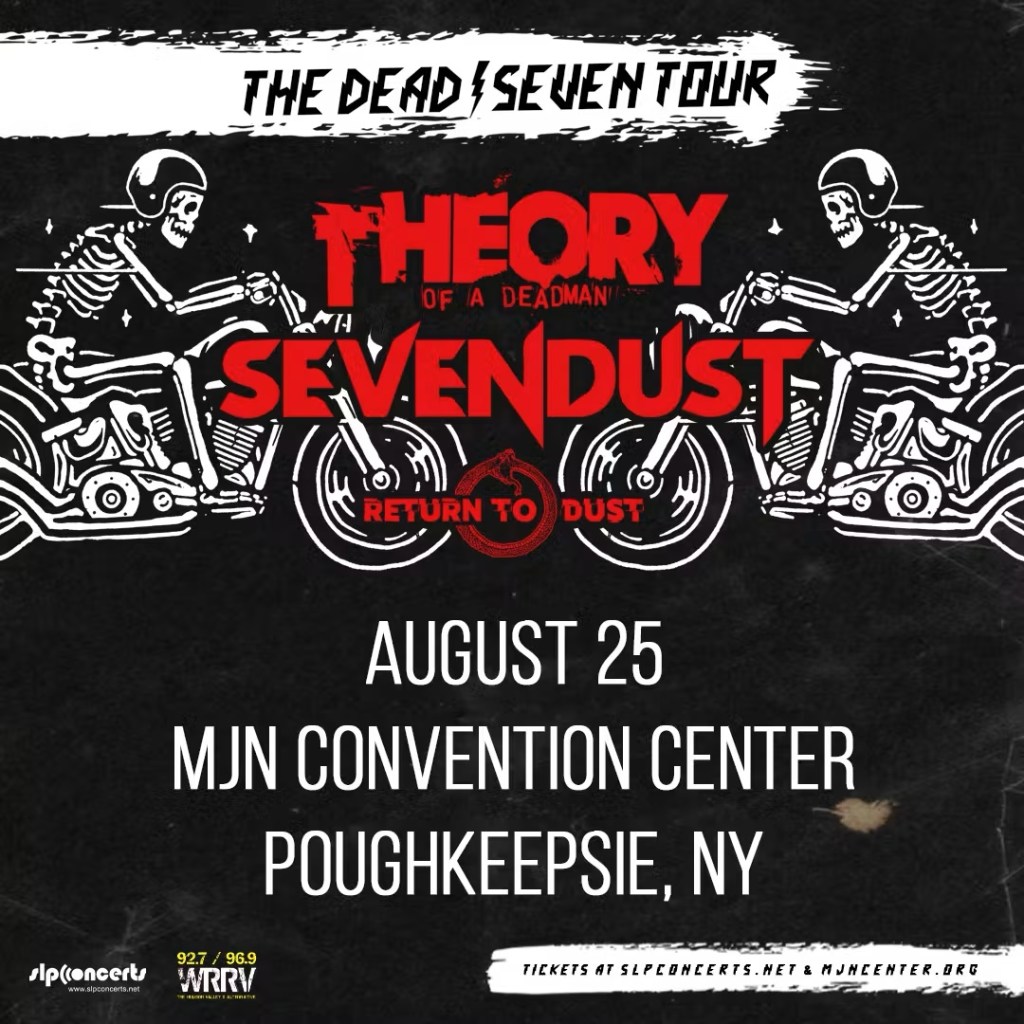
There are nights when a concert feels like a concert, and then there are nights when the room becomes something else entirely. On August 25, 2026, the MJN Convention Center in Poughkeepsie, New York, became exactly that: a room full of people connected by heavy music, massive hooks, familiar lyrics, and the kind of energy that cannot be manufactured.
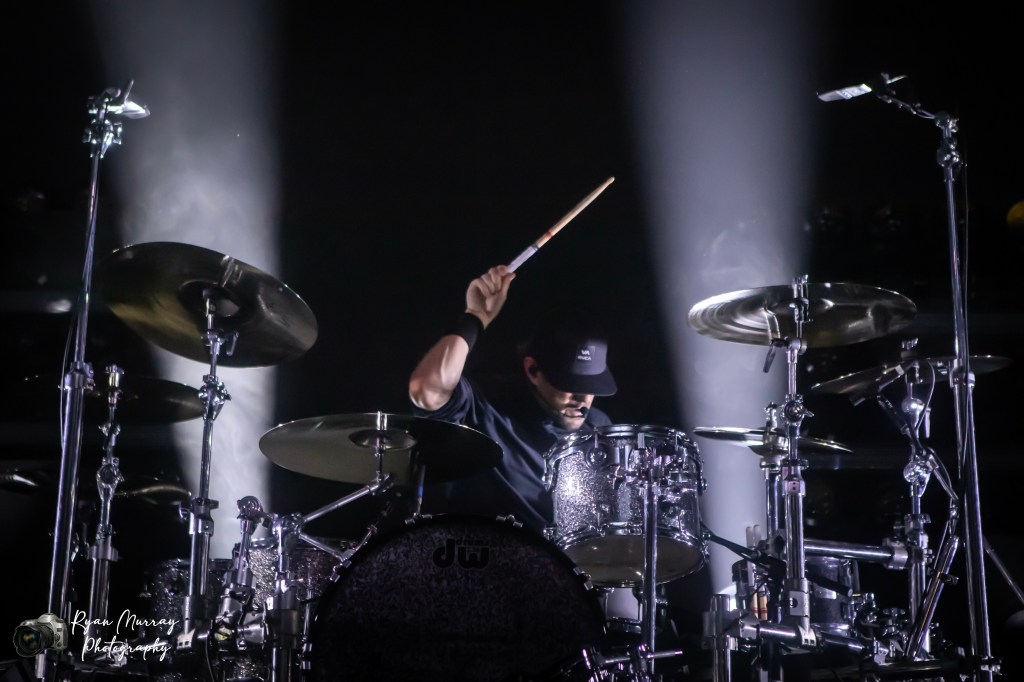
The Dead/Seven Tour brought together co-headliners Theory of a Deadman and Sevendust, with Los Angeles-based four-piece Return to Dust opening the night. While the venue may not have reached a sold-out capacity, anyone standing inside that room would have been hard-pressed to care. What Poughkeepsie lacked in sheer numbers, it more than made up for in commitment. From the opening notes to the final encore, the crowd was locked in.
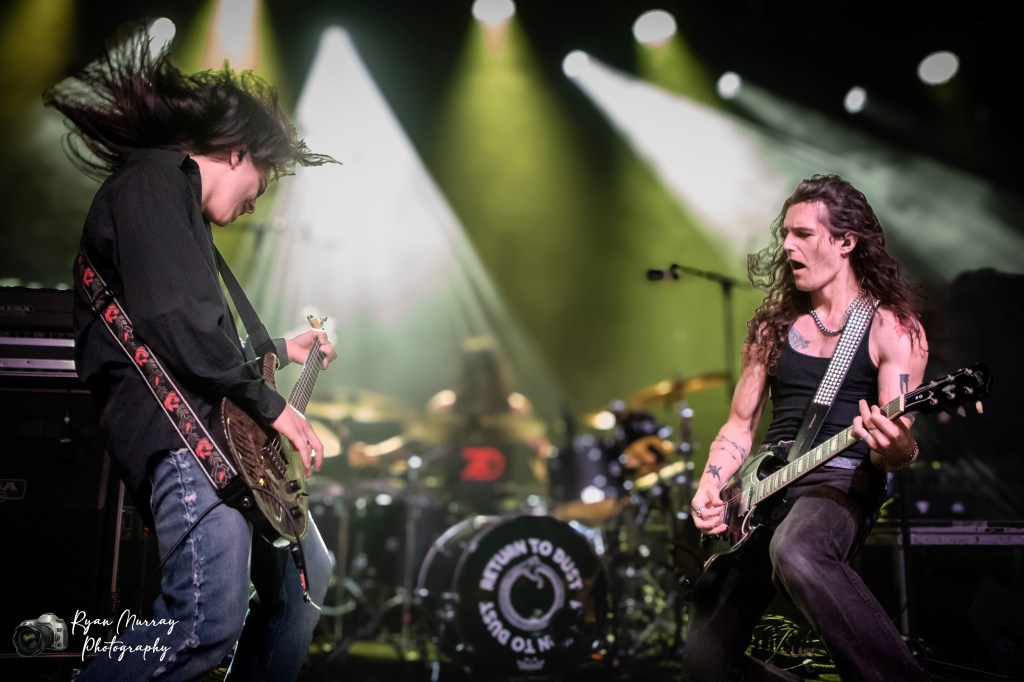
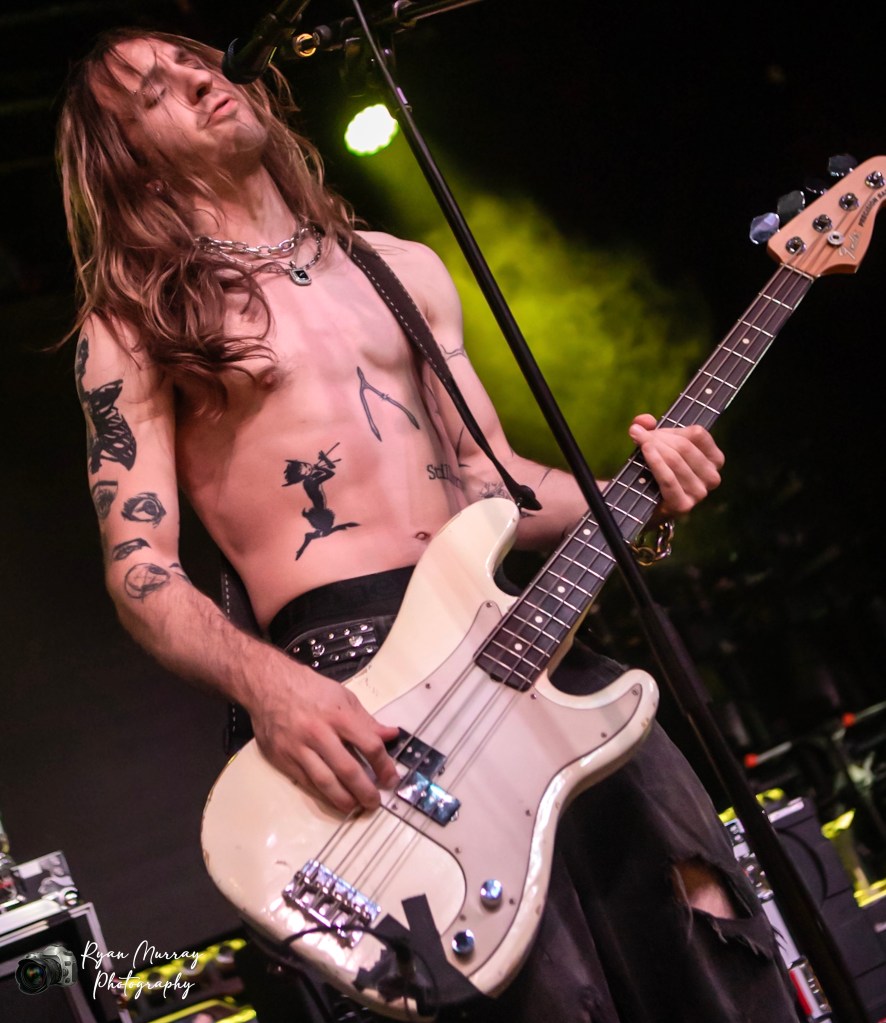
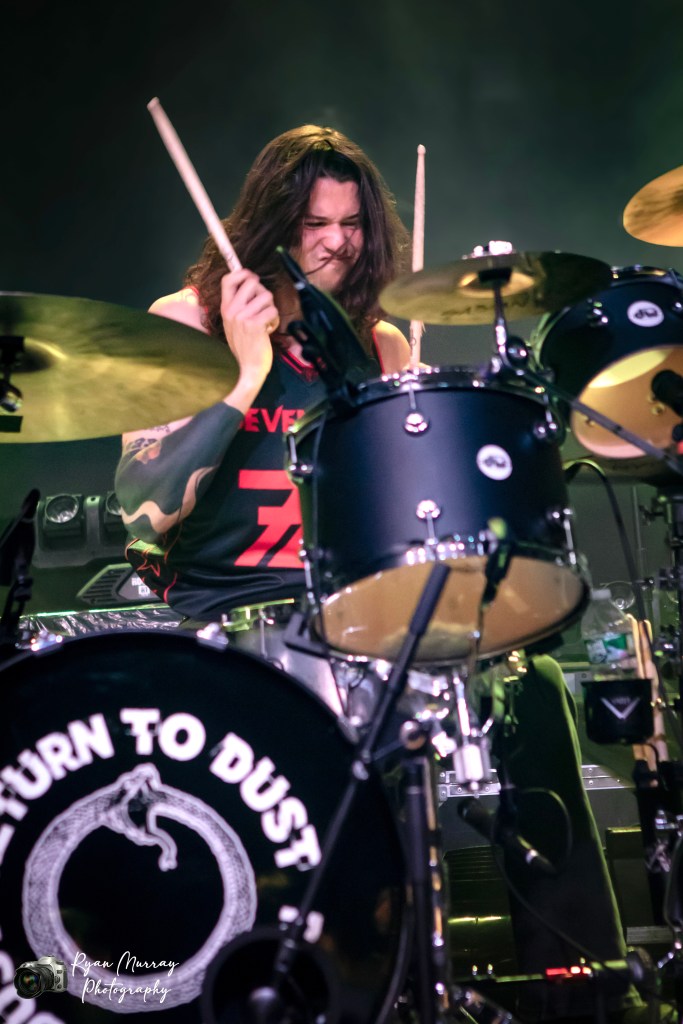
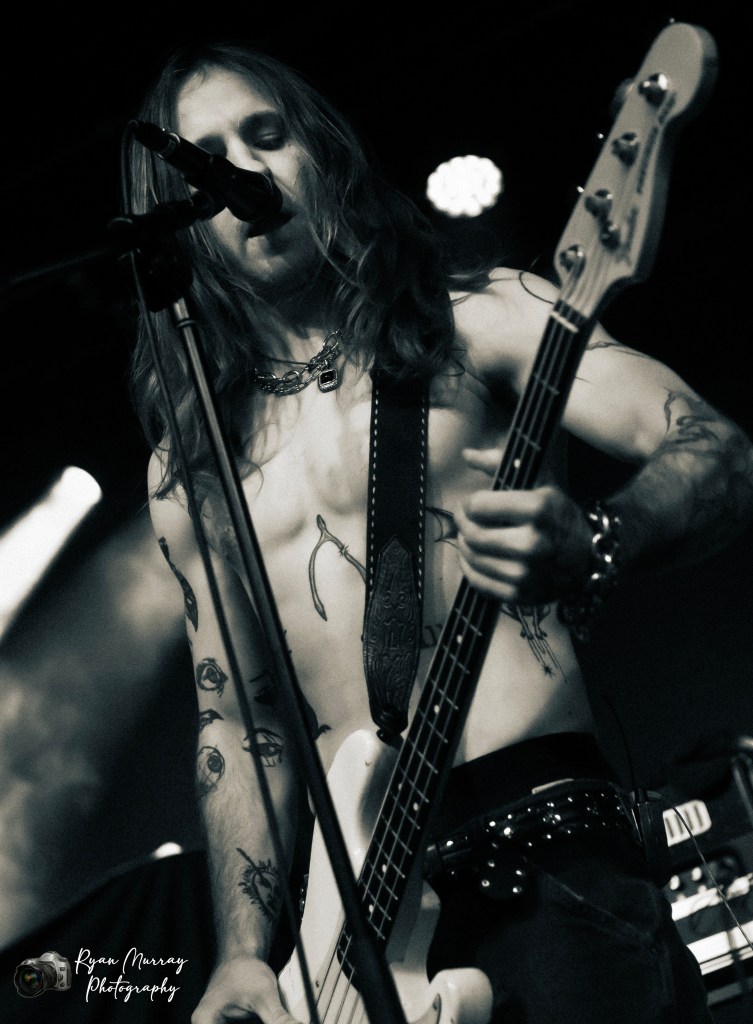
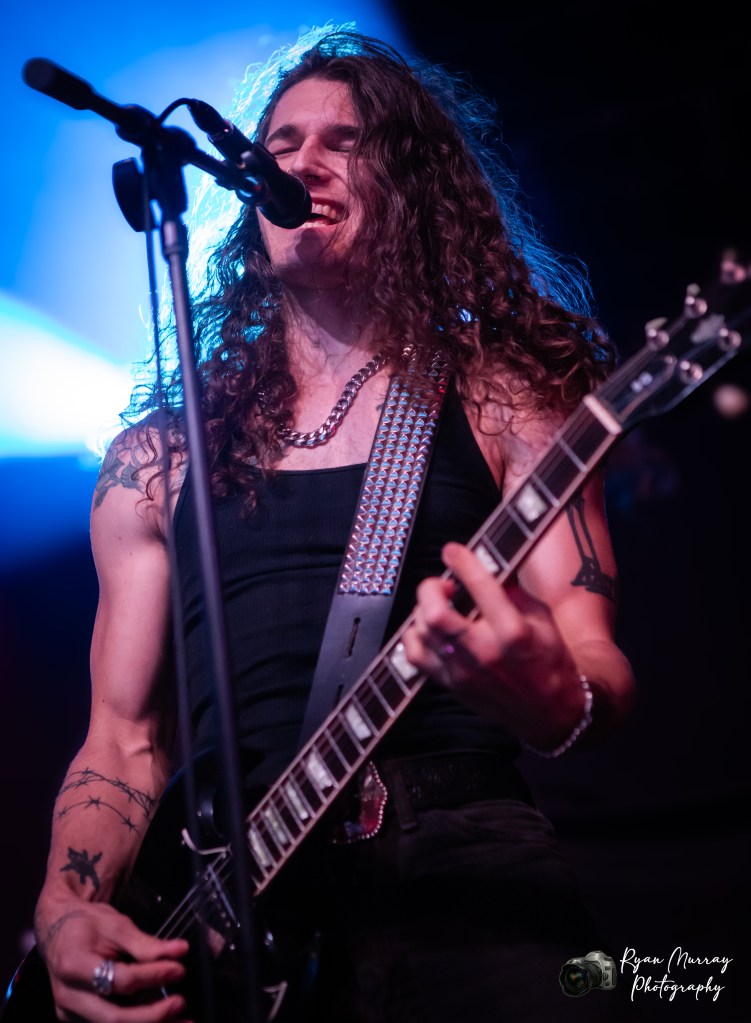
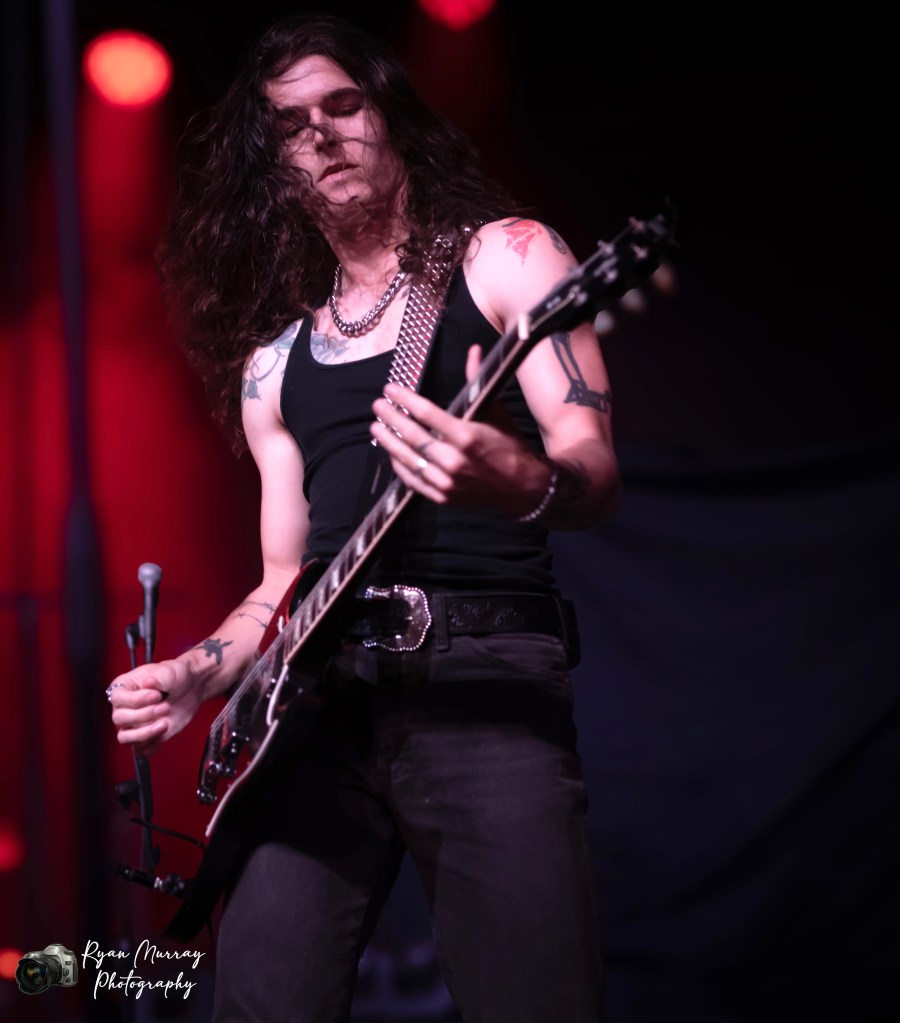
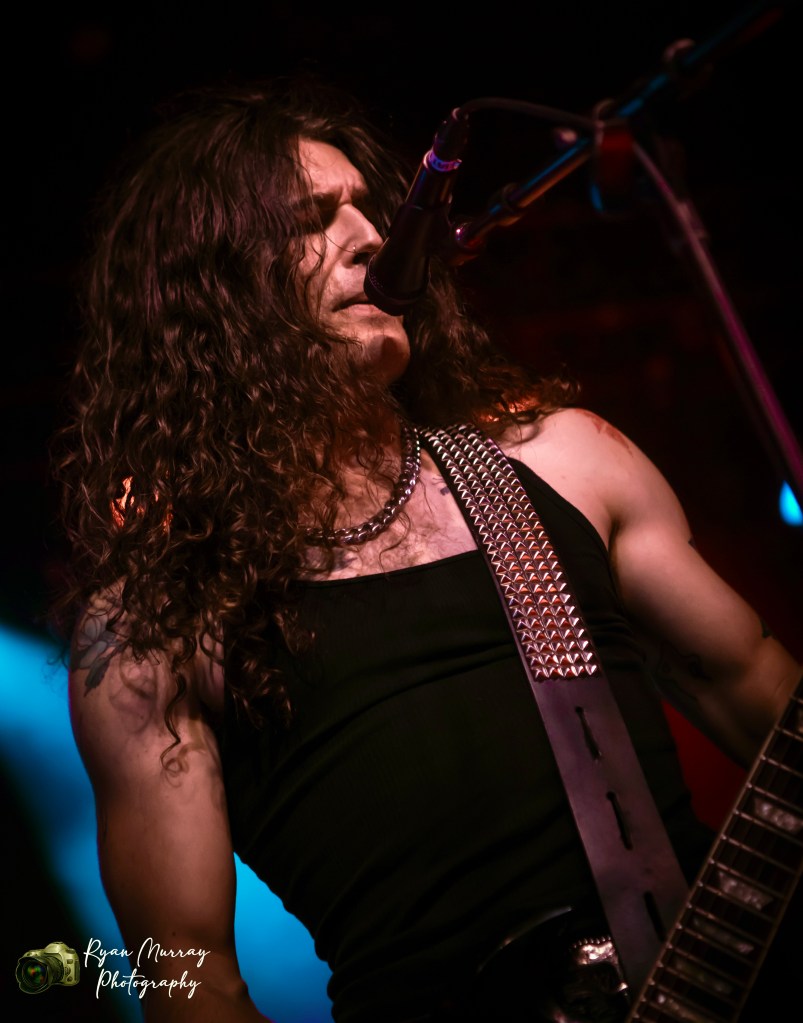
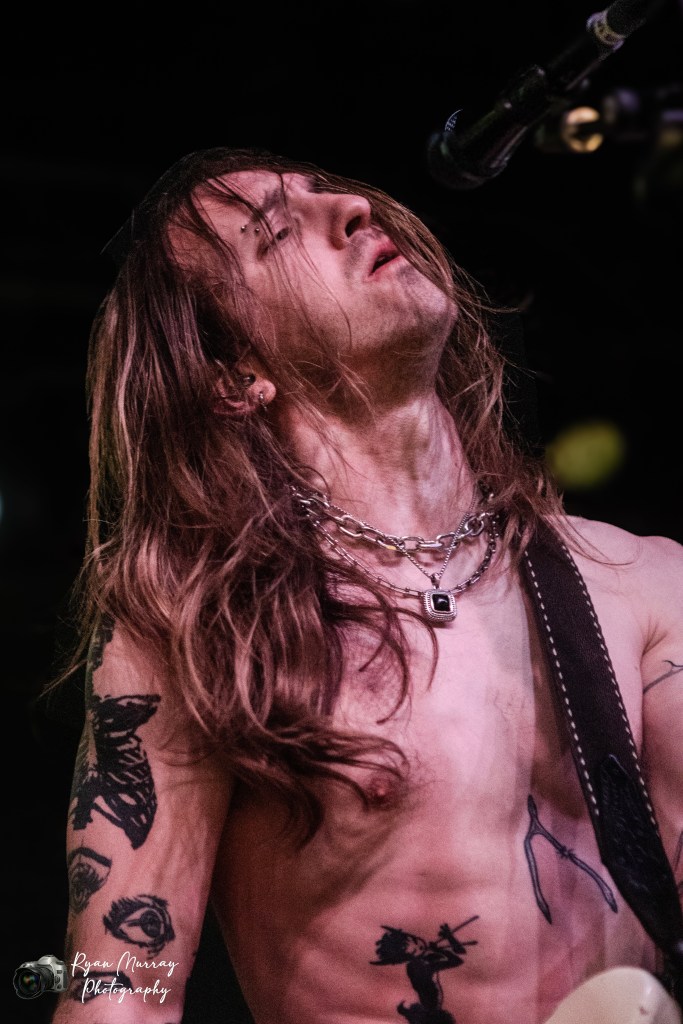
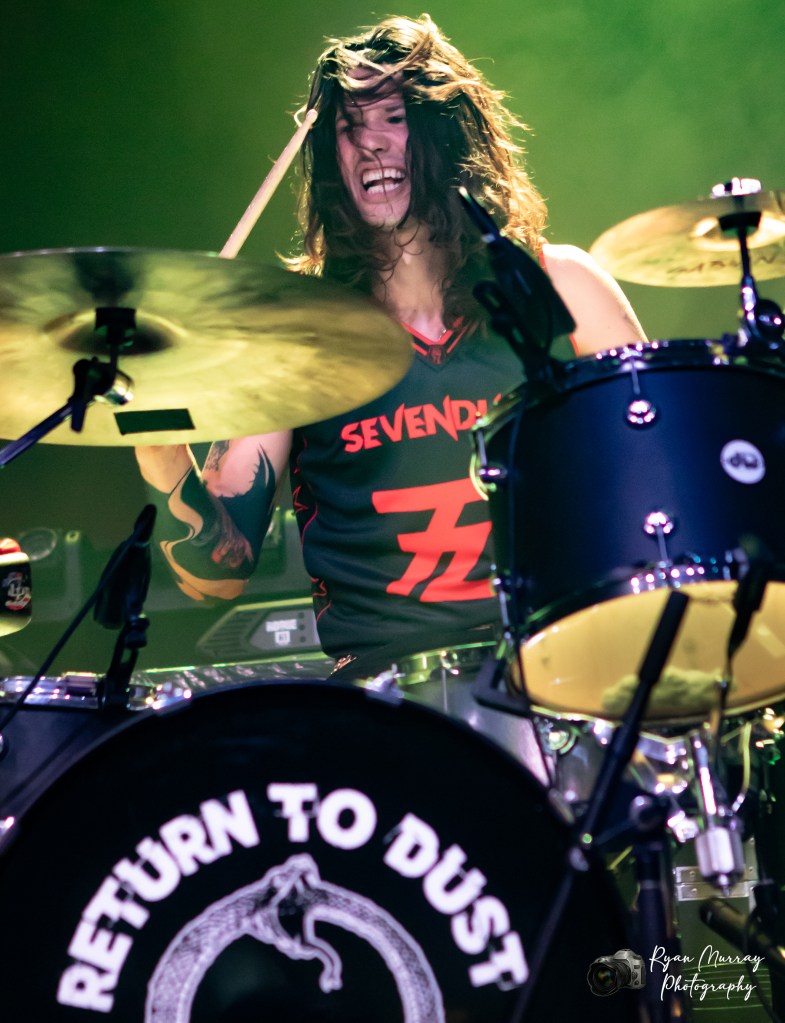
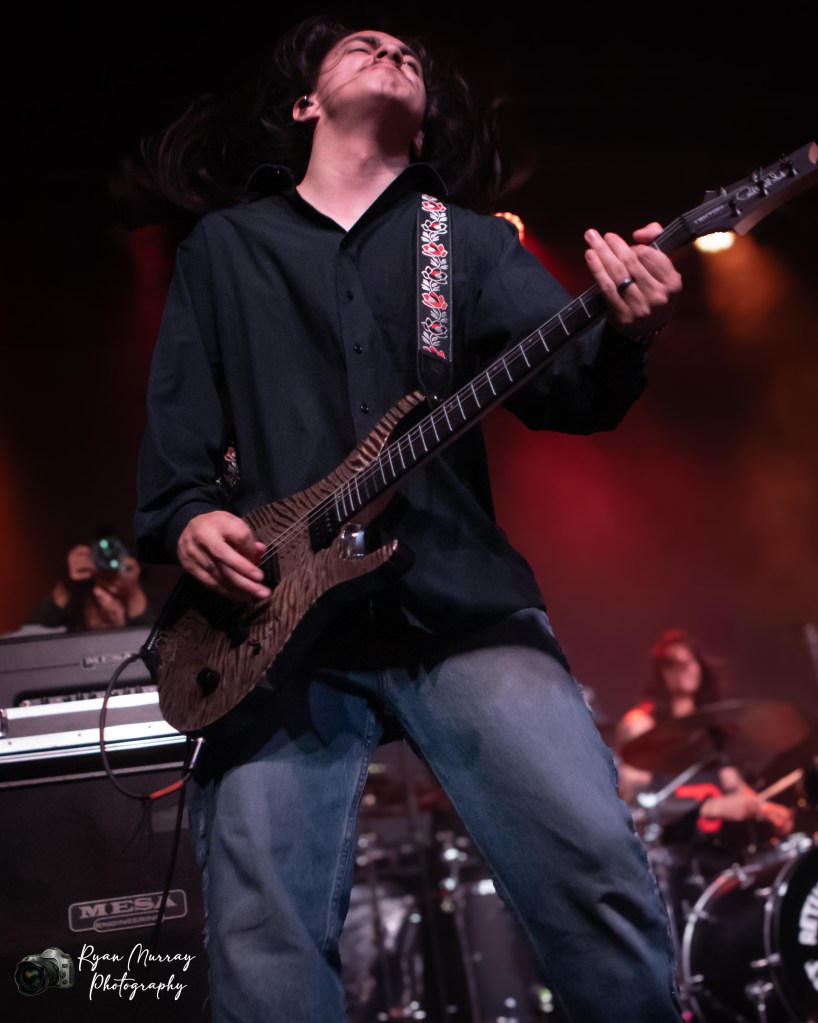
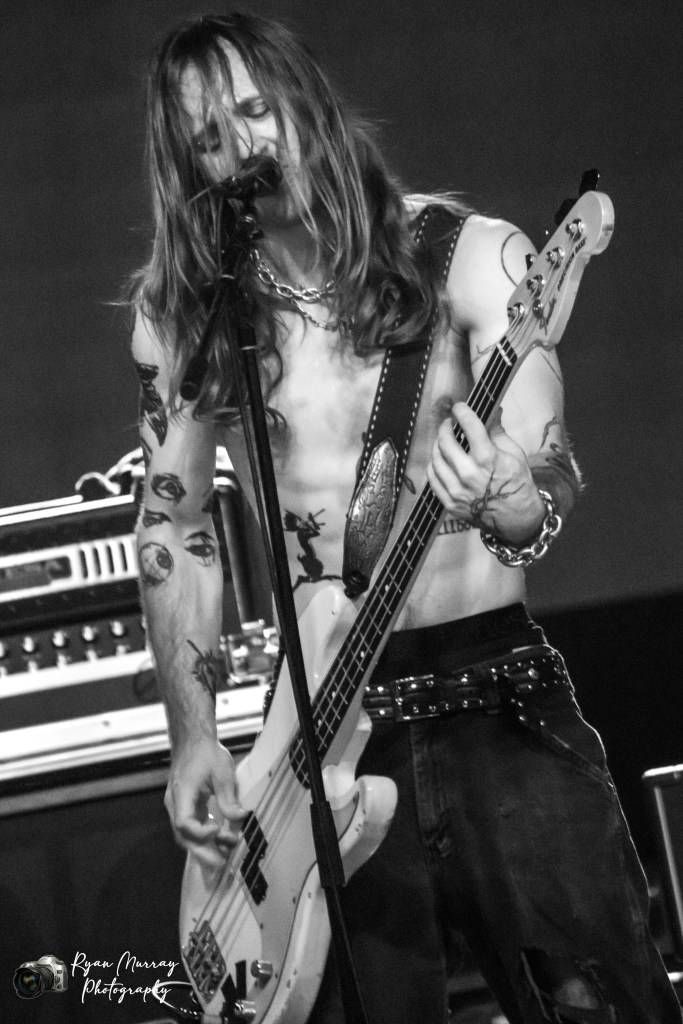
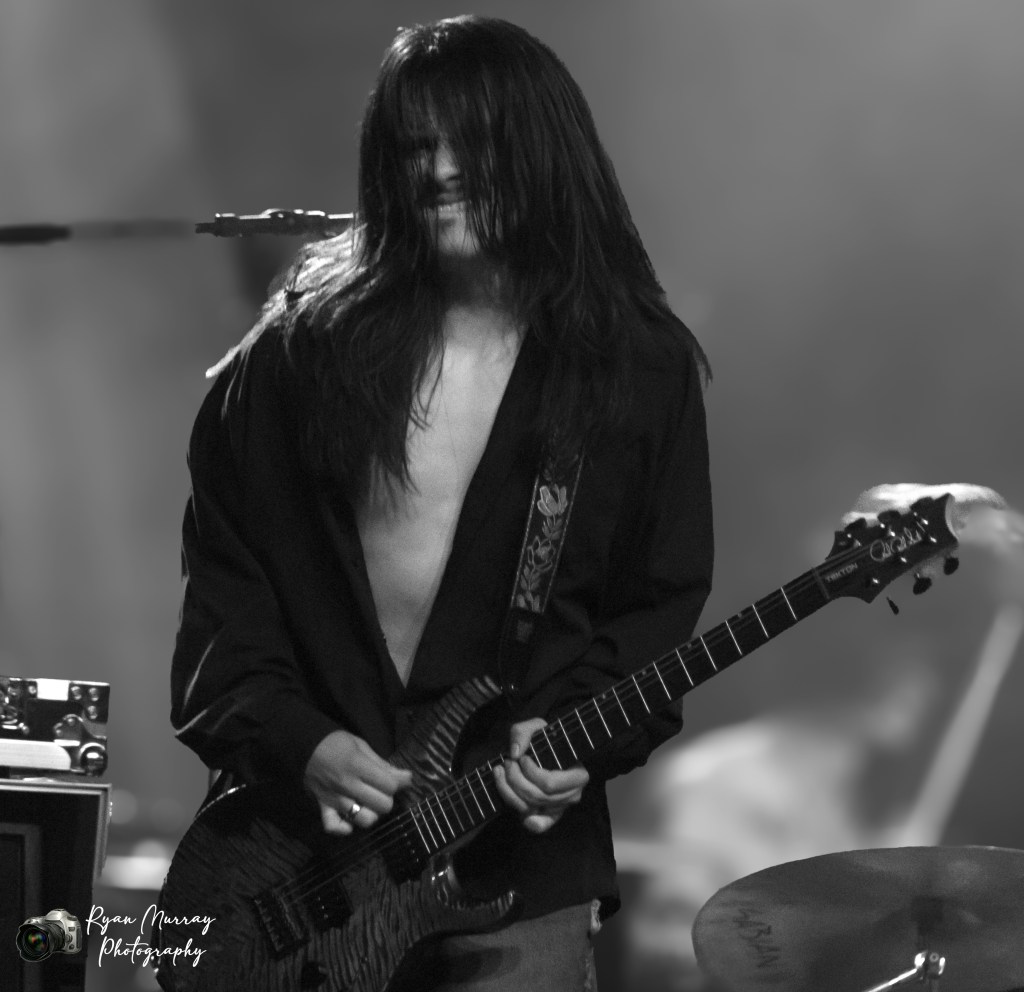
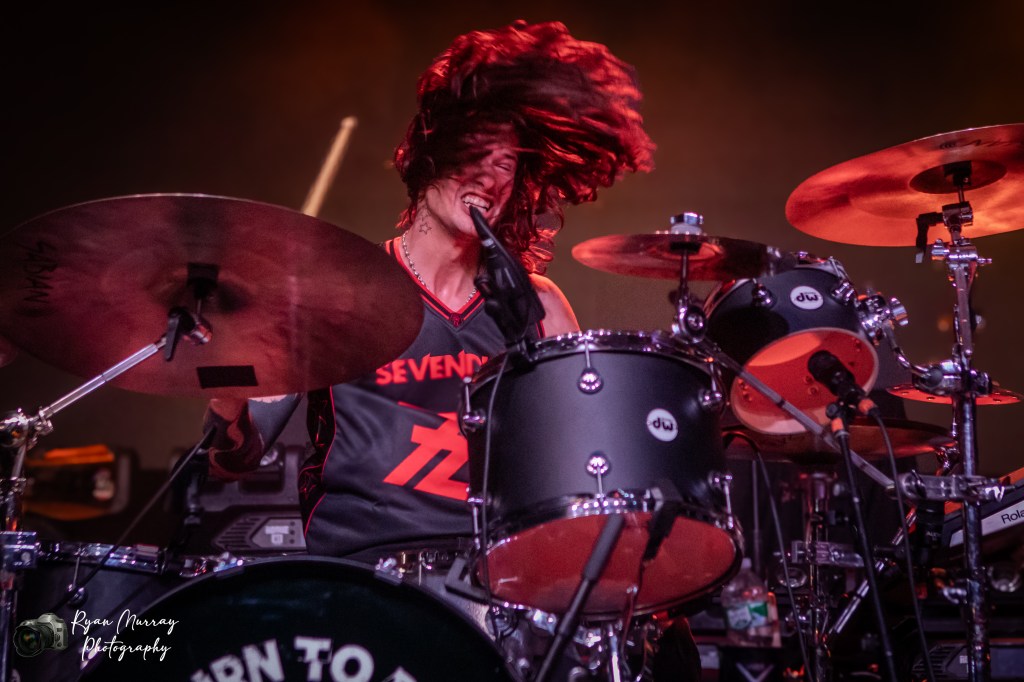
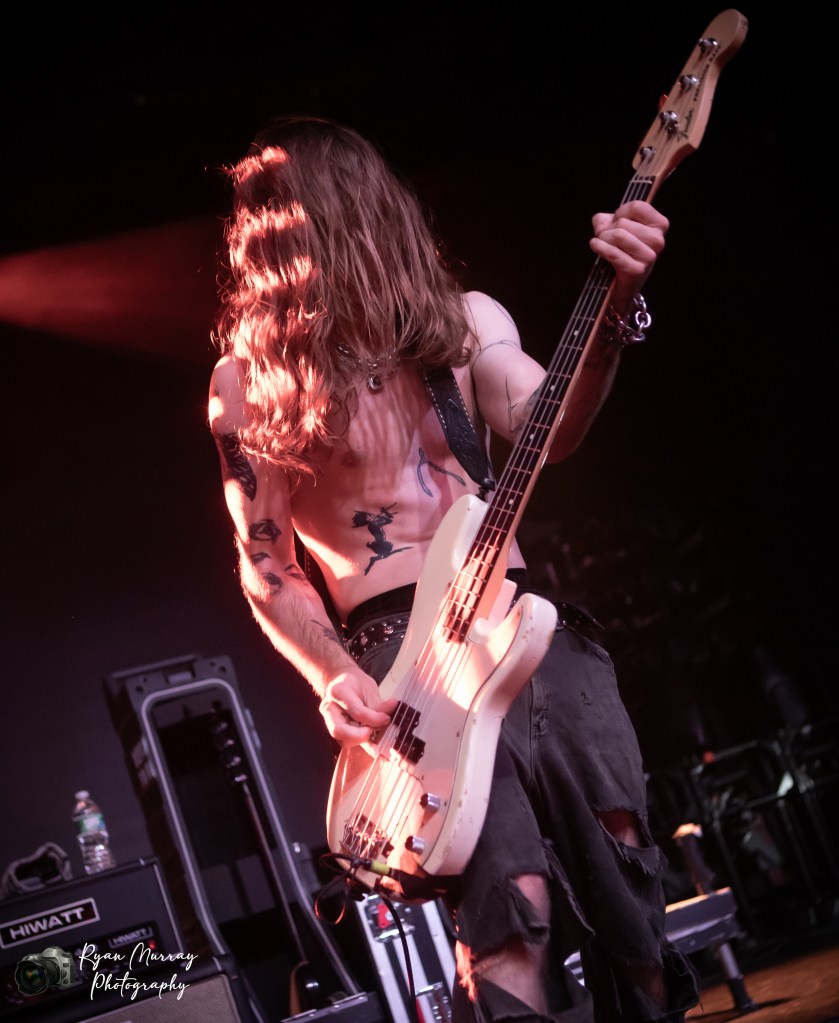
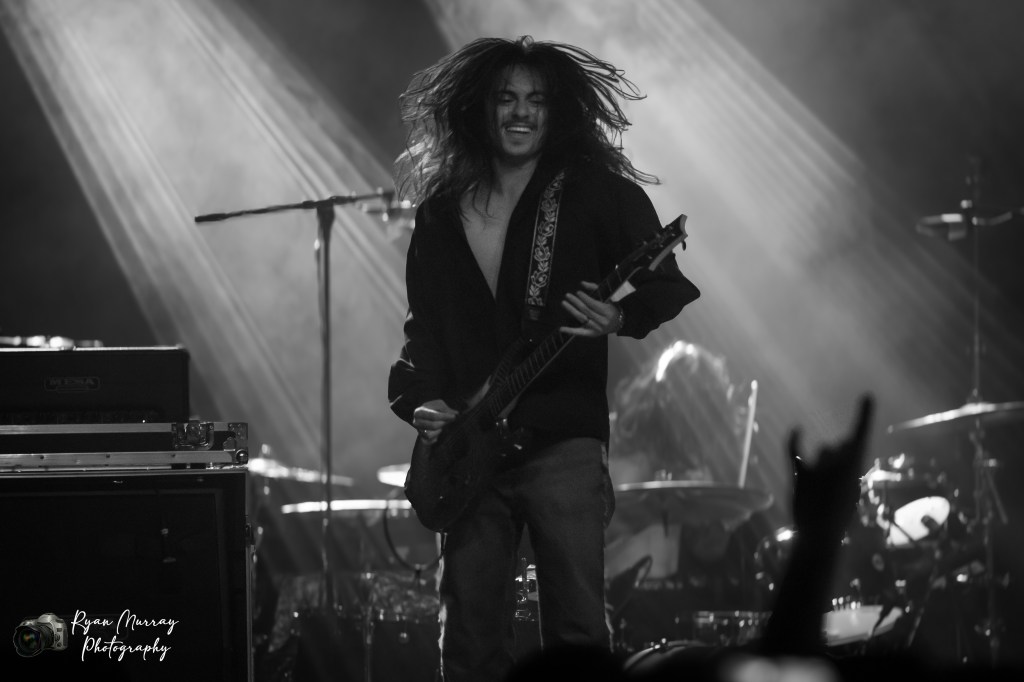
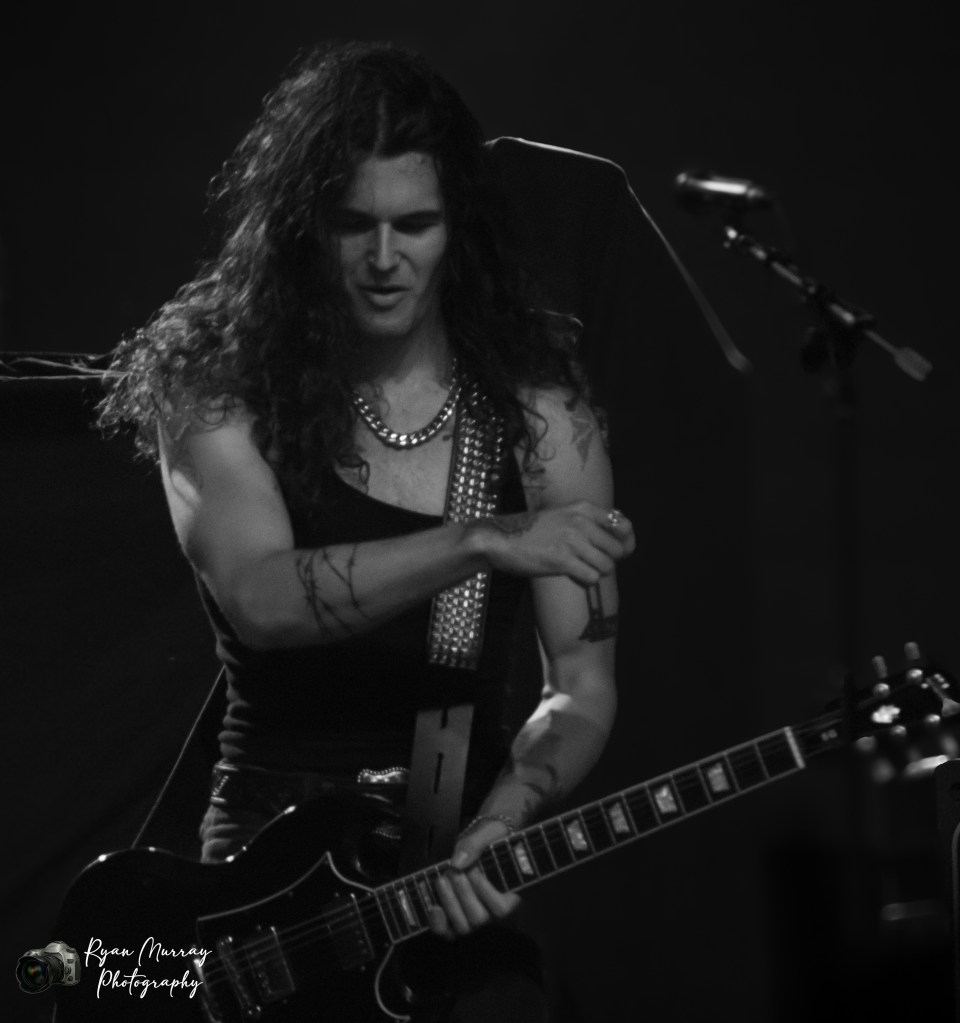
Opening the night, Return to Dust immediately demonstrated why this Los Angeles quartet has been making noise far beyond their hometown. With a sound that channels the grunge we grew up loving while giving it a modern production, weight, and alternative-metal edge, the band occupies a space that feels both familiar and distinctly their own.
There is an unmistakable connection to the darker, dirtier side of ’90s rock in Return to Dust’s sound, but this isn’t simply a nostalgia trip. The band takes those influences and pushes them through a modern lens, resulting in something that feels relevant rather than retrospective. Their music carries the rawness, melody, tension, and heaviness that made grunge so compelling while adding a contemporary punch that translates exceptionally well to a live stage.
Their set included “Black Road,” “Face Down,” “New Religion,” “Sweet Escape,” “Hey Ya!,” “Bored,” and “Belly Up,” giving the crowd a strong introduction to a band that is very clearly building toward something bigger.
“Bored” and “Belly Up” in particular demonstrated just how effectively Return to Dust can balance atmosphere with outright aggression, while “Hey Ya!” gave the set another dimension and showed the band’s willingness to have some fun with the audience.
This was my first time photographing Return to Dust, and they made an immediate impression. They aren’t trying to recreate a bygone era; they’re taking pieces of it, making them their own, and moving them forward.
And that was only the beginning.
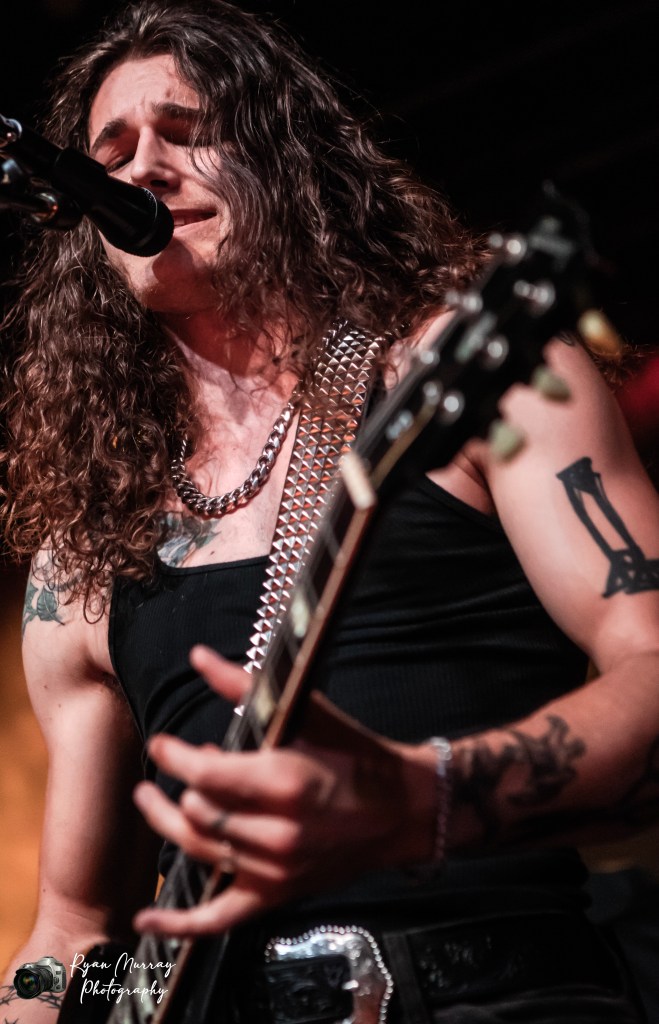
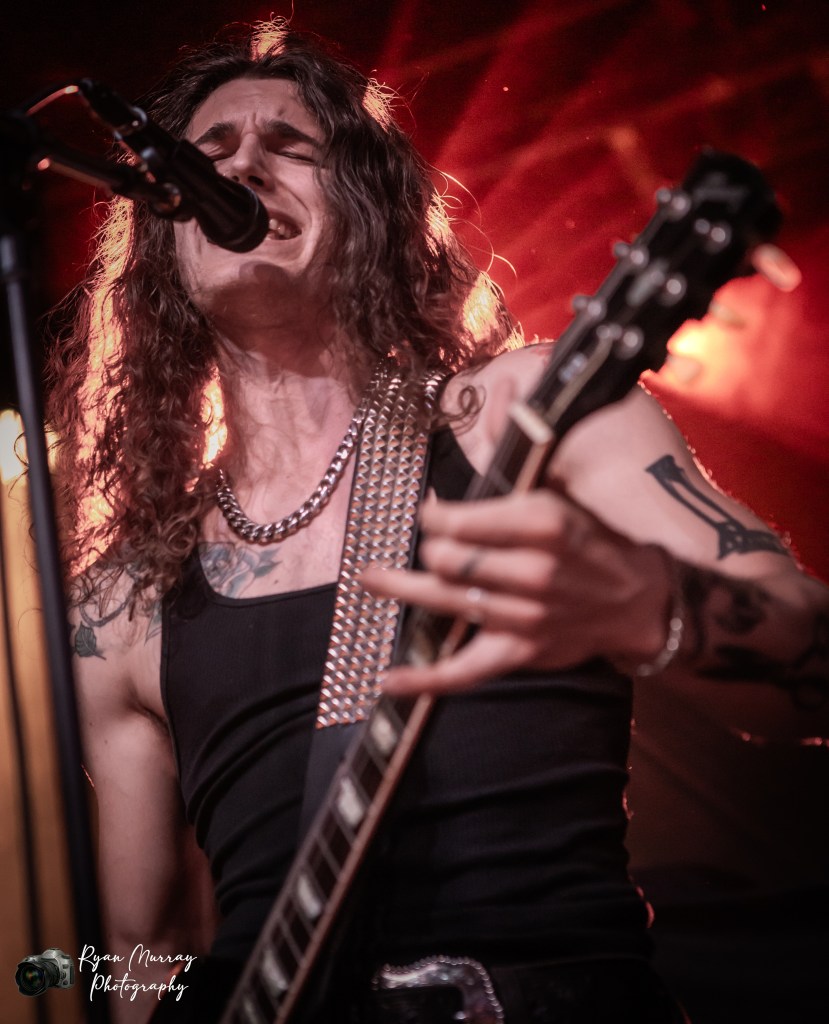
When Sevendust took the stage, the room changed immediately.
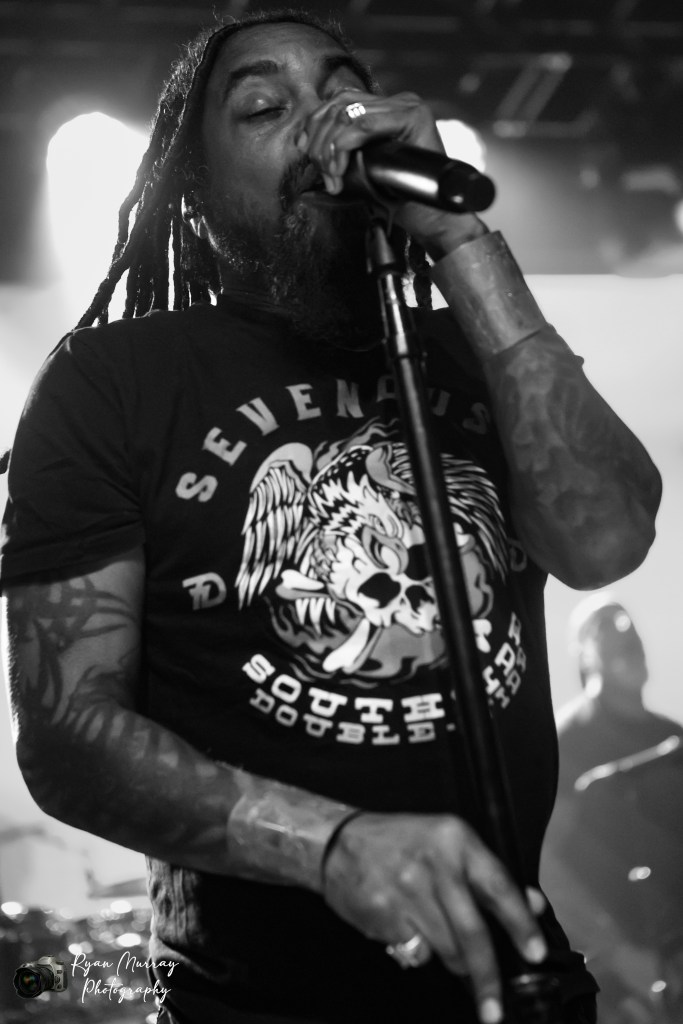
LaJon Witherspoon said it best: this wasn’t a concert. It was a family reunion.
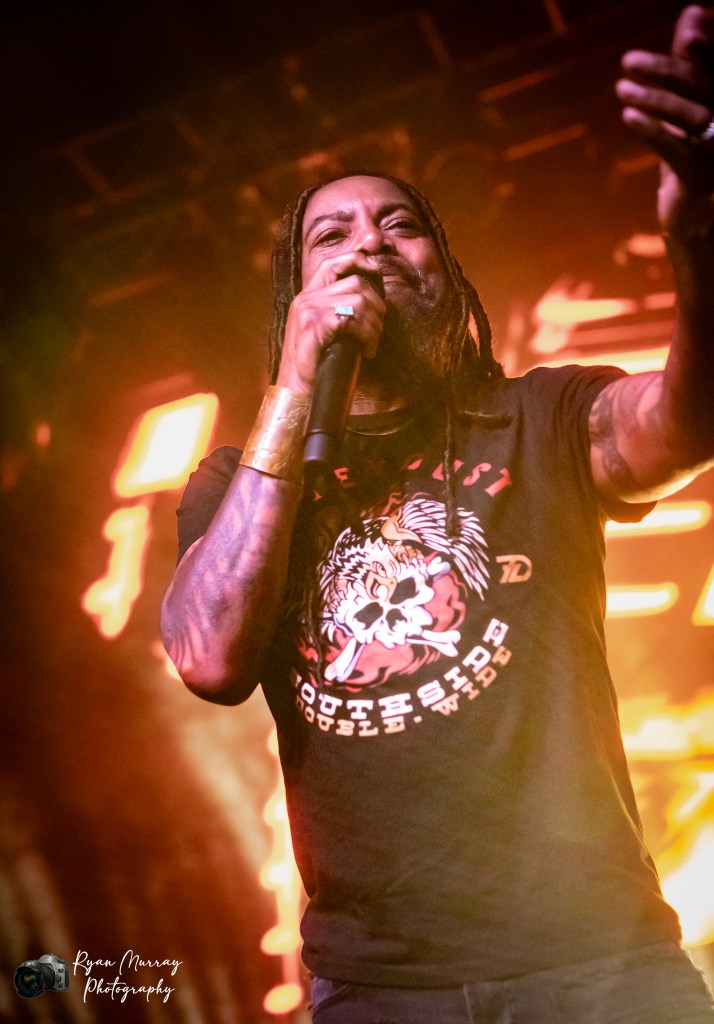
That sentiment could be felt throughout the entire set.
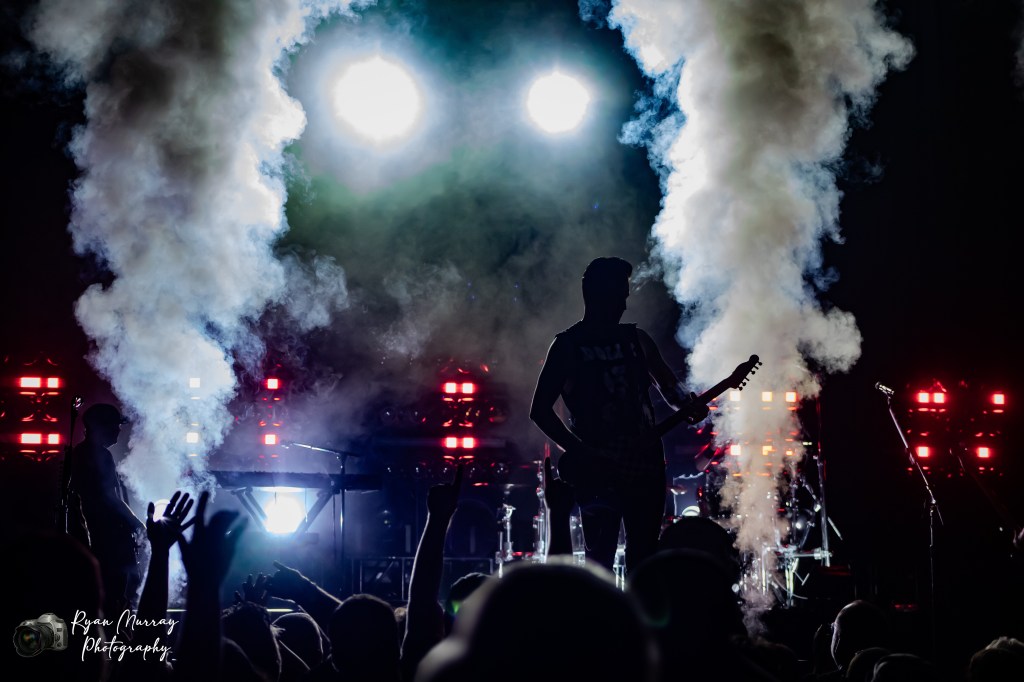
The band may have been playing to a room that wasn’t technically sold out, but the energy inside the MJN Convention Center felt enormous. At times, it seemed less like a convention center and more like a small amphitheater, with every corner of the room feeding into the same collective momentum.
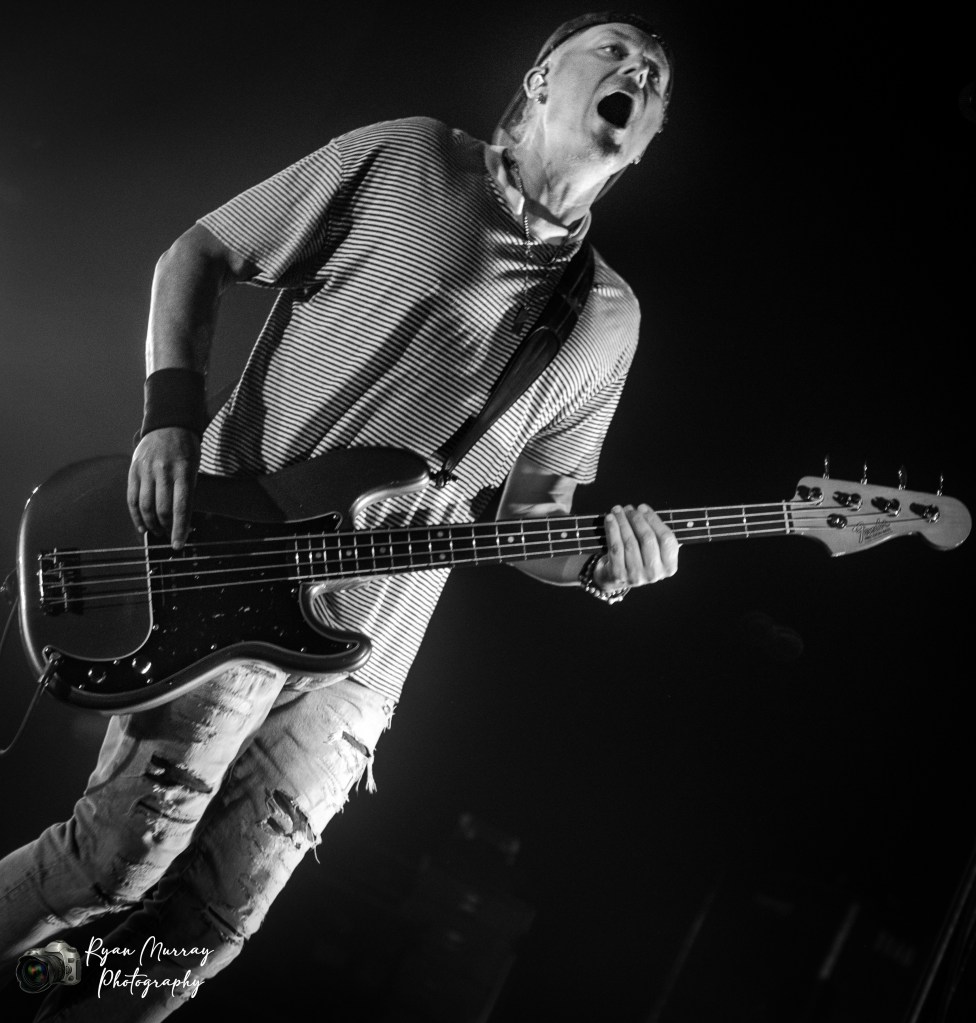
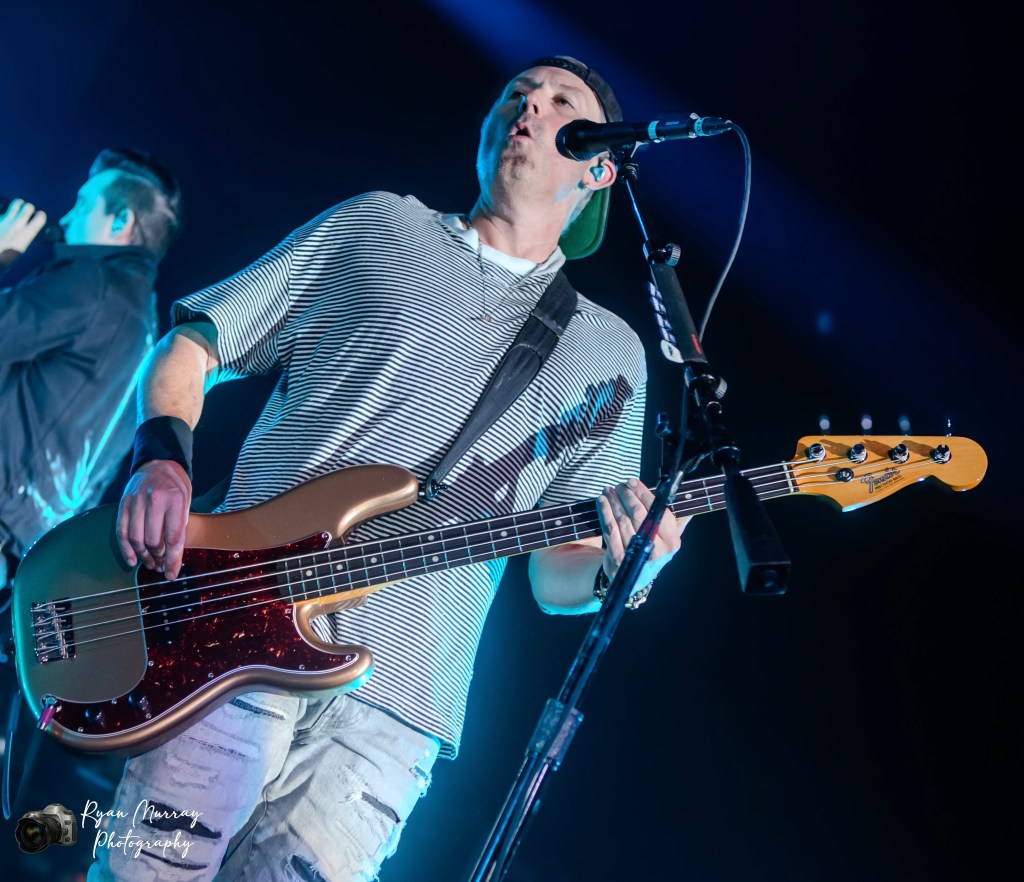
The crowd was deeply committed to every note played and every word sung. Sevendust has always had a particularly strong relationship with its audience, and Poughkeepsie proved that connection remains as powerful as ever. Circle pits erupted throughout the room, with men and women jumping into the mix, and while the band continued to encourage the chaos from the stage, they hardly needed to. The crowd had already decided what kind of night this was going to be.
And it only intensified.
The set moved through “One,” “Denial,” “Is This the Real You,” “Crucified,” “Terminator,” “Praise,” “Enemy,” “Angel’s Son,” and “Black,” before returning for an encore featuring “Rumble Fish” and “Face to Face.”
The setlist itself was a reminder of just how much history Sevendust carries with them.
Songs like “Crucified,” “Praise,” and “Angel’s Son” didn’t feel like dusty relics being pulled out for the sake of nostalgia. They felt alive. They felt like songs that had grown alongside the people singing them, carrying memories, experiences, friendships, loss, celebration, and everything else that accumulates around music that has been part of someone’s life for decades.
That is the difference between nostalgia and legacy.
These songs weren’t taking the crowd backward. They were reminding everyone in the room that the music had never really left.
And when those songs hit, the response was deafening.
Massive, anthemic singalongs rolled across the room, with LaJon and the rest of Sevendust frequently allowing the audience to take over. And somewhere in the middle of it all, I found myself screaming the lyrics along right beside them. It was impossible not to. These were songs being sung not just to the crowd, but with the crowd.
There was a beautiful lack of separation between band and audience; the stage wasn’t a barrier so much as a focal point for one enormous room of people singing the same songs together.
“Angel’s Son” carried an especially emotional weight, while “Praise” and “Black” brought the room right back into full-throttle territory. By the time Sevendust reached the encore, there was little doubt that Poughkeepsie had fully embraced the family reunion.
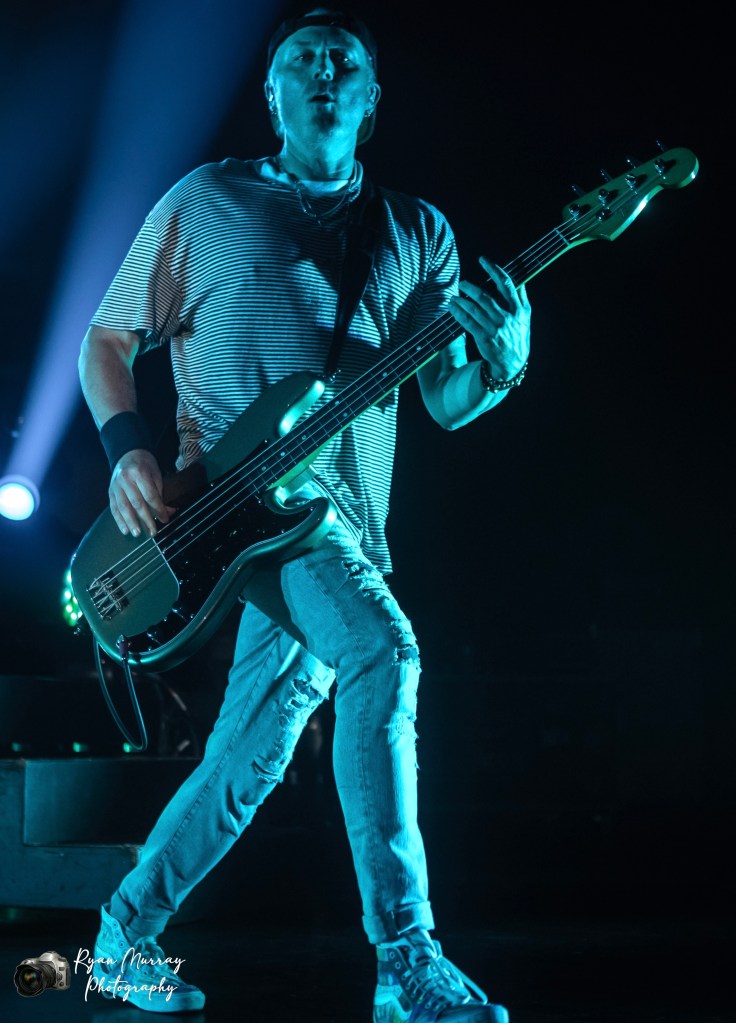
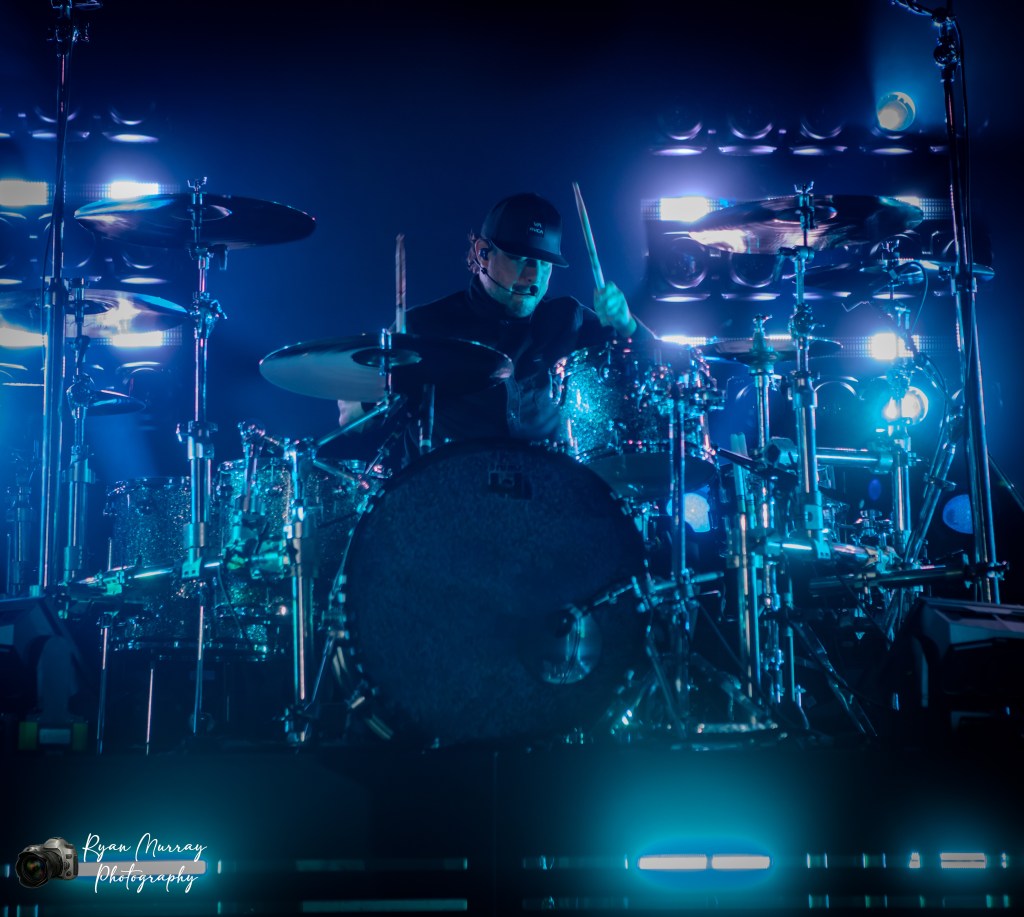
This was my second time photographing Sevendust, and the connection between this band and its audience remains something special to capture. Their live energy doesn’t simply stay onstage—it comes directly into the pit…and everyone there leaves the better for it.
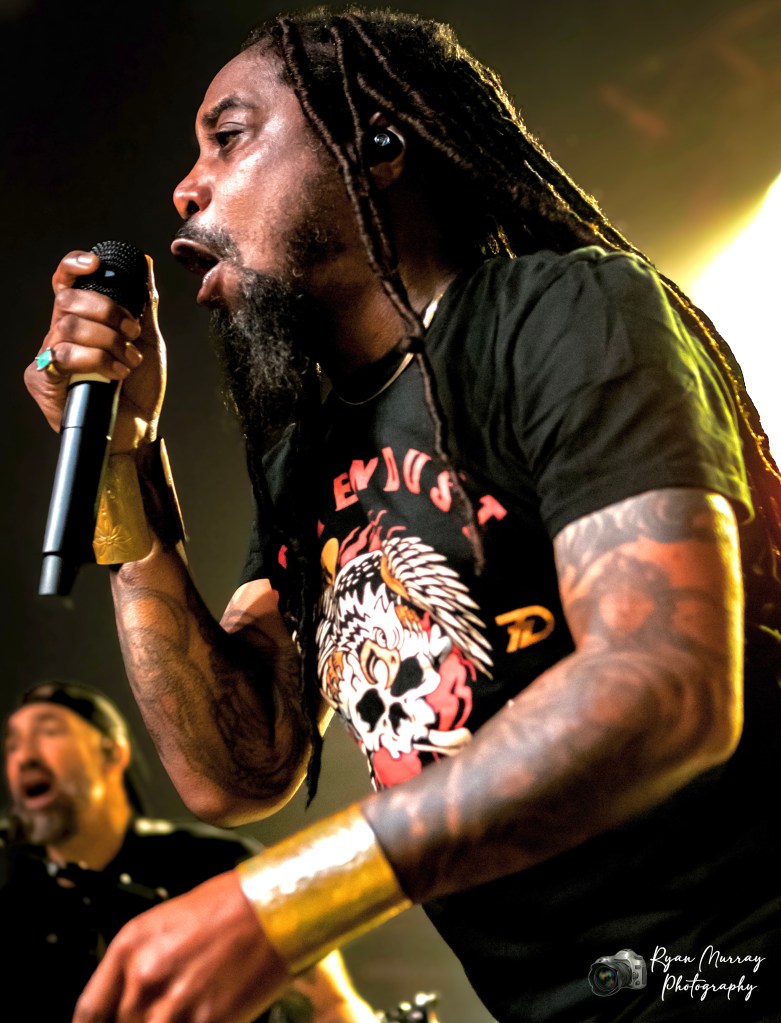
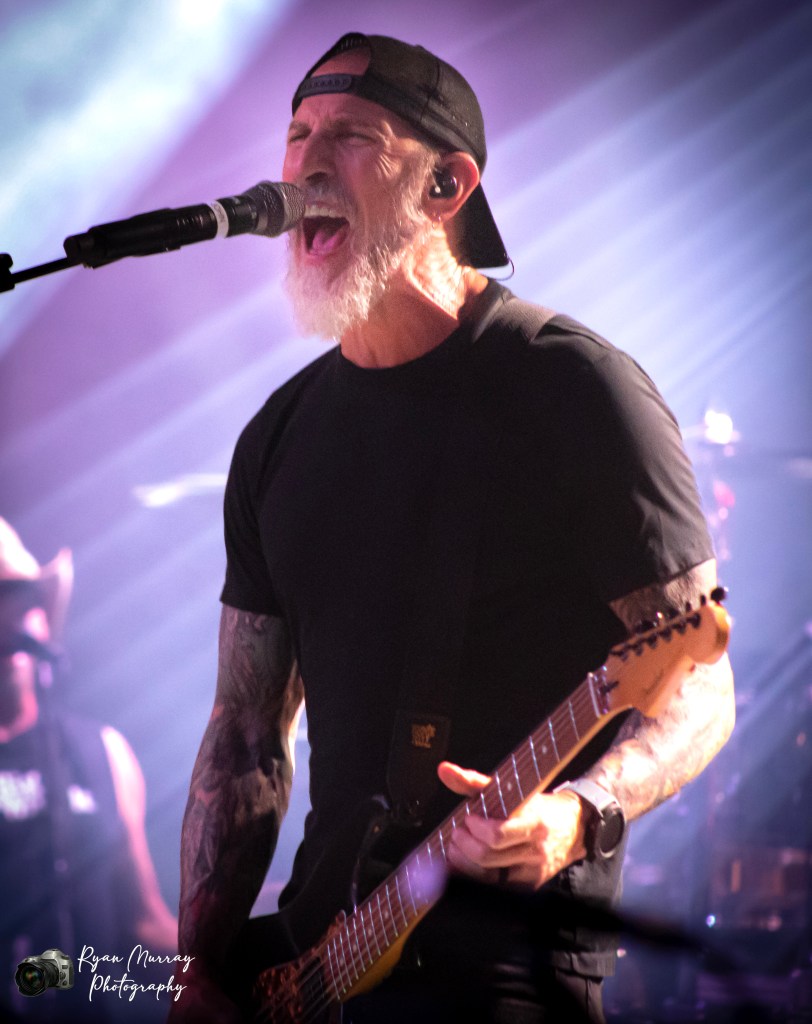
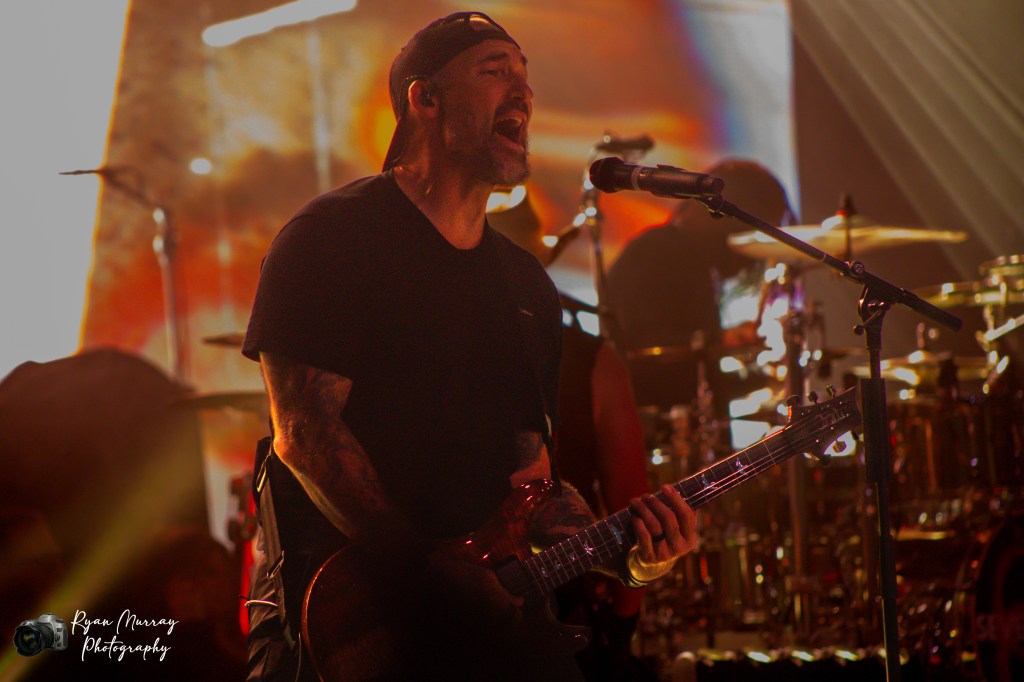
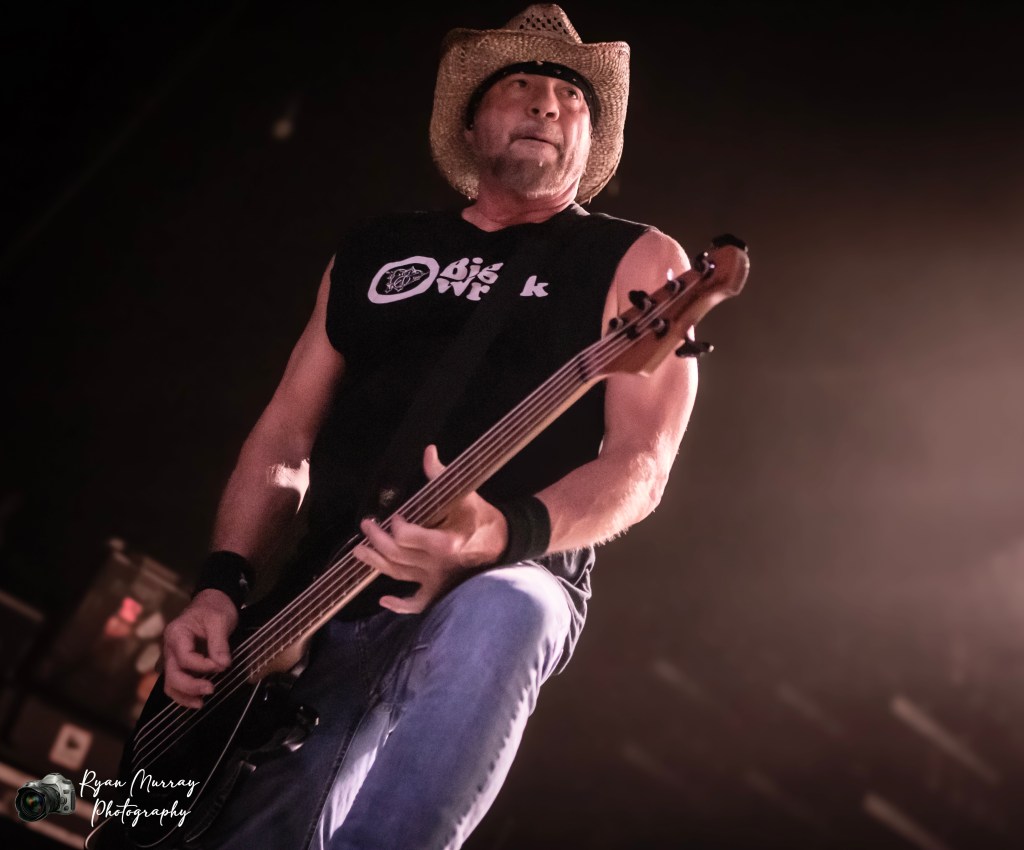
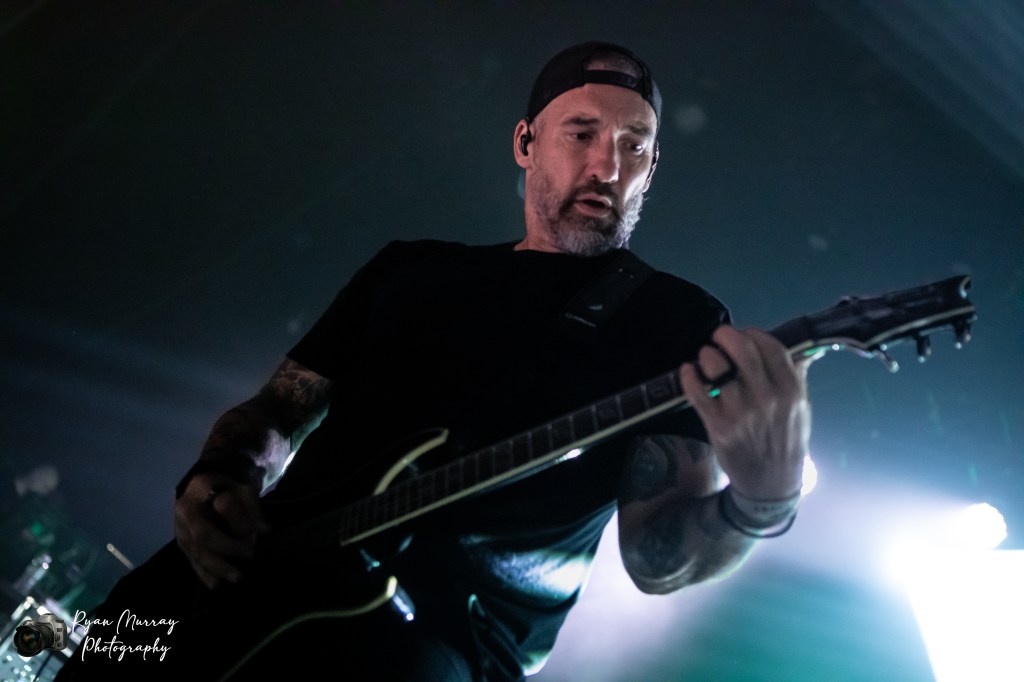
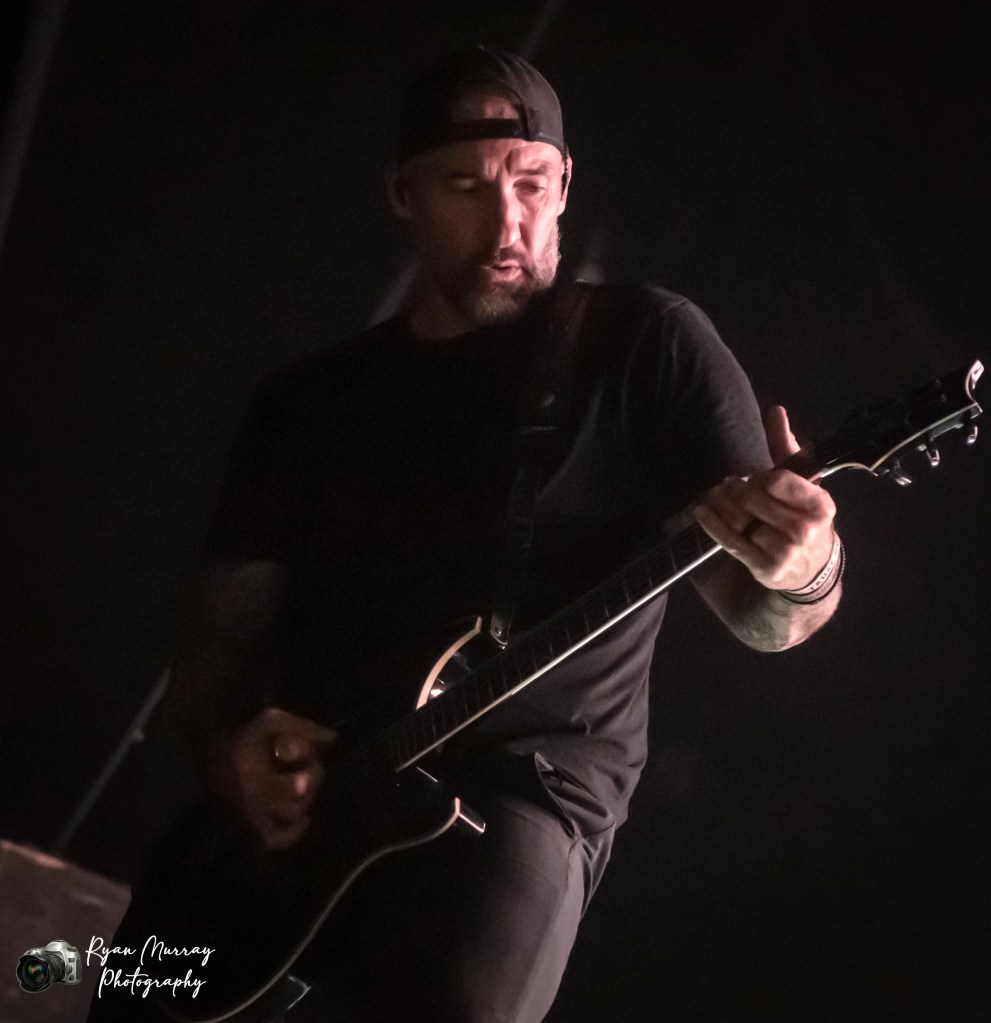
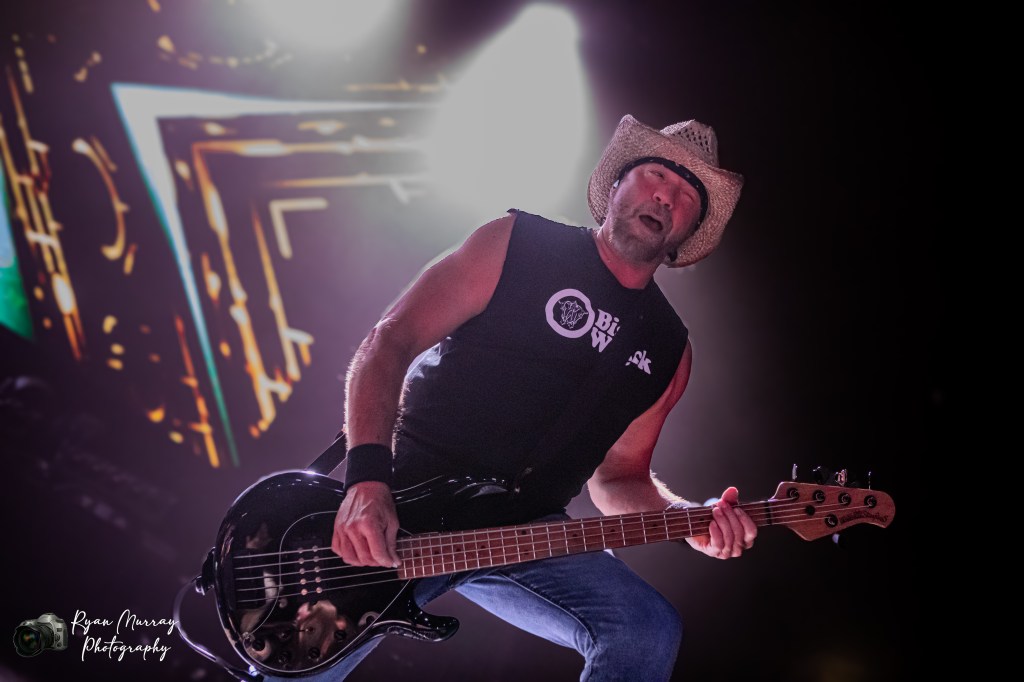
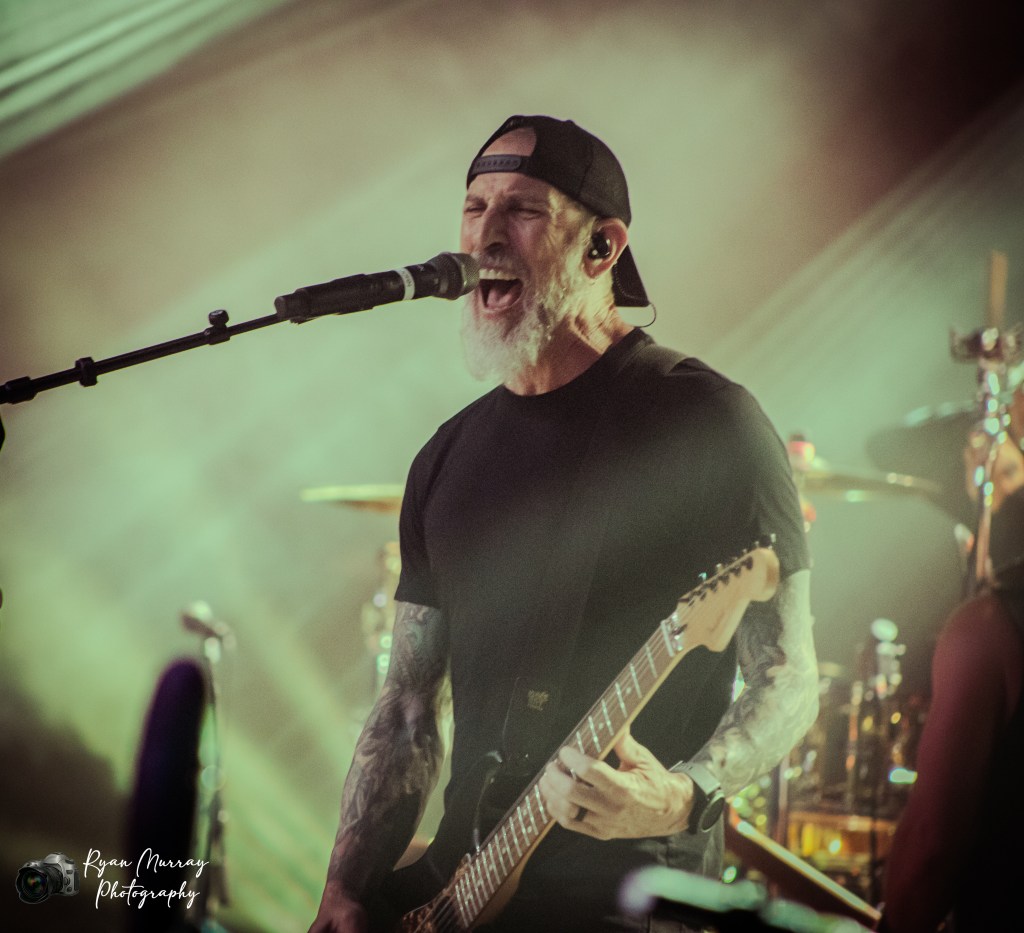
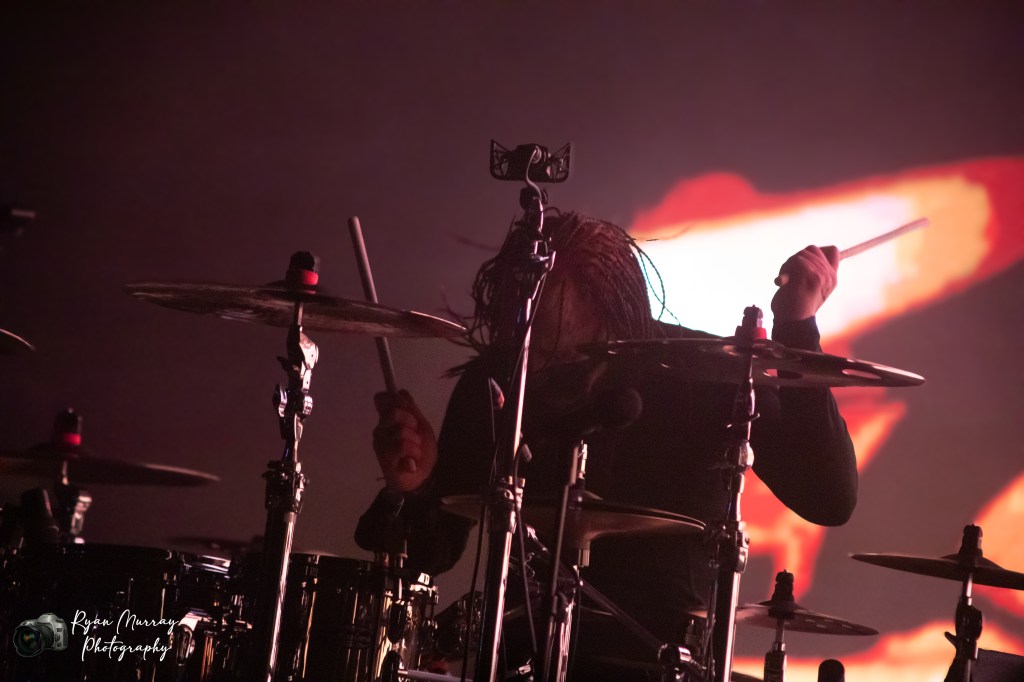
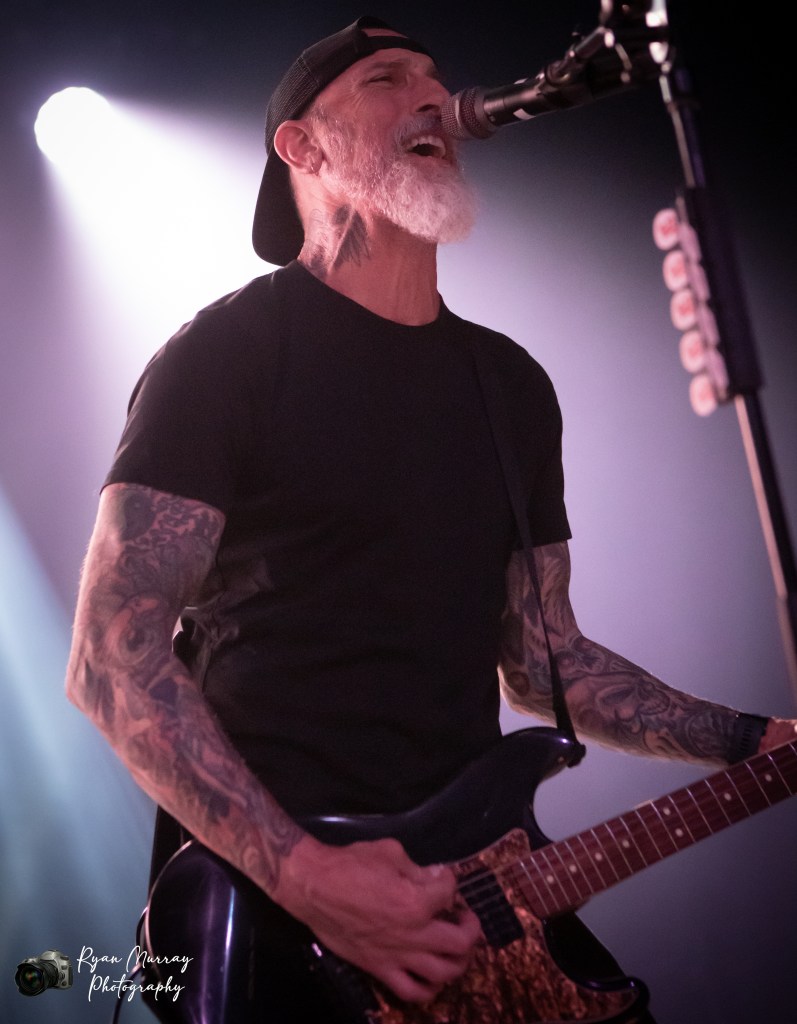
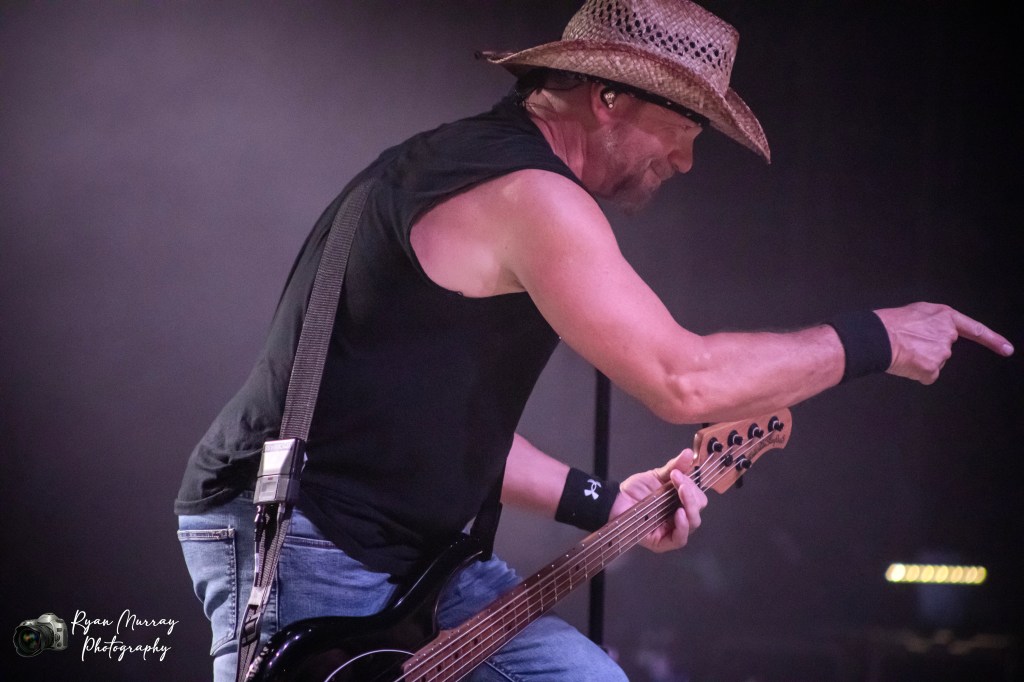
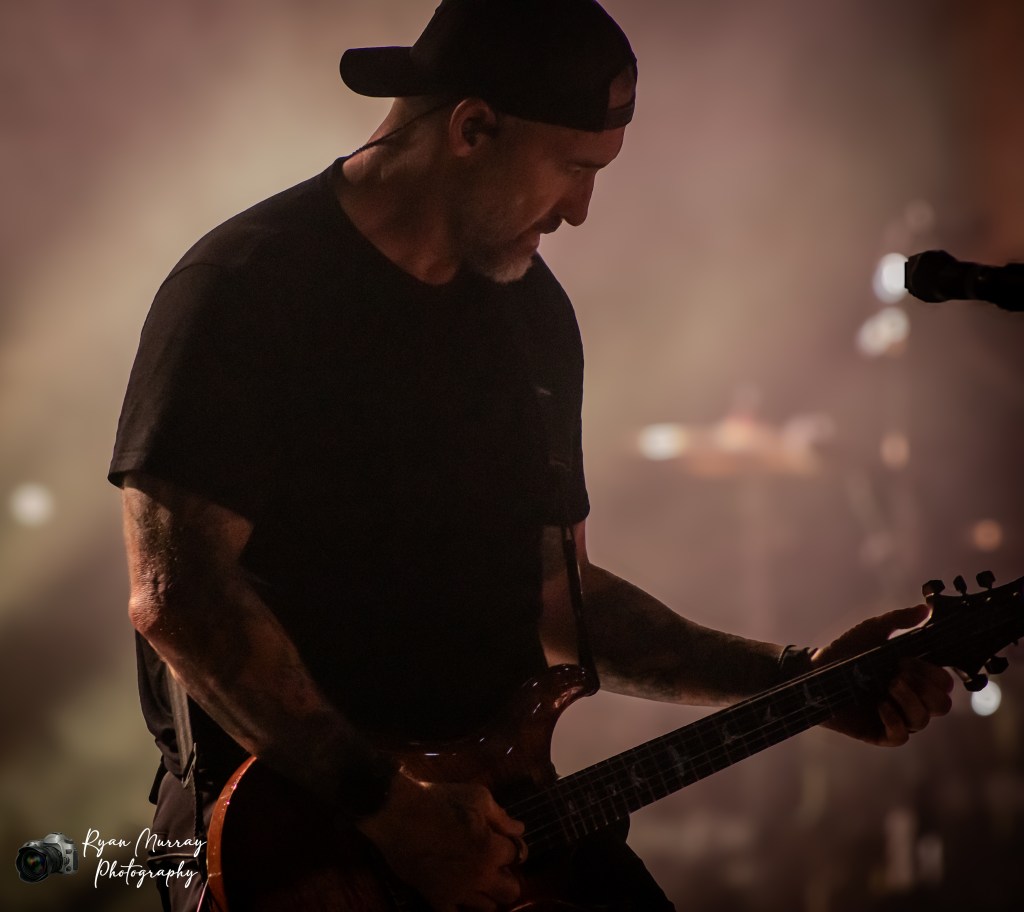
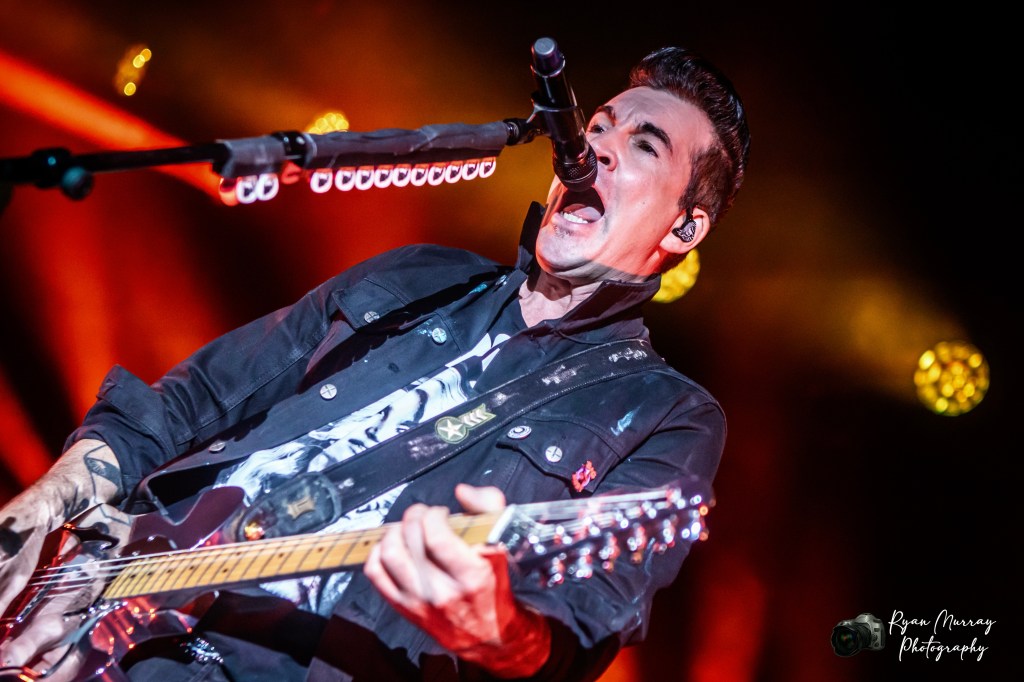
If Sevendust transformed the room into a family reunion, Theory of a Deadman turned it into one massive of a rock ’n’ roll party.
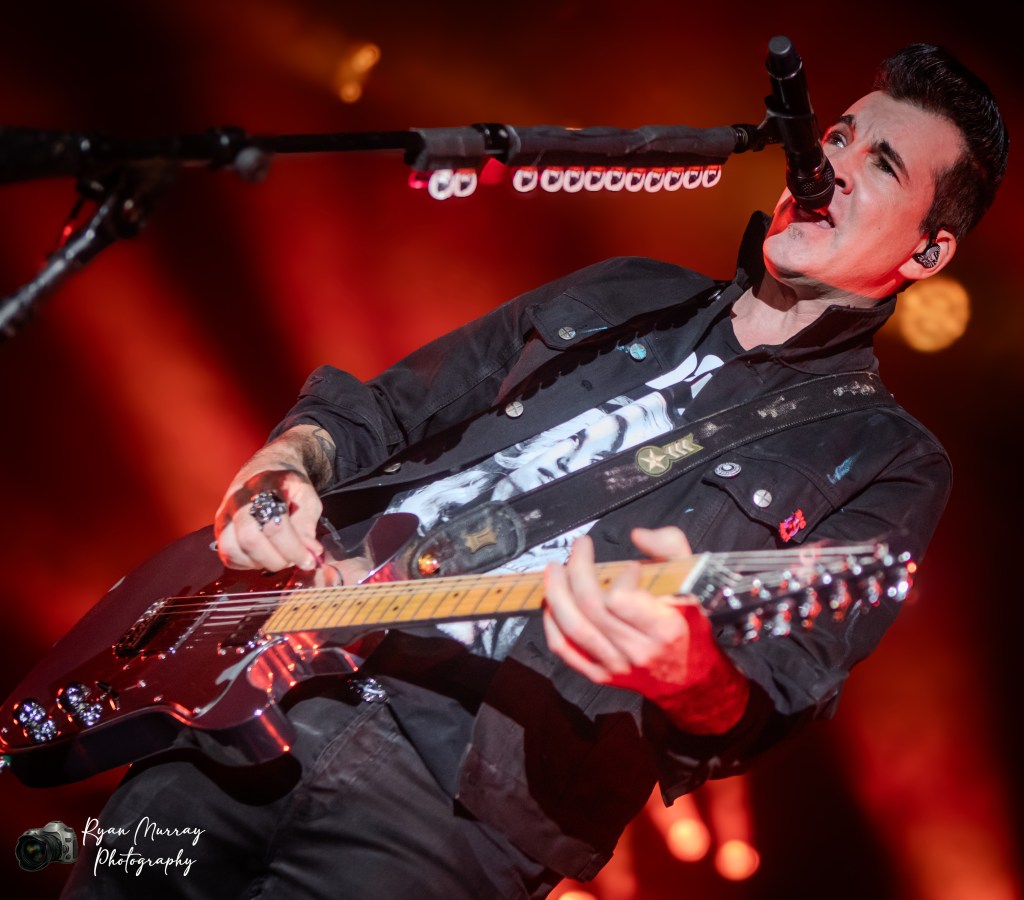
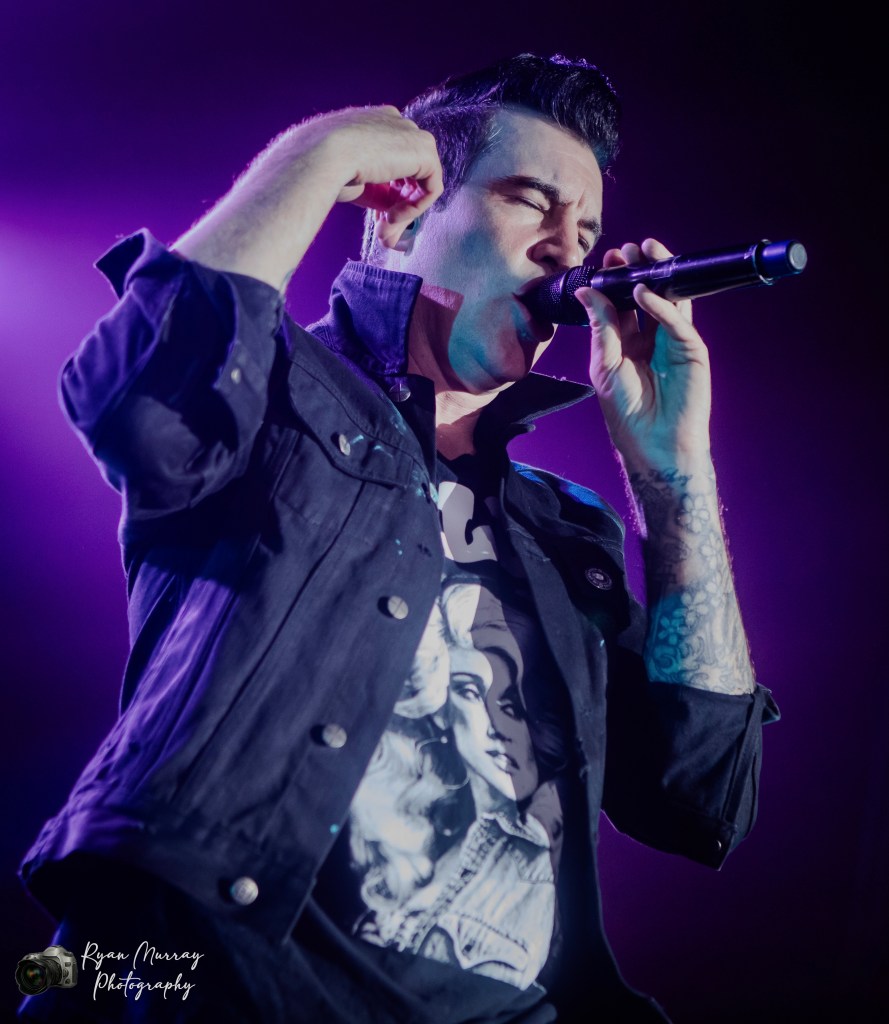
As the lights faded and the cheers began reverberating off the walls, the crowd launched into a massive singalong of “Sweet Caroline” before Tyler Connolly and the band even got fully underway. It was the perfect setup for a band that has always understood the value of making a concert feel like a shared experience rather than simply performing songs one after another.
Theory of a Deadman opened their set with “Barricade,” followed by “Ambulance,” “Blow,” “Winnebago,” “Santa Monica,” “Not Meant to Be,” “Hate My Life,” “Rx (Medicate),” and “Bad Girlfriend.” among other hits!
The banter between Connolly and the rest of the band has become part of the experience, and watching them playfully tease songs they have absolutely no intention of actually finishing is a highlight in itself. They know exactly how to work a crowd, when to push it, when to pull it back, and when to let the audience take over.
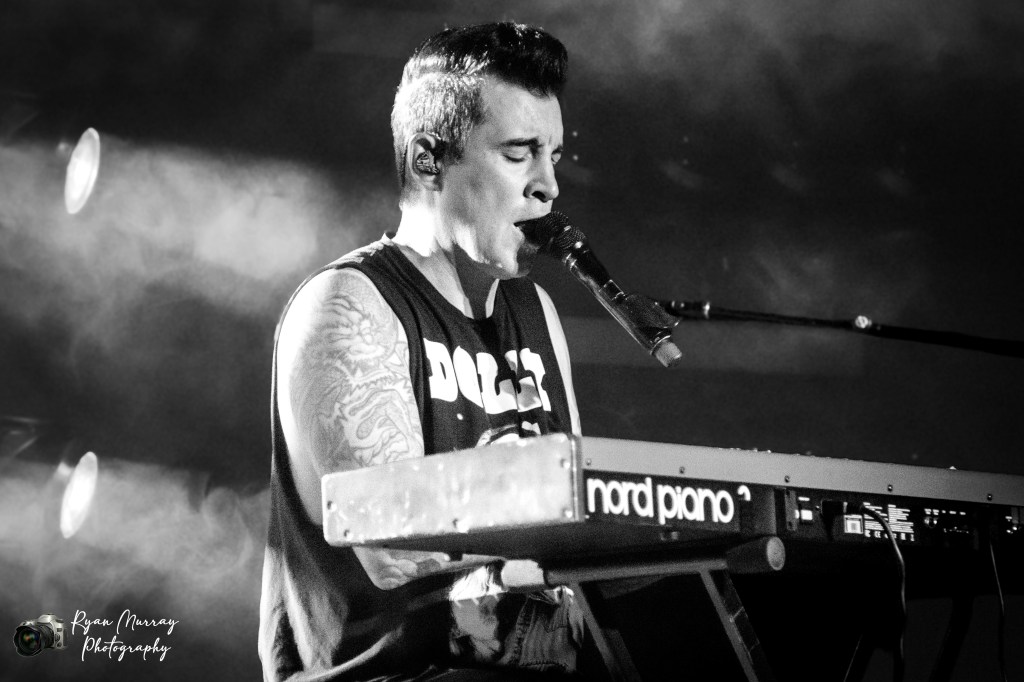
“Wicked Game,” with Connolly moving to the keys, provided a particularly different moment in the set, while “Santa Monica” delivered one of those massive melodic moments that had the room singing along.
Then came “Lowlife,” “Hate My Life,” “Rx (Medicate),” and finally “Bad Girlfriend,” closing out the night with exactly the kind of irreverent, unapologetic rock energy Theory of a Deadman has built its reputation on.
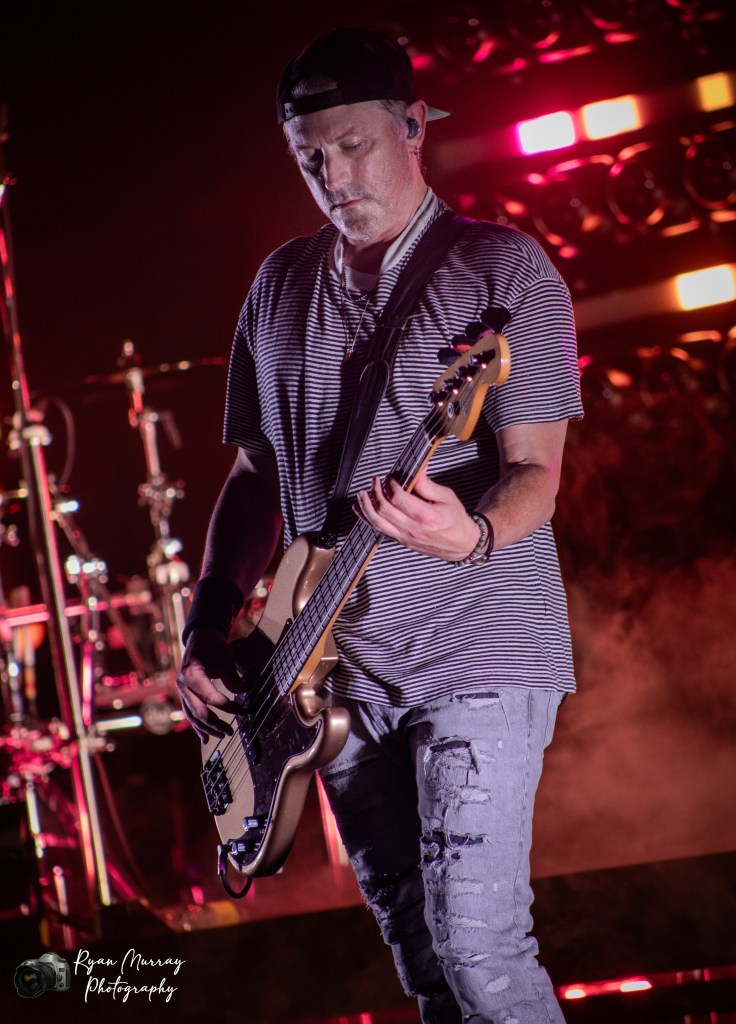
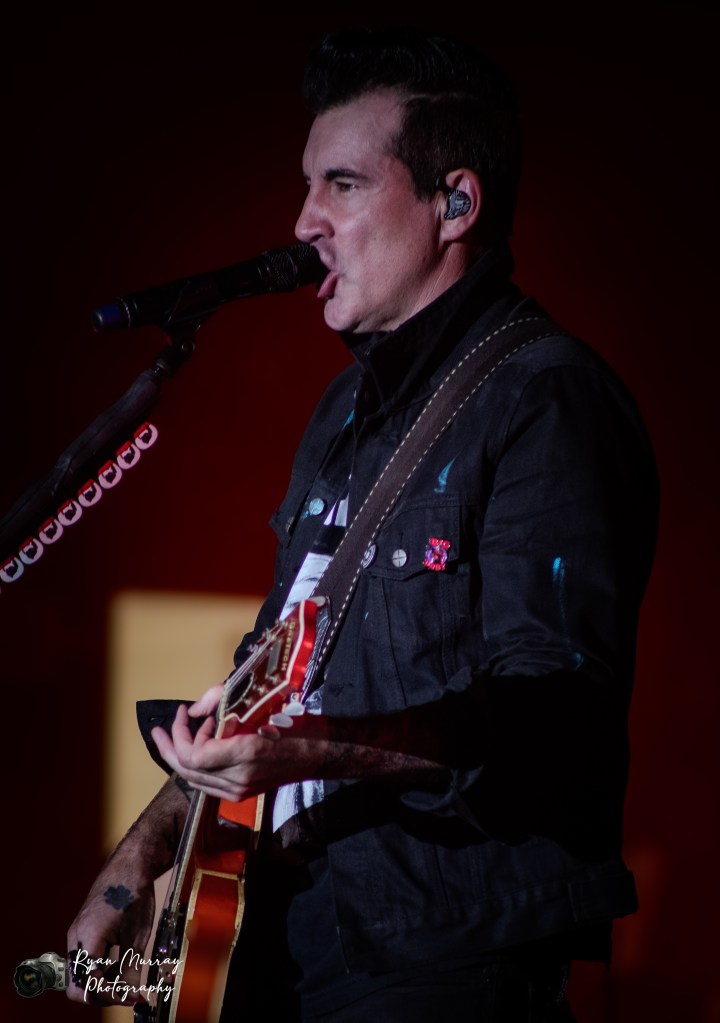
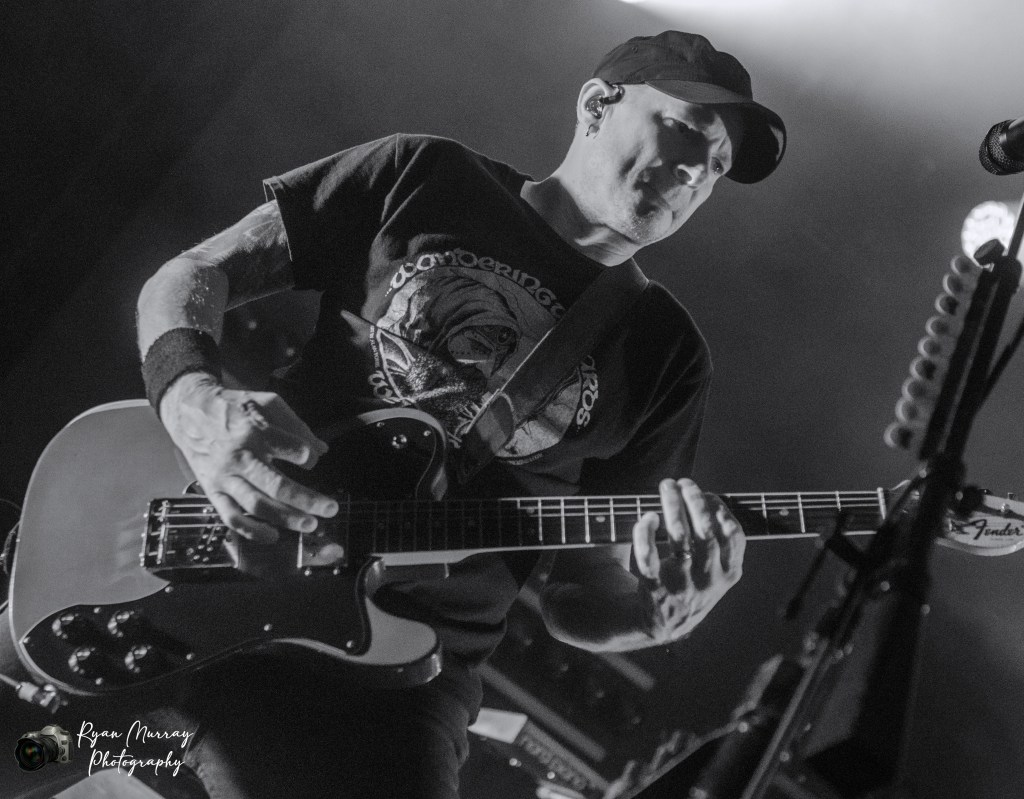
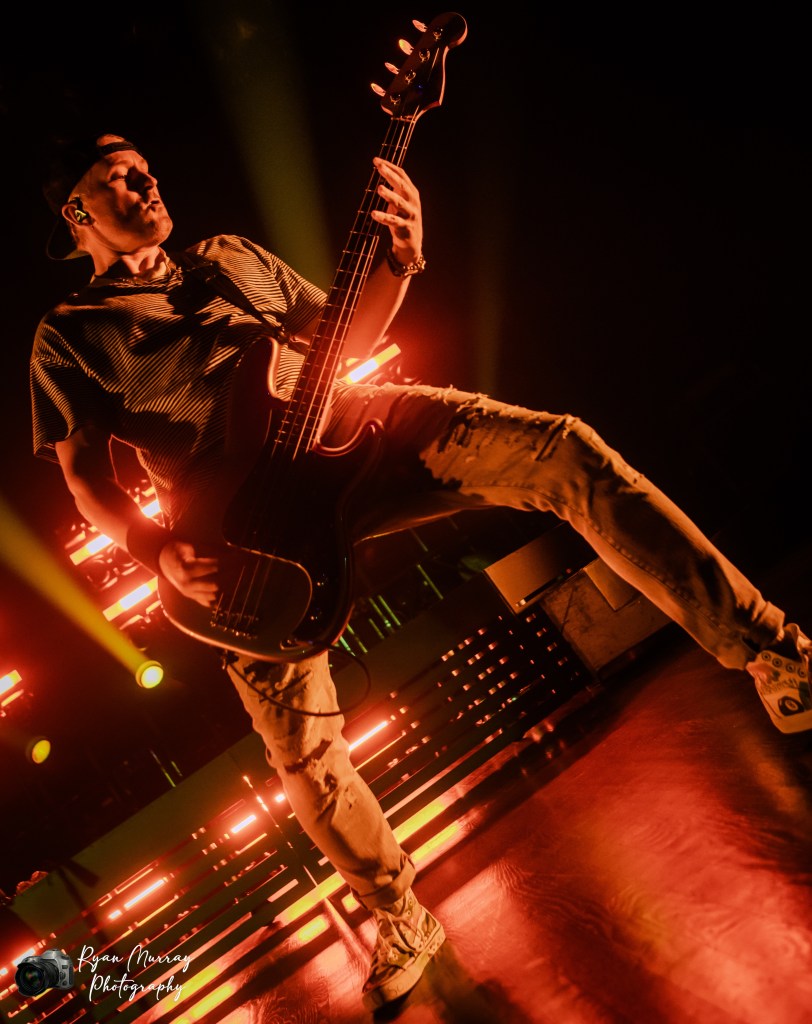
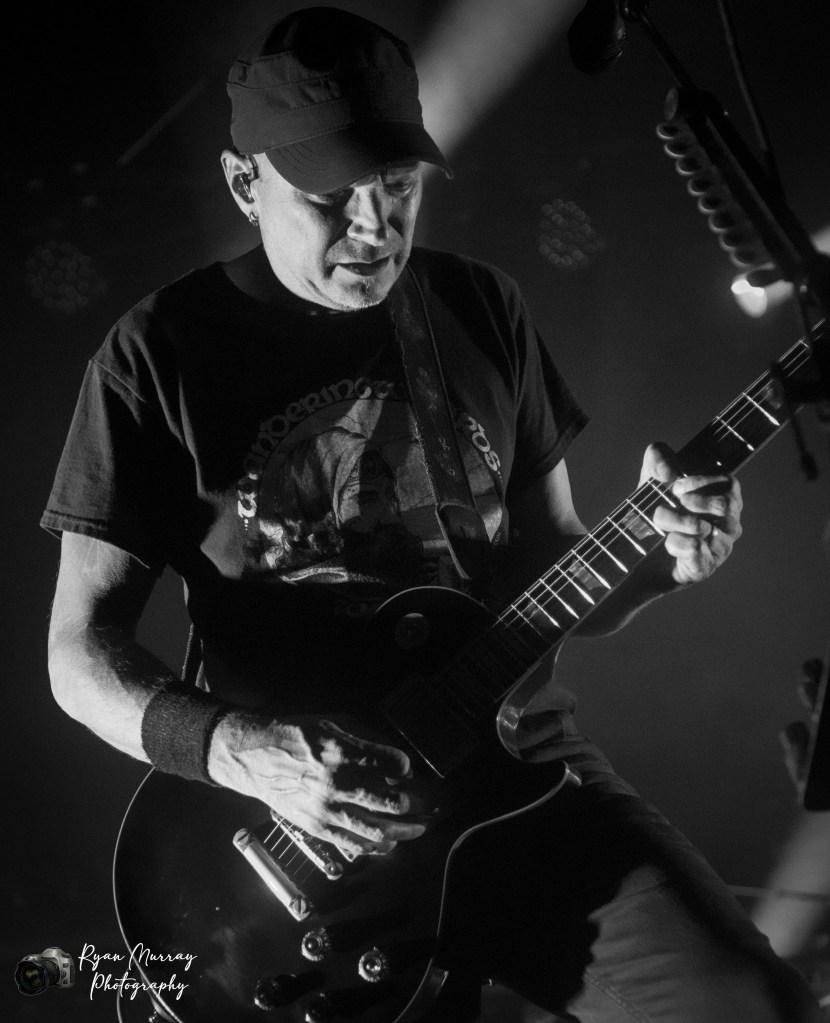
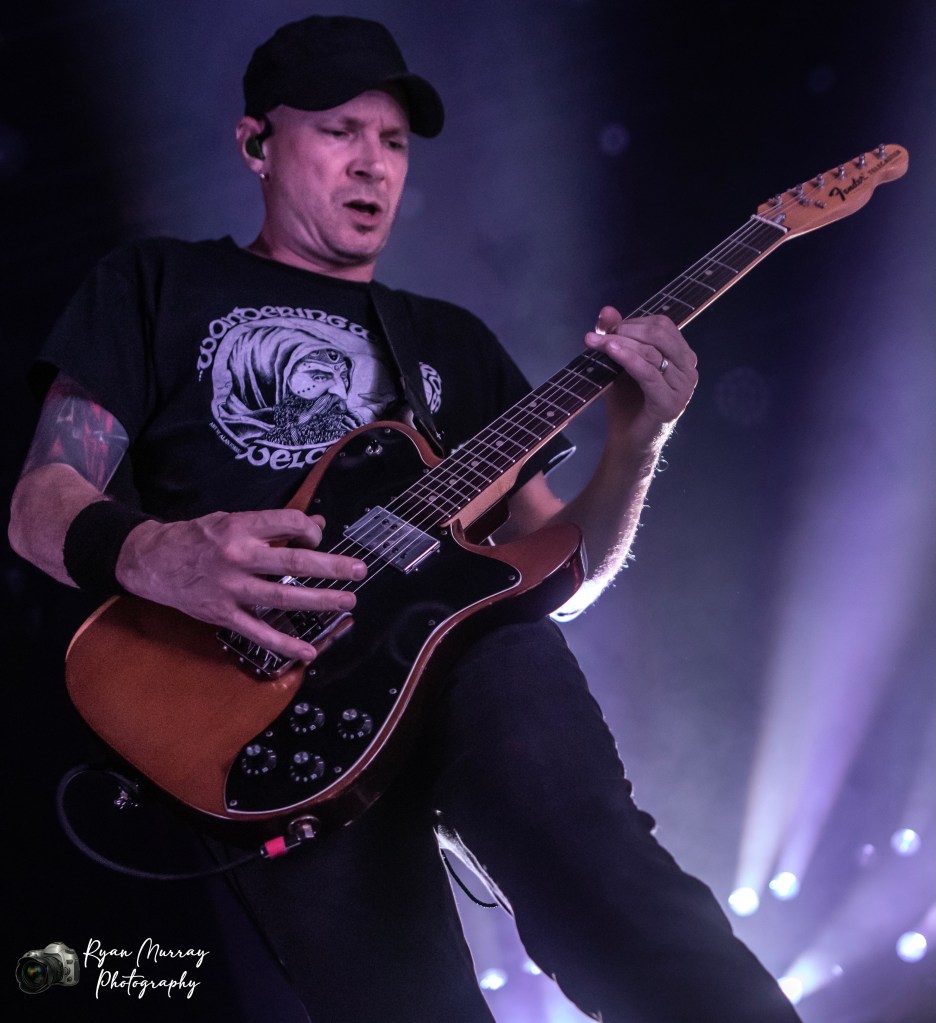
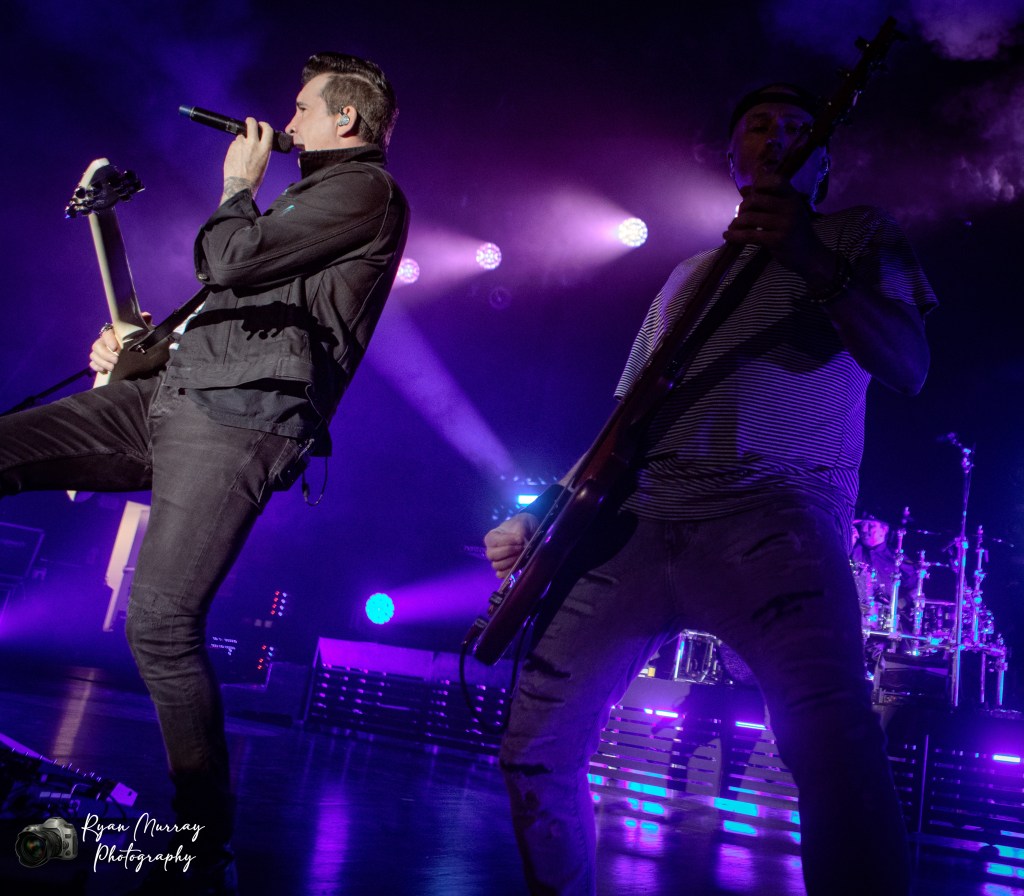
This was also my second time photographing Theory of a Deadman, and the band once again proved to be an absolute blast to chase through the lens. Between Connolly’s interaction with the crowd, the band’s constant movement, and the unpredictable moments happening onstage, there was never a shortage of shots worth grabbing.
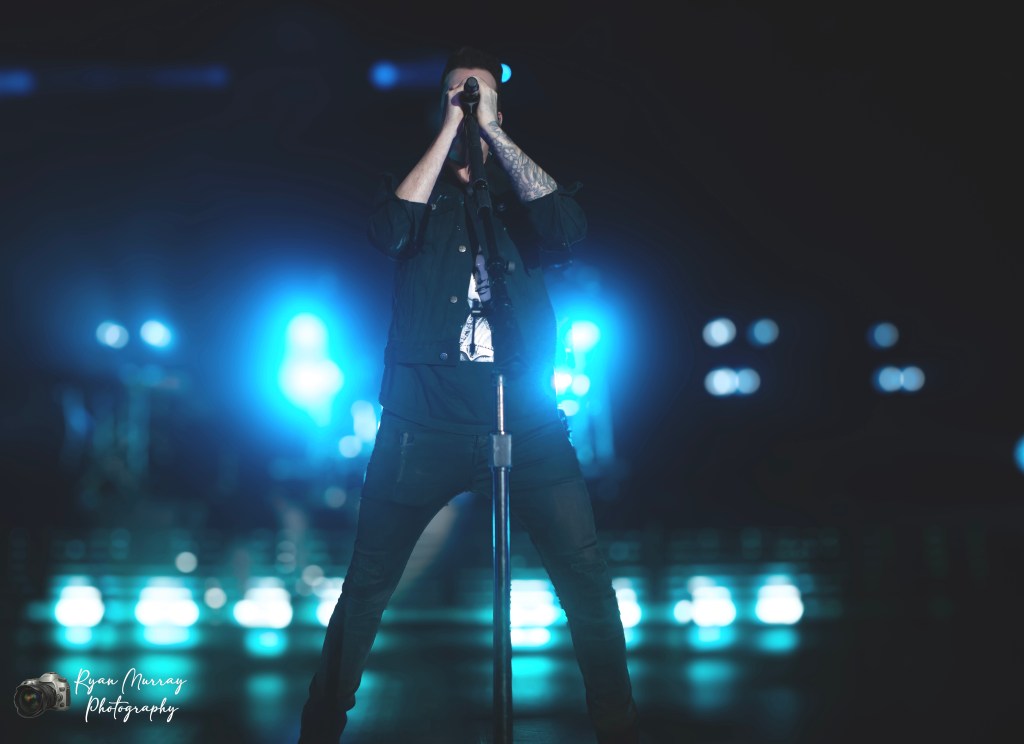
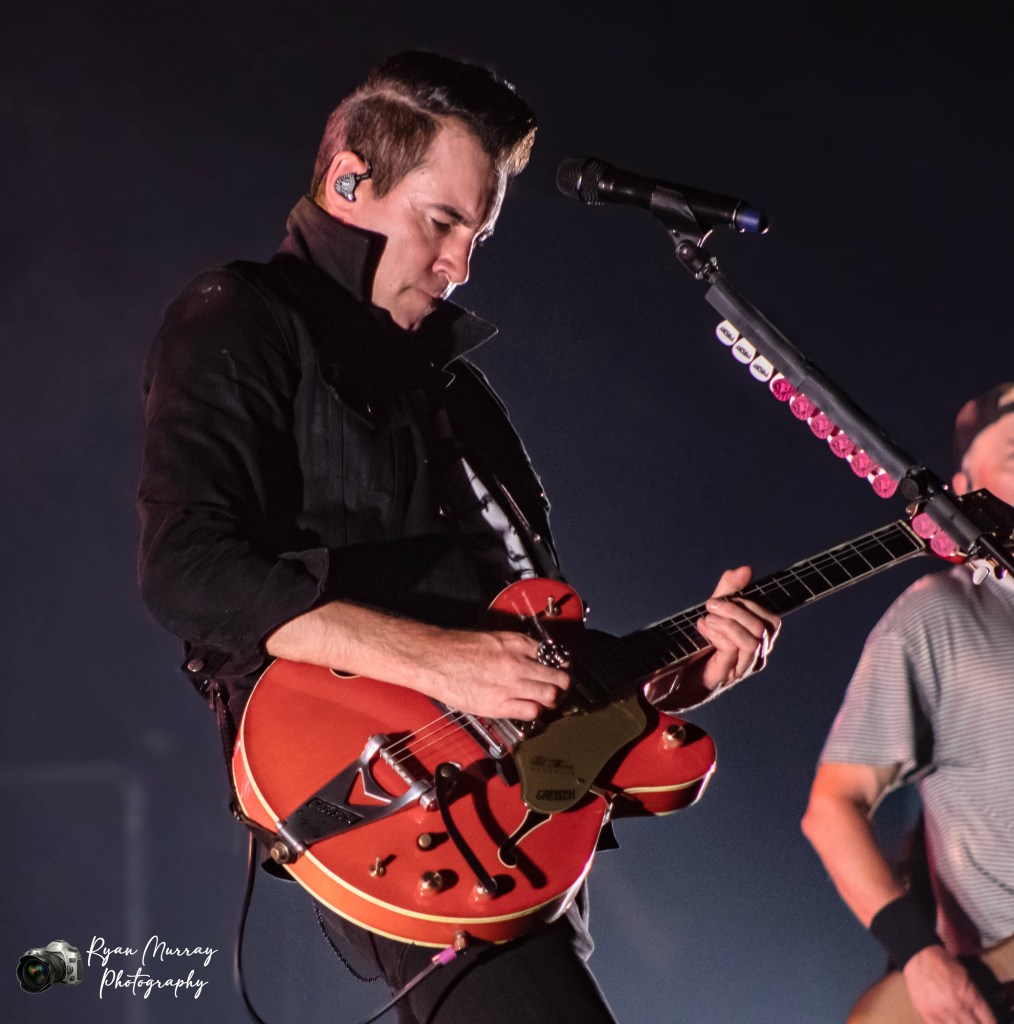
Poughkeepsie Showed Up
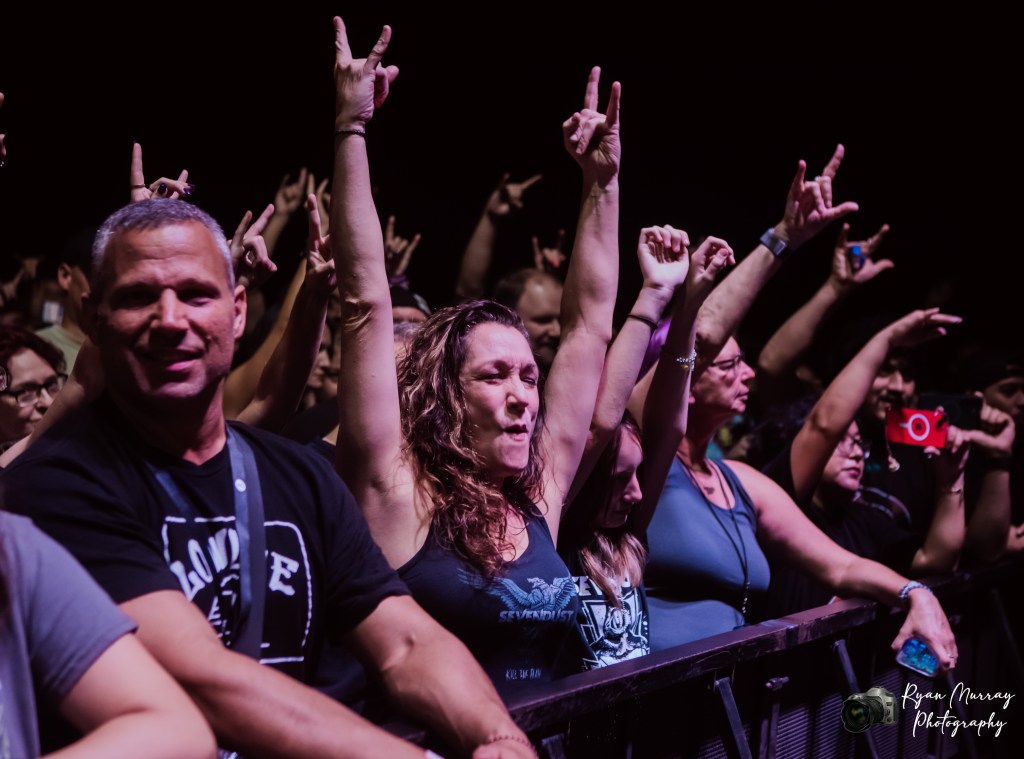
Maybe the most important takeaway from the night was that a sold-out sign isn’t the only measurement of a successful show.
Poughkeepsie may not have been packed wall-to-wall, but the people who showed up were united, engaged, and completely locked in.
They sang. They moshed. They formed circle pits. They screamed every word. They laughed with the bands. They celebrated songs that have been part of their lives for many years and welcomed a newer generation of music with the same enthusiasm.
That kind of crowd can make a room feel twice its actual size, and that’s exactly what it felt like.
The Dead/Seven Tour wasn’t simply a pairing of two established hard rock acts. It was a celebration of the many different ways heavy and alternative rock can connect with people. Return to Dust represents where that lineage can go next, Sevendust demonstrates how enduring that connection can become, and Theory of a Deadman proves that sometimes the best way to end a night is simply to turn everything up and have some fun.
Poughkeepsie didn’t need a sold-out crowd.
The people who showed up were more than enough.
And judging by the noise coming from that room, they weren’t ready to go home anytime soon.


Leave a comment