Ryan Murray | Co-Owner | Chief Editor | Contributor | Photographer
r.m.music84@gmail.com
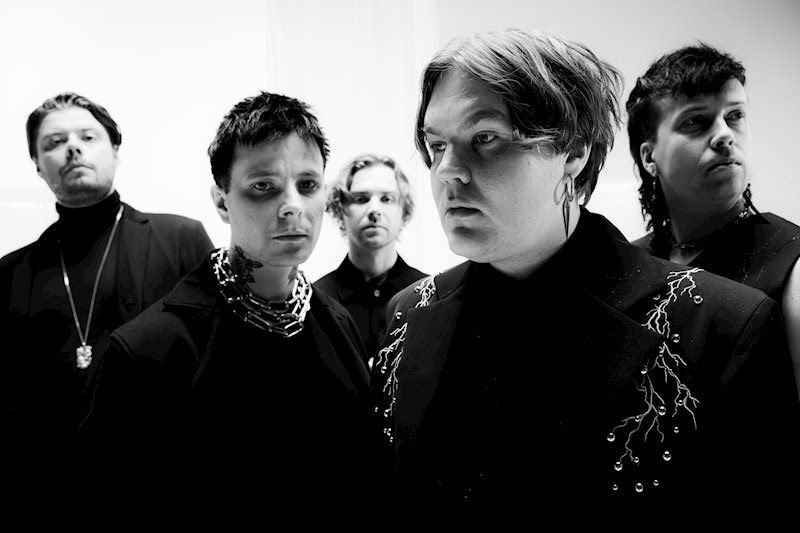
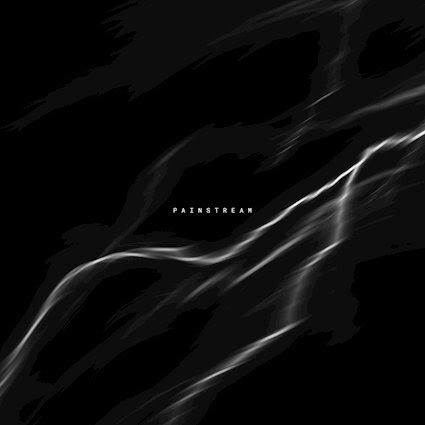
There comes a point in a band’s career when experience begins to change the way they approach their music. The hunger is still there, the aggression hasn’t disappeared, and the desire to make something that hits people squarely in the chest remains as strong as ever. But somewhere along the way, something else develops. Perspective. Reflection. An understanding of what actually matters, both as musicians and as human beings. For Finland’s Blind Channel, that moment appears to have arrived with Painstream, their sixth studio album and, in my opinion, their finest work to date.
Having followed the band’s evolution, I’ve always appreciated their willingness to embrace the collision of modern metal, alternative rock, electronic elements, and unapologetically enormous hooks. Blind Channel have never been particularly interested in playing it safe, and that distinctive combination has helped establish their identity. However, Painstream feels like a particularly significant step forward. There’s a greater sense of purpose running through these twelve songs, an emotional weight that gives the music additional dimension, and a maturity in the songwriting that makes this album stand apart from everything they’ve released before. The familiar intensity is absolutely here, but there’s considerably more happening beneath the surface.
The title itself is an interesting starting point. Originally conceived as a combination of the words pain and mainstream, the idea eventually developed into something much more profound. Looking around at the state of the world, it’s difficult to ignore how much suffering exists around us. Conflict, division, uncertainty, personal struggles, and the seemingly endless stream of bad news can make the world feel overwhelmingly heavy. Yet Blind Channel approach pain from an unexpectedly philosophical perspective. It’s something every living person experiences, regardless of background, nationality, or circumstance. Perhaps, rather than being something that separates us, pain is one of the few things that genuinely connects us.
That’s a remarkably compelling foundation for an album, particularly when the band takes the concept beyond individual struggles and examines it through a broader human experience. There’s an awareness of just how fragile and temporary our existence really is, especially when compared with the mountains, oceans, and universe surrounding us. That perspective also explains the enormous production and expansive soundscapes throughout Painstream. The band wanted the music to reflect something bigger than themselves, and the result is an album that frequently feels cinematic in its scope.
What makes this creative direction particularly interesting is the amount of self-reflection that went into getting there. Blind Channel have spoken about writing dozens upon dozens of demos, deliberately stepping away from outside expectations and rediscovering the elements that resonated with all five members. That process seems to have paid off. There’s a cohesiveness here that comes from a band understanding its identity, while simultaneously allowing itself room to evolve. Every member’s contribution feels important to the overall picture, and that collective identity is arguably one of the album’s greatest strengths.
The opening moments of Messiah establish that ambition beautifully. There’s a dramatic, almost cathedral-like atmosphere surrounding the song, with an expansive production that immediately signals the album’s larger emotional scope. Its exploration of the complicated relationship between faith, fear, and belief gives it an intriguing lyrical foundation, while the heavier passages provide the kind of impact Blind Channel have built their reputation on. There’s an intensity to Niko’s vocal delivery that helps carry the song’s emotional tension, and it makes for a commanding introduction.
That balance between aggression and introspection continues throughout the record. Youthanasia brings a sharper, more confrontational energy, while Stars We See explores the existential questions that sit at the heart of the album. The latter is particularly effective in the way it approaches the finite nature of human existence. There’s something genuinely beautiful about considering that perhaps our lives are meaningful precisely because they don’t last forever. Musically, the expansive atmosphere gives the song room to breathe, creating the sensation of looking up at an endless night sky. It’s one of those moments where the emotional weight of the lyrics and the scale of the production work exceptionally well together.
Into The Void, featuring Aaron Pauley of Of Mice & Men, takes another fascinating concept and gives it an appropriately massive musical backdrop. Inspired by the Fermi Paradox and the mysterious Wow! signal, the song considers the possibility that humanity could be alone in the universe. Given the state of our planet, the question of whether we’re doing enough to preserve the only known place where life exists becomes particularly uncomfortable. Aaron’s contribution adds another dimension to the track, and the combination of his vocals with Blind Channel’s aggressive approach makes this one of the album’s most immediately explosive moments. It’s also a reminder of how effectively the band can incorporate outside contributions without losing their own identity.
One of the things I appreciate most about Painstream is that its heavier moments never feel disconnected from the larger emotional narrative. Tracks like Types Of Killing, Me Versus Me, and Scapegoat bring plenty of aggression and attitude, while Revolution: Now and Villain In Your Story reinforce the album’s underlying themes of resistance, frustration, and personal struggle. There’s a sense of urgency throughout these songs, but also a more developed understanding of what that anger is actually directed toward. The band sounds increasingly comfortable moving between different shades of their musical identity, allowing electronic textures, crushing guitar work, melodic passages, and explosive choruses to coexist without feeling forced.
Then there’s Diana, a particularly compelling example of the band’s ability to connect a powerful musical statement with an uncomfortable observation about human behavior. Its subject matter examines our tendency to tear one another down despite the fragility we all share. It’s a message that feels especially relevant in a world where division and hostility have become almost routine. Musically, the return to a more riff-driven approach is a welcome addition, giving the track a muscular edge that feels deeply connected to the band’s roots.
Interestingly, Diana also becomes part of something larger when paired with No Encores In A Swan Song. The two official videos work together as a connected visual narrative, almost like a miniature film or short story, adding another layer to the relationship between the songs. The concept surrounding No Encores In A Swan Song considers the life that supposedly flashes before your eyes at the moment of death, with the band humorously questioning whether everyone would actually want to revisit their entire existence. It’s a darkly entertaining premise, but there’s a more serious idea underneath it. What do we leave behind? What moments define us? And what happens when we’re forced to confront everything we’ve experienced?
The musical energy of the song is equally engaging, combining atmospheric electronics, heavy instrumentation, and an infectious sense of momentum. Considering the band’s excitement about returning to the stage, there’s an unmistakable live-show energy here. I can easily imagine this becoming a particularly powerful moment in their upcoming performances. Watching the two videos together also makes the experience more rewarding, because the visual connection reinforces the themes and gives the songs an identity beyond their individual performances.
But perhaps the most important development on Painstream is the presence of something that wasn’t always so apparent in Blind Channel’s earlier material: hope.
For a band that has previously embraced a more nihilistic lyrical outlook, the realization that there are things worth protecting, people worth fighting for, and experiences worth holding onto represents a meaningful evolution. The album doesn’t abandon its darker subject matter, nor does it pretend that the world suddenly makes sense. Instead, it recognizes that acknowledging pain and hardship can also make us more aware of the things that give life meaning. That underlying sense of hope is particularly effective because it feels earned rather than manufactured.
I think that’s what ultimately makes this record so compelling. There’s a genuine sense of growth happening here, both creatively and personally. Blind Channel sound like five individuals who have taken the time to examine where they’ve been, consider where they are, and figure out what they want their music to represent moving forward. The production is enormous, the songwriting is confident, and Niko’s vocal performances help give the material a consistent emotional center. More importantly, the album feels like a collective statement from a band that has rediscovered what brings them together.
I recently had the opportunity to sit down with Niko for an interview, and discussing Painstream made the ideas behind this album all the more interesting. The conversation touched on the band’s creative journey, the meaning behind the record, and the idea that pain can ultimately become something that connects us. There’s a sincerity behind that perspective that comes through in the music, and I think listeners will find even more to appreciate about the album when they understand some of the thought that went into making it.
By the time the closing track, Ache, brings the record to its conclusion, the journey feels complete without suggesting that all the questions have been answered. That’s appropriate for an album dealing with subjects as complicated as existence, suffering, memory, and human connection. Sometimes understanding comes from accepting that there are things we simply cannot resolve. What matters is how we choose to move forward.
With Painstream, Blind Channel have delivered an album that feels bigger, deeper, and more emotionally developed than anything they’ve done before. Their signature combination of modern metal, electronic experimentation, and infectious melodies remains intact, but the songwriting carries a different kind of weight. This is a band that sounds more comfortable in its own skin, more confident in its collective identity, and increasingly willing to explore the experiences that make us human.
I’ve always believed that the most memorable albums give listeners something to connect with beyond the music itself. Painstream does exactly that. It gives us aggression when we need an outlet, atmosphere when we need room to reflect, and melodies that stay with us long after the final notes fade. Above all, it reminds us that despite everything that divides us, we’re all navigating the same fragile human experience.
Six albums into their career, Blind Channel have found a new level of creative maturity without sacrificing the energy that got them here. That’s no small achievement, and it’s one worth celebrating.
Pain may be universal, but so is the possibility of finding something worth fighting for. With Painstream, Blind Channel have turned that realization into their strongest musical statement yet.
VERDICT: 4.7/5.0


Leave a Reply